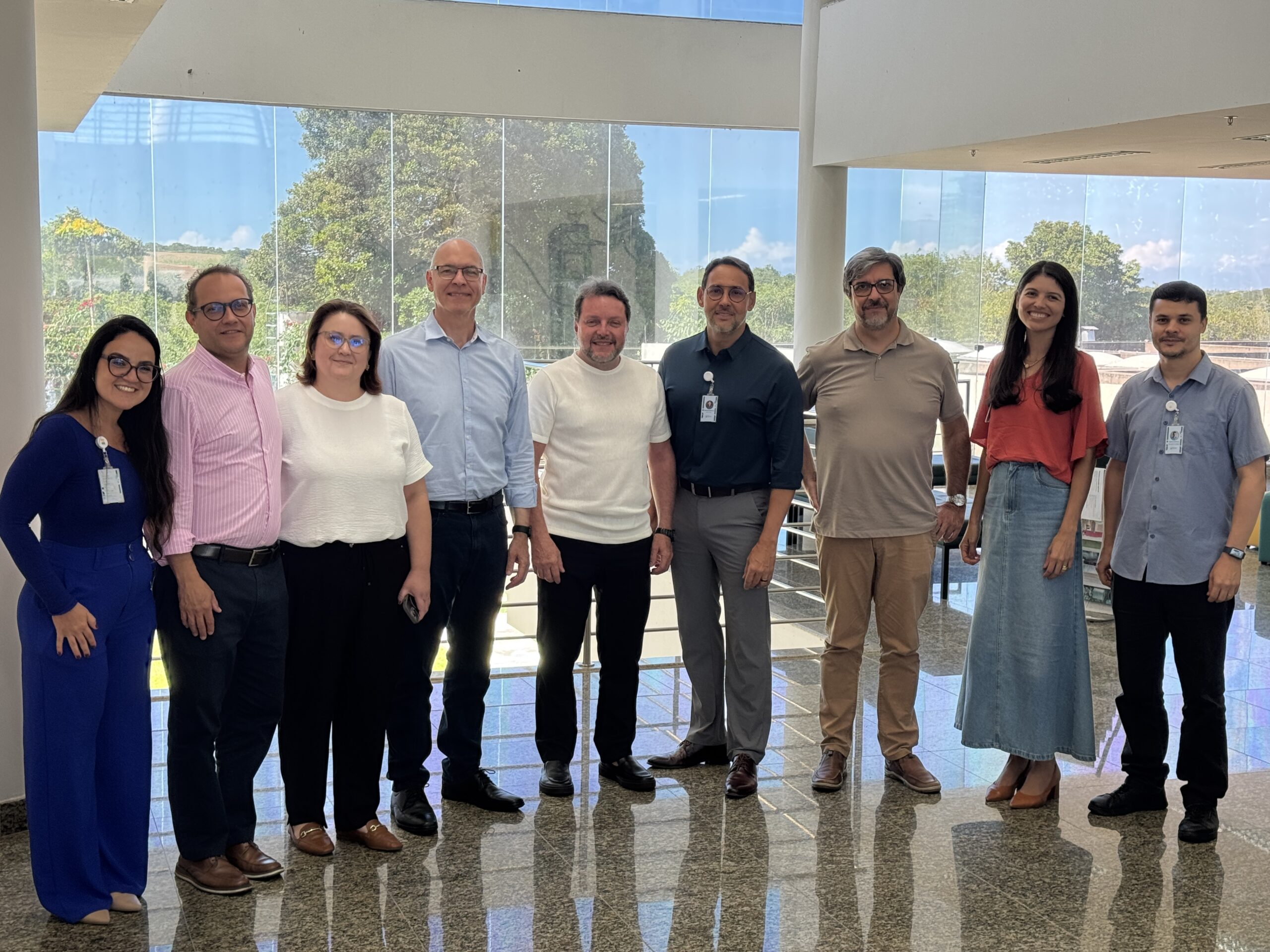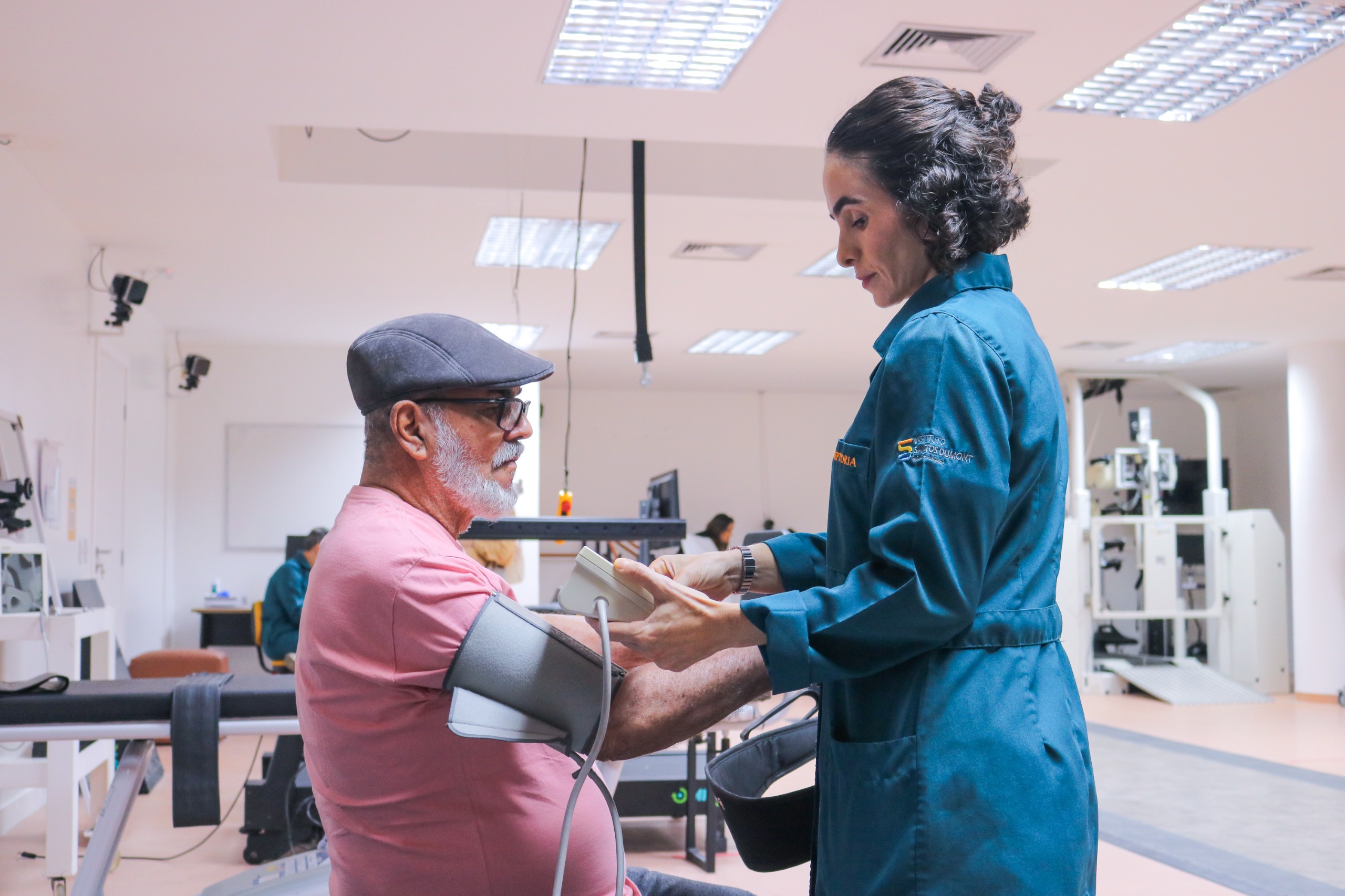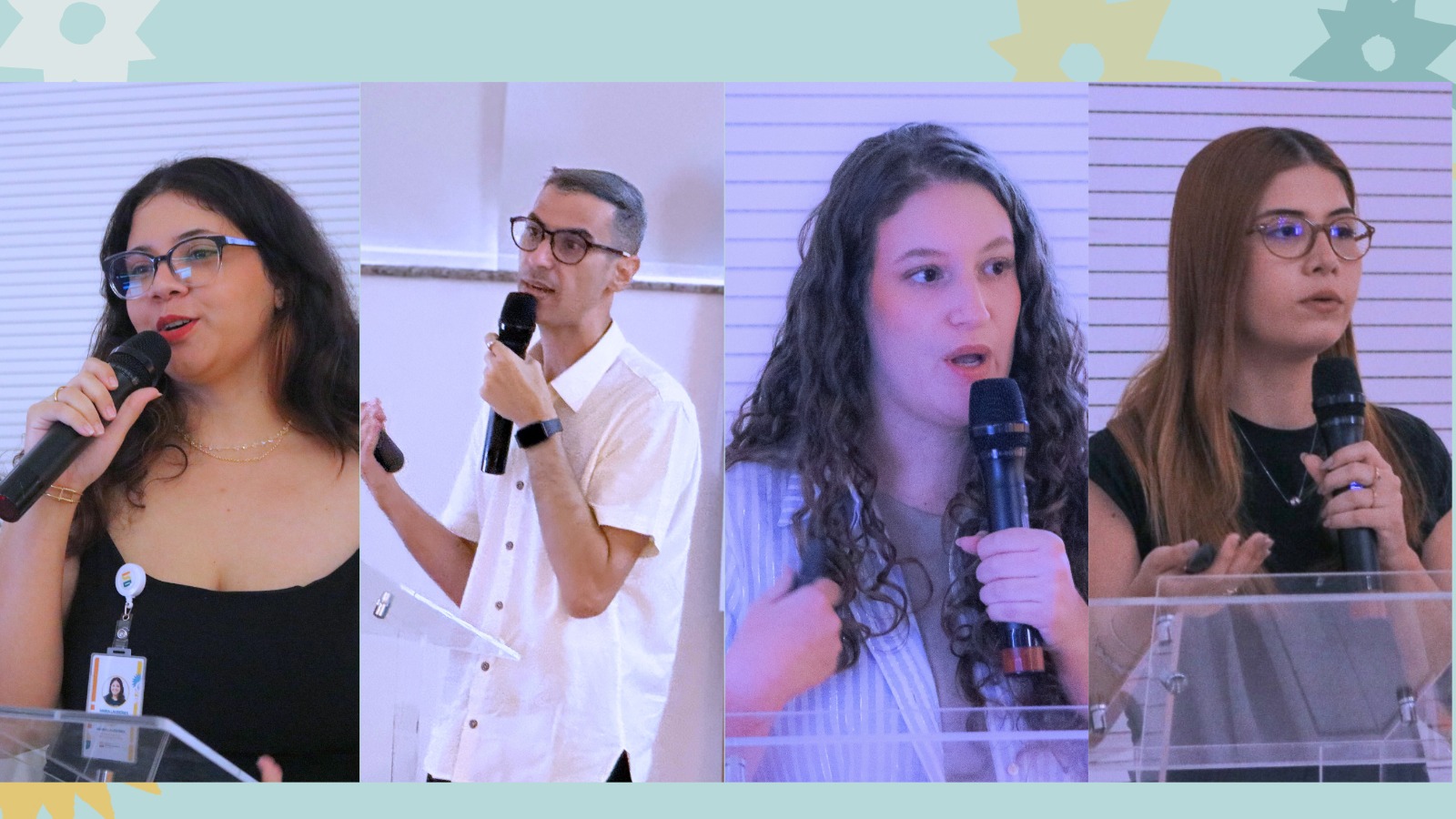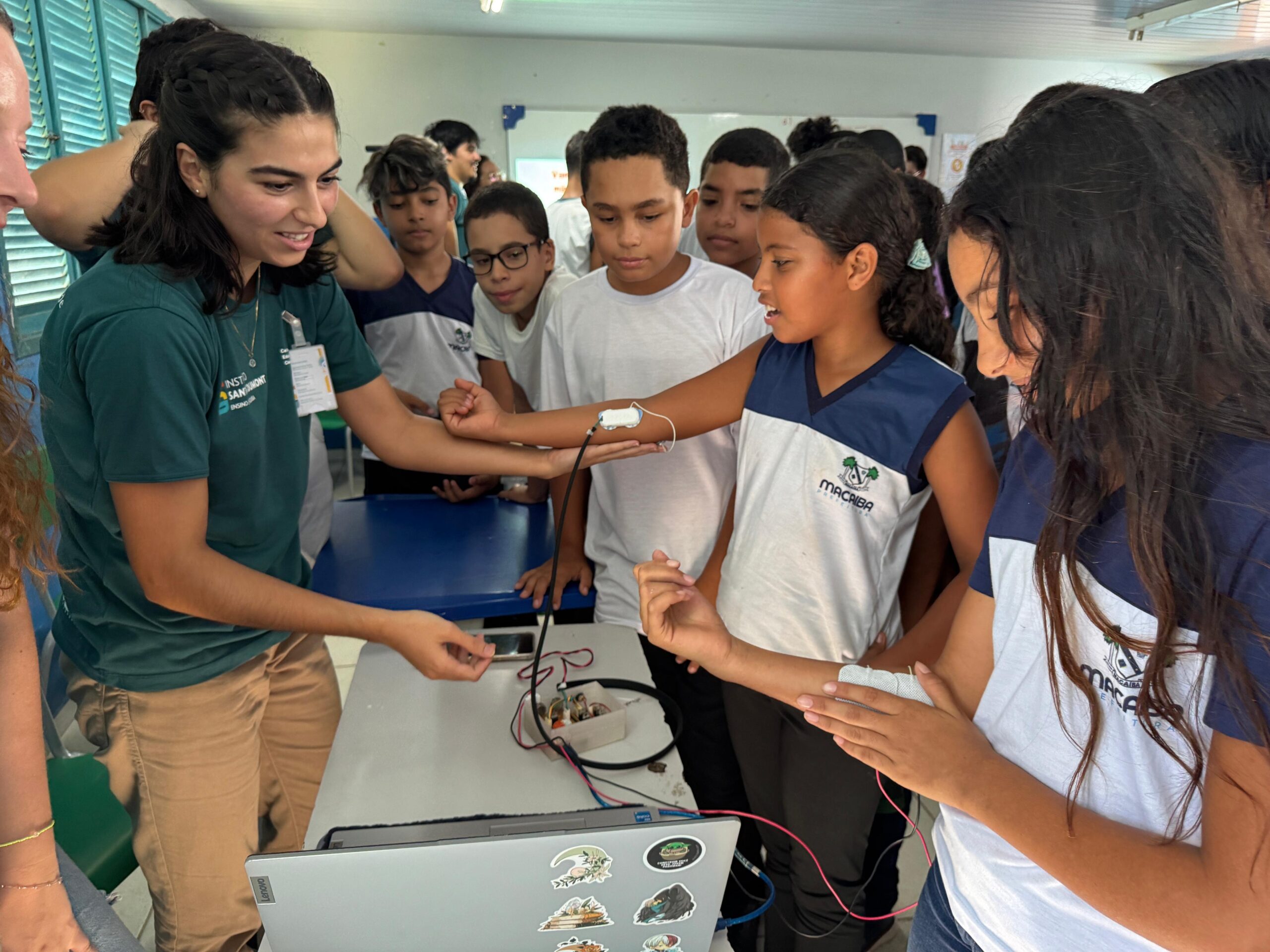


One of the biggest differentials of the team of researchers from the Santos Dumont Institute is multidisciplinary. Scientific studies are conducted by doctors, veterinarians, engineers, physicists, biologists and physiotherapists.
Get to know the professors and researchers of the Postgraduate in Neuroengineering.

Miguel angelo laporta nicolelis |
emeritus researcher
He graduated in Medicine from the University of São Paulo, with a PhD in General Physiology also from USP, and a post-doctorate in Physiology and Biophysics from Hahnemann University (USA). He is Professor Emeritus at Duke University, after having been a Full Professor in the Department of Neurobiology, and taught at this university from 1994 to 2021 in the departments of Neurobiology, Psychology and Neuroscience, Biomedical Engineering, Neurology, and the School of Medicine. In addition to his contributions as a professor, he founded and directed the Center for Neuroengineering at Duke University for 20 years.
Click to read more
He is a pioneer in brain-machine interface (BMI) research. During his career, he has led studies investigating the neurophysiological principles of mammalian neural circuits, the development of different types of BMIs, and their application in restoring movement in people with paralysis and Parkinson's disease. To date, he has published 223 scientific articles in multiple high-impact scientific journals, such as Nature and Science.
In Brazil, he founded the Alberto Santos Dumont Association for Research Support – which he has chaired for 20 years, and the Santos Dumont Institute.
He founded and directed the Walk Again Project, a project aimed at people with spinal cord injuries at the paraplegic level, and which developed: 1) the first brain-controlled lower limb exoskeleton; 2) the neurorehabilitation protocol based on the application of gait training associated with the use of ICM, virtual reality and sensory substitution; 3) the 16-channel functional electrical stimulation system controlled by the brain.
He is a member of the French and Brazilian Academies of Sciences. In 2004, Scientific American magazine named him one of the 20 greatest scientists of our time. In 2015, the American magazine Foreign Policy named him one of the 100 most influential thinkers in the world. Among the international awards he has received are the “Director's Pioneer Award” and the “Director's Transformative R01 Award”, granted by the National Institutes of Health (USA); the “IEEE Daniel E. Noble Award for Emerging Technologies” granted by the Institute of Electrical and Electronics Engineers (USA); and the “Claude Shannon Luminary Award”, granted by Nokia Bell Labs (USA).
He is the author of the books: “Far beyond our self: the new neuroscience that unites brains and machines – and how it can change our lives”; “Made in Macaíba – the story of the creation of a scientific-social utopia in the former empire of the Tapuias”; “The Relativistic Brain – how it works and why it cannot be simulated by a Turing machine”; “The true creator of everything – how the human brain sculpted the universe we know” and “Nothing will be the same again”.
Research lines:
Computational properties of large neuronal ensembles in primate behavior; sensorimotor plasticity in adult animals and in sensory development; investigation of neurophysiological principles of mammalian neural circuits; development of different types of ICMs and their application in the restoration of movements and neurorehabilitation in people affected by neurological diseases, such as paralysis and Parkinson's disease.
• Wei PH, Nicolelis MA, Zhao GG. Rethinking the neurosurgical approach to brain disorders from the network neuroscience perspective. Sci Bull (Beijing), 2022
• Nicolelis MAL, Alho EJL, Donati ARC, Yonamine S, Aratanha MA, Bao G, Campos DSF, Almeida S, Fischer D, Shokur S. Training with noninvasive brain-machine interface, tactile feedback, and locomotion to enhance neurological recovery in individuals with complete paraplegia: a randomized pilot study. Sci Rep, 2022
• Nicolelis MAL. Brain-machine-brain interfaces as the foundation for the next generation of neuroprostheses. Natl Sci Rev, 2021
• Wen S, Yin A, Tseng PH, Itti L, Lebedev MA, Nicolelis M. Capturing spike train temporal pattern with wavelet average coefficient for brain machine interface. Sci Rep, 2021
• Nicolelis MAL, Raimundo RLG, Peixoto PS, Andreazzi CS. The impact of super-spreader cities, highways, and intensive care availability in the early stages of the COVID-19 epidemic in Brazil. Sci Rep, 2021
• Yadav AP, Li S, Krucoff MO, Lebedev MA, Abd-El-Barr MM, Nicolelis MAL. Generating artificial sensations with spinal cord stimulation in primates and rodents. Brain Stimul, 2021
• Cheng G, Ehrlich SK, Lebedev M, Nicolelis MAL. Neuroengineering challenges of fusing robotics and neuroscience. Sci Robot, 2020
• Yadav AP, Li D, Nicolelis MAL. A Brain to Spine Interface for Transferring Artificial Sensory Information. Sci Rep, 2020
• Tseng PH, Urpi NA, Lebedev M, Nicolelis M. Decoding Movements from Cortical Ensemble Activity Using a Long Short-Term Memory Recurrent Network. Neural Comput, 2019
• Lebedev MA, Ossadtchi A, Mill NA, Urpí NA, Cervera MR, Nicolelis MAL. Analysis of neuronal ensemble activity reveals the pitfalls and shortcomings of rotation dynamics. Sci Rep, 2019
• Selfslagh A, Shokur S, Campos DSF, Donati ARC, Almeida S, Yamauti SY, Coelho DB, Bouri M, Nicolelis MAL. Author Correction: Non-invasive, Brain-controlled Functional Electrical Stimulation for Locomotion Rehabilitation in Individuals with Paraplegia. Sci Rep, 2019
• O'Doherty JE, Shokur S, Medina LE, Lebedev MA, Nicolelis MAL. Creating a neuroprosthesis for active tactile exploration of textures. Proc Natl Acad Sci USA, 2019
• Selfslagh A, Shokur S, Campos DSF, Donati ARC, Almeida S, Yamauti SY, Coelho DB, Bouri M, Nicolelis MAL. Non-invasive, Brain-controlled Functional Electrical Stimulation for Locomotion Rehabilitation in Individuals with Paraplegia. Sci Rep, 2019
• Nicolelis Laboratory Series – 20 Years of Brain-Machine Interface Research – Volume 1, 2019
• Nicolelis Laboratory Series – 20 Years of Brain-Machine Interface Research – Volume 2, 2019
• Kunicki C, Moioli RC, Pais-Vieira M, Peres ASC, Morya E, Nicolelis MAL. Frequency-specific coupling in fronto-parieto-occipital cortical circuits underlie active tactile discrimination. Scientific Reports, 2019
• Shokur S, Donati ARC, Campos DSF, Gitti C, Bao G, Fischer D, Almeida S, Braga VAS, Augusto P, Petty C, Alho EJL, Lebediev M, Song AW, Nicolelis MAL. Training with brain-machine interfaces, visuotactile feedback and assisted locomotion improves sensorimotor, visceral, and psychological signs in chronic paraplegic patients. PLoS ONE, 2018
• Yin A, Tseng PH, Rajangam S, Lebedev MA, Nicolelis MAL. Place cell-like activity in the primary sensorimotor and premotor cortex during monkey whole-body navigation. Scientific Reports, 2018
• Tseng PH, Rajangam S, Lehew G, Lebedev MA, Nicolelis MAL. Interbrain cortical synchronization encodes multiple aspects of social interactions in monkey pairs, Scientific Reports, 2018
• Thomson E, Zea I, Windham W, Thenaisie Y, Walker C, Pedowitz P, França W, Graneiro AL, Nicolelis MAL. Merging visible and invisible light using a cortical neuroprosthesis without impairing native sensory function. eNeuro, 2017
• Ramakrishnan A, Byun YW, Rand K, Pedersen C, Lebedev MA, Nicolelis MA. Cortical Neurons Multiplex Reward-Related Signals along with Sensory and Motor Information. Proceedings of the National Academy of Sciences of the United States of America (PNAS), 2017
• Miguel AL Nicolelis. Are we at risk of becoming biological digital machines? Nature Human Behavior, 2017
• Lebedev M, Nicolelis MAL. Brain-machine interfaces: from basic science to neuroprosthetic devices, and neurorehabilitation. Physiological Review, 2017
• Yadav A, Nicolelis MAL. Electrical stimulation of the dorsal columns of the spinal cord in Parkinson's disease. Movement Disorders, 2017
• Vouga T, Zhuang KZ, Olivier J, Lebedev MA, Nicolelis MA, Bouri M, Bleuler H. EXiO-A Brain-Controlled Lower Limb Exoskeleton for Rhesus Macaques. IEEE Trans Neural Syst Rehabil Eng. 2017

Andre Dantas
Wlattes urriculum | Google Scholar | Email
Doctor and Master in Electrical Engineering from the Federal University of Rio Grande do Norte (UFRN). He holds a degree in Technology in Industrial Automation from the Federal Institute of Education, Science and Technology of Rio Grande do Norte (IFRN), and in Computer Engineering from the Potiguar University (UnP). He has experience in Signal Processing and PID, Predictive, Fuzzy, Adaptive, Intelligent Control Systems.
Research lines: Computational Intelligence, Development of Sensors and Devices, and Control Systems Applied to Neurorehabilitation, Human-Machine and Brain-Computer Interfaces.
- “Brown, M., & White ...Chapter 7 – Protocols for poststroke upper limb motor rehabilitation using new methods: experiences in Brazil, Ecuador, Japan, Spain, and Germany.” In López, NM (ed.), Advances in Technology-Assisted Neurorehabilitation, pp. 117 – 137. Academic Press
- Yiza, SR, Dantas, A. AFO, and Hur, S.-H. 2024. “Comparative analysis of control methods for a wind turbine in normal and gusty conditions.” Control Engineering Practice 151: 106016. ISSN 0967-0661
- Rathke, C. L., Pimentel, V. C. d. A., Alsina, P. J., & Dantas, A. F. D. (2024). IoT-Based Wireless System for Gait Kinetics Monitoring in Multi-Device Therapeutic Interventions. Sensors, 24(17), 5799
- G.-CAX, AFODA Dantas, CCDE Santo, TF Bastos-Filho and D. Delisle-Rodriguez, “Multitask Lower Limb Classification System for Dorsiflexion Rehabilitation by Using Electroencephalography and Functional Electrical Stimulation,” 2024 International Conference on Control, Automation and Diagnosis (ICCAD), Paris, France, 2024, pp. 1-6
- Dunga, D., Viana, B., Rodrigues, V., Dantas, A., Rodriguez, D. (2024). Towards a Low-Cost Electroencephalogram for a Brain-Machine Interface-Based Functional Electrical Stimulation. In: Marques, JLB, Rodrigues, CR, Suzuki, DOH, Marino Neto, J., García Ojeda, R. (eds) IX Latin American Congress on Biomedical Engineering and XXVIII Brazilian Congress on Biomedical Engineering. CLAIB CBEB 2022 2022. IFMBE Proceedings, vol 100. Springer, Cham

Andressa Radiske
AssLattes curriculum | Google Scholar | Email
Bachelor in Biomedicine, Master in Medicine and Health Sciences and PhD in Biomedical Gerontology with a concentration in Neurosciences from the Pontifical Catholic University of Rio Grande do Sul (PUC-RS). He completed his post-doctorate at the Brain Institute of the Federal University of Rio Grande do Norte. In 2022, he won the Early Career Award from the International Brain Research Organization. He has experience in animal behavior, pharmacology, molecular biology techniques, in vivo electrophysiology, electrical neuromodulation and optogenetics.
- Radiske, A., Gonzalez, M.C., Rossato, J.I., Conde-Ocazionez, S., and Cammarota, M. 2025. “Theta-encoded information flow from dorsal CA1 to prelimbic cortex drives memory reconsolidation.” iScience 112821. ISSN 2589-0042
- Radiske A, Cahill EN, Milton AL and Cammarota M (2024) Editorial: On the destabilization of maladaptive memory: updates and future perspectives. Front. Behav. Neurosci. 17:1351704
- Rossato, J., Gonzalez, M., Apolinário, G., Radiske, A., Brisa, E., Carneiro, L. and Cammarota, M. (2025), Hippocampal CaMKII Regulates the Consolidation of Recognition Memory. Eur J Neurosci, 61: e70049
- Radiske, A., de Castro, C.M., Rossato, J.I. et al. Hippocampal CaMKII inhibition induces reactivation-dependent amnesia for extinction memory and causes fear relapse. Sci Rep 13, 21712 (2023).
- Rossato, JI, Radiske, A., Gonzalez, MC, Apolinário, G., de Araújo, RLS, Bevilaqua, LRM, and Cammarota, M. 2023. “NMDARs control object recognition memory destabilization and reconsolidation.” Brain Research Bulletin 197: 42 – 48. ISSN 0361-9230.

Caroline Cunha do Espírito Santo
Wlattes urriculum | Google Scholar | Email
PhD in Neurosciences from the Federal University of Santa Catarina (UFSC), Master in Physiotherapy from the State University of Santa Catarina (UDESC) and graduated in Physiotherapy (UDESC). He developed post-doctoral research at UDESC and worked as a professor in the undergraduate Physiotherapy courses at UFSC (Campus Araranguá) and in the graduate course Lato sensu in Adult and Child Neurofunctional Physiotherapy at Faculdade Inspirar.
He has experience in pre-clinical research using spinal cord injury models and with clinical research targeting individuals with Spinal Cord Injury and Parkinson's Disease. It uses tools such as biomechanical analysis of human movement, electroencephalography and electromyography to assess aspects of locomotion. He has experience with exoskeleton for lower limbs, neuromodulation (tDCS and FES) in addition to neurofunctional physiotherapy approaches. He is interested in studying aspects related to motor control after central nervous system injuries.
Research lines: Applications of neuroengineering in clinical practice, neuroengineering of rehabilitation.
- “Brown, M., & White ...Chapter 7 – Protocols for poststroke upper limb motor rehabilitation using new methods: experiences in Brazil, Ecuador, Japan, Spain, and Germany.” In López, NM (ed.), Advances in Technology-Assisted Neurorehabilitation, pp. 117 – 137. Academic Press
- Dias, VO, Oliveira, IM, Mourão, FG, Lindquist, ARR, of Espirito Santo, CC, and Santiago, LM of M. 2024.Do dual-task training and tDCS reduce gait asymmetry in Parkinson's disease?” Neuroscience Journal 32: 1–20.
- Rathke, C. L., Pimentel, V. C. d. A., Alsina, P. J., & Dantas, A. F. D. (2024). IoT-Based Wireless System for Gait Kinetics Monitoring in Multi-Device Therapeutic Interventions. Sensors, 24(17), 5799
- G.-CAX, AFODA Dantas, CCDE Santo, TF Bastos-Filho and D. Delisle-Rodriguez, “Multitask Lower Limb Classification System for Dorsiflexion Rehabilitation by Using Electroencephalography and Functional Electrical Stimulation,” 2024 International Conference on Control, Automation and Diagnosis (ICCAD), Paris, France, 2024, pp. 1-6
- Henrique and Silva Bezerra, B., Henrique Bertucci Borges, L., Delisle-Rodriguez, D., Sousa Britto, HMJ, Oliveira Dantas, AFA, do Espirito Santo, CC (2024). Comparison of Multivariate Linear and Nonlinear Models for FES Cycling. In: Marques, JLB, Rodrigues, CR, Suzuki, DOH, Marino Neto, J., García Ojeda, R. (eds) IX Latin American Congress on Biomedical Engineering and XXVIII Brazilian Congress on Biomedical Engineering. CLAIB CBEB 2022 2022. IFMBE Proceedings, vol 100. Springer, Cham.

Denis Delisle Rodriguez
Wlattes urriculum | Google Scholar | Email
PhD in Electrical Engineering from the Federal University of Espírito Santo (UFES), Master in Biomedical Engineering from Universidad del Oriente Cuba and graduated in Engineering in Telecommunications and Electronics from Universidad del Oriente Cuba. Acts in development of systems that include biomedical signal processing and pattern recognition through Machine Learning and Deep Learning, especially with brain and myoelectric signals. He also works on the development and construction of signal acquisition prototypes, mobile robotic devices, brain-computer interfaces and human-machine interfaces for motor rehabilitation (upper or lower limbs), cognitive attention training, and increasing verbal and communication skills. non-verbal.
Research lines: brain-computer interface and human-machine interfaces for motor rehabilitation, cognitive attention training and increasing verbal and non-verbal communication skills.
- “Brown, M., & White ...Chapter 7 – Protocols for poststroke upper limb motor rehabilitation using new methods: experiences in Brazil, Ecuador, Japan, Spain, and Germany.” In López, NM (ed.), Advances in Technology-Assisted Neurorehabilitation, pp. 117 – 137. Academic Press
- AX Gonzalez-Cely, CF Blanco-Diaz, D. Delisle-Rodriguez and T. Bastos-Filho, “EEG-Based Multi-Class Classification for Recognizing Pedaling Velocities: A Promising Approach for Brain-Computer Interface-Enhanced Lower-Limb Robotic Rehabilitation,” 2024 10th IEEE RAS/EMBS International Conference for Biomedical Robotics and Biomechatronics (BioRob), Heidelberg, Germany, 2024, pp. 223-228
- Guerrero-Mendez, C.D., Blanco-Diaz, C.F., Rivera-Flor, H., Badue, C., de Souza, A.F., Delisle-Rodriguez, D., and Bastos-Filho, TF 2025.Enhancing complex upper-limb engine imagery discrimination through an incremental training strategy.” Biomedical Signal Processing and Control 99: 106837. ISSN 1746-8094.
- G.-CAX, AFODA Dantas, CCDE Santo, TF Bastos-Filho and D. Delisle-Rodriguez, “Multitask Lower Limb Classification System for Dorsiflexion Rehabilitation by Using Electroencephalography and Functional Electrical Stimulation,” 2024 International Conference on Control, Automation and Diagnosis (ICCAD), Paris, France, 2024, pp. 1-6
- Bastos-Filho, T., Villa-Parra, A.C., Guerrero-Méndez, C. et al. A novel methodology based on static visual stimuli and kinesthetic motor imagery for upper limb neurorehabilitation. Biomed Res. Eng. 40, 687–700 (2024).

Edgard Morya
Wlattes urriculum | Google Scholar | Email
Doctor in Human Physiology from the Institute of Biomedical Sciences of the University of São Paulo (USP) and Bachelor in Physiotherapy (USP). He developed Post-Doctoral research in Human Physiology at the Institute of Biomedical Sciences at USP.
Research lines: motor control, rehabilitation, plasticity, learning, EMG, EEG, psychophysics, perception-action, electroneurophysiology, virtual reality, eye-tracker.
- Silva, CRF d., Alves, MVC, Gadelha, MJN, & Morya, E. (2024). Integration of Multiple Biosensors for Emotion Classification with Artificial Intelligence. Engineering Proceedings, 73(1), 10
- Vasconcelos, IC de, Oliveira, T. da S., Santos, AB, Lima, MTA, Brazorotto, JS, Araujo, AD da SN, Morya, E., & Balen, SA 2024. “Analysis of brain activity for speech stimuli and child development of an infant with neurosyphilis: case report.” CoDAS 36(5): e20230303. ISSN 2317‑1782
- Fernandes, VG, Moscaleski, LA, Fonseca, A. et al. The dynamics of brain frequency bands and response to neuromodulation during cognitive testing in rugby sevens athletes throughout a sports season. Curr Psychol 43, 30629–30643 (2024).
- Fiorin, F. da S., Silva, M. de A. e, Medeiros, RE de, Silva, GHV da, Rodrigues, AC, & Morya, E. 2024. “Spinal Cord Stimulation Modulates Rat Cortico‑Basal Ganglia Locomotor Circuit.” Neuromodulation: Technology at the Neural Interface.
- Holland, LJ, Fernandes, APM, Netto, SPN, Amorim, JA, Matias, AM, Nagem, DAP, Valentim, RAM, Morya, E., & Lindquist, ARR 2024. Machine learning as a control strategy for smart upper limb orthosis: a scoping review.

Fabricio Lima Brazil
Wlattes urriculum | Google Scholar | Email
Doctor in Neuroscience from the Max Planck Research School, University of Tübingen, Germany, Master in Mechanical Engineering from the Federal University of Santa Catarina (UFSC) and Bachelor in Electrical Engineering from the Federal University of Mato Grosso (UFMT). Has experience in the area of Biomedical Engineering, brain machine/computer interface (ICM/ICC), equipment design, rehabilitation of patients who have suffered a cerebrovascular accident (CVA/CVA) or with spinal cord injury, autism spectrum disorder (ASD), brain plasticity and stimulation through transcranial magnetic stimulation (TMS) and transcranial direct current stimulation (tDCS).
Research lines: Brain-Machine Interface, rehabilitation, plasticity, Neuromodulation (brain stimulation with TMS and tDCS), equipment development, assistive technology and projects in Biomedical Engineering.
Zorkot, M., Viana, ALS, Brasil, FL, Da Silva, ALP, Borges, GF, Cunha do Espírito Santo, C., Morya, E., Micera, S., Shokur, S. & Bouri, M., 2023. Immediate effect of ankle exoskeleton on spatiotemporal parameters and center of pressure trajectory after stroke. IEEE International Conference on Rehabilitation Robotics (ICORR), pp.1–6. DOI: 10.1109/ICORR58425.2023.10304816.
Almeida, VA de, Geraci, A. & Lima, FLB, 2025. Effects of early visual deprivation on face detection in premature newborns. Perception. DOI: 10.1177/03010066251323778.
Oliveira Silva, JW, Lima, RA, Morya, E., Brasil, FL & Gonçalves, LMG, 2023. Improved behavioral box and sensing techniques for analysis of tactile discrimination tasks in rodents. Sensors, 23(1), p.288. DOI: 10.3390/s23010288.
Zorkot, M., Ho Dac, L., Morya, E. & Brasil, FL, 2022. G‑Exos: A wearable gait exoskeleton for walking assistance. Frontiers in Neurorobotics, 16, Article 939241. DOI: 10.3389/fnbot.2022.939241.
Zorkot, M., Vieira, WGR & Brasil, FL, 2022. Modeling and analysis of human jump dynamics for future application in exoskeletons. In: XXVII Brazilian Congress on Biomedical Engineering. IFMBE Proceedings. Springer, pp.357–364. DOI: 10.1007/978-3-030-70601-2_56.

Felipe Porto Fiuza
Wlattes urriculum | Google Scholar | Email
Doctor in Psychobiology from the Federal University of Rio Grande do Norte (UFRN), in the concentration area of physiological psychology, Master in Psychobiology (UFRN) and Bachelor in Biological Sciences from the State University of Ceará (UECE).
He did a sandwich PhD between 2017 and 2018 at the Universidad Autonoma de Madrid (Spain) and developed Postdoctoral research in the postgraduate program in Psychobiology - Department of Physiology at UFRN. Has experience in morphofunctional sciences, with an emphasis on quantitative neuroanatomy, working mainly on the following topics: Aging, Stereology, Chronobiology and Connectomics.
Research lines: development and aging of the nervous system in rodents, non-human primates and humans. His works involve the characterization of cellular changes during aging, the identification of factors that influence the expression of histopathological markers of Alzheimer's disease and neuropathologies associated with Autism Spectrum Disorder.
Santana, N. N. M., da Silva, M. M. O., Silva, E. H. A., dos Santos, S. F., Bezerra, L. L. F., Escarião, W. K. M., Vasiljevic, G. A. M., Fiuza, F. P., Cavalcante, J. S. & Engelberth, R. C. 2025. “Neuronal number and somal volume in calbindin‑expressing neurons of the marmoset dorsal lateral geniculate nucleus are preserved during aging.” PLOS ONE 20(5): e0323906. DOI: 10.1371/journal.pone.0323906.
Santana, N. N. M., Escarião, W. K. M., Silva, E. H. A., Fiuza, F. P., Nascimento Jr., E. S., Costa, M. S. M. O., Engelberth, R. C. & Cavalcante, J. S. 2025. “Dorsal raphe nucleus receives retinal projections of morphologically distinct fibers in the common marmoset (Callithrix jacchus): a subunit B cholera labeling.” Journal of Anatomy (Online preprint). DOI: 10.1111/joa.14218.
Santana, N. N. M., Silva, E. H. A., dos Santos, S. F., Bezerra, L. L. F., da Silva, M. M. O., Cavalcante, J. S., Fiuza, F. P., Morais, P. L. A. de G. & Engelberth, R. C. 2024.Neuronal Stability, Volumetric Changes, and Decrease in GFAP Expression of Marmoset (Callithrix jacchus) Subcortical Visual Nuclei During Aging.” Journal of Comparative Neurology 532(7): e25649. DOI: 10.1002/cne.25649.
da Silva, S. P., de Castro, C. C. M., Rabelo, L. N., Engelberth, R. C., Fernández-Calvo, B. & Fiuza, F. P. 2024. “Neuropathological and sociodemographic factors associated with the cortical amyloid burden in aging and Alzheimer's disease.” GeroScience 46(1): 621– 643. DOI: 10.1007/s11357-023-00982-4.
“Prenatal exposure to fluoxetine modulates emotionality and aversive memory in male and female rat offspring.” Behavioral Pharmacology 33(8): 575– 588. DOI: 10.1097/FBP.0000000000000705.

Gabriel Alves Vasiljevic Mendes
Wlattes urriculum | Google Scholar | Email
PhD in Computer Science and Master in Systems and Computing from the Graduate Program in Systems and Computing at the Federal University of Rio Grande do Norte (UFRN), developing research focused on Brain-Computer Interfaces. He holds a bachelor's degree in Computer Science from UFRN and graduated with honors, receiving the Academic Merit Medal. He has experience in Artificial Intelligence, Machine Learning, Data Processing, Analysis, Design and Development of Systems, Unusual Interfaces, Software Engineering, Physiological Computing, Game Development, Electronics and Embedded Systems, Web Systems, Neurofeedback Control and Human-Computer Interaction.
Santana, N. N. M., da Silva, M. M. O., Silva, E. H. A., dos Santos, S. F., Bezerra, L. L. F., Escarião, W. K. M., Vasiljevic, G. A. M., Fiuza, F. P., Cavalcante, J. S., & Engelberth, R. C. 2025. Neuronal number and somal volume in calbindin‑expressing neurons of the marmoset dorsal lateral geniculate nucleus are preserved during aging. PLOS ONE 20(5): e0323906.
Lima, F. M. da C., Miranda, L. C. de, Vasiljevic, G. A. M., & Baranauskas, M. C. C. 2024. An Analysis of the Authorship and Co-authorship Networks of the Brazilian Human‑Computer Interaction Conference. Journal on Interactive Systems 15(1): 265–293. DOI: 10.5753/jis.2024.3340
Vasiljevic, G. A. M., & de Miranda, L. C. 2022. Comparing users' performance and game experience between a competitive and collaborative brain-computer interface. Behavior & Information Technology 43(1): 40–59. DOI: 10.1080/0144929X.2022.2152727.
Vasiljevic, G. A. M., Miranda, L. C. de, & Bento, M. de A. 2023. The PGIRec Software to Support the Evaluation of User‑System Interaction with a Synchronous and Multi‑perspective Recording System. Journal on Interactive Systems 14(1): 416–428. DOI: 10.5753/jis.2023.3240
Brizolara, P. L. S., Miranda, L. C. de, Vasiljevic, G. A. M., & Menezes, B. C. de. 2023. The Interactive Sphere for Three‑Dimensional Control in Games and Virtual Reality. Journal on Interactive Systems 14(1): 448–469. DOI: 10.5753/jis.2023.3332.

Hougelle Simplicio
Wlattes urriculum | Google Scholar | Email
PhD in Neurology from the Faculty of Medicine of the University of São Paulo (USP), specialist in Neurosurgery from Hospital Santa Marcelina (SP) with fellowship in Functional Neurosurgery. Bachelor of Medicine from the Federal University of Rio Grande do Norte (UFRN) and adjunct professor at the State University of Rio Grande do Norte (UERN).
Research lines: neuromodulation and functional neurosurgery, focused on Parkinson's, Epilepsy and chronic pain, in basic and applied research; development of translational research and innovation.
- Cavalcanti, L., Son, GM, Medeiros, R., Diniz, HRP, Damasceno, IZ, Morya, E., & Simplício, H. 2023. Characterization of Spinal Cord Stimulation Electrode for Chronic Implant in Animal Models. In: Proceedings of the 3rd International Electronic Conference on Biosensors (8–21 May 2023). Engineering Proceedings, 35(1): 34. DOI: 10.3390/IECB2023-14579.
- Oliveira, P. C. A., Araújo, T. A. B., Machado, D. G. da S., Rodrigues, A. C., Bikson, M., Andrade, S. M., Okano, A. H., Simplicio, H., Pegado, R. & Morya, E. 2022. “Transcranial Direct Current Stimulation on Parkinson's Disease: Systematic Review and Meta-Analysis.” Frontiers in Neurology 12:794784. DOI: 10.3389/fneur.2021.794784.
- Ivanna Trícia Gonçalvez Fernandes, Patrícia Mayara da Silva, Barbara Osanilda Meneses, José Micael Barbosa, Junio Alves de Lima, Hougelle Simplício. Impact of emerging neurotechnologies on health 4.0. New Technologies Applied to Health: innovation, internet of things, horizons and challenges, 2021
- Bruno Braz Garcia. History of and Insights Into Spinal Cord Stimulation in Parkinson Disease. Neurorehabilitation and Neural Repair, 2020
- Natalia MB Bezerra, Luana CFL Leal, Gentil GF Filho, Lorena Andreoli1, Lilian L Lisbon, Edgard Morya, Hougelle Simplício. Sacral Neuromodulation in Children with Neurogenic Bladder Dysfunction. Surgical Medicine Open Access Journal, 2018

Maria Carolina Gonzalez
Wlattes urriculum | Google Scholar | Email
PhD in Physiological Sciences from the Faculty of Medicine of the University of Buenos Aires, Argentina and Licentiate in Biotechnology with an emphasis on Cellular and Molecular Biology from the National University of Quilmes, Argentina. Conducted postdoctoral research at the Memory Research Laboratory of the Instituto do Cérebro at the Federal University of Rio Grande do Norte, as a scholarship holder in the modality Attracting Young Talents (A) of the Science without Borders Program and PNPD. In 2021, she won the Early Career Award from the International Brain Research Organization and, in 2022, she was one of the scientists selected in the Serrapilheira Institute Public Call for research promotion.
Research lines: – Influence of previous experience on new learning; Encoding and decoding of neural signals in cognitive processes and dynamics of mnemonic processing.
- Radiske, A., Gonzalez, MC, Rossato, JI, Conde-Ocazionez, S., & Cammarota, M. 2025. “Theta-encoded information flow from dorsal CA1 to prelimbic cortex drives memory reconsolidation.” iScience 112821. ISSN 2589-0042. DOI: 10.1016/j.isci.2025.112821.
Rossato, JI, Gonzalez, MC, Apolinário, G., Radiske, A., Brisa, E., Carneiro, LM, & Cammarota, M. 2025. “Hippocampal CaMKII Regulates the Consolidation of Recognition Memory.” European Journal of Neuroscience 61(5): e70049. DOI: 10.1111/ejn.70049.
Rossato, JI, Radiske, A., Gonzalez, MC, Apolinário, G., de Araújo, RLS, Bevilaqua, LRM, & Cammarota, M. 2023. “NMDARs Control Object Recognition Memory Destabilization and Reconsolidation.” Brain Research Bulletin 197: 42 – 48. DOI: 10.1016/j.brainresbull.2023.03.013.
Radiske, A., Gonzalez, MC, Rossato, JI, Bevilaqua, LRM, & Cammarota, M. 2022. “On the Effect of Hippocampal c‑Jun N‑Terminal Kinase Inhibition on Object Recognition Memory.” Frontiers in Behavioral Neuroscience 16: 1052124. DOI: 10.3389/fnbeh.2022.1052124.
Radiske, A., Gonzalez, MC, Rossato, JI, Apolinario, G., Bevilaqua, LRM, & Cammarota, M. 2023. “Hippocampal CaMKII Inhibition Induces Reactivation‑Dependent Amnesia for Extinction Memory and Causes Fear Relapse.” Scientific Reports 13: 21712. DOI: 10.1038/s41598-023-48454-1.

Ramon Hypolito Lima
Wlattes urriculum | Google Scholar | Email
PhD in Neurosciences from the Department of Biomedical Gerontology at the Pontifical Catholic University of Rio Grande do Sul (PUC-RS), Master in Biomedical Gerontology (PUC-RS) and graduated in Biological Sciences (PUC-RS). He developed post-doctoral research at the Laboratory of Neurochemical Studies of the Graduate Program in Psychobiology at the Federal University of Rio Grande do Norte (UFRN) and at the Memory Persistence Laboratory of the Department of Psychology at the University of Birmingham, in the United Kingdom, under the guidance of from Prof. doctor Jonathan Lee.
Research lines: basic mechanisms of instrumental memory formation, behavioral changes in response to inescapable stressor stimuli and the synchronizing role of neural dynamics.
- “Brain Networks Differ According to Levels of Interference in Spatiotemporal Processing.” Hippocampus 35(2): e70011. DOI: 10.1002/hipo.70011.
- Cerqueira, EMG, Medeiros, RE de, Fiorin, F. da S., Silva, M. de A. e, Lima, RH, Dantas, AFO de A., Rodrigues, AC, & Delisle‑Rodriguez, D. 2024.Local field potential‑based brain‑machine interface to inhibit epileptic seizures by spinal cord electrical stimulation.” Biomedical Physics & Engineering Express 11(1): 015016. DOI: 10.1088/2057‑1976/ad9155.
- “Prenatal exposure to fluoxetine modulates emotionality and aversive memory in male and female rat offspring.” Behavioral Pharmacology 33(8): 575– 588. DOI: 10.1097/FBP.0000000000000705.
- “Effects of prenatal exposure to fluoxetine on circadian rhythmicity in the locomotor activity and neuropeptide Y and 5‑HT expression in male and female adult Wistar rats.” International Journal of Developmental Neuroscience 82: 407 – 422. DOI: 10.1002/jdn.10189.
- “PyRAT: An Open‑Source Python Library for Animal Behavior Analysis.” Frontiers in Neuroscience 16: 779106. DOI: 10.3389/fnins.2022.779106.

Reginaldo Freitas Junior
PhD in Medical Sciences from the Faculty of Medicine of Ribeirão Preto, University of São Paulo (USP), Master in Medical Sciences (USP), specialist in Gynecology and Obstetrics, Fetal Medicine and Education for the Health Professions. He is Associate Professor II of the Department of Obstetrics and Gynecology at the Federal University of Rio Grande do Norte (UFRN) and General Director of the Santos Dumont Institute (ISD).
Lsearch lines: Gynecology and Maternal and Child Health.
2025.Impact of the Zero Maternal Death by Hemorrhage Strategy on health professionals' self-perceived knowledge in managing postpartum hemorrhage.” Brazilian Journal of Gynecology and Obstetrics 47: e‑rbgo25. DOI: 10.61622/rbgo/2025rbgo25.
de, Paula, AP, Barreto, CTR, Zeneide, FN, Nery, AF, Freitas, RAO, & D'Souza‑Li, L. 2022. “Maternal and neonatal outcomes associated with mild COVID‑19 infection in an obstetric cohort in Brazil.” The American Journal of Tropical Medicine and Hygiene 107(5): 1060– 1065. DOI: 10.4269/ajtmh.22‑0421.
“Common skills for interprofessional practice in caring for people in situations of sexual violence.” Brazilian Journal of Medical Education 48(1): e004. DOI: 10.1590/1981-5271v48.1-2022-0354.
Salmeron, ACA, Bezerra, WP, de Souza, RL, et al. 2022. “Immunological imbalance in microcephalic children with congenital Zika virus syndrome.” Medical Microbiology and Immunology 211(5–6): 219– 235. DOI: 10.1007/s00430-022-00746-5.
- 2022. Bases of the culture of violence experienced by adolescents in the socio-educational system of Rio Grande do Norte. Scientific – Human and Social Interfaces, 9(2), 715–730.
2025.Impact of the Zero Maternal Death by Hemorrhage Strategy on health professionals' self-perceived knowledge in managing postpartum hemorrhage.” Brazilian Journal of Gynecology and Obstetrics 47: e‑rbgo25. DOI: 10.61622/rbgo/2025rbgo25.
de, Paula, AP, Barreto, CTR, Zeneide, FN, Nery, AF, Freitas, RAO, & D'Souza‑Li, L. 2022. “Maternal and neonatal outcomes associated with mild COVID‑19 infection in an obstetric cohort in Brazil.” The American Journal of Tropical Medicine and Hygiene 107(5): 1060– 1065. DOI: 10.4269/ajtmh.22‑0421.
“Common skills for interprofessional practice in caring for people in situations of sexual violence.” Brazilian Journal of Medical Education 48(1): e004. DOI: 10.1590/1981-5271v48.1-2022-0354.
Salmeron, ACA, Bezerra, WP, de Souza, RL, et al. 2022. “Immunological imbalance in microcephalic children with congenital Zika virus syndrome.” Medical Microbiology and Immunology 211(5–6): 219– 235. DOI: 10.1007/s00430-022-00746-5.
- 2022. Bases of the culture of violence experienced by adolescents in the socio-educational system of Rio Grande do Norte. Scientific – Human and Social Interfaces, 9(2), 715–730.