
ISD participates in training to reduce maternal mortality due to hemorrhage

Posted in September 1, 2021

Reducing maternal mortality remains a global challenge, which is even more difficult to overcome in developing countries, such as Brazil. Over the past year, 1,850 women died as a result of pregnancy, childbirth or the puerperium (postpartum period) in the country. In Rio Grande do Norte, 30 deaths under these circumstances were reported to the Ministry of Health (MS). From January to May of this year, the MS Maternal Mortality Monitoring Panel recorded 14 maternal deaths. In most cases, these deaths could have been avoided. To further reduce the rates, the State Department of Public Health (Sesap/RN), in partnership with the Pan American Health Organization (PAHO/WHO) and the Ministry of Health, are holding a series of training workshops entitled “Strategy for Zero Maternal Deaths from Hemorrhages – 0MMxH”. The Santos Dumont Institute (ISD) is one of the participating institutions.


“The vast majority of these deaths are preventable through good obstetric care practices that have long been recognized by the entire community of health professionals and managers, but have not yet been effectively incorporated into the care provided to women in Rio Grande do Norte and Brazil. Being able to plan and decide when to get pregnant, having the guarantees of prenatal care and a connection to a reference maternity hospital for childbirth, without having to travel far and wide to find a place to give birth, are essential rights that our society still does not guarantee to all women,” emphasizes the director-general of the Santos Dumont Institute, gynecologist and obstetrician Reginaldo Freitas Júnior, national instructor of the PAHO/WHO Zero Maternal Deaths from Hemorrhage Strategy in Brazil.


According to the Oswaldo Cruz Foundation (Fiocruz), in a bulletin released in 2020, “the high rates found constitute a serious public health problem, affecting Brazilian regions unequally, with a higher prevalence among women from social classes with lower income and access to social goods. It is one of the most serious violations of women's human rights, as it is a preventable tragedy in 92% of cases and occurs mainly in developing countries”. The training provided by the PAHO/WHO representation in Brazil aims to promote the collective effort of health managers and professionals to accelerate the reduction of serious morbidity and mortality in Brazil.


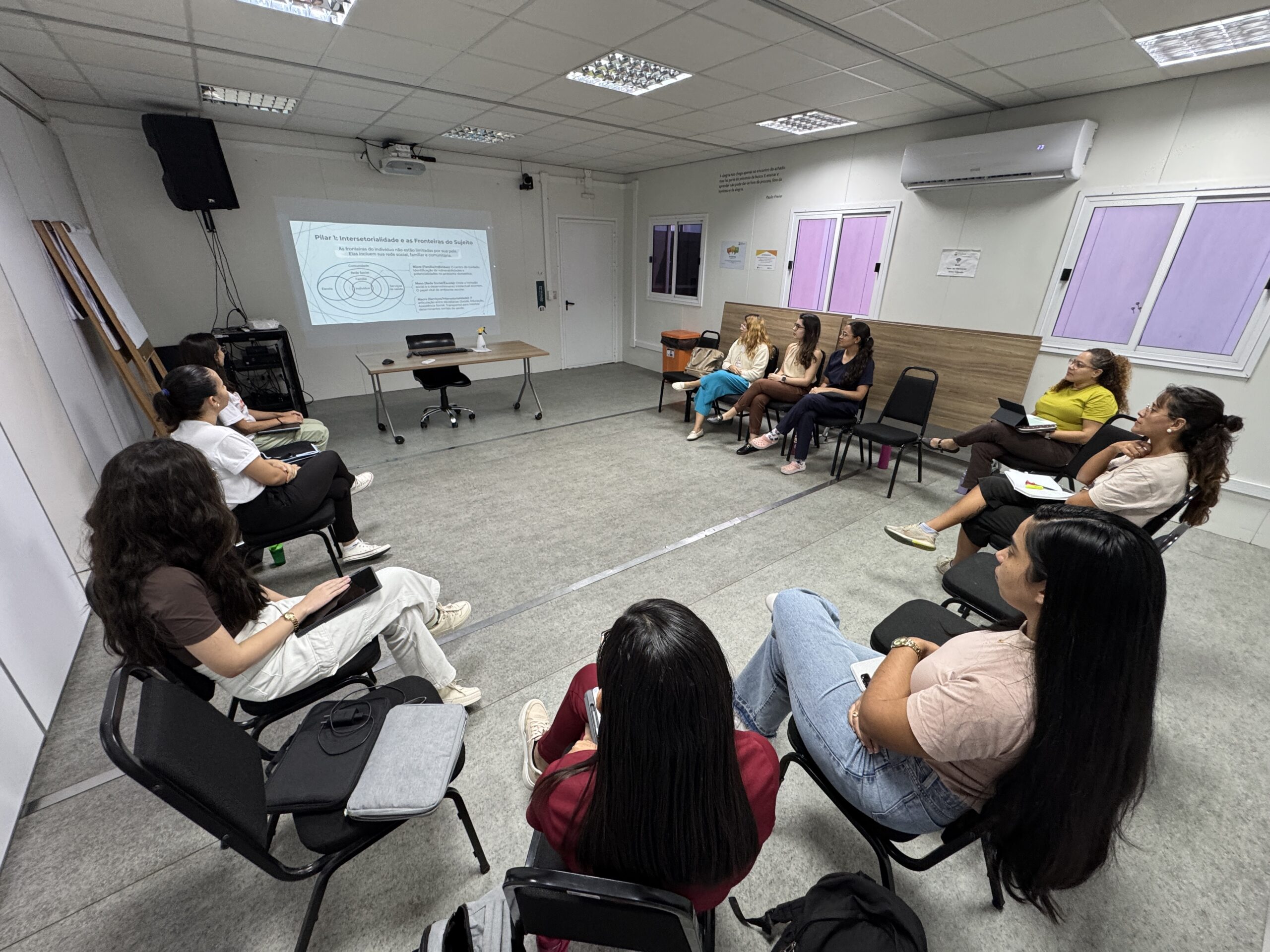
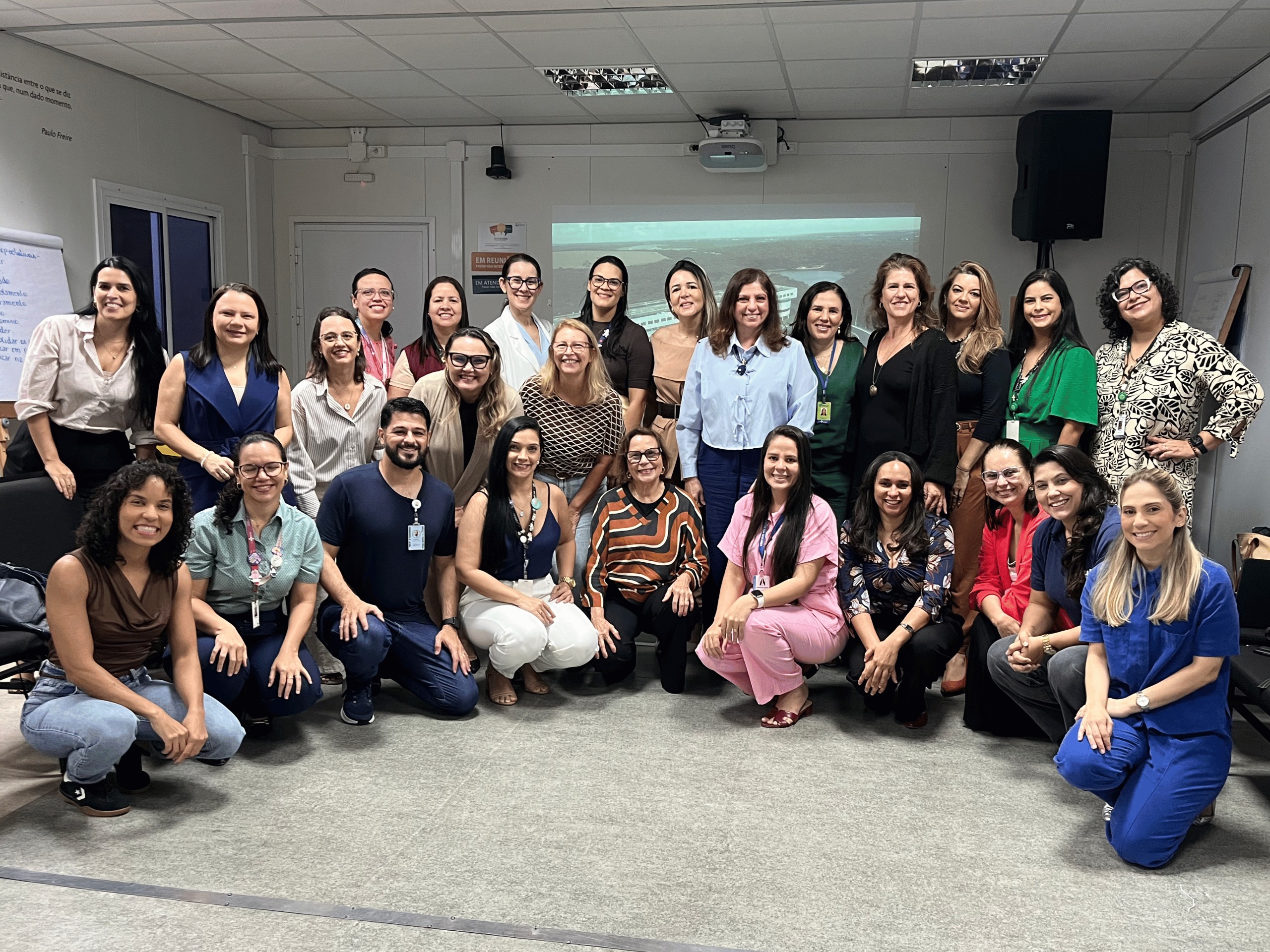
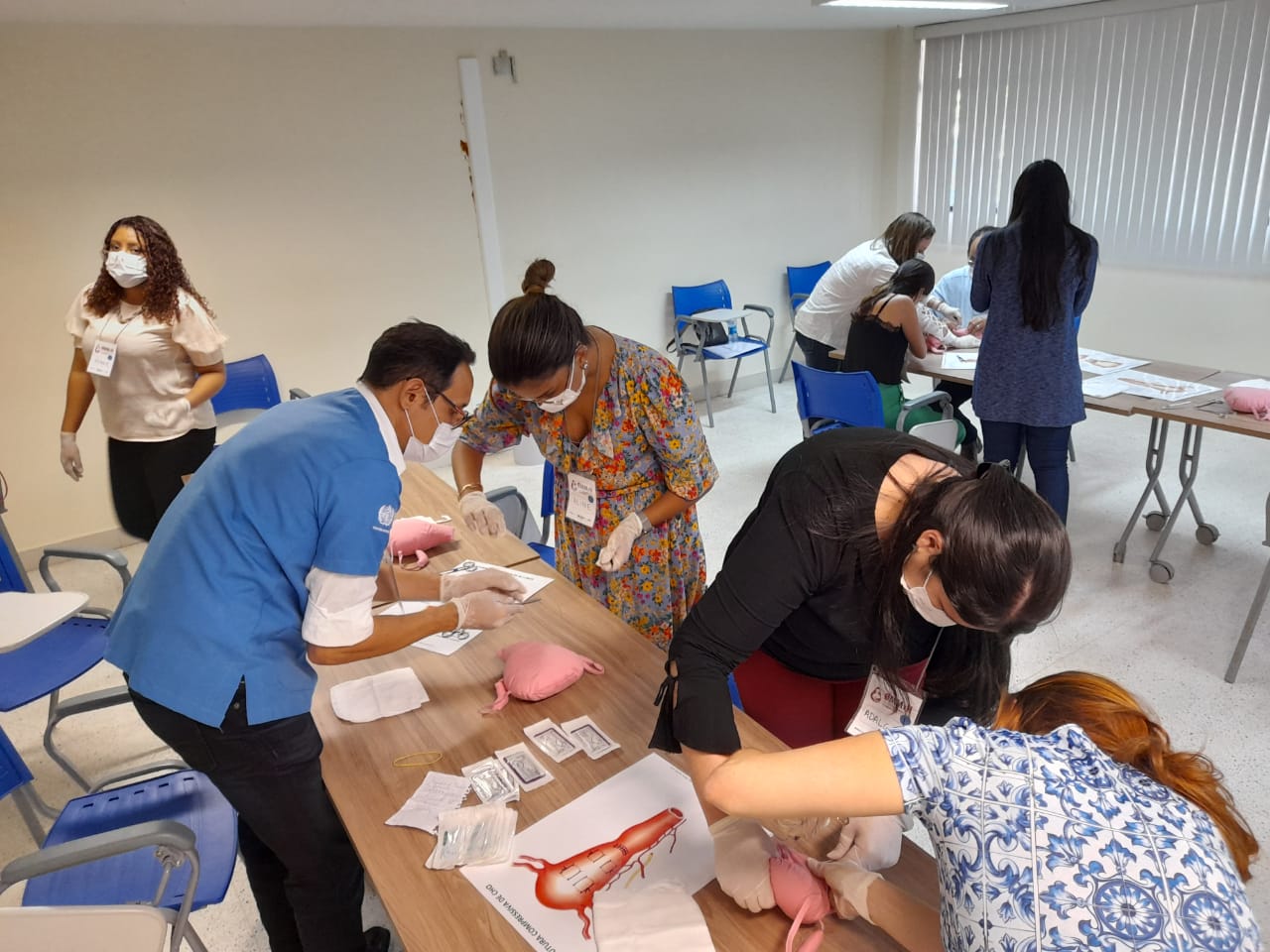
This strategy is part of the State Plan for Reducing Maternal Mortality. Hospital José Pedro Bezerra, known as Hospital Santa Catarina, is the first service in Rio Grande do Norte to have its teams of obstetricians, nurses and anesthesiologists trained using this methodology, which involves the use of realistic simulation. The initiative is being carried out in the state by Sesap, through the Coordination of Care Networks and Lines of Care and the Maternal and Child Health Care Network. In total, at least 150 professionals will be trained in workshops that began in August and will continue until mid-September. The third group was trained on Tuesday (31/08) and two more will be held throughout September.


“Helping Rio Grande do Norte reduce maternal mortality due to hemorrhage by supporting the training of nurses and doctors is an important way to build professional skills committed to preserving women’s lives and health. These workshops allow us to learn a little about the day-to-day practices of professionals in the state and, thus, contribute to the implementation of care protocols to improve the quality of care for hemorrhagic obstetric emergencies,” emphasizes Mônica Iassanã, obstetric nurse and national instructor for the 0MMxH Strategy.


Target audience


The target audience for the training are professionals from the hospital unit chosen for the strategy: Hospital Dr. José Pedro Bezerra (Santa Catarina), in addition to the participation of professionals from the state health network.


The workshop seeks to stimulate the formation of multidisciplinary, qualified and organized teams to deal with obstetric emergencies, in addition to encouraging the adoption of protocols for the prevention, diagnosis and treatment of postpartum hemorrhage, motivating changes in work processes and care flows, discussing the situation of obstetric emergencies and the organization of the maternal-child network.


The training combines theory and practice to establish the proposal for using sequencing in the approach to postpartum hemorrhage, using technologies to deal with hemorrhagic shock – non-pneumatic anti-shock suit (NSA), intrauterine tamponade balloons, hemostatic sutures and code red –, including realistic simulation stations.


Calendar

See below when the next training sessions will be held:


Fourth class

Dates: 14/09 – From 8am to 6pm

          15/09 – From 8am to 1pm

Fifth class

Dates: 16/09 – From 8am to 6pm

          17/09 – From 8am to 1pm

Text:  Ricardo Araújo / Ascom – ISD

Photograph: Provided / Ascom – Sesap/RN

Communication Office
comunicacao@isd.org.br
(84) 99416-1880

Santos Dumont Institute (ISD)

It is a Social Organization linked to the Ministry of Education (MEC) and includes the Edmond and Lily Safra International Institute of Neurosciences and the Anita Garibaldi Health Education and Research Center, both in Macaíba. ISD's mission is to promote education for life, forming citizens through integrated teaching, research and extension actions, in addition to contributing to a fairer and more humane transformation of Brazilian social reality.

Communication Office
comunicacao@isd.org.br
(84) 99416-1880

Share this news

Recommended

More news

ISD participates in training to reduce maternal mortality due to hemorrhage

Reducing maternal mortality remains a global challenge, which is even more difficult to overcome in developing countries, such as Brazil. Over the past year, 1,850 women died as a result of pregnancy, childbirth or the puerperium (postpartum period) in the country. In Rio Grande do Norte, 30 deaths under these circumstances were reported to the Ministry of Health (MS). From January to May of this year, the MS Maternal Mortality Monitoring Panel recorded 14 maternal deaths. In most cases, these deaths could have been avoided. To further reduce the rates, the State Department of Public Health (Sesap/RN), in partnership with the Pan American Health Organization (PAHO/WHO) and the Ministry of Health, are holding a series of training workshops entitled “Strategy for Zero Maternal Deaths from Hemorrhages – 0MMxH”. The Santos Dumont Institute (ISD) is one of the participating institutions.


“The vast majority of these deaths are preventable through good obstetric care practices that have long been recognized by the entire community of health professionals and managers, but have not yet been effectively incorporated into the care provided to women in Rio Grande do Norte and Brazil. Being able to plan and decide when to get pregnant, having the guarantees of prenatal care and a connection to a reference maternity hospital for childbirth, without having to travel far and wide to find a place to give birth, are essential rights that our society still does not guarantee to all women,” emphasizes the director-general of the Santos Dumont Institute, gynecologist and obstetrician Reginaldo Freitas Júnior, national instructor of the PAHO/WHO Zero Maternal Deaths from Hemorrhage Strategy in Brazil.


According to the Oswaldo Cruz Foundation (Fiocruz), in a bulletin released in 2020, “the high rates found constitute a serious public health problem, affecting Brazilian regions unequally, with a higher prevalence among women from social classes with lower income and access to social goods. It is one of the most serious violations of women's human rights, as it is a preventable tragedy in 92% of cases and occurs mainly in developing countries”. The training provided by the PAHO/WHO representation in Brazil aims to promote the collective effort of health managers and professionals to accelerate the reduction of serious morbidity and mortality in Brazil.


This strategy is part of the State Plan for Reducing Maternal Mortality. Hospital José Pedro Bezerra, known as Hospital Santa Catarina, is the first service in Rio Grande do Norte to have its teams of obstetricians, nurses and anesthesiologists trained using this methodology, which involves the use of realistic simulation. The initiative is being carried out in the state by Sesap, through the Coordination of Care Networks and Lines of Care and the Maternal and Child Health Care Network. In total, at least 150 professionals will be trained in workshops that began in August and will continue until mid-September. The third group was trained on Tuesday (31/08) and two more will be held throughout September.


“Helping Rio Grande do Norte reduce maternal mortality due to hemorrhage by supporting the training of nurses and doctors is an important way to build professional skills committed to preserving women’s lives and health. These workshops allow us to learn a little about the day-to-day practices of professionals in the state and, thus, contribute to the implementation of care protocols to improve the quality of care for hemorrhagic obstetric emergencies,” emphasizes Mônica Iassanã, obstetric nurse and national instructor for the 0MMxH Strategy.


Target audience


The target audience for the training are professionals from the hospital unit chosen for the strategy: Hospital Dr. José Pedro Bezerra (Santa Catarina), in addition to the participation of professionals from the state health network.


The workshop seeks to stimulate the formation of multidisciplinary, qualified and organized teams to deal with obstetric emergencies, in addition to encouraging the adoption of protocols for the prevention, diagnosis and treatment of postpartum hemorrhage, motivating changes in work processes and care flows, discussing the situation of obstetric emergencies and the organization of the maternal-child network.


The training combines theory and practice to establish the proposal for using sequencing in the approach to postpartum hemorrhage, using technologies to deal with hemorrhagic shock – non-pneumatic anti-shock suit (NSA), intrauterine tamponade balloons, hemostatic sutures and code red –, including realistic simulation stations.


Calendar

See below when the next training sessions will be held:


Fourth class

Dates: 14/09 – From 8am to 6pm

          15/09 – From 8am to 1pm

Fifth class

Dates: 16/09 – From 8am to 6pm

          17/09 – From 8am to 1pm

Text:  Ricardo Araújo / Ascom – ISD

Photograph: Provided / Ascom – Sesap/RN

Communication Office
comunicacao@isd.org.br
(84) 99416-1880

Santos Dumont Institute (ISD)

It is a Social Organization linked to the Ministry of Education (MEC) and includes the Edmond and Lily Safra International Institute of Neurosciences and the Anita Garibaldi Health Education and Research Center, both in Macaíba. ISD's mission is to promote education for life, forming citizens through integrated teaching, research and extension actions, in addition to contributing to a fairer and more humane transformation of Brazilian social reality.
Communication Office
comunicacao@isd.org.br
(84) 99416-1880

Share this news