


The number of premature births increased by 13,031 WT in Rio Grande do Norte throughout 2020. This rate is higher than the national rate, which is around 111 WT, and places Brazil on the list of 10 countries in the world with the highest number of premature births. According to data from the State Department of Public Health (Sesap/RN) analyzed by the Santos Dumont Institute (ISD), 5,571 premature live births were recorded in 2019 compared to 5,673 the following year. The World Health Organization (WHO) considers a baby premature when it is born before the 37th week of pregnancy. On November 17, actions in at least 50 countries draw attention to World Prematurity Day.
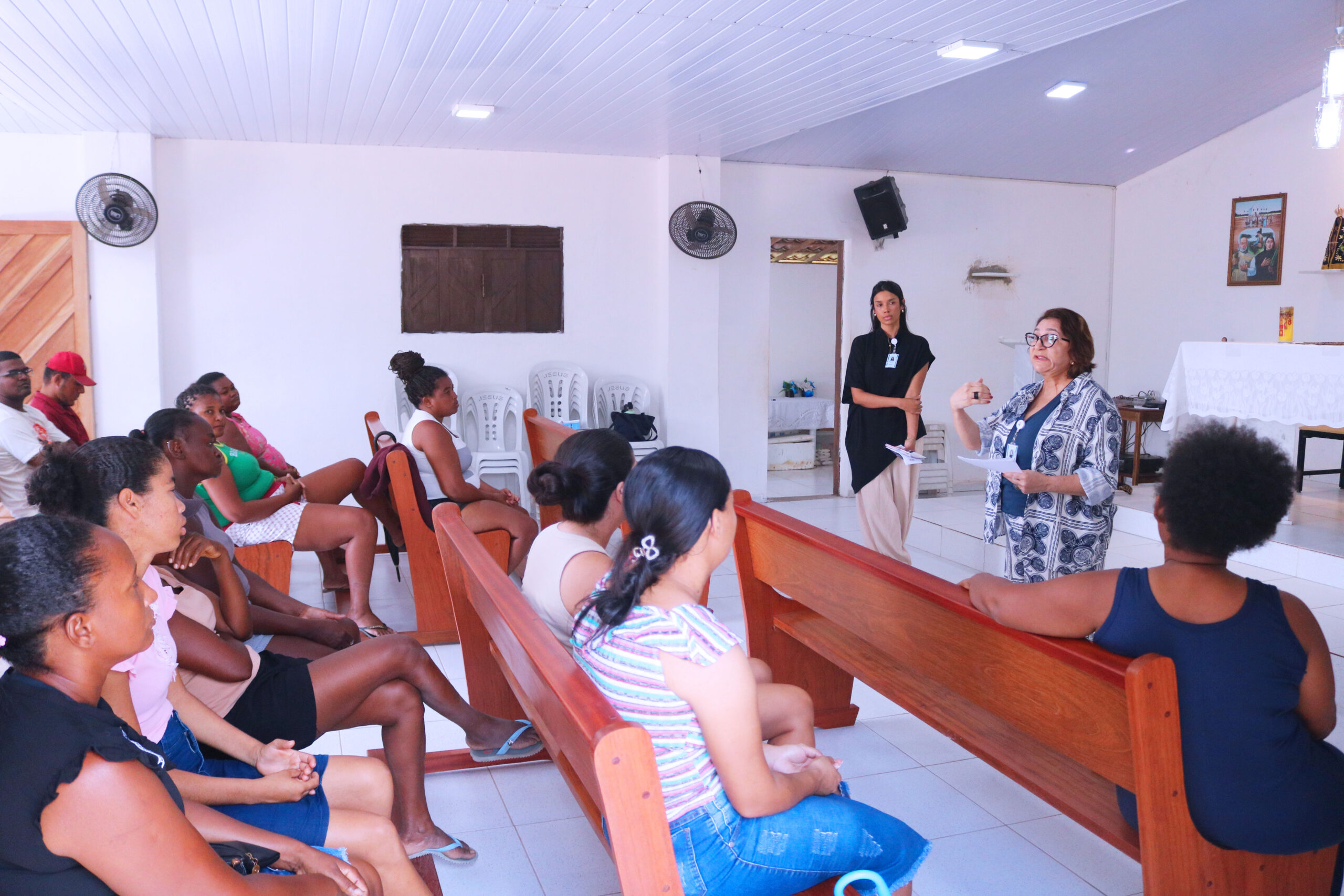
The Anita Garibaldi Health Education and Research Center (Anita), one of the ISD units in Macaíba, is a reference in maternal and child health, providing care from a multidisciplinary team – gynecologist and obstetrician, pediatrician, neurologist, physiotherapist, among other specialties. It was there that Renata Regia Costa, 18 years old, mother of Kaleb Noan Moura da Silva, six months old, received her prenatal care. She is a resident of the quilombola community of Capoeiras, which belongs to the municipality of Macaíba.
In the 32nd week of pregnancy, she contracted COVID-19 and had a big scare. “My pregnancy was very calm. I never felt anything unusual during the period. The surprise came when the amniotic fluid came out and then the contractions. The fluid started coming out in the morning and, at night, the pain that culminated in the cesarean section”, recalls the first-time mother. She started having COVID-19 symptoms at least a week before the delivery, which was performed in a rush. The medical team that treated her at the Dr. Alfredo Mesquita Filho Regional Hospital, in Macaíba, believes that the disease caused the contractions outside the conventional period.
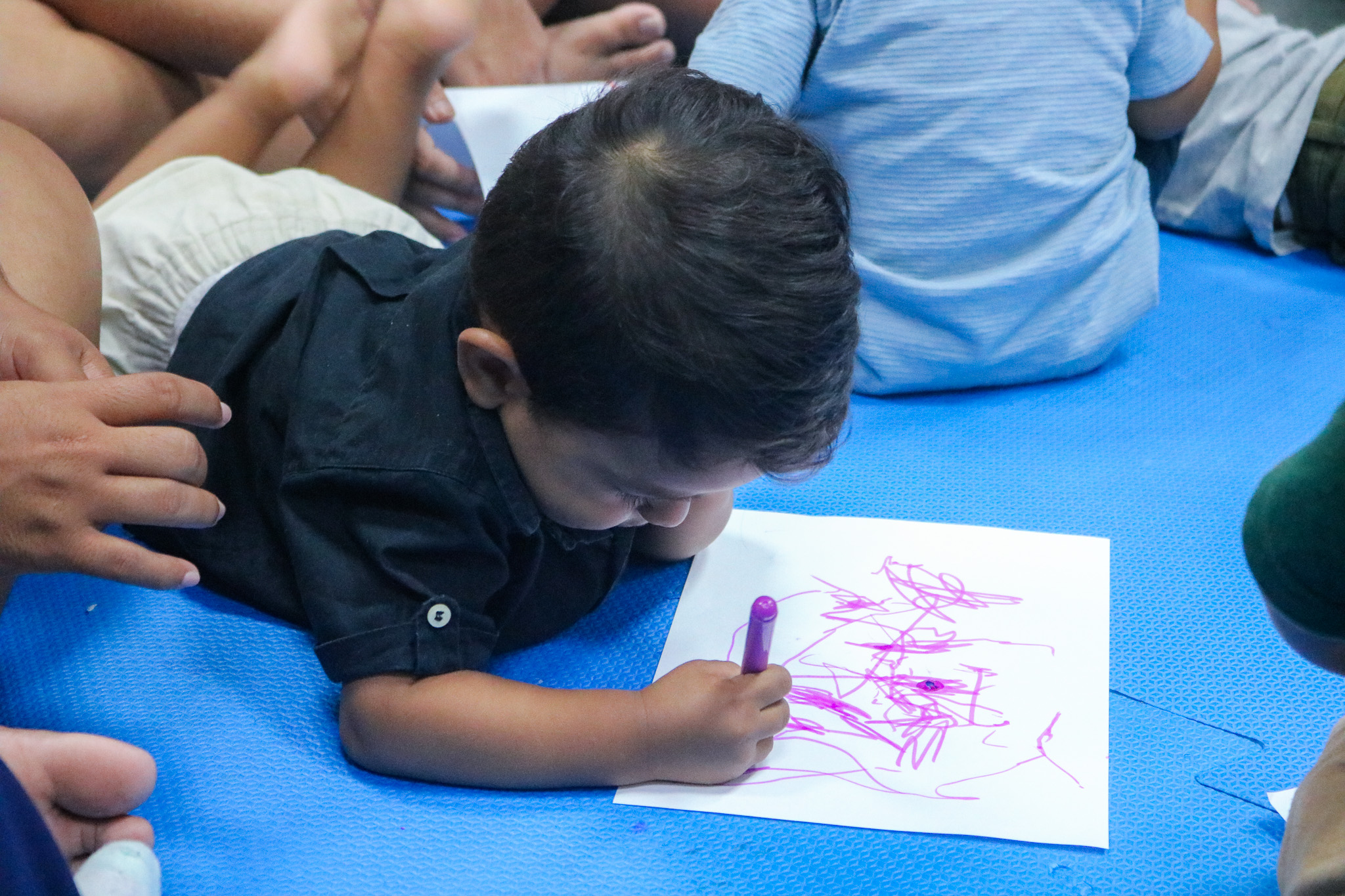
“I was really scared. He didn’t cry when he was born and he was purple,” says his mother. Kaleb was born weighing 2.2 kg and measuring 39 centimeters. “He fit in the palm of my hand,” recalls Renata Régia. Today, just over six months later, mother and son are more connected than ever and healthier. Kaleb is receiving pediatric monitoring at Anita and his development is considered satisfactory for a child born prematurely. Kaleb was supposed to be born in June, but his arrival into the world occurred almost two months early, in April.
The obstetrician-gynecologist medical preceptor at ISD, Sandrégenes Maia, points out that the number of premature births in Rio Grande do Norte may have increased due to inadequate prenatal care, combined with the imposition of social distancing due to the coronavirus.
“With the pandemic, pregnant women were afraid to leave their homes. Prenatal care ended up being even more affected. In addition, inadequate prenatal care and the lack of complete teams of professionals in Basic Health Units may have contributed to this increase. We warn that prenatal care is the most important moment of pregnancy, as it is when we can diagnose maternal and fetal changes that often require closer monitoring, some interventionist measures and timely treatment to avoid complications, such as premature birth and its consequences, among them infant mortality, the main cause of which in Brazil is prematurity,” warns the specialist.
Among the consequences of prematurity are delayed development, inadequate weight gain, sedentary lifestyle, obesity, and anemia.
ascending curve
Data from Sesap/RN indicate that the percentage of premature babies born alive in Rio Grande do Norte has been rising since 2017. In the state, the 2nd Health Region, which includes Mossoró and 13 other surrounding cities, is responsible, in percentage terms, for the largest volume of babies born before 37 weeks of gestation. Another aspect of the survey, from 2016 to 2021 (considering the period from January to October), there were 5,314 premature live births in the region. From January to October of this year, throughout the state of Rio Grande do Norte, 30,531 children were born, 13,661 of whom were prematurely born 3T.
The technical team at Sesap/RN draws attention to the risks involved in the health of premature babies. They are “more susceptible to acquiring infections, in addition to presenting complications resulting from prematurity, with significant health risks, which contributes to a growing increase in infant mortality in children under 5 years of age”. In the state, due to the COVID-19 pandemic and the imposition of social isolation measures since March 2020, “essential health services have been affected, compromising the quality of care provided to newborns, especially premature and low-weight babies, contributing to the separation of mothers and babies and the occurrence of preventable deaths”, points out the state health department.
One of the most effective ways to mitigate the occurrence of greater harm to premature babies is to keep them close to their mothers most of the time, when clinical conditions allow. In Rio Grande do Norte, the Maternity Ward of the Dr. José Pedro Bezerra Hospital in Natal adopted the Kangaroo Method, an initiative that integrates Humanized Care, reduces the time spent separated between mother and newborn, and increases the emotional bond between mother, baby, and family. In addition, the method allows for adequate thermal control, contributes to reducing the risk of hospital infection, reduces stress and pain in newborns, increases breastfeeding rates, improves the quality of the newborn's neurobehavioral and psychoaffective development, among other important benefits.
“The Kangaroo Method is among the best interventions to improve the chances of survival of a premature or low birth weight baby, especially in low-income countries. The Neonatology Unit at Hospital José Pedro Bezerra, following all safety protocols and combating the Covid-19 pandemic, continues to promote zero separation, keeping mother and premature baby together, offering the best in care for high-risk pregnant women and newborns,” highlights Dr. Tereza Ribeiro, pediatric neonatologist and Coordinator of the Kangaroo Method in RN.
Date November 17 was chosen as World Prematurity Day after the deaths of premature triplets in December 2006, the children of the founder of the European Foundation for the Care of the Newborn (EFCNI). At the same time, the March of Dimes, an American charity for premature babies and newborns, had a similar idea and launched a Prematurity Awareness Day on November 17 in the United States.
And why the color purple? Purple symbolizes sensitivity and individuality, characteristics that are very peculiar to premature babies. Purple also means transmutation, that is, change; the art of transforming something into another form or substance, transformation.
Worldwide, 1 in 10 babies is born prematurely. Every year, around 15 million children are born prematurely (as of 2012). And this number continues to rise, despite the fact that the total number of births is gradually decreasing. This means that there is a significant increase in vulnerable newborns worldwide each year, and the number of so-called “ex-preemies” is increasing.
As these children grow, they are at greater risk for learning and behavioral problems, motor disabilities, chronic respiratory infections, and cardiovascular disease or diabetes, compared with full-term babies.
Despite the high number of premature births and the risks involved, the majority of the population is not aware that it is often possible to prevent premature birth and its consequences for the baby's health.
Source: Brazilian Association of Parents, Family Members, Friends and Caregivers of Premature Babies

Text: Ricardo Araújo / Ascom – ISD
Photograph: Ricardo Araújo / Ascom – ISD
Communication Office
comunicacao@isd.org.br
(84) 99416-1880
Santos Dumont Institute (ISD)
It is a Social Organization linked to the Ministry of Education (MEC) and includes the Edmond and Lily Safra International Institute of Neurosciences and the Anita Garibaldi Health Education and Research Center, both in Macaíba. ISD's mission is to promote education for life, forming citizens through integrated teaching, research and extension actions, in addition to contributing to a fairer and more humane transformation of Brazilian social reality.