
ISD promotes ongoing education on quality in prenatal care

Posted in August 15, 2022

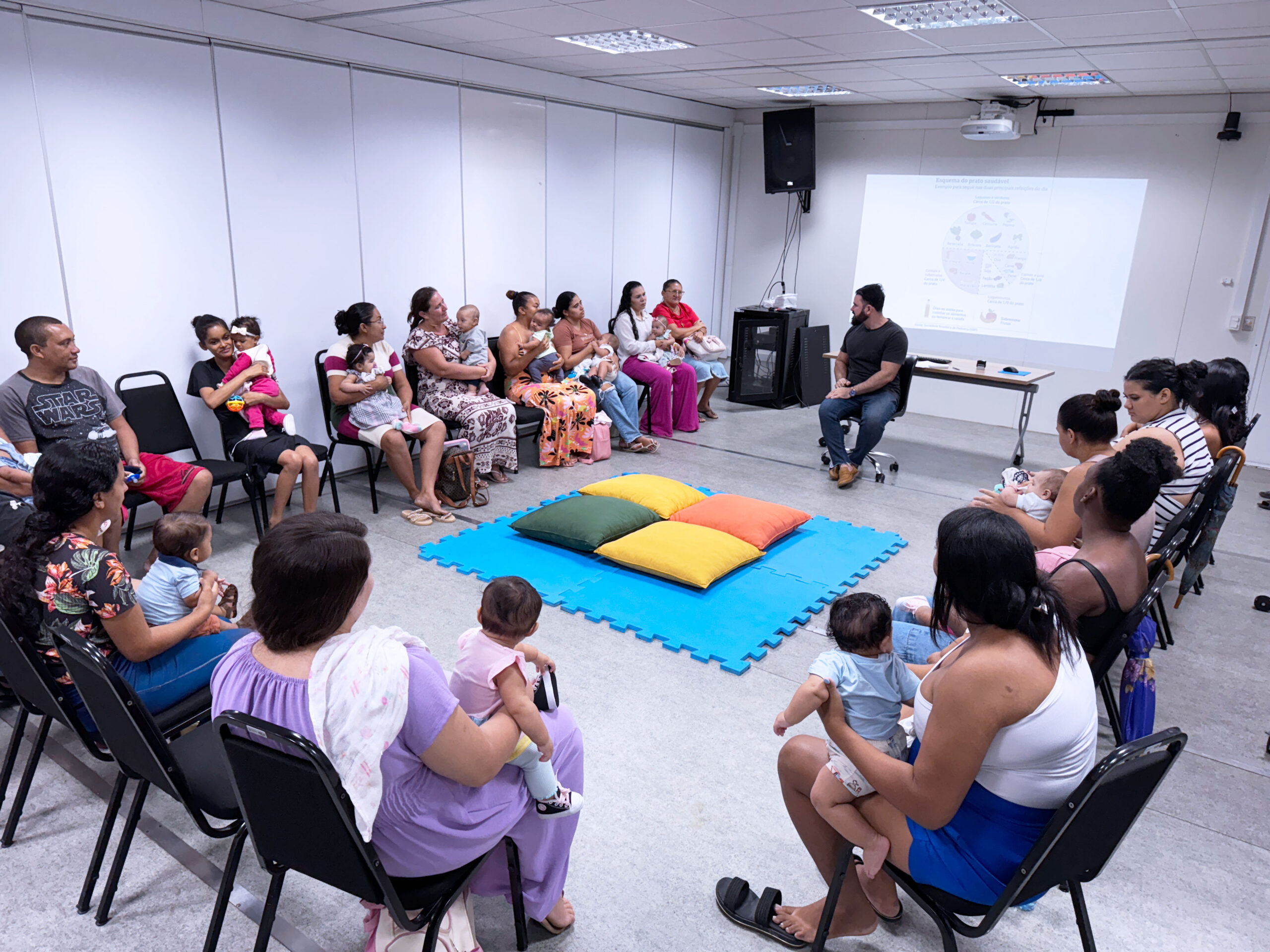
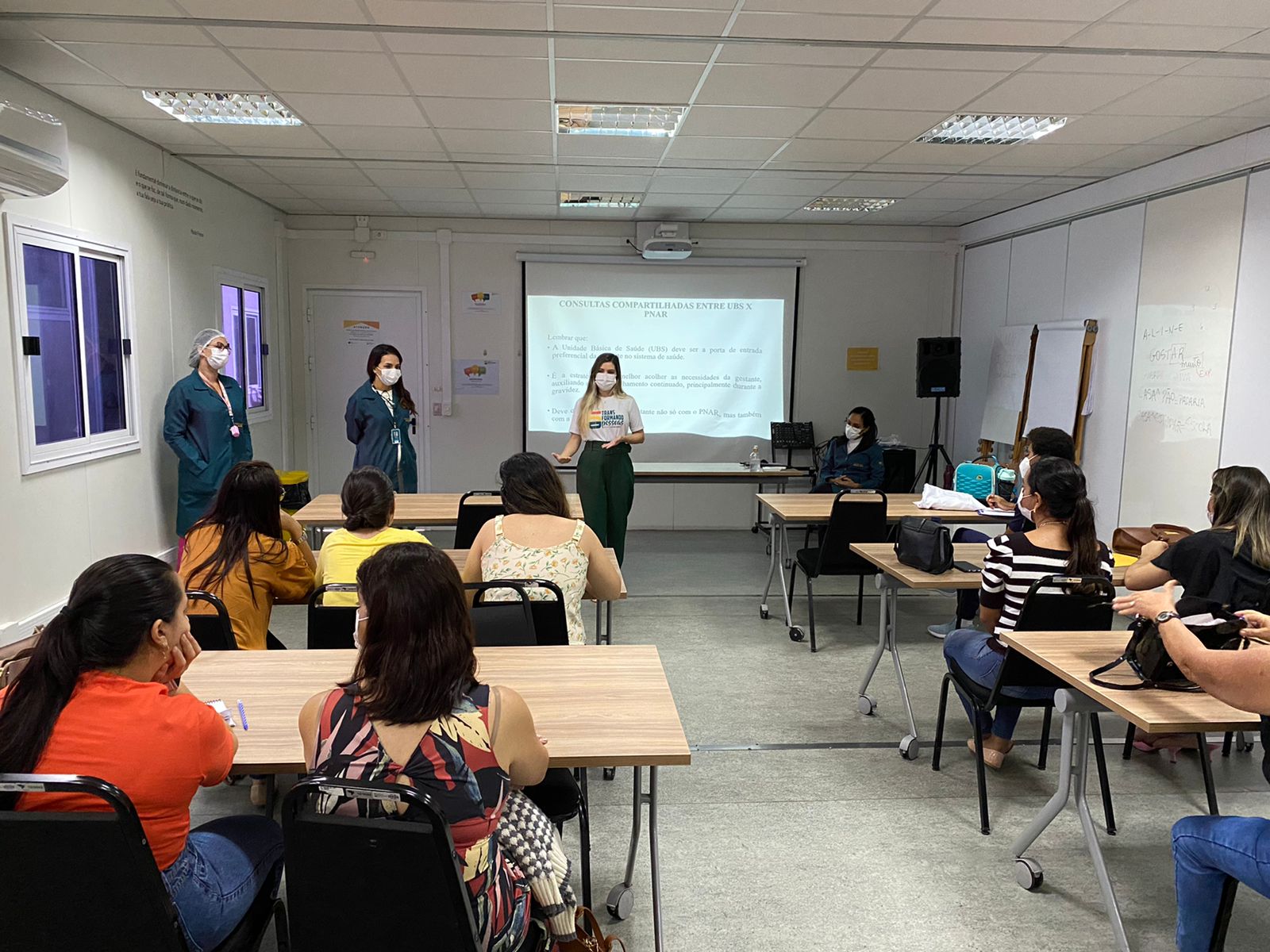
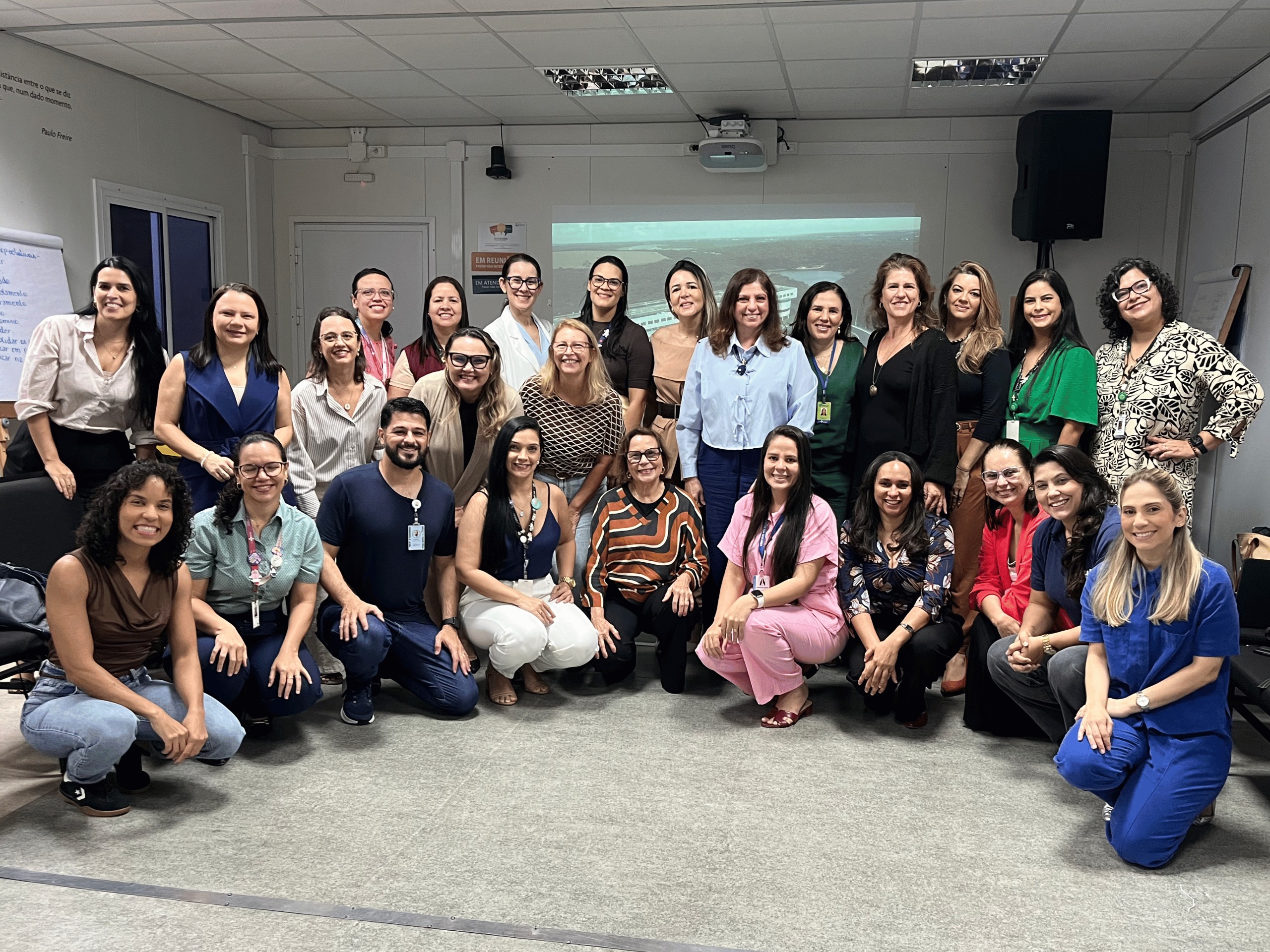
From prenatal to postpartum, the process of assisting pregnant women is marked by the need for constant multidisciplinary monitoring. To contribute to the work of primary health care professionals in Macaíba in this support, the Santos Dumont Institute (ISD) promoted, on Thursday (11/08), a continuing education action for nurses of the 24 Family Health Strategies (ESF) of the municipio, working on the theme of the quality of prenatal care.


During the action, ISD preceptors, where one of the lines of care involves maternal and child health care, and nurses from the basic health units in Macaíba shared experiences regarding the care of pregnant women, taking into account the quality indicators of care in each location. 


According to nurse preceptor Monise Pontes, the exchange of experiences allows professionals to join forces to promote the strategies needed to ensure the best possible care for pregnant women. “What we seek is to join forces and strengthen ties, providing support and promoting the strategies needed to ensure the patient receives good care. Together, we improve the quality of health and care for pregnant women who are followed up by the network,” she explains.

In addition to Monise, the following participated in the action: nurse preceptor Maria Idayani, social worker preceptor Renata Rocha and obstetrician preceptor Larissa Rodrigues. The work on these multiple fronts aimed to reinforce issues that reach primary care nurses and are not necessarily found in just one area of knowledge. Therefore, topics such as labor rights of pregnant women, demystification about exams and ways of attracting pregnant women early in pregnancy for complete prenatal care were discussed. 


For Larissa Rodrigues, cooperation between professionals is a fundamental factor in improving care and improving health indicators. “In the obstetrics area, the emphasis would be on ensuring that pregnant women are monitored by us and also by the basic unit, so that this work can be done together and no specific needs of theirs are overlooked,” emphasizes the preceptor. 


Initially, the discussion was based on sharing experiences and strategies to ensure quality care. Later, the participants devised action plans together to implement strategies, observing common difficulties and possible solutions in the search for more uniform care. 


Network strengthening

The nurse from the ESF in Cana-Brava, Rural Area of Macaíba, Andressa Guedes, and the nurse at the Loteamento Esperança unit, Joice Leal, work in geographically different locations, but noticed, during their participation in the permanent education action, similar realities. 


“Her reality is the same. We have a lot of difficulty, for example, in relation to collecting preventive blood samples, so today’s situation will be a guide for when she has a future appointment,” says Andressa.


Integration and communication regarding procedures carried out within the primary care network was something highlighted positively by participants, as it allows users of health services to establish greater trust with professionals. 


“Most pregnant women are monitored at the basic unit and at the ISD. It is interesting that we always speak the same language, with the same intention, which is to improve the quality of care and assistance”, adds Joice. 

Text:  Naomi Lamarck / Ascom – ISD

Photograph: Naomi Lamarck / Ascom – ISD

Communication Office
comunicacao@isd.org.br
(84) 99416-1880

Santos Dumont Institute (ISD)

It is a Social Organization linked to the Ministry of Education (MEC) and includes the Edmond and Lily Safra International Institute of Neurosciences and the Anita Garibaldi Health Education and Research Center, both in Macaíba. ISD's mission is to promote education for life, forming citizens through integrated teaching, research and extension actions, in addition to contributing to a fairer and more humane transformation of Brazilian social reality.
Communication Office
comunicacao@isd.org.br
(84) 99416-1880

Share this news

Recommended

More news

ISD promotes ongoing education on quality in prenatal care

From prenatal to postpartum, the process of assisting pregnant women is marked by the need for constant multidisciplinary monitoring. To contribute to the work of primary health care professionals in Macaíba in this support, the Santos Dumont Institute (ISD) promoted, on Thursday (11/08), a continuing education action for nurses of the 24 Family Health Strategies (ESF) of the municipio, working on the theme of the quality of prenatal care.


During the action, ISD preceptors, where one of the lines of care involves maternal and child health care, and nurses from the basic health units in Macaíba shared experiences regarding the care of pregnant women, taking into account the quality indicators of care in each location. 


According to nurse preceptor Monise Pontes, the exchange of experiences allows professionals to join forces to promote the strategies needed to ensure the best possible care for pregnant women. “What we seek is to join forces and strengthen ties, providing support and promoting the strategies needed to ensure the patient receives good care. Together, we improve the quality of health and care for pregnant women who are followed up by the network,” she explains.

In addition to Monise, the following participated in the action: nurse preceptor Maria Idayani, social worker preceptor Renata Rocha and obstetrician preceptor Larissa Rodrigues. The work on these multiple fronts aimed to reinforce issues that reach primary care nurses and are not necessarily found in just one area of knowledge. Therefore, topics such as labor rights of pregnant women, demystification about exams and ways of attracting pregnant women early in pregnancy for complete prenatal care were discussed. 


For Larissa Rodrigues, cooperation between professionals is a fundamental factor in improving care and improving health indicators. “In the obstetrics area, the emphasis would be on ensuring that pregnant women are monitored by us and also by the basic unit, so that this work can be done together and no specific needs of theirs are overlooked,” emphasizes the preceptor. 


Initially, the discussion was based on sharing experiences and strategies to ensure quality care. Later, the participants devised action plans together to implement strategies, observing common difficulties and possible solutions in the search for more uniform care. 


Network strengthening

The nurse from the ESF in Cana-Brava, Rural Area of Macaíba, Andressa Guedes, and the nurse at the Loteamento Esperança unit, Joice Leal, work in geographically different locations, but noticed, during their participation in the permanent education action, similar realities. 


“Her reality is the same. We have a lot of difficulty, for example, in relation to collecting preventive blood samples, so today’s situation will be a guide for when she has a future appointment,” says Andressa.


Integration and communication regarding procedures carried out within the primary care network was something highlighted positively by participants, as it allows users of health services to establish greater trust with professionals. 


“Most pregnant women are monitored at the basic unit and at the ISD. It is interesting that we always speak the same language, with the same intention, which is to improve the quality of care and assistance”, adds Joice. 

Text:  Naomi Lamarck / Ascom – ISD

Photograph: Naomi Lamarck / Ascom – ISD

Communication Office
comunicacao@isd.org.br
(84) 99416-1880

Santos Dumont Institute (ISD)

It is a Social Organization linked to the Ministry of Education (MEC) and includes the Edmond and Lily Safra International Institute of Neurosciences and the Anita Garibaldi Health Education and Research Center, both in Macaíba. ISD's mission is to promote education for life, forming citizens through integrated teaching, research and extension actions, in addition to contributing to a fairer and more humane transformation of Brazilian social reality.
Communication Office
comunicacao@isd.org.br
(84) 99416-1880

Share this news