

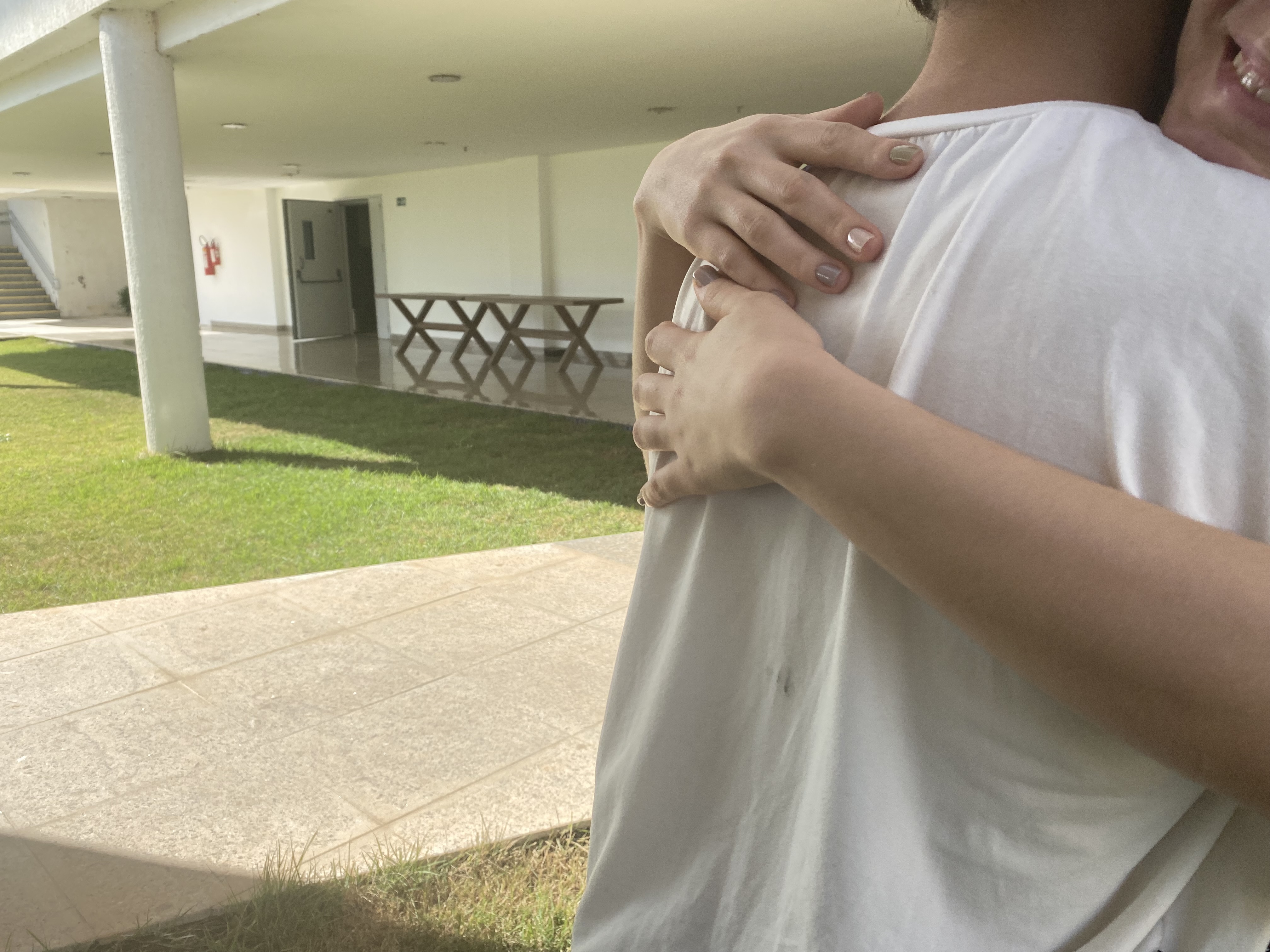
Over the past two years, a considerable increase in cases of depression and anxiety has been observed in the country and around the world. The World Health Organization (WHO) points out that, during the first year of the pandemic, global rates increased by more than 25%. In Brazil, according to the Vigitel 2021 survey, from the Ministry of Health, 11.31% of Brazilians received a medical diagnosis of depression between 2021 and 2022. Two important groups can make a difference in combating mental illness: family and health professionals.
According to experts, the effective participation of family and friends is essential. Paying attention to certain signs and being open to constant dialogue strengthens what is called care in a support network, a key element in identifying and preventing situations that may affect mental health.
According to ISD's psychologist preceptor, Marta Alves, a support network is necessary not only in cases of mental disorders. Daily suffering and mental exhaustion, caused by exhausting routines and long working hours, are also characteristics of contemporary life that can evolve into more serious conditions.
Family members, however, may also be ill, which can make the dialogue and support processes more challenging. “Today, our relationships are affected by routine, work hours, and excessive use of technology. Sometimes it is difficult to have quality time within the family environment. Sometimes, you are a support network for someone while that person is also a support network for you,” explains Marta.
In scenarios of precarious family environments, the importance of public services operating in this context becomes even more evident. Psychological care provided by the SUS, for example, is done through the Psychosocial Care Centers (CAPS), care units that aim to support people with intense psychological suffering. Free care provided by the Applied Psychology Service of the Federal University of Rio Grande do Norte (UFRN) and, similarly, by private universities in the state, can also bring the population closer to the necessary mental health care. However, family support linked to professional help continues to be a necessary tool.
Variables and precautions
“There doesn’t necessarily need to be a symptom structured as a disorder for us to feel the need to look at human suffering. We need to take the various forms of mental illness seriously, both in public health and in society as a whole,” emphasizes the preceptor. When we talk about prevention, the focus is on providing a better quality of life in our daily lives. It is important to think as a collective, considering affection, interpersonal relationships as protective factors and the limitations of each social group.
The causes of mental illness are varied. Therefore, we need to diversify our view of these disorders in our daily lives. According to Marta, some habits can help: taking care of your diet, exercising, and setting aside quality time with people close to you are examples. “When we talk about prevention methods, it is never just one. We must look at multiple aspects of our routine. It is important to be able to have moments that generate well-being, to do activities that we enjoy doing,” she adds.
If you know someone who needs help, look for the nearest CAPS or contact the Center for the Valorization of Life (CVV) by calling 188 or website.
Text: Naomi Lamarck/ Ascom – ISD
Photograph: Leando Vieira/ Ascom – ISD
Communication Office
comunicacao@isd.org.br
(84) 99416-1880
Santos Dumont Institute (ISD)
It is a Social Organization linked to the Ministry of Education (MEC) and includes the Edmond and Lily Safra International Institute of Neurosciences and the Anita Garibaldi Health Education and Research Center, both in Macaíba. ISD's mission is to promote education for life, forming citizens through integrated teaching, research and extension actions, in addition to contributing to a fairer and more humane transformation of Brazilian social reality.