


On November 25, 1999, sisters Patria, Minerva and Maria Teresa Mirabal were murdered while opposing the dictatorship of Rafael Trujillo in the Dominican Republic. Symbols of popular resistance and the fight for women's rights, the date of the Mirabal sisters' deaths was chosen by the United Nations (UN) to mark the International Day for the Elimination of Violence against Women, established in 1999.
Around the world, the date marks the beginning of the 16 Days of Activism to End Violence against Women campaign. The end of the campaign, on December 10, coincides with the Proclamation of the Universal Declaration of Human Rights. In Rio Grande do Norte, according to data from the Brazilian Public Security Yearbook, violence against women is still a reality in its many forms.
According to the most recent report, which analyzed data from 2022, RN recorded an increase of 37% in cases of domestic violence. The number of emergency protective measures granted in the state also increased by 30% during the period analyzed.
In absolute numbers, there were 1,988 cases of domestic violence registered in 2021, and 2,740 in 2022, according to the Yearbook, an average of seven cases of violence registered per day in the state.
According to the social worker preceptor at the Santos Dumont Institute (ISD), Alexandra Lima, RN is experiencing a positive moment of strengthening the care network for women in situations of violence, with the creation of new specialized police stations, the opening of a new shelter and the forecast of new investments to expand the support and protection network.
For the social worker, this investment must be accompanied by professional qualifications for the network and the appreciation of the actors who are part of the services that provide care to women in situations of violence. “For those who deal with this demand on a daily basis, it is essential to improve their practices and have access to the necessary resources to provide the best quality care,” she says. The social worker’s speech echoes the theme of the campaign chosen by the UN in 2023, which is “Investing to prevent violence against women and girls.”
Protective measures
For Alexandra Lima, the increase in the number of emergency protective measures granted represents two sides of the problem of violence against women: greater access to justice, seen as positive, and, on the other hand, the persistence of violence, which continues to be a reality.
“Fortunately, legislation has kept pace with this growth and has changed to ensure that protection and combating violence are effective and have the support of victims and those who are indirectly affected by domestic and family violence,” he highlights.
Qualifying the care network
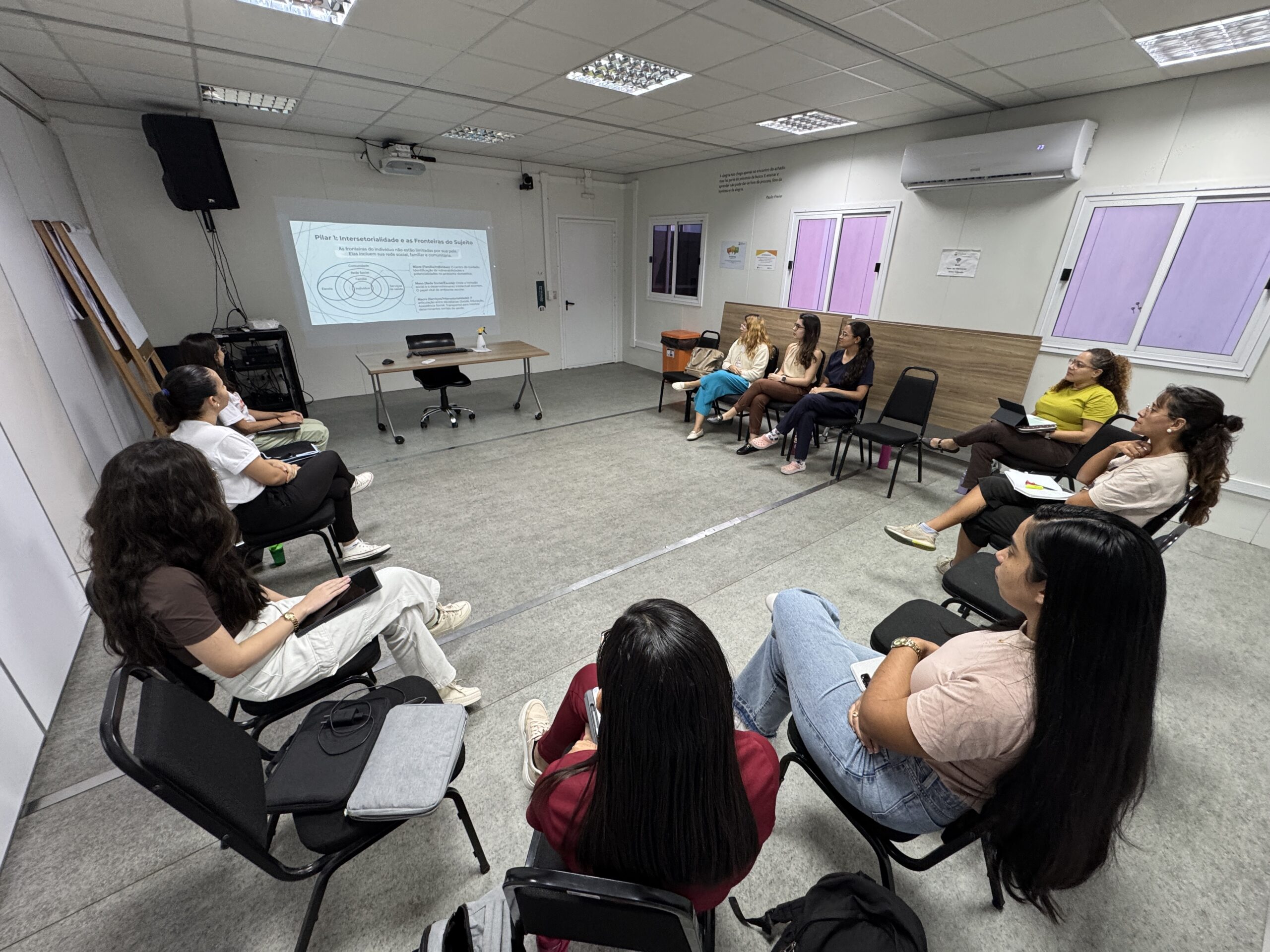
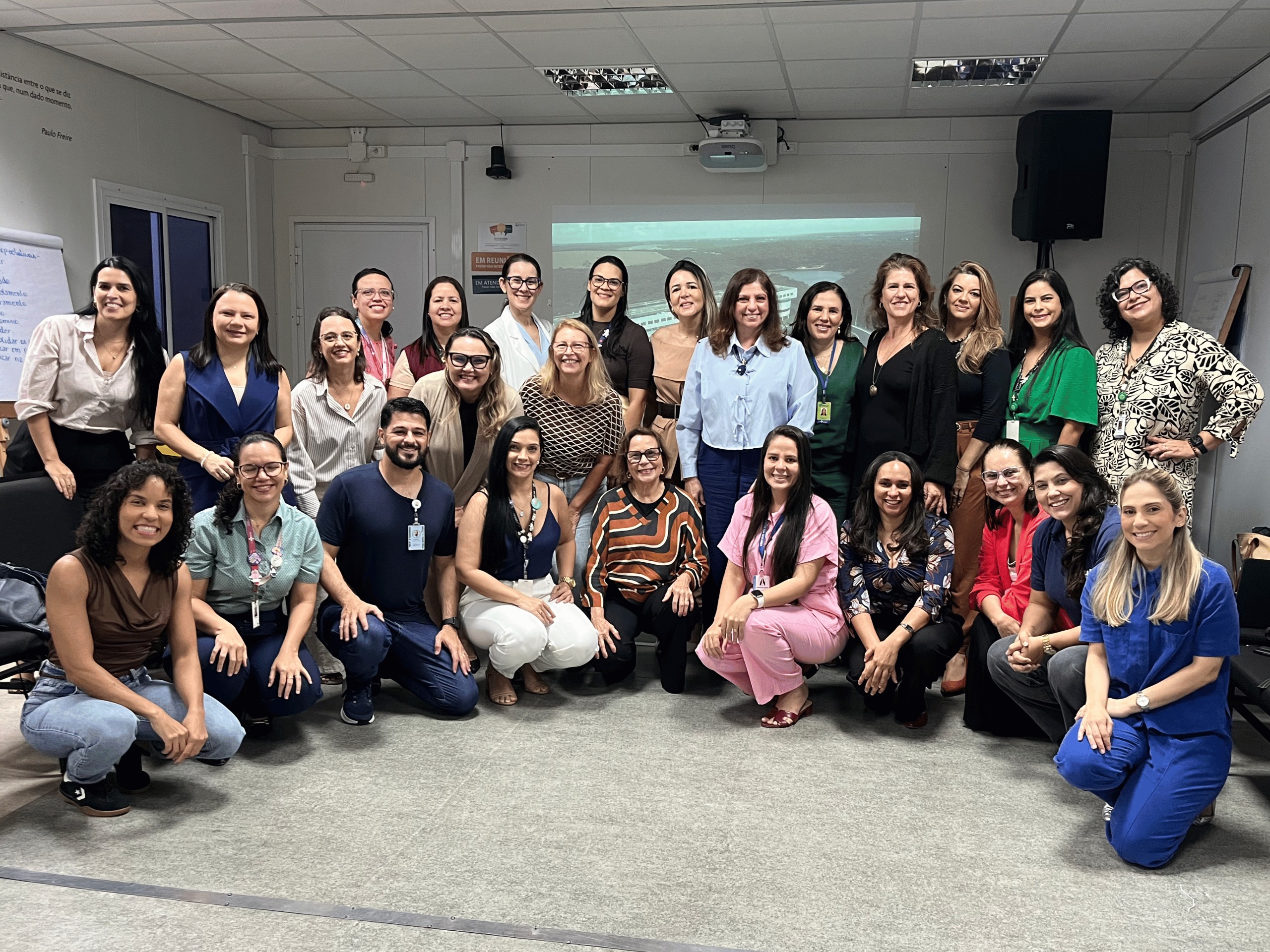
Between October 2022 and April 2023, the ISD and the Rio Grande do Norte State Department of Public Health (Sesap/RN) promoted a permanent education action with the objective of qualifying the network that supports women in situations of violence. Entitled “Comprehensive care for people in situations of sexual violence in Rio Grande do Norte”, the action brought together around 50 professionals from 13 health services in the state network, from areas such as social work, psychology, nursing, medicine and management.
Complaint
The Women's Support Center – Dial 180 is available to listen to and provide qualified support to women in situations of violence. The service registers and forwards reports of violence against women to the appropriate agencies, as well as complaints, suggestions or compliments about the functioning of the support services. It is also possible to make the notification directly to the health service. In emergency situations, it is possible to call 190.
ABOUT ISD
The Santos Dumont Institute is a Social Organization linked to the Ministry of Education (MEC) and includes the Edmond and Lily Safra International Neuroscience Institute and the Anita Garibaldi Health Education and Research Center, both in Macaíba. ISD's mission is to promote education for life, forming citizens through integrated teaching, research and extension actions, in addition to contributing to a fairer and more humane transformation of Brazilian social reality.