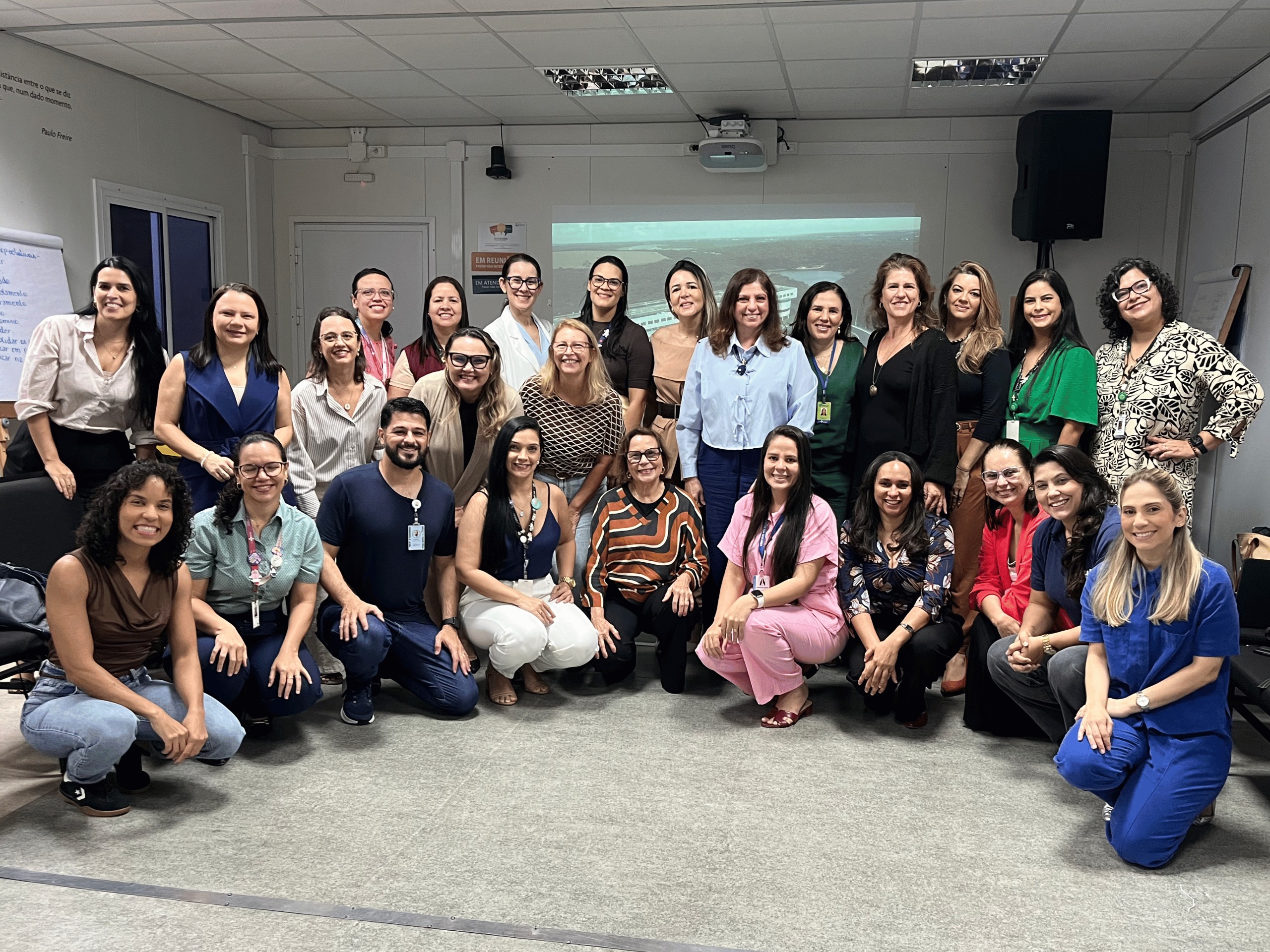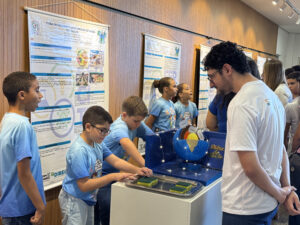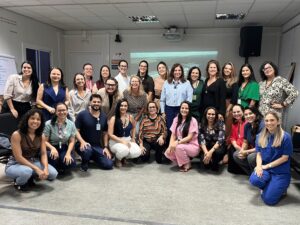



To consolidate technical, scientific, and human knowledge about Paralympic sport. This was the main objective of the Paralympic Education Seminar, a course promoted by the Brazilian Paralympic Committee (CPB), in partnership with the Santos Dumont Institute (ISD). The seminar, held on October 30th and 31st, targeted professionals and students in the fields of health and physical education, athletes, and their families.
The theoretical and practical classes took place at the Santos Dumont Institute (ISD) in Macaíba, and at the Federal University of Rio Grande do Norte (UFRN) in Natal. At the first meeting, at ISD, the topic was Paralympic boccia. At UFRN, the discussion focused on Paralympic archery.
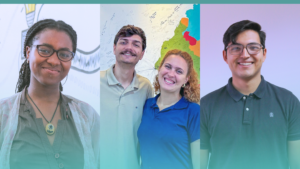
The first training session included the participation of Davi Farias Costa, coordinator of Paralympic Education at CPB; Tibério Maribondo, coordinator of the Paralympic Reference Centers of RN; Matheus Dantas, researcher specializing in Paralympic sports; and Fabíola Campos, multi-professional preceptor at ISD.
According to physiotherapist Fabíola Campos, who also coordinates the ISD/Macaíba Paralympic Reference Center, one of the missions of initiatives like this is to disseminate the Paralympic Movement, emphasizing the importance of sport for people with disabilities.
“This year, our Seminar focuses on bocce, a sport that is easily adapted, doesn't require many resources, and can be a sport that promotes the inclusion of young people in physical education classes. We are strengthening this movement with the hope that participants will become multipliers of knowledge and that more people with disabilities will learn about the sport,” he emphasizes.
Matheus Dantas, a researcher who studies the implementation and dissemination of Paralympic sports, emphasizes that, in the context of Rio Grande do Norte, training initiatives such as those in the Seminar play a strategic role in decentralizing knowledge and inspiring municipalities throughout the state to develop their own inclusive sports programs.
"It is necessary to continuously train teachers and coaches, ensuring that school physical education is, in fact, a space for inclusion. Furthermore, it is crucial to integrate universities and research centers into daily practice, transforming scientific data and evidence into public policies and concrete actions, and expanding public and private investment in sports," the researcher believes.
About ISD
The Santos Dumont Institute is a Social Organization linked to the Ministry of Education (MEC) and includes the Edmond and Lily Safra International Neuroscience Institute and the Anita Garibaldi Health Education and Research Center, both in Macaíba. ISD's mission is to promote education for life, forming citizens through integrated teaching, research and extension actions, in addition to contributing to a fairer and more humane transformation of Brazilian social reality.