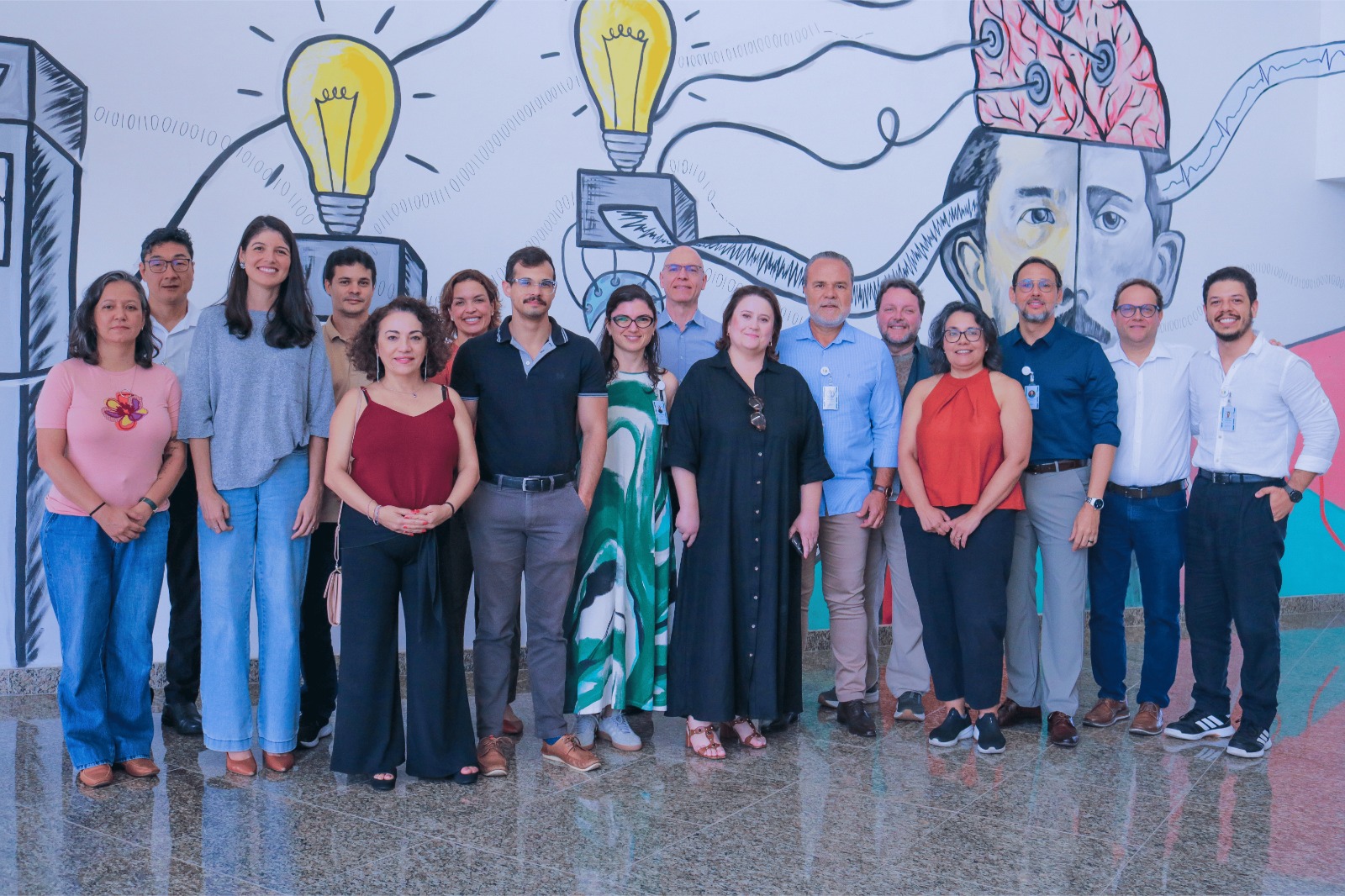



The Santos Dumont Institute (ISD) participated, between November 2nd and 6th, in the “WHO International Academic Conference on Caregiver Skills Training (CST) for Children with Developmental Delays and Disorders”, held in Chongqing, China, by the World Health Organization (WHO). The event brought together representatives from various countries to discuss care and training strategies for caregivers of children with developmental delays or disabilities.
The ISD was represented by its Director-General, Reginaldo Freitas Júnior, and the coordinator of the Specialized Rehabilitation Center (CER ISD), Camila Simão. The institution participated in a joint presentation with the General Coordinator of Health for People with Disabilities of the Ministry of Health, Arthur Medeiros, on early stimulation initiatives developed in Brazil, highlighting the practices implemented by the ISD.
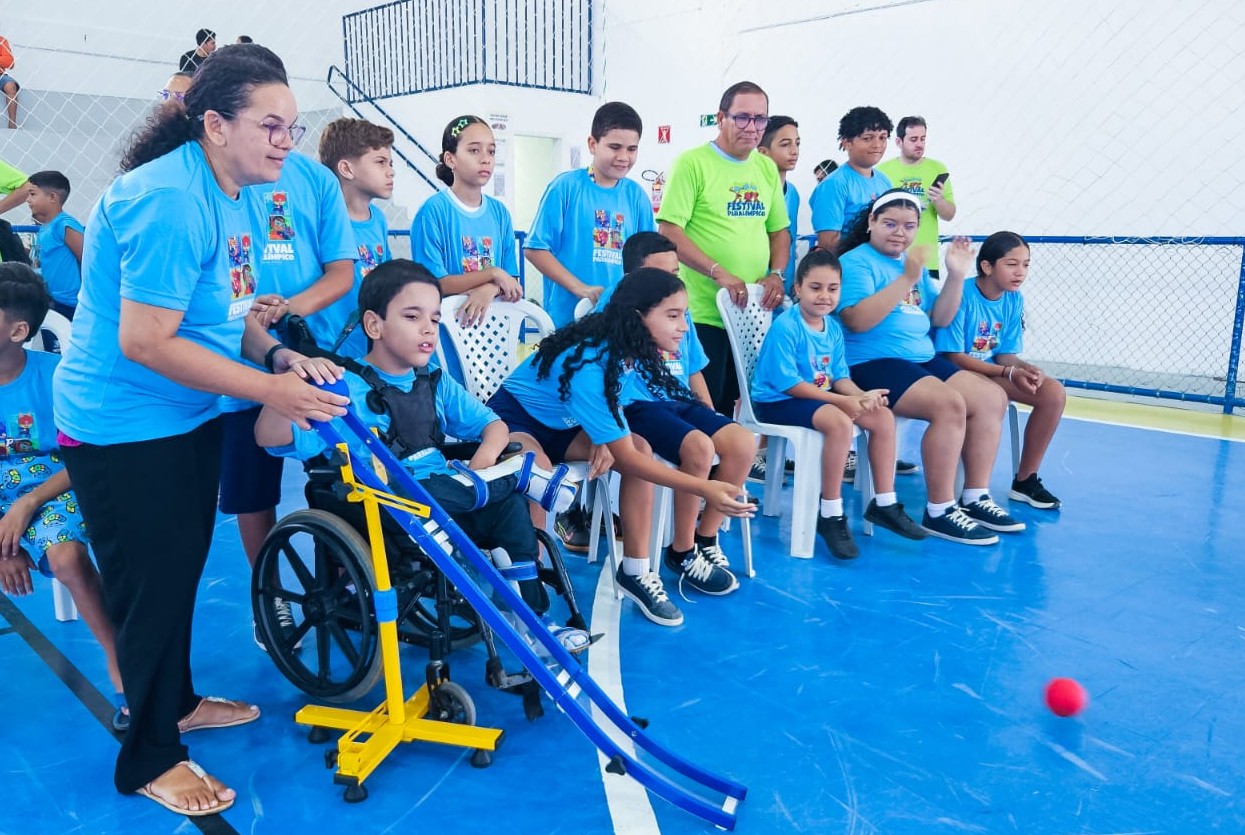
During the conference, representatives from the institute also participated in a roundtable discussion on the topic, sharing successful experiences in caring for children with disabilities, based on the Individual Therapeutic Project (PTS) and person- and family-centered care, one of the pillars of ISD's work in the Unified Health System (SUS).

According to the Director-General of ISD, Reginaldo Freitas Júnior, participation in the conference represents a milestone in strengthening cooperation between Brazil and the WHO in actions focused on child development.
“Our dream is a Brazil where all people with disabilities can reach their full potential for human development and the exercise of citizenship. For this to become a reality, effective care needs to be guaranteed from gestation onwards, with childhood being the great window of opportunity for promoting this development,” he stated.
Brazil was one of the countries invited to present its perspectives on the implementation of CST (Caregiver Skills Training), a global program developed by the WHO. According to Arthur Medeiros, General Coordinator of Health for People with Disabilities at the Ministry of Health, the country's presence at the event was essential for strengthening the initiative.
“Brazil’s participation in the conference here in China was fundamental because, in addition to presenting our perspectives for implementing the program in the country, we were also able to learn about the experiences of other countries such as China, Italy, Malaysia, Vietnam, Argentina, and Sri Lanka. This exchange of experiences is crucial for improving the implementation project, considering that the training of the first Master Trainers in the country will begin this November, conducted by the WHO team.”
The coordinator of CER ISD, Camila Simão, highlighted that participation allowed for a broader understanding of different early stimulation strategies adopted internationally. “This event was very important for understanding how the CST (Center for Early Stimulation) is being implemented worldwide to promote early stimulation as early as possible. It was especially important for us who will implement the CST at the national level, together with the Ministry of Health. We understood what the challenges are and what strategies can be adopted to guarantee the program's success.”

The main objective of this partnership between ISD, the Ministry of Health, and the World Health Organization is to promote, starting in 2026, training in Science and Technology (STT) aimed at professionals in the Brazilian Unified Health System (SUS) throughout the country.
What is CST?
Skills training for caregivers of children with developmental delays or disabilities (CST) aims to provide caregivers with skills they can use at home to improve the child's engagement in activities and communication, as well as promote positive behaviors and daily living skills. The program is developed by the World Health Organization in several countries.
The training teaches evidence-based techniques so that caregivers can stimulate children's communication, play, and social interaction, as well as strengthen emotional bonds and reduce family stress.
“This skills training for caregivers aimed at families of children with developmental delays or disabilities is a very powerful strategy to increase the capacity of these caregivers to promote the development and well-being of the children, which, in fact, expands the reach of the Care Network for People with Disabilities,” explains Reginaldo Freitas Júnior. “It is possible and feasible to do this through play routines and the structuring of daily activities, which can be incorporated into the content that is already part of the reality of our services within the SUS (Brazilian Public Health System).”
About ISD
The Santos Dumont Institute is a Social Organization linked to the Ministry of Education (MEC) and includes the Edmond and Lily Safra International Neuroscience Institute and the Anita Garibaldi Health Education and Research Center, both in Macaíba. ISD's mission is to promote education for life, forming citizens through integrated teaching, research and extension actions, in addition to contributing to a fairer and more humane transformation of Brazilian social reality.