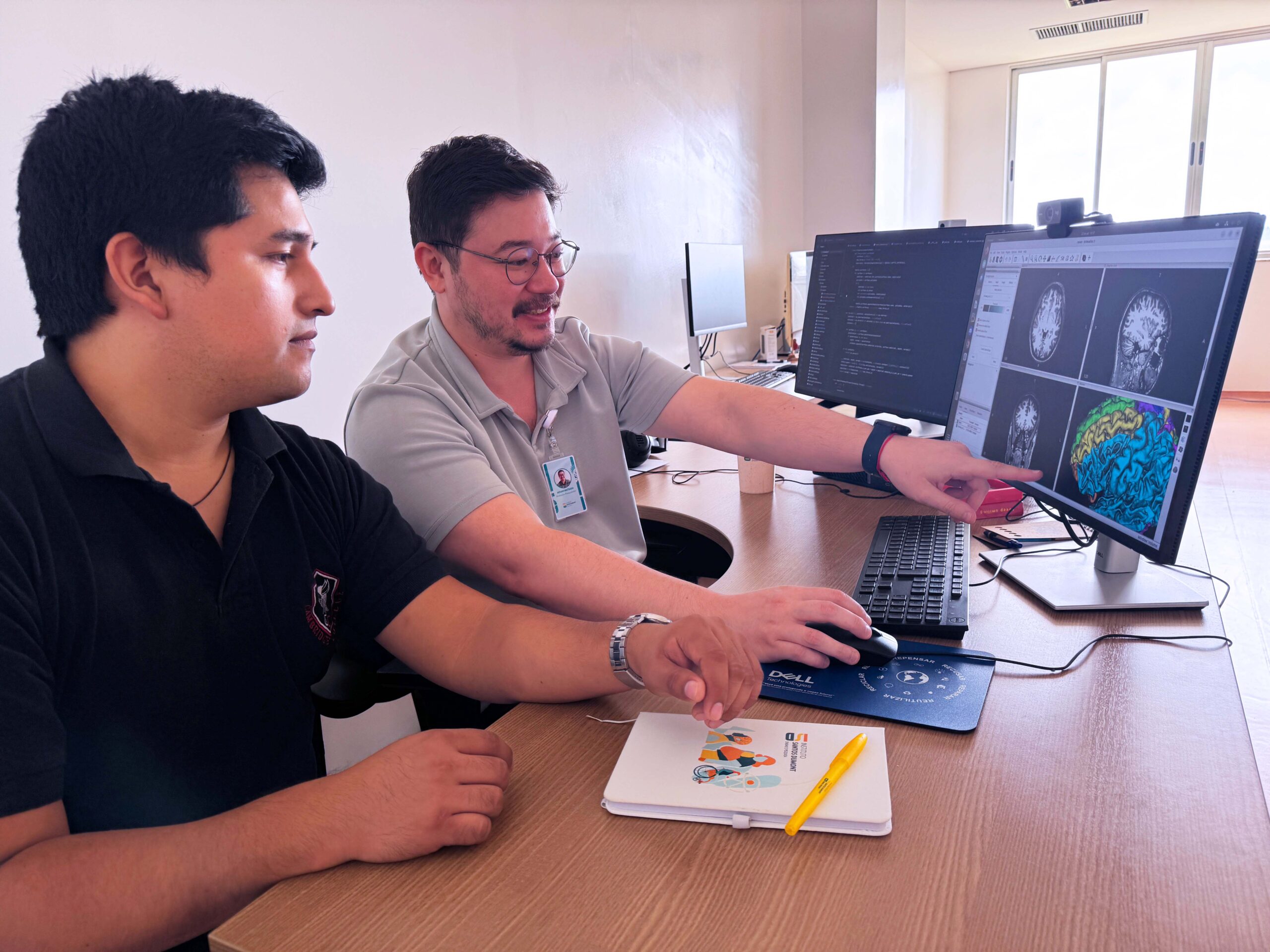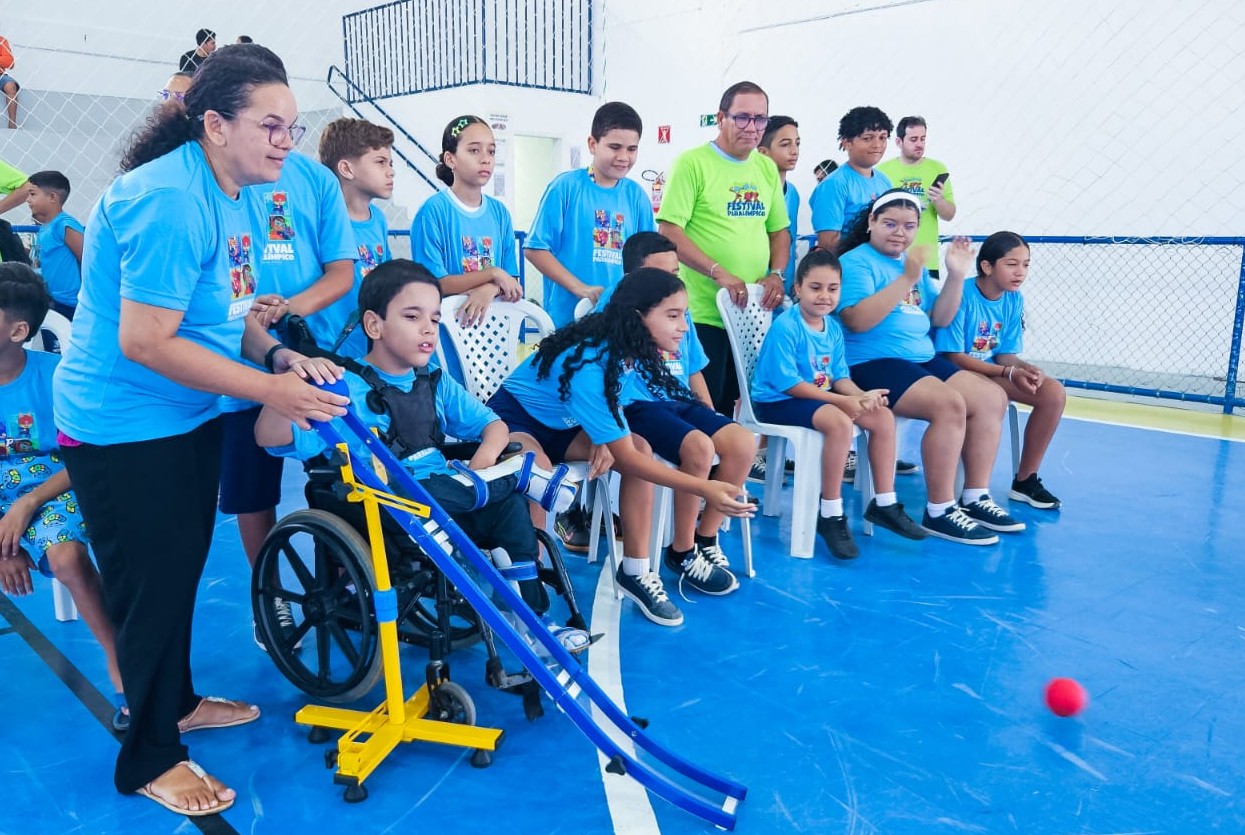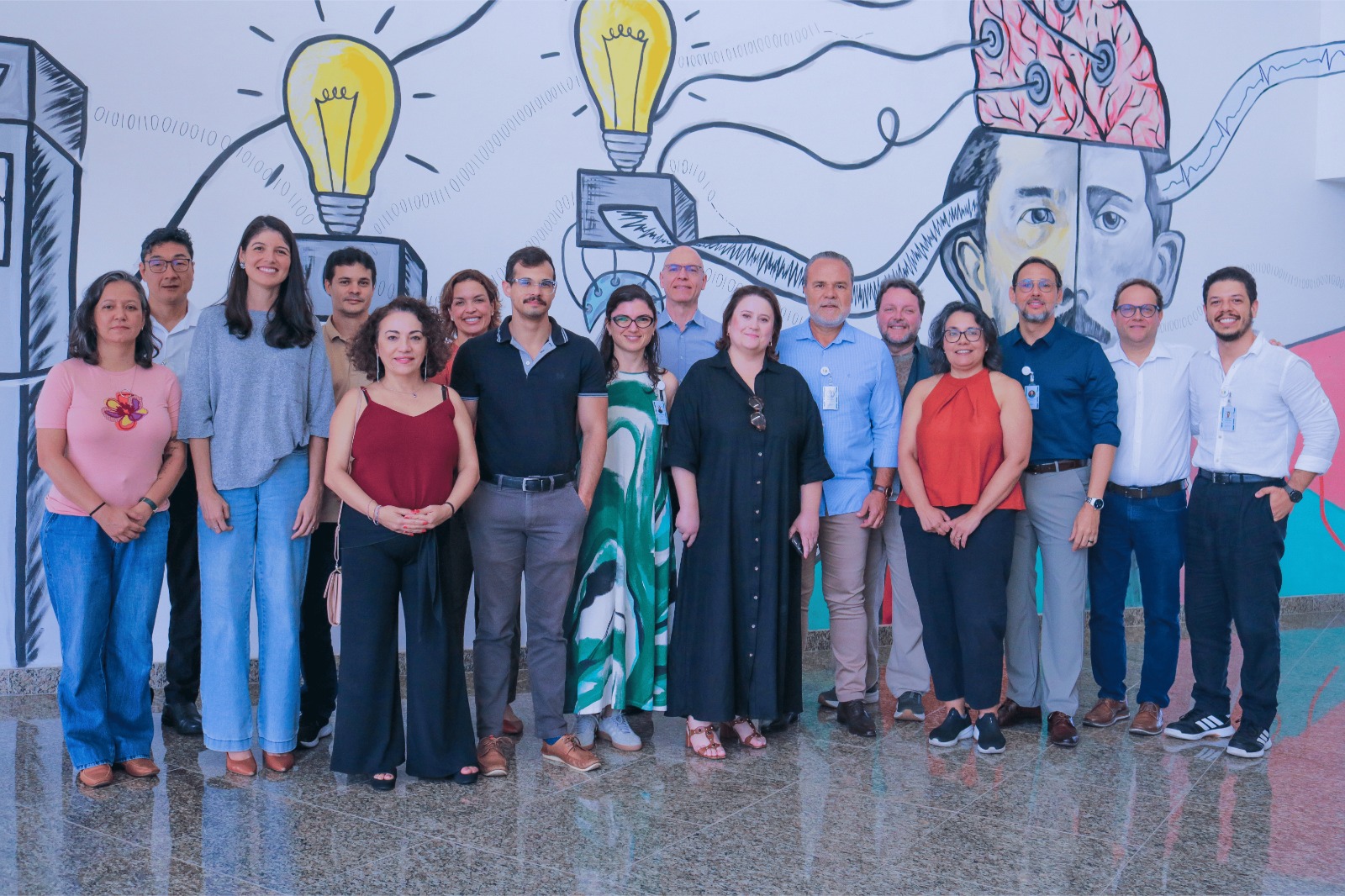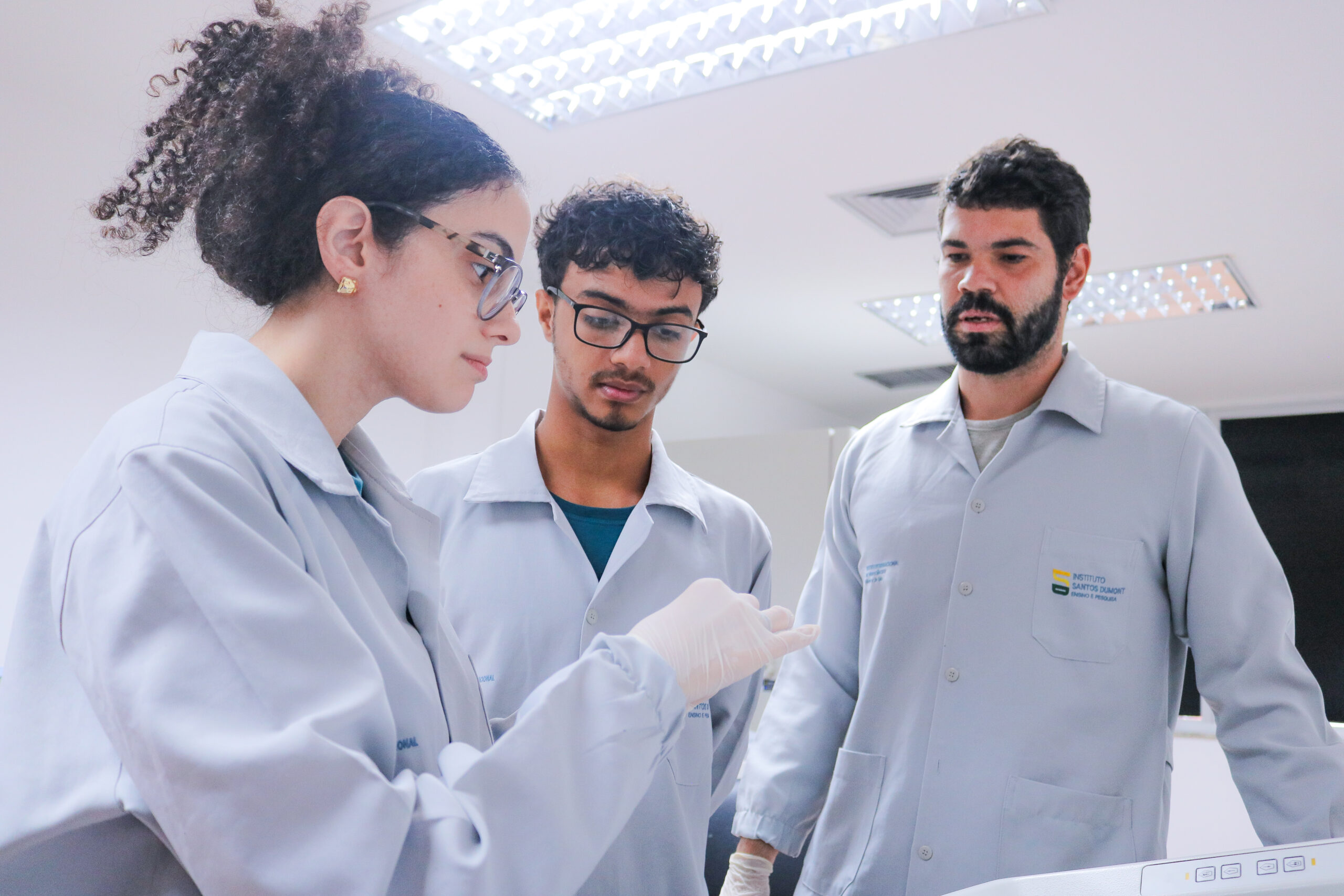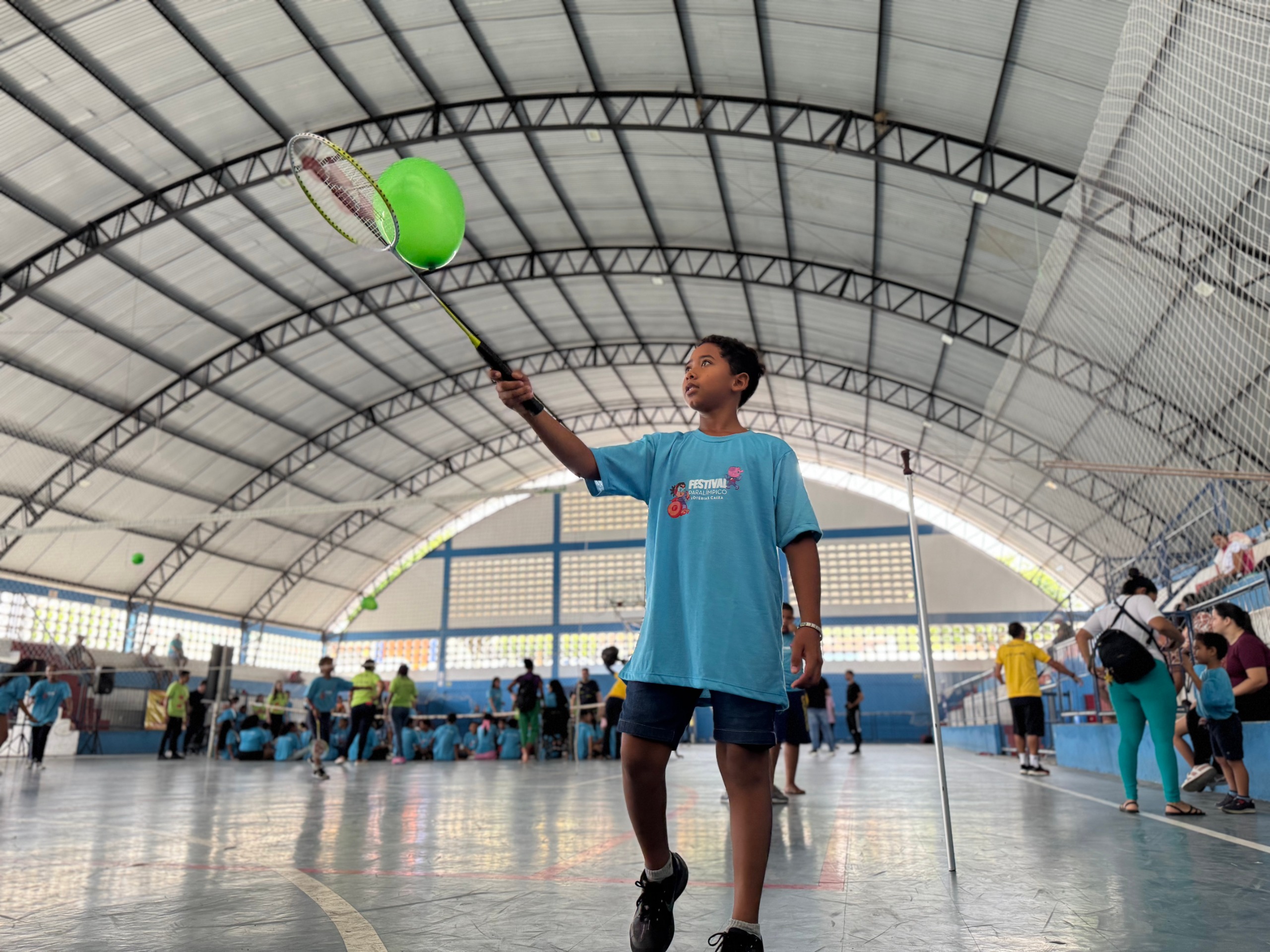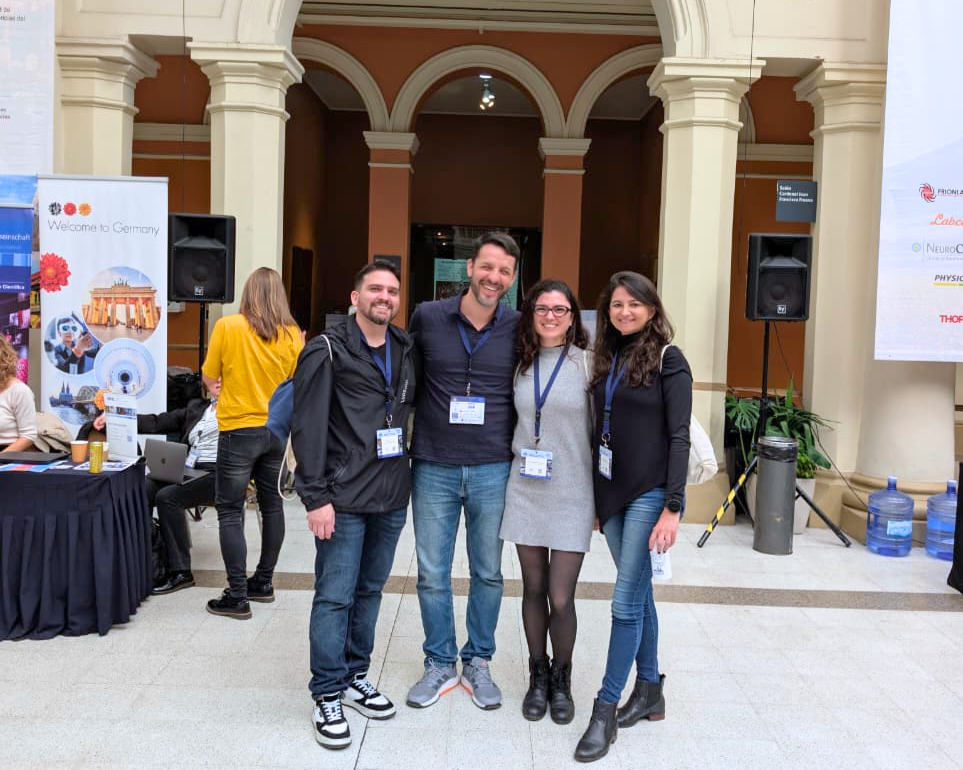


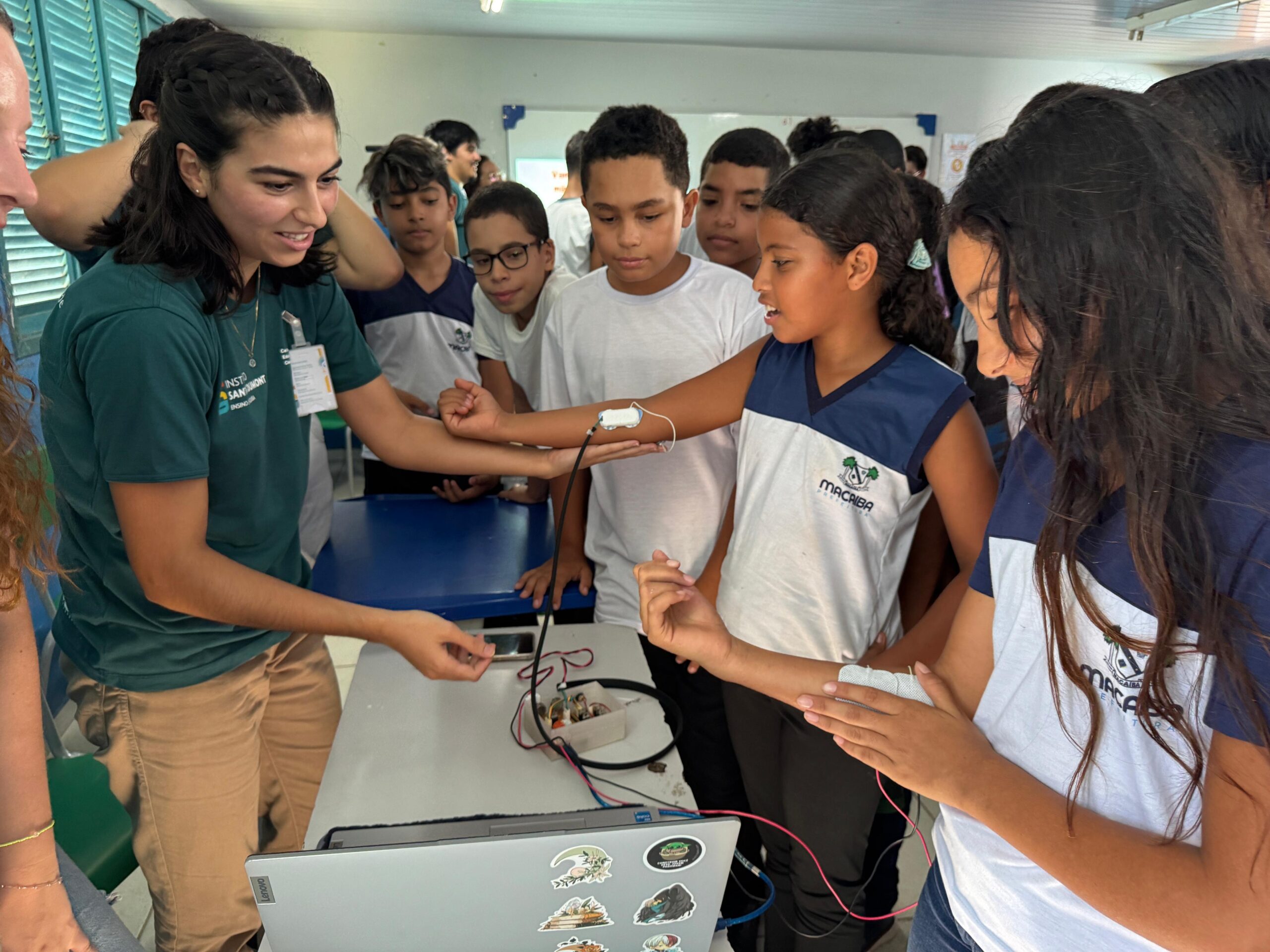
This Wednesday afternoon (18) was different for the students of the José Mesquita Municipal School, located in the rural community of Riacho de Sangue, about 10 kilometers from the center of Macaíba. The conventional school routine gave way to interactive workshops, conducted by master's students from the Postgraduate Program in Neuroengineering (PPGN) at the Santos Dumont Institute (ISD), who demonstrated the practical use of technologies related to the study of brain activity and the central nervous system.
In total, around 100 students from 6th to 9th grade participated in the workshops. Juan, a 9th-grade student, participated in the workshop on Brain-Machine Interface, which used electrodes and a portable stimulator to demonstrate how the brain's electrical activity is related to the control of movements. "I found it interesting to see how electrical signals influence a person's muscle movements," the student reports.
The activity carried out by the Master's students in Neuroengineering at ISD is part of the program of the XV National Brain Week, an event that takes place nationwide until March 22nd and is organized by the Brazilian Society of Neuroscience and Behavior (SBNeC). The Week's main objective is to disseminate the advances and benefits resulting from the study of the brain.
Until the 25th, ISD will be promoting activities in schools and hosting students on special visits to the Edmond and Lily Safra International Institute of Neuroscience (IIN-ELS), a unit that focuses on research in neuroscience and neuroengineering. “Right now, we are showcasing some of the research and techniques we use at the Institute, so that students can learn in a fun way the importance of developing both basic and applied research in the field of brain studies,” explains Andressa Radiske, a research professor at ISD.
For Laiza Camilly, an undergraduate research student at ISD, National Brain Week is an opportunity to disseminate the knowledge acquired in her postgraduate studies in Neuroengineering. Furthermore, the activity with children and teenagers from the public school system allows for scientific and social inclusion, enabling many students to have their first contact with experiments, technologies, and topics that spark curiosity and inspiration.
“It’s a positive thing both for these students, who have access to new knowledge and a perspective on future work with science and technology, and for the ISD team, because we have the satisfaction of making the knowledge we have accessible, especially to the community near the Institute, which is extremely important,” says the student.
National Brain Week 2026
National Brain Week is a campaign to publicize the advances and benefits resulting from the study of the brain, promoted throughout Brazil by SBNeC and an integral part of Brain Awareness Week (BAW), a global initiative to disseminate neuroscience promoted by the Dana Alliance for Brain Initiatives worldwide.
Every year in March, universities, hospitals, and other organizations, including government agencies, come together for one week to undertake a collective effort to popularize neuroscientific knowledge.
In 2026, the 15th National Brain Week will have the theme "Champion Brain". The theme was chosen through a contest promoted by the Brazilian Society for Neuroscience and Behavior. Inspired by the World Cup atmosphere, the proposal stems from the idea of transforming science into a true national passion.
About ISD
The Santos Dumont Institute (ISD) is a Social Organization of the Federal Executive Branch, supervised by the Ministry of Education, with the intervention of the Ministry of Sport. It encompasses the Edmond and Lily Safra International Institute of Neuroscience and the Anita Garibaldi Center for Education and Research in Health, both located in Macaíba. The ISD's mission is to promote education for life, forming citizens through integrated teaching, research, and outreach activities, as well as contributing to a more just and humane transformation of Brazilian social reality.