

Researchers at the Santos Dumont Institute (ISD) published an article in an international journal about a device, developed at the Institute, aimed at the rehabilitation of spinal cord injury (SCI). The study is part of the research line on applications of neuroengineering in clinical practice, which seeks to propose innovative and accessible solutions to global challenges.
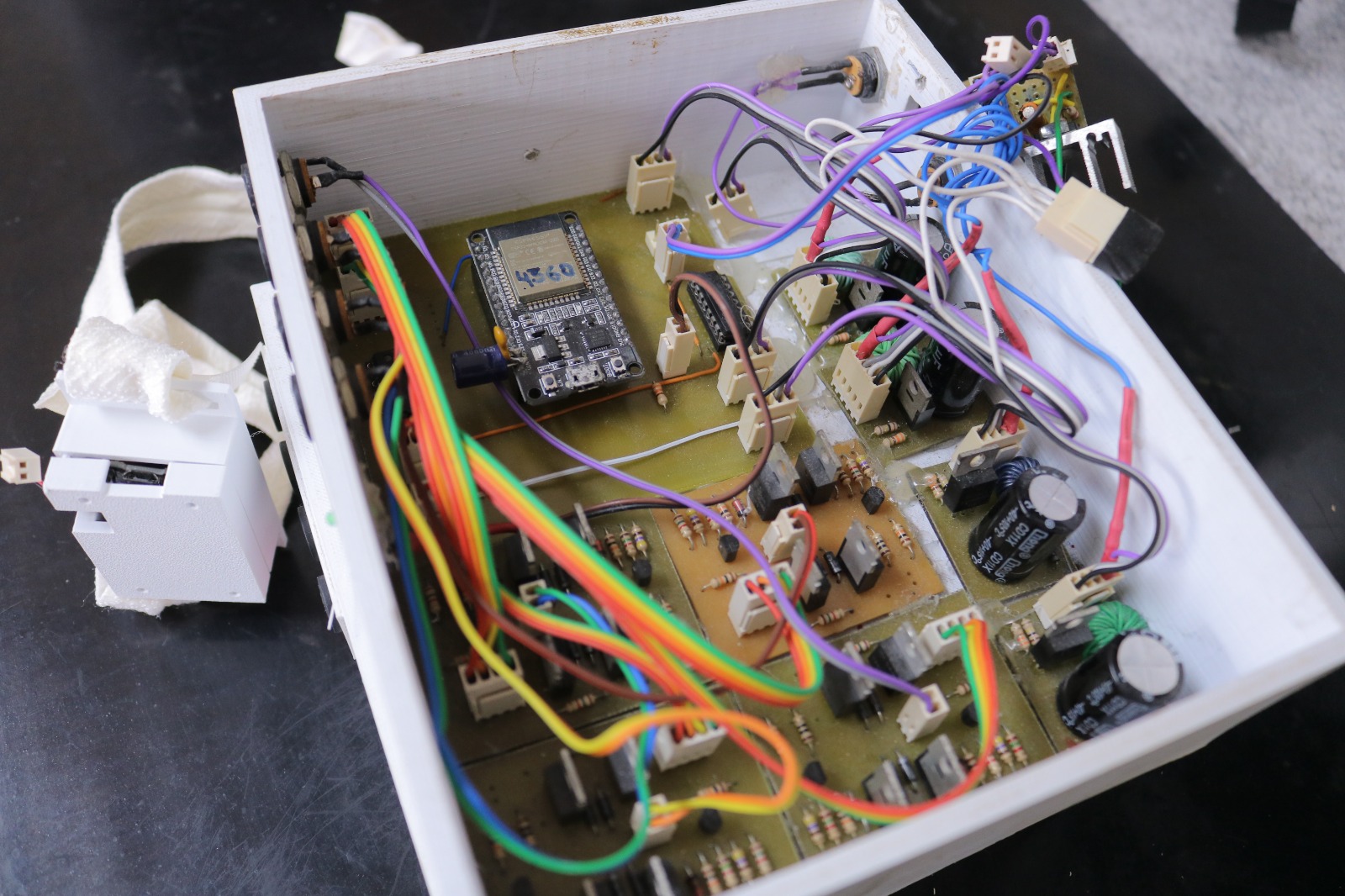
The research consists of a case study protocol using a multichannel electrostimulation device with customizable parameters, previously developed at ISD. Authored by graduate of the Postgraduate Program (PPGN), Luiz Henrique Bertucci Borges, who developed the device as part of his master's thesis, the work is supervised by ISD research professor André Felipe Oliveira de Azevedo Dantas.
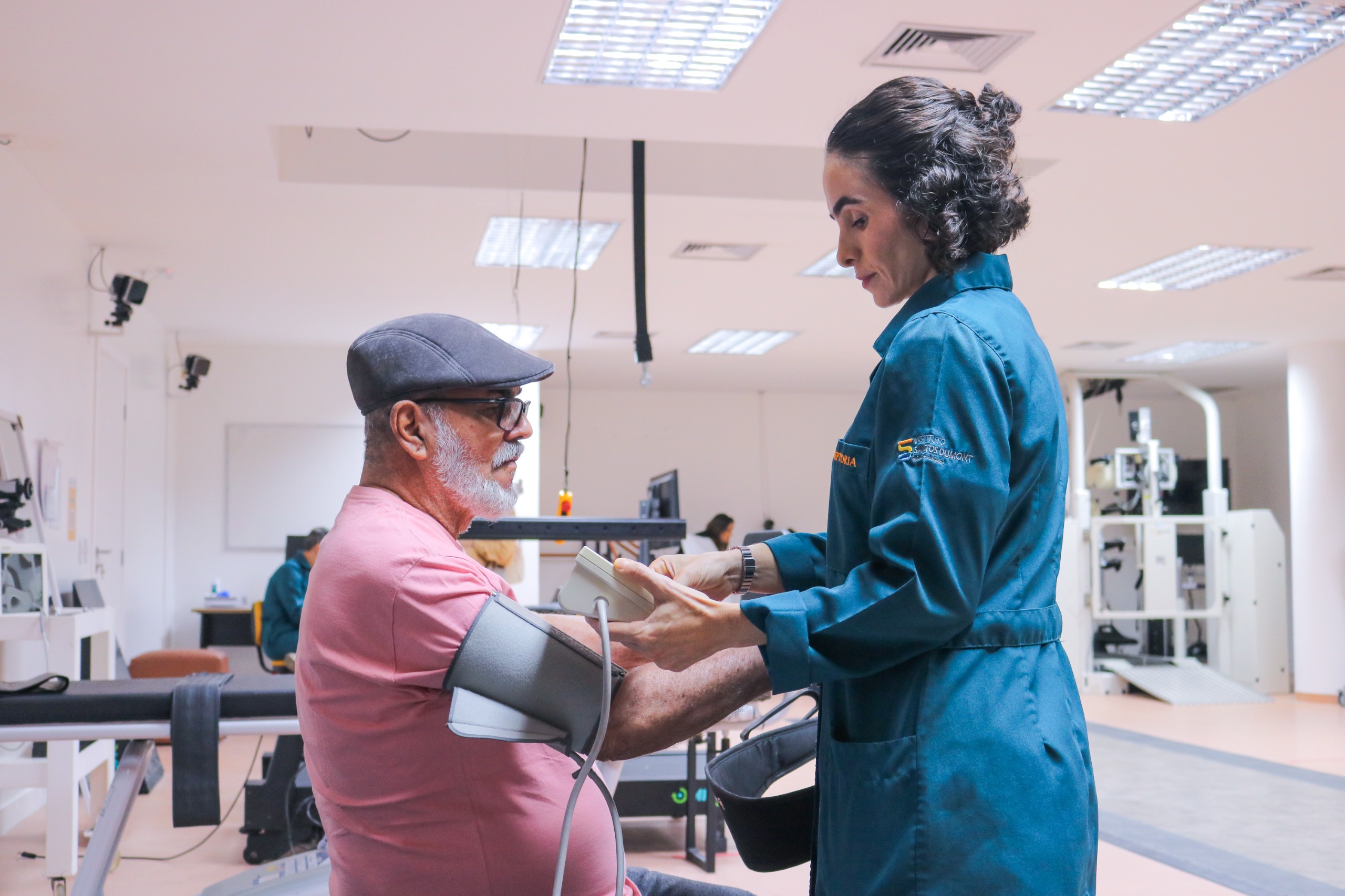
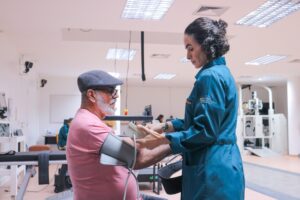
The main objectives of the case study were to validate the functioning and integration of the device into rehabilitation, to evaluate the improvement in the volunteer's movement after using the device (based on natural movement), and to confirm the patterns of cortical activity during walking and pedaling movements, in accordance with what has been established in other studies on the subject.
The results demonstrated that the system was able to accurately identify the phases of movement, allowing volunteers to perform walking and cycling activities with greater speed and cadence when assisted by electrostimulation. The developed hardware proved to be functional and versatile, easily adapting to different rehabilitation tasks.
Furthermore, the participants' cortical activity showed significant changes during device use. These alterations suggest that strategic activation of electrostimulation aids in movement correction, highlighting the technology's potential for neuroplasticity.
"Our results reinforce the importance of fostering the development of these technologies that meet the demands raised by the research team and the team of preceptors at the point of care," says electrical engineer and neuroengineer Luiz Bertucci.
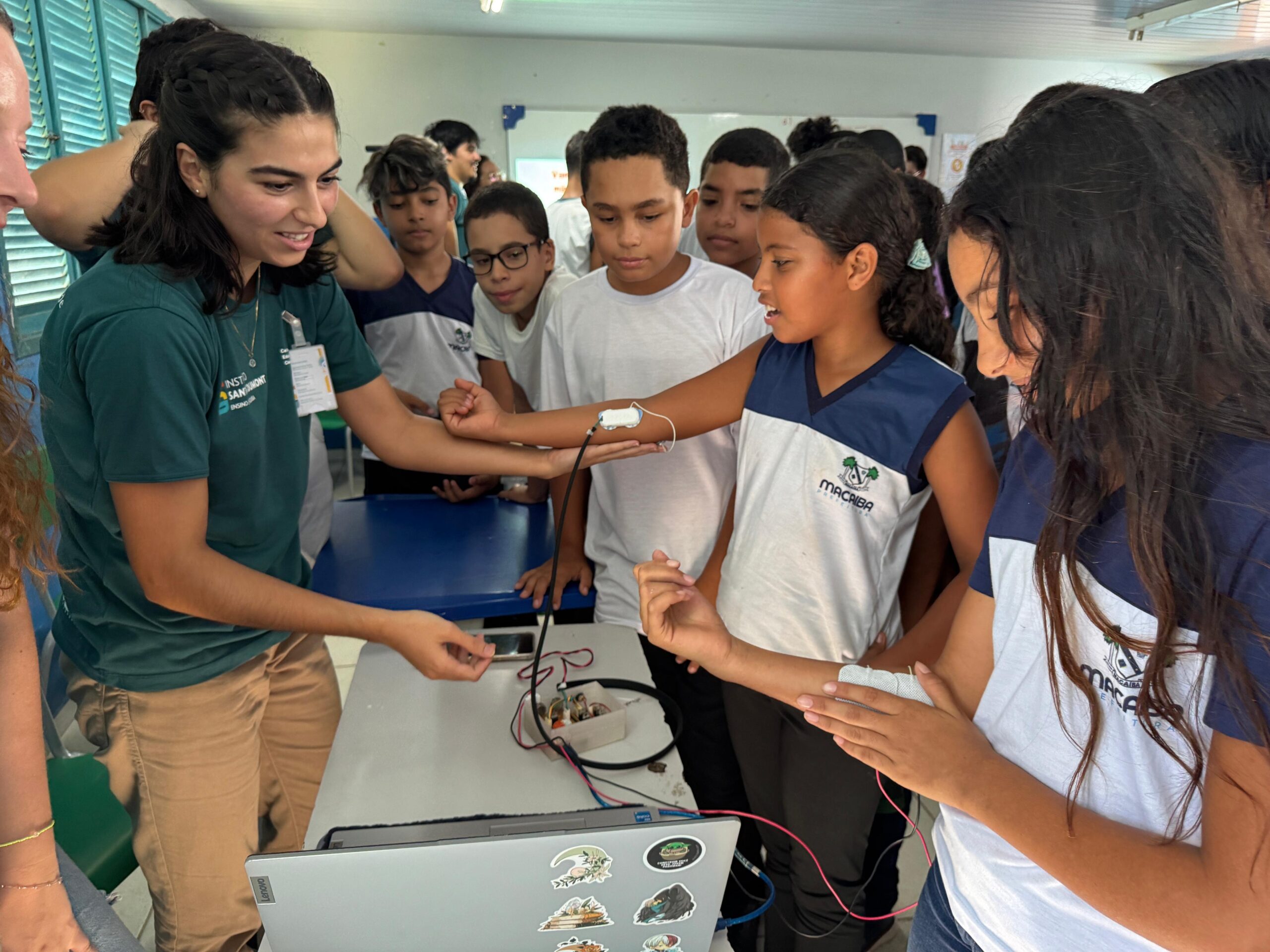
According to the authors, in addition to promising results, the research has the innovative aspect of proposing a protocol with high user participation in the execution of the movement using accessible materials – a stimulation device and an inertial sensor – developed at ISD, aiming to integrate the aspects of low cost and functionality.
The article “Human-machine Interface using functional electrostimulation and inertial sensors for lower limb rehabilitation in spinal cord injury individuals: a proof of concept” was published in Medical & Biological Engineering & Computing and can be accessed at: https://doi.org/10.1007/s11517-025-03501-z.
In addition to Luiz Bertucci and André Dantas, The researchers Cristian Felipe Blanco-Díaz, Bruno Henrique e Silva Bezerra, Teodiano Bastos-Filho, and the ISD research professors Caroline Cunha do Espírito Santo and Denis Delisle-Rodriguez participated in the article.
About ISD
The Santos Dumont Institute (ISD) is a Social Organization of the Federal Executive Branch, supervised by the Ministry of Education, with the intervention of the Ministry of Sport. It encompasses the Edmond and Lily Safra International Institute of Neuroscience and the Anita Garibaldi Center for Education and Research in Health, both located in Macaíba. The ISD's mission is to promote education for life, forming citizens through integrated teaching, research, and outreach activities, as well as contributing to a more just and humane transformation of Brazilian social reality.