


Misinformation about labor rights during pregnancy remains a major source of insecurity for thousands of women in the job market. Beyond medical care, labor law allows pregnant women to perform their professional activities with legal security, guaranteeing a favorable environment during pregnancy.
In this context, social worker and preceptor at the Santos Dumont Institute (ISD), Alexandra Lima, highlights the main points of the Consolidation of Labor Laws (CLT) aimed at protecting motherhood and employment. Among the most relevant guarantees for pregnant women is temporary job security, which ensures job retention from the confirmation of pregnancy until five months after childbirth, preventing dismissal without just cause during this period.
In addition to job security, the law stipulates that pregnant women have the right to be excused from work to attend at least six medical appointments and other complementary examinations, without any deduction or loss in their monthly pay.
The guidelines also cover the postpartum period, such as the standard 120-day maternity leave – which can be extended to 180 days in companies that adhere to the Citizen Company Program – and support for the continuation of breastfeeding after returning to work. According to Alexandra Lima, the fear of reprisals often prevents pregnant women from taking advantage of guarantees that exist precisely to protect the health of both mother and baby. She points out that correct information allows women to exercise their motherhood with the dignity and support that the law provides.
“Access to information is essential for women and their children to be protected during pregnancy and the postpartum period. Legislation guarantees women several rights, from quality prenatal care to the time they can dedicate to the initial care of their newborn child. With this information, it becomes easier to access legal guarantees and, if they have any difficulties, to know where and when to seek help,” analyzes the social worker.
Rights of pregnant women under discussion.

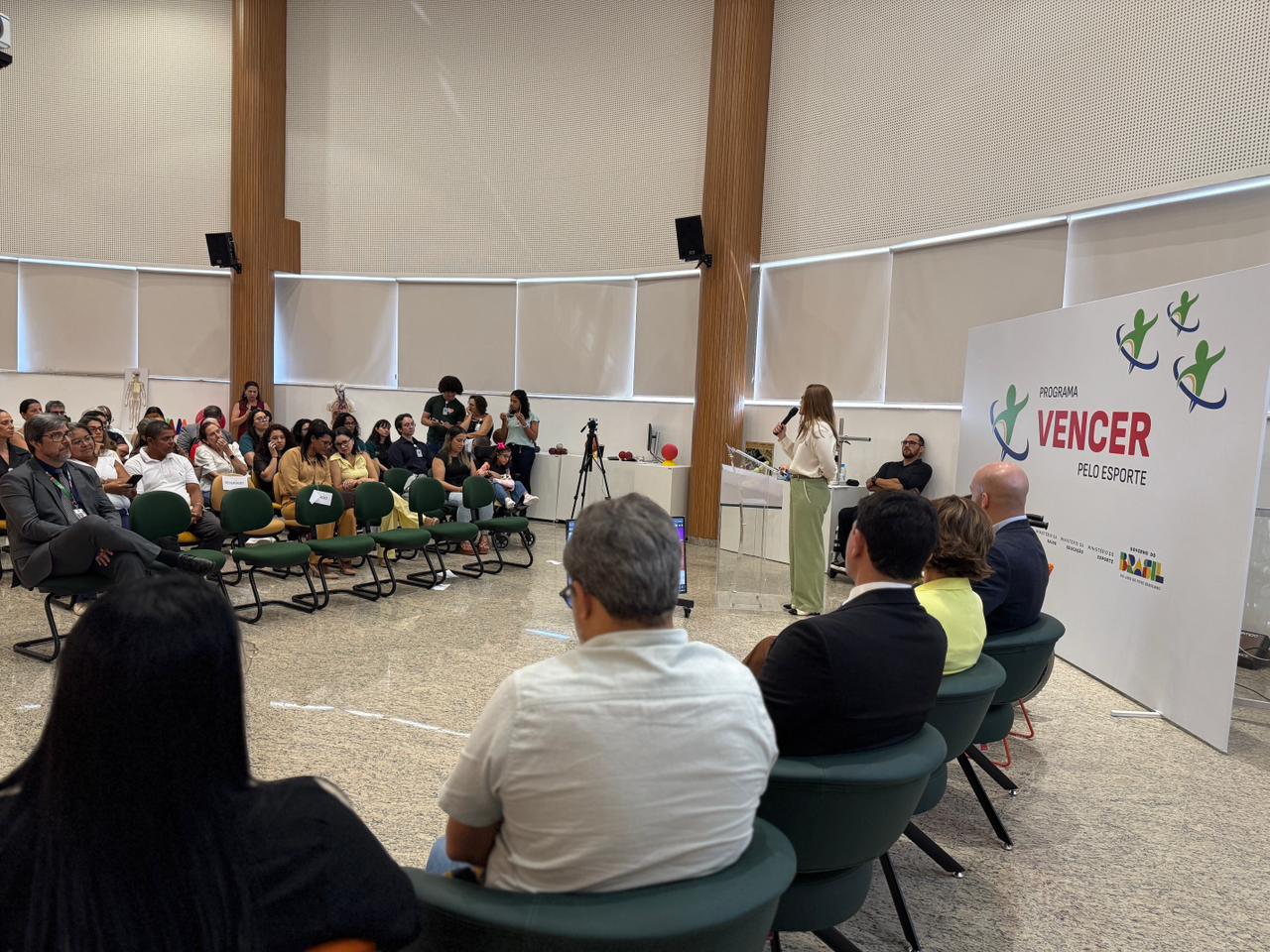
The theme "Rights of Pregnant Women" marked the beginning of the 2026 activities of Maternar, a group led by the ISD preceptorship team that functions as a space for support and health education.
The project will continue with periodic meetings throughout the year at the Anita Garibaldi Health Education and Research Center (Anita), an ISD unit in Macaíba, promoting dialogues on physical, nutritional and mental health care, reinforcing the Institute's commitment to humanizing care within the SUS (Brazilian Public Health System). Pregnant women receiving high-risk prenatal care from ISD participate in the Maternar project.
About ISD
The Santos Dumont Institute (ISD) is a Social Organization of the Federal Executive Branch, supervised by the Ministry of Education, with the intervention of the Ministry of Sport. It encompasses the Edmond and Lily Safra International Institute of Neuroscience and the Anita Garibaldi Center for Education and Research in Health, both located in Macaíba. The ISD's mission is to promote education for life, forming citizens through integrated teaching, research, and outreach activities, as well as contributing to a more just and humane transformation of Brazilian social reality.