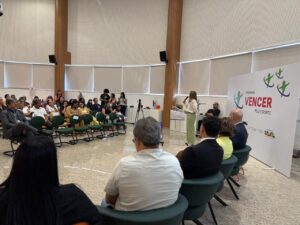


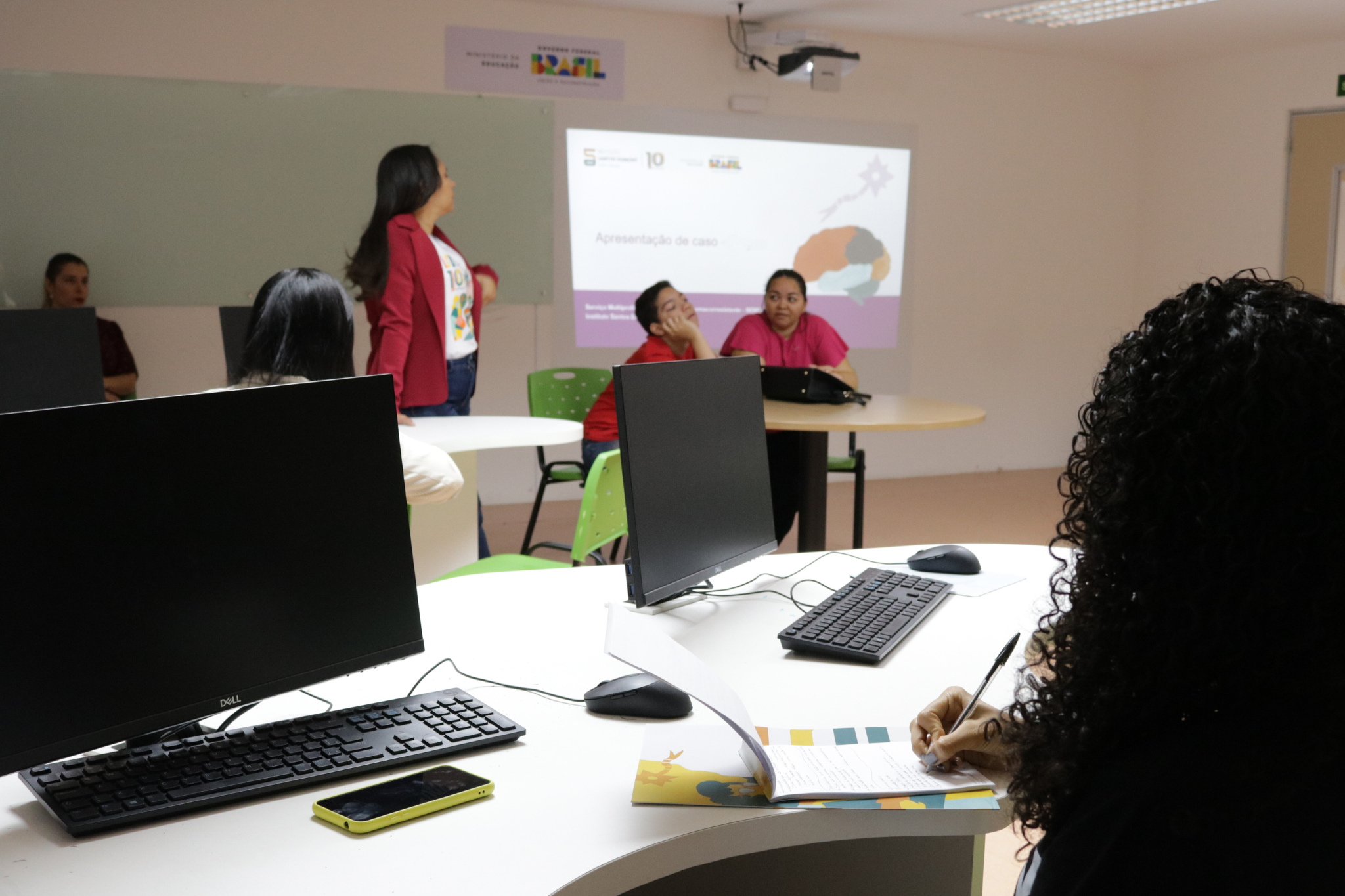
On October 30 and 31, the Santos Dumont Institute (ISD) held the course “Multidisciplinary Care for People with Drug-Resistant Epilepsy”, aimed at health professionals from Specialized Rehabilitation Centers (CER) in Rio Grande do Norte. The training aimed to improve the training of nurses, physiotherapists, nutritionists and psychologists, updating them on practices aimed at caring for patients with refractory epilepsy.
Drug-resistant, or refractory, epilepsy is characterized by cases in which medications, even in combined doses and prescribed for more than six months, are unable to control epileptic seizures.
During the two-day course, relevant topics were addressed, such as the rights of people with epilepsy, pharmacological treatments and non-drug alternatives, such as neuromodulation, neurosurgery and the ketogenic diet. In addition, stories from family members and patients were shared, enriching the understanding of the impact of the condition.
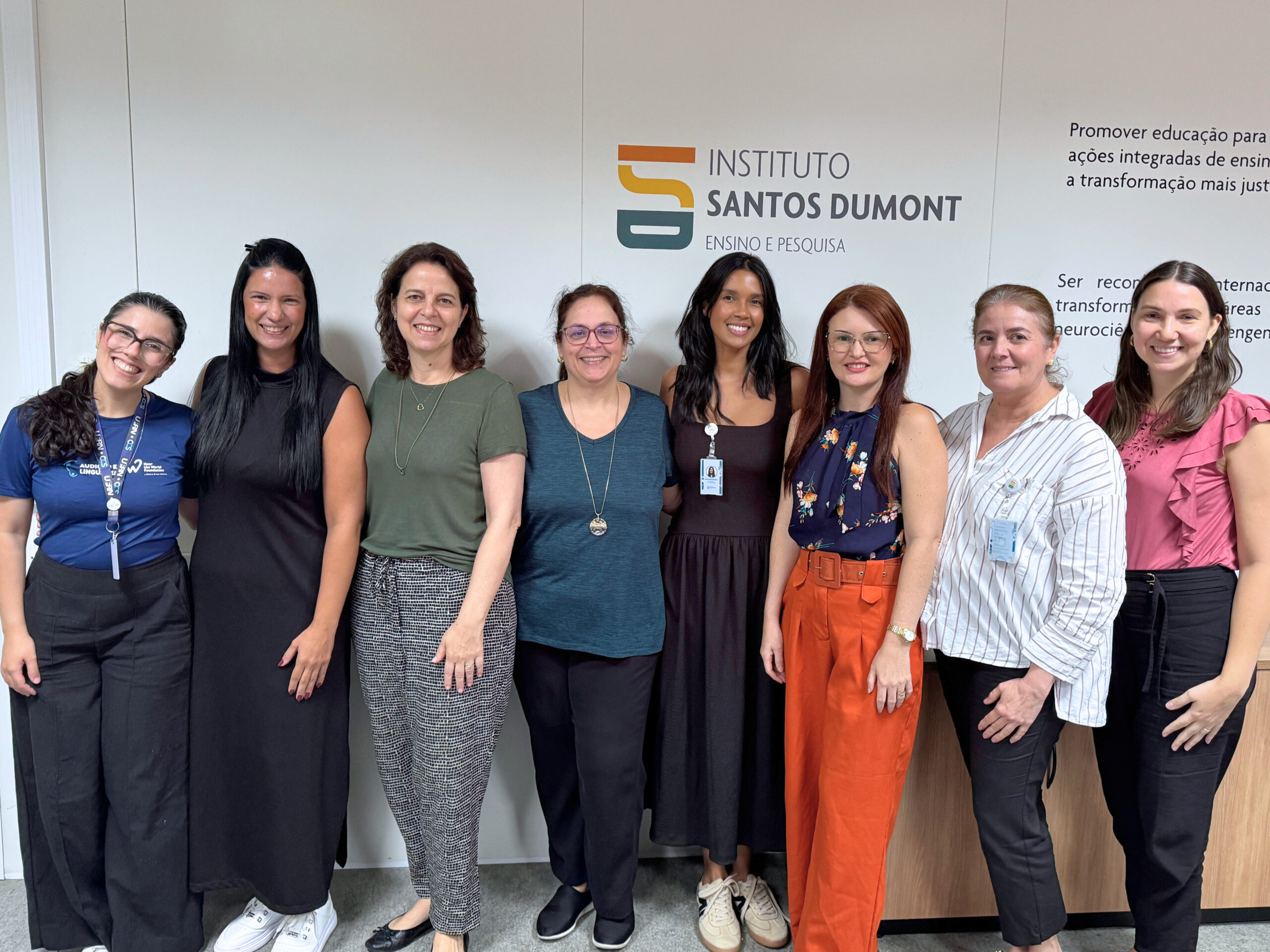
“We hope to enable participants to select the most appropriate strategies for health intervention, to promote the decentralization of care for people with this diagnosis in RN, and to encourage professionals to enhance interdisciplinary care. Our main mission is to show that difficult-to-control epilepsy is not synonymous with a lack of treatment options,” explains Sarah Oliveira, a neuropsychologist at the institution.
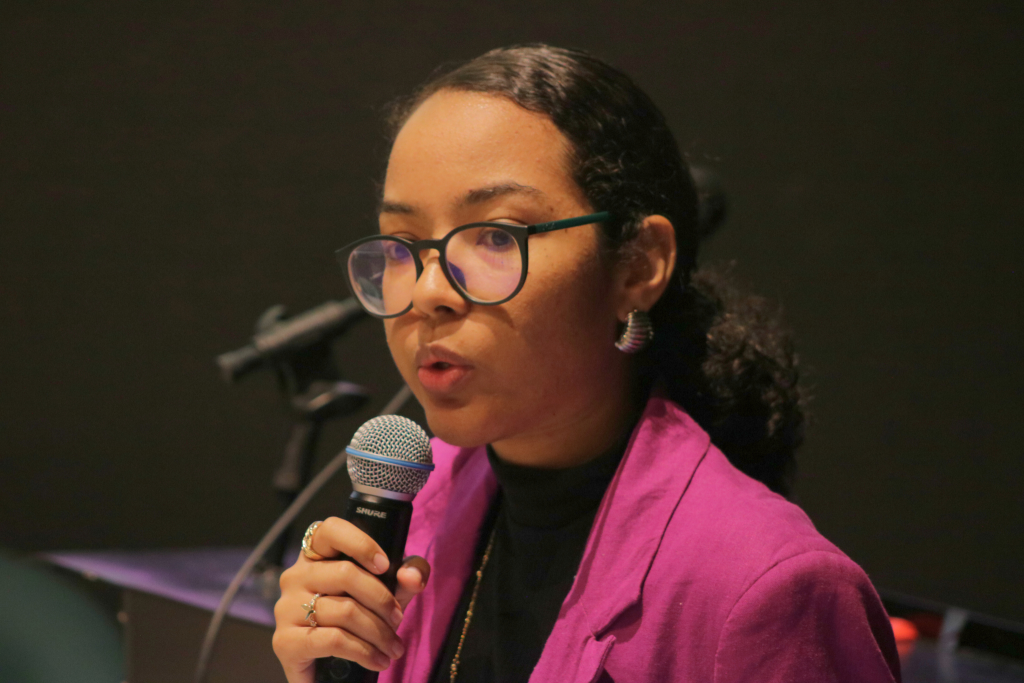
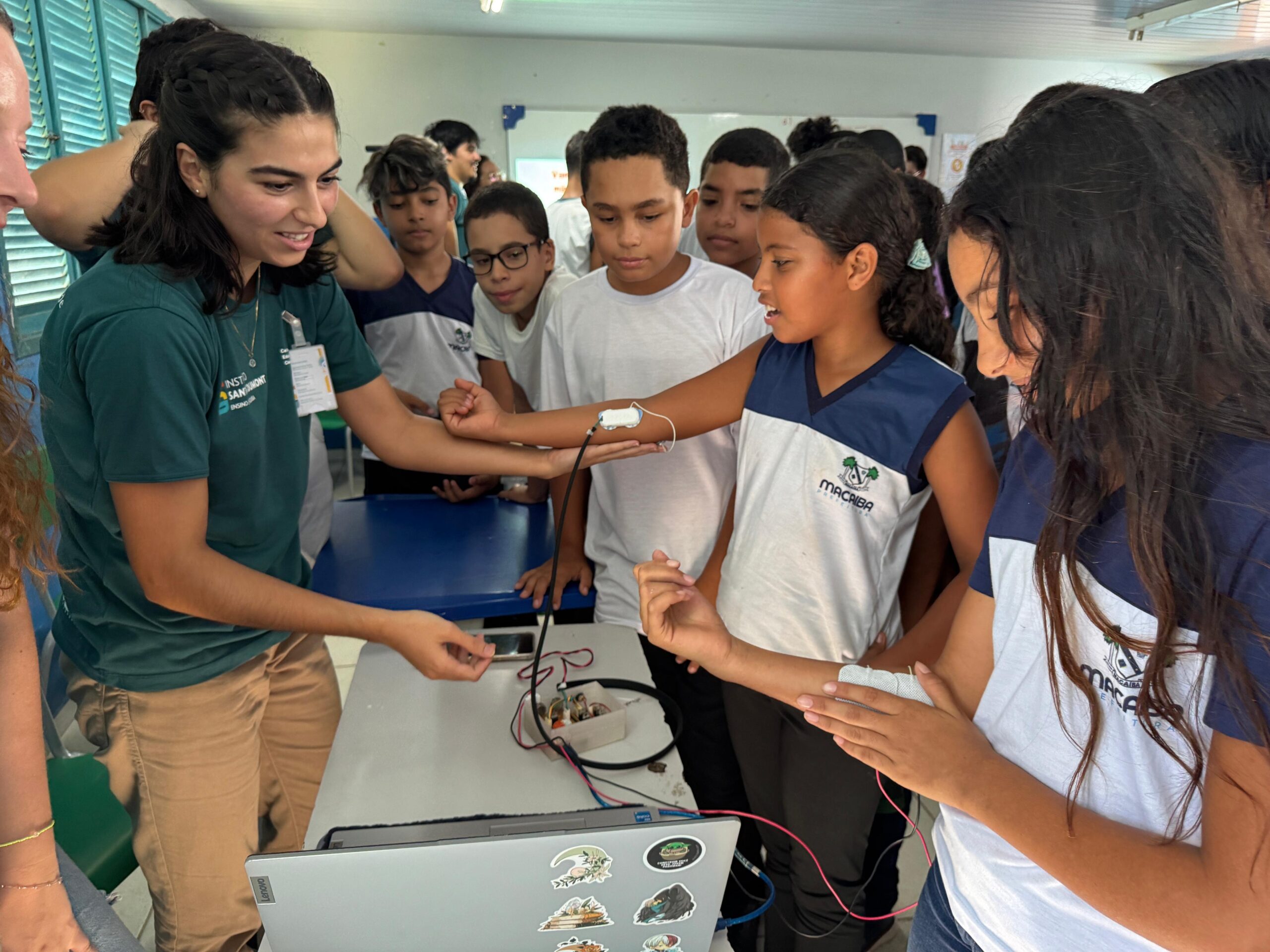
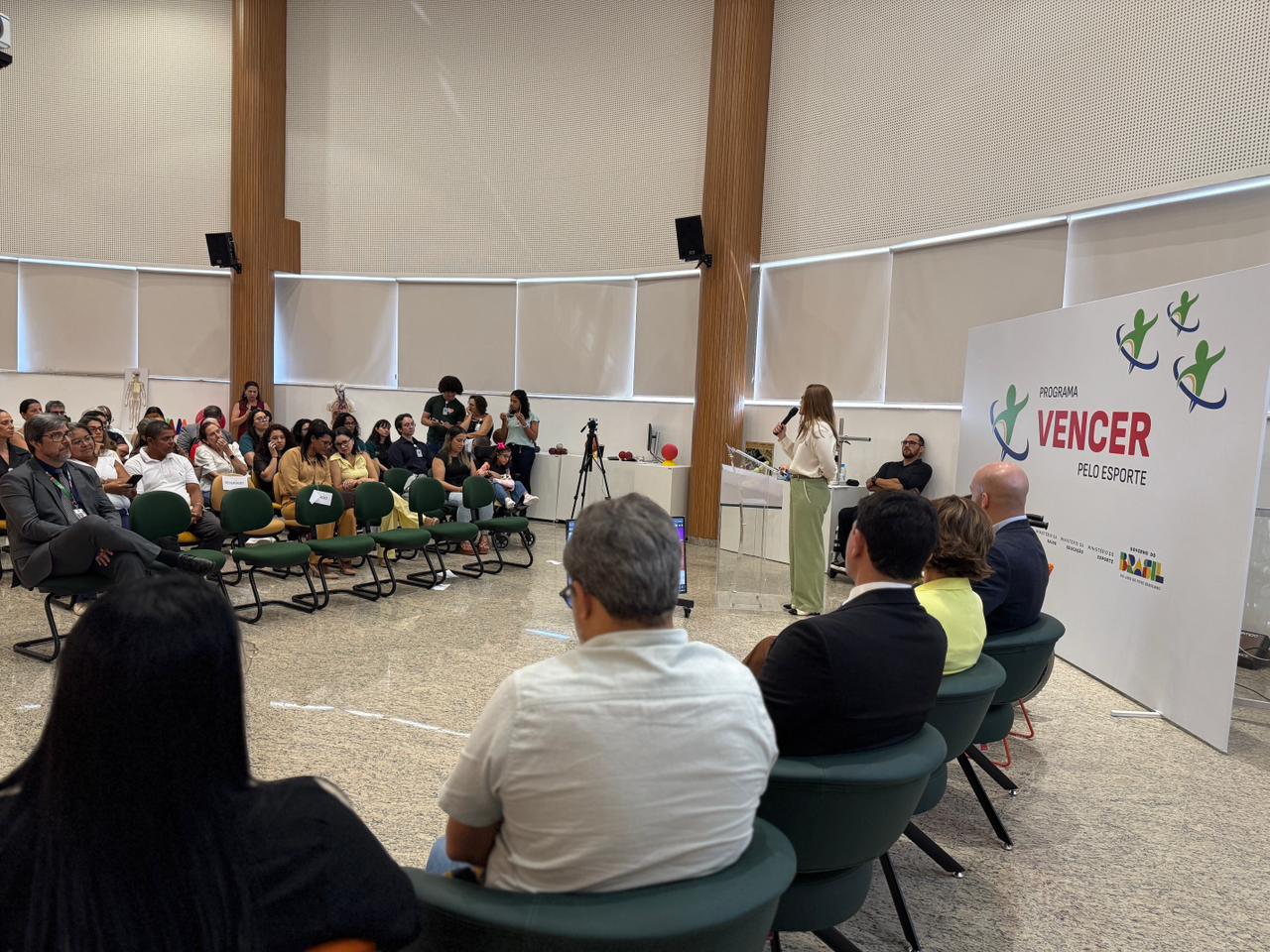
Approximately 55 professionals participated in the training, which included lectures, networking opportunities, and clinical assessment and intervention practices, led by physicians and multidisciplinary professionals from ISD. Among the participants was physiotherapist Carla Candice, from CER II in Areia Branca. “I work with post-operative patients, and epilepsy is a reality at CER in Areia Branca, so I will definitely eventually see a patient in this context. So, this training opened up a new perspective on this pathology, which I did not know so deeply about,” she said.
The training brought together professionals from several municipalities, such as Pau dos Ferros, Currais Novos, Mossoró and São Gonçalo do Amarante. From the latter, the CER (opened this year) was represented by psychologist Soraya Cavalcante and physiotherapist and coordinator Rodrigo Augusto. “Observing the way in which treatment and monitoring are carried out and the integration between the professionals in the service is part of a set of things that we are taking advantage of, not only in terms of updating knowledge, but also so that we can take it back to our CER”, says Soraya.
Drug-resistant epilepsy
The training is an initiative of the multidisciplinary team that forms the specialized care line for drug-resistant epilepsy at the Institute's Specialized Rehabilitation Center (CER ISD). The service has statewide coverage, receiving people from all over RN, and care is concentrated in the ISD units in Macaíba.
Alternatives for treating this condition include the ketogenic diet, which proposes a diet rich in fats, adequate in proteins and low in carbohydrates; and neuromodulation and neurosurgery, which in addition to being present in the services, are themes of research developed at ISD.
ABOUT ISD
The Santos Dumont Institute is a Social Organization linked to the Ministry of Education (MEC) and includes the Edmond and Lily Safra International Neuroscience Institute and the Anita Garibaldi Health Education and Research Center, both in Macaíba. ISD's mission is to promote education for life, forming citizens through integrated teaching, research and extension actions, in addition to contributing to a fairer and more humane transformation of Brazilian social reality.