

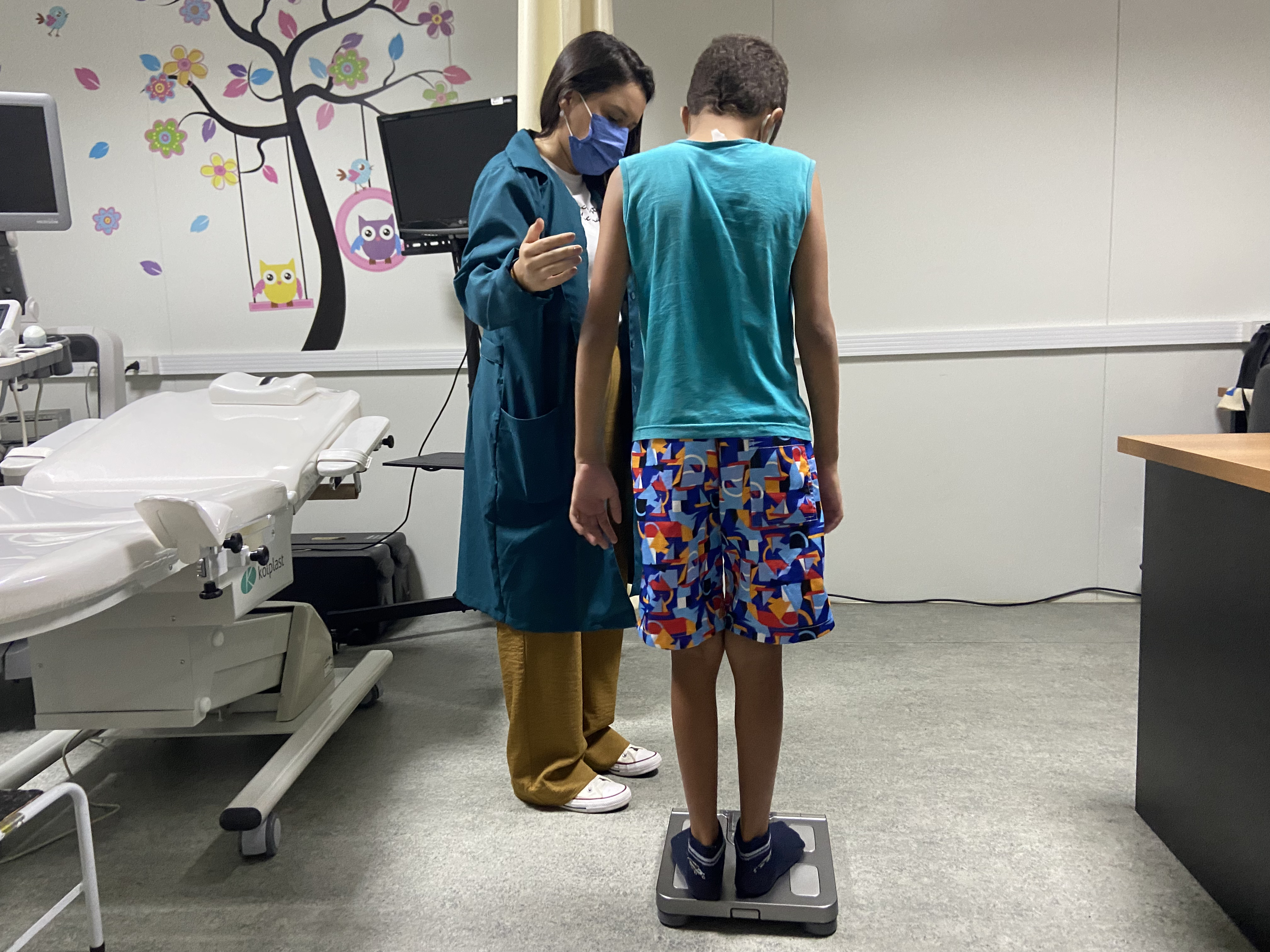
Discover the benefits of the ketogenic diet for people with drug-resistant epilepsy

Posted in March 25, 2022

Historically, people with epilepsy have been the target of prejudiced attitudes and have been marginalized from society, especially those who develop the drug-resistant form, that is, those who cannot be controlled with two or more medications. However, in the early years of the 20th century, a diet was developed by the American doctor Russell Wilder as an alternative for controlling seizures. The diet model, called ketogenic because it limits carbohydrate intake and the consequent circulation of glucose in the blood, has become a strong ally in the treatment of drug-resistant epilepsy.


In Rio Grande do Norte, the Santos Dumont Institute (ISD) developed the first outpatient service focused on controlling epileptic seizures through the prescription of a ketogenic diet by a neurologist or neurosurgeon. Epilepsy, according to the Ministry of Health, “is a temporary and reversible alteration in brain function that is not caused by fever, drugs or metabolic disorders and is expressed by repeated epileptic seizures.”


The disease can be caused by a brain injury resulting from a severe blow to the head, an infection (meningitis, for example), neurocysticercosis (“tapeworm eggs” in the brain), alcohol or drug abuse, or sometimes by something that occurred before or during childbirth. Often it is not possible to know the causes that gave rise to epilepsy.


As detailed by the multidisciplinary nutritionist preceptor at ISD and specialist in the ketogenic diet, Luciana Câmara, this type of diet is “rich in fat, low in carbohydrates and adequate in proteins (according to the patient’s body weight and age)”. In a diet considered conventional, the individual usually ingests 45% to 65% of carbohydrates, 10% to 35% of protein and 20% to 35% of fat. In the ketogenic diet, carbohydrate intake can be very low, as foods with this biomolecule cause an energetic and excitatory effect, which increases the number of epileptic seizures.


“The most common items on the ketogenic diet are: cream with 35% of fat, mayonnaise, eggs, olive oil, oil, meat, fish and chicken. The most commonly used sources of carbohydrates are: fruits and vegetables. White flour is not included in the diet. All foods such as rice and pasta are not included. In some cases, beans are allowed”, lists Luciana Câmara. To have access to the ketogenic diet, the patient must be diagnosed with drug-resistant epilepsy. In addition, they must be monitored by a multidisciplinary team, as adopting this type of diet requires special attention.


All food consumed throughout the day by the patient must be weighed on a food scale, as indiscriminate consumption of the items that make up the ketogenic diet can cause other problems, such as: increased triglycerides, cholesterol and the occurrence of kidney stones, for example. In addition, nutritionist Luciana Câmara issues a warning:


“Not everyone can follow the ketogenic diet, because there are contraindications to the diet. If the child is underweight or has kidney or heart problems, for example, they cannot follow the diet unless these conditions are reversed. The important thing is that each patient is carefully evaluated by the medical team. At first, patients who follow the ketogenic diet may show signs of lethargy, which is sluggishness and drowsiness. But this only occurs during the adaptation phase to the new diet. In practice, however, the occurrence of this effect is low.”


Luciana Câmara emphasizes that nutritionists cannot prescribe the ketogenic diet: it must be prescribed by a neurologist or neurosurgeon. The diet can be prescribed for all age groups, but the best results are seen in children due to neuroplasticity, which is the adaptive capacity of our brain, a process that facilitates the learning of new behaviors and reprogramming of information, and which is very evident in early childhood. In parallel with adopting the ketogenic diet, the patient can undergo rehabilitation with a multidisciplinary team. “One intervention does not cancel out the other. We have patients who have already had surgery, are on the ketogenic diet and are in rehabilitation,” explains Luciana Câmara.


Benefits

The ketogenic diet can help reduce the intensity of epileptic seizures, and in some cases, improve intestinal function, among other physiological activities. “The benefits are many. There is a reduction in the number and intensity of epileptic seizures, cognitive improvement and, in the case of children, they grow appropriately in height. However, it is a diet that needs to be very controlled and careful,” emphasizes Luciana Câmara.


Patients diagnosed with drug-resistant epilepsy can be treated at the Anita Garibaldi Health Education and Research Center (Anita), an ISD unit in Macaíba, upon referral from a doctor at the Basic Health Unit (UBS) closest to their home. If they do not have a diagnosis, they must seek out a formal diagnosis and, from there, referral for treatment. Upon arrival at the ISD, the person will undergo a multidisciplinary evaluation with guidance for a medical evaluation that will define the best therapeutic course to be adopted for each case.


How to proceed during epileptic seizures


– Place the person on their side, in a comfortable place, removing nearby objects that could hurt them, such as bracelets, watches, glasses;

– Lift your chin to facilitate the passage of air;

– Loosen your clothes;

– If the person is drooling, keep them lying down with their head turned to the side, preventing them from choking on their own saliva;

– When the crisis is over, let the person rest;

– Check for a bracelet, medal or other emergency medical identification that may suggest the cause of the seizure;

– Never hold the person (let them struggle);

– Don’t slap;

– Don’t throw water on it.


Source: Ministry of Health


Purple Day 2022


On the 26th, the world will wear purple to raise awareness for Purple Day®, an international effort to raise awareness about epilepsy. According to the World Health Organization (WHO), “epilepsy is one of the most common neurological diseases, affecting nearly 50 million people worldwide. It is a condition characterized by abnormal electrical activity in the brain that causes seizures or unusual behavior, sensations, and sometimes loss of consciousness. It affects people of all ages, with peaks among children and people over 60. It has neurological, cognitive, psychological, and social consequences.”


Schedule


Purple Day Brazil 2022

Day: 03/26

Hours: 9am to 12pm
Virtual event

This year, “Purple Day® Brasil 2022 – With you every day” will be online and 100% free. Great personalities, specialist doctors, health professionals, such as the neurosurgeon and medical preceptor at ISD, Hougelle Simplício, among others, will be brought together.

Registrations: www.purpleday.apoieepilepsia.com.br


Text:  Ricardo Araújo / Ascom – ISD

Photograph: Ricardo Araújo / Ascom – ISD

Communication Office
comunicacao@isd.org.br
(84) 99416-1880

Santos Dumont Institute (ISD)

It is a Social Organization linked to the Ministry of Education (MEC) and includes the Edmond and Lily Safra International Institute of Neurosciences and the Anita Garibaldi Health Education and Research Center, both in Macaíba. ISD's mission is to promote education for life, forming citizens through integrated teaching, research and extension actions, in addition to contributing to a fairer and more humane transformation of Brazilian social reality.

Communication Office
comunicacao@isd.org.br
(84) 99416-1880

Share this news

Recommended

More news

Discover the benefits of the ketogenic diet for people with drug-resistant epilepsy

Historically, people with epilepsy have been the target of prejudiced attitudes and have been marginalized from society, especially those who develop the drug-resistant form, that is, those who cannot be controlled with two or more medications. However, in the early years of the 20th century, a diet was developed by the American doctor Russell Wilder as an alternative for controlling seizures. The diet model, called ketogenic because it limits carbohydrate intake and the consequent circulation of glucose in the blood, has become a strong ally in the treatment of drug-resistant epilepsy.


In Rio Grande do Norte, the Santos Dumont Institute (ISD) developed the first outpatient service focused on controlling epileptic seizures through the prescription of a ketogenic diet by a neurologist or neurosurgeon. Epilepsy, according to the Ministry of Health, “is a temporary and reversible alteration in brain function that is not caused by fever, drugs or metabolic disorders and is expressed by repeated epileptic seizures.”


The disease can be caused by a brain injury resulting from a severe blow to the head, an infection (meningitis, for example), neurocysticercosis (“tapeworm eggs” in the brain), alcohol or drug abuse, or sometimes by something that occurred before or during childbirth. Often it is not possible to know the causes that gave rise to epilepsy.


As detailed by the multidisciplinary nutritionist preceptor at ISD and specialist in the ketogenic diet, Luciana Câmara, this type of diet is “rich in fat, low in carbohydrates and adequate in proteins (according to the patient’s body weight and age)”. In a diet considered conventional, the individual usually ingests 45% to 65% of carbohydrates, 10% to 35% of protein and 20% to 35% of fat. In the ketogenic diet, carbohydrate intake can be very low, as foods with this biomolecule cause an energetic and excitatory effect, which increases the number of epileptic seizures.


“The most common items on the ketogenic diet are: cream with 35% of fat, mayonnaise, eggs, olive oil, oil, meat, fish and chicken. The most commonly used sources of carbohydrates are: fruits and vegetables. White flour is not included in the diet. All foods such as rice and pasta are not included. In some cases, beans are allowed”, lists Luciana Câmara. To have access to the ketogenic diet, the patient must be diagnosed with drug-resistant epilepsy. In addition, they must be monitored by a multidisciplinary team, as adopting this type of diet requires special attention.


All food consumed throughout the day by the patient must be weighed on a food scale, as indiscriminate consumption of the items that make up the ketogenic diet can cause other problems, such as: increased triglycerides, cholesterol and the occurrence of kidney stones, for example. In addition, nutritionist Luciana Câmara issues a warning:


“Not everyone can follow the ketogenic diet, because there are contraindications to the diet. If the child is underweight or has kidney or heart problems, for example, they cannot follow the diet unless these conditions are reversed. The important thing is that each patient is carefully evaluated by the medical team. At first, patients who follow the ketogenic diet may show signs of lethargy, which is sluggishness and drowsiness. But this only occurs during the adaptation phase to the new diet. In practice, however, the occurrence of this effect is low.”


Luciana Câmara emphasizes that nutritionists cannot prescribe the ketogenic diet: it must be prescribed by a neurologist or neurosurgeon. The diet can be prescribed for all age groups, but the best results are seen in children due to neuroplasticity, which is the adaptive capacity of our brain, a process that facilitates the learning of new behaviors and reprogramming of information, and which is very evident in early childhood. In parallel with adopting the ketogenic diet, the patient can undergo rehabilitation with a multidisciplinary team. “One intervention does not cancel out the other. We have patients who have already had surgery, are on the ketogenic diet and are in rehabilitation,” explains Luciana Câmara.


Benefits

The ketogenic diet can help reduce the intensity of epileptic seizures, and in some cases, improve intestinal function, among other physiological activities. “The benefits are many. There is a reduction in the number and intensity of epileptic seizures, cognitive improvement and, in the case of children, they grow appropriately in height. However, it is a diet that needs to be very controlled and careful,” emphasizes Luciana Câmara.


Patients diagnosed with drug-resistant epilepsy can be treated at the Anita Garibaldi Health Education and Research Center (Anita), an ISD unit in Macaíba, upon referral from a doctor at the Basic Health Unit (UBS) closest to their home. If they do not have a diagnosis, they must seek out a formal diagnosis and, from there, referral for treatment. Upon arrival at the ISD, the person will undergo a multidisciplinary evaluation with guidance for a medical evaluation that will define the best therapeutic course to be adopted for each case.


How to proceed during epileptic seizures


– Place the person on their side, in a comfortable place, removing nearby objects that could hurt them, such as bracelets, watches, glasses;

– Lift your chin to facilitate the passage of air;

– Loosen your clothes;

– If the person is drooling, keep them lying down with their head turned to the side, preventing them from choking on their own saliva;

– When the crisis is over, let the person rest;

– Check for a bracelet, medal or other emergency medical identification that may suggest the cause of the seizure;

– Never hold the person (let them struggle);

– Don’t slap;

– Don’t throw water on it.


Source: Ministry of Health


Purple Day 2022


On the 26th, the world will wear purple to raise awareness for Purple Day®, an international effort to raise awareness about epilepsy. According to the World Health Organization (WHO), “epilepsy is one of the most common neurological diseases, affecting nearly 50 million people worldwide. It is a condition characterized by abnormal electrical activity in the brain that causes seizures or unusual behavior, sensations, and sometimes loss of consciousness. It affects people of all ages, with peaks among children and people over 60. It has neurological, cognitive, psychological, and social consequences.”


Schedule


Purple Day Brazil 2022

Day: 03/26

Hours: 9am to 12pm
Virtual event

This year, “Purple Day® Brasil 2022 – With you every day” will be online and 100% free. Great personalities, specialist doctors, health professionals, such as the neurosurgeon and medical preceptor at ISD, Hougelle Simplício, among others, will be brought together.

Registrations: www.purpleday.apoieepilepsia.com.br


Text:  Ricardo Araújo / Ascom – ISD

Photograph: Ricardo Araújo / Ascom – ISD

Communication Office
comunicacao@isd.org.br
(84) 99416-1880

Santos Dumont Institute (ISD)

It is a Social Organization linked to the Ministry of Education (MEC) and includes the Edmond and Lily Safra International Institute of Neurosciences and the Anita Garibaldi Health Education and Research Center, both in Macaíba. ISD's mission is to promote education for life, forming citizens through integrated teaching, research and extension actions, in addition to contributing to a fairer and more humane transformation of Brazilian social reality.

Communication Office
comunicacao@isd.org.br
(84) 99416-1880

Share this news