


O Augusto Severo Scientific and Technological Park (PAX) that Rio Grande do Norte will implement in the Metropolitan Region of Natal, in the municipality of Macaíba, needs to promote “a stronger intersection between the productive sector and academia to drive a real ecosystem of accelerated socioeconomic development through research and innovation”.
The opinion was defended this Tuesday (20) by the general director of the Santos Dumont Institute (ISD), Reginaldo Freitas Júnior, during a meeting between directors of universities, research institutes, the state government and the British Bob Hodgson, consultant of the World Bank who technically evaluates the project for possible financing.
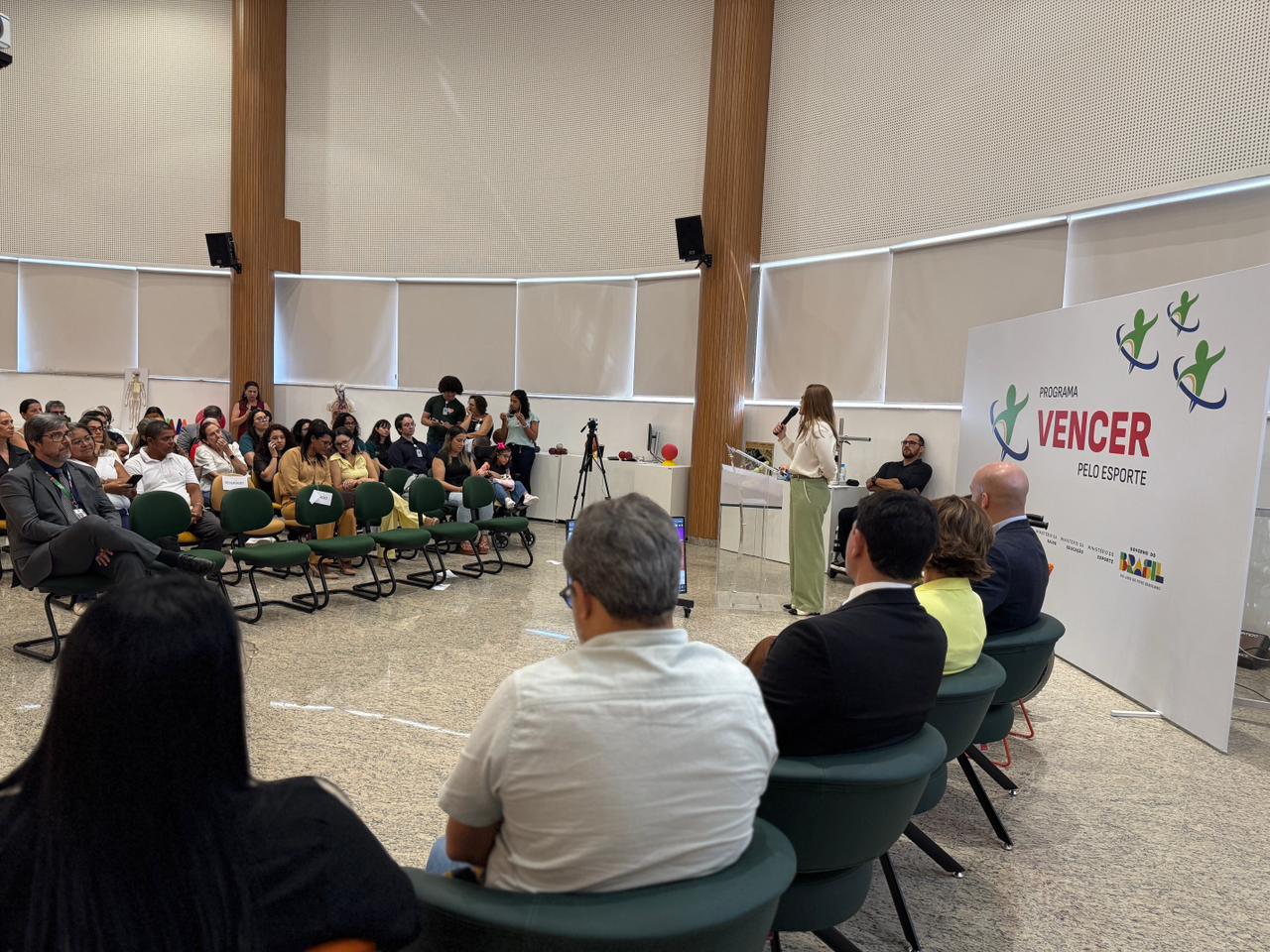
Participants at the meeting – held via videoconference – highlighted challenges, such as the need for this intersection, as well as the advantages of PAX.
In addition to the ISD, representatives from institutions such as the Federal University of Rio Grande do Norte (UFRN), the State University of RN (UERN), the Federal Institute of Education, Science and Technology (IFRN) were also present at the meeting. Research Support Foundation of the State of Rio Grande do Norte (Fapern) and State Secretariat for Economic Development (Sedec).
Dialogue
“I place hopes in the Science and Technology Park for a closer dialogue with the productive sector, in a language that they (businesspeople) understand, with the objectivity they require and with the strategy of fostering this culture of a stronger intersection between the productive sector and academia,” said the ISD general director.
The Institute is one of the founders of the project and will be part of the board of directors when it is up and running.
“We operate in areas of great interest to the productive sector, but we need to pave this road and build more bridges so that increasing numbers of products and patents become reality. We need to recognize that our interaction with companies is still incipient, but that it has strength and potential,” he added.
Investment
The Augusto Severo Science and Technology Park (PAX) began to be designed in 2018 in Rio Grande do Norte, through the articulation of several partners, and will require R$75.26 million in investments.
The resources are planned for five implementation stages, distributed between the years 2022 and 2040.
Of the total amount to be invested, approximately R$1.8 million, or R$10.621 million, is expected from the World Bank. The remainder is expected to come from public financing and private partnerships.
The expectation is to attract companies from Brazil and abroad interested in technologies in the areas of energy, health and industry 4.0 – initially anchors of the project – but also in sectors such as aerospace, ceramics, minerals and cosmetics.
“The main purpose of the project is to generate more social and economic development,” said UFRN advisor and PAX coordinator, Ângela Paiva, at a meeting with partners that preceded the meeting with the British consultant.
This Tuesday, Freitas Júnior, from ISD, reinforced, however, that “the intersection between academia and the productive sector is a concrete necessity for the development ecosystem catalyzed by research and innovation to happen”.
“The contribution of the productive sector is essential and PAX will function as an institution that articulates these interests,” he highlighted.
Market
Hodgson, a World Bank consultant, cited the visible articulation between educational institutions in the state as an advantage of the project and as an unusual movement compared to others he has observed around the world.
“Research institutes are usually very comfortable working in their own areas and are not as interested in collaborating with others who work closely with them, but that doesn’t seem to be the case here,” he said.
Challenges that the project faces along the way were also clear, however, in the British view.
“One of the challenges I see is that Natal has many resources, but it is on the 'periphery'. How can we build the interest of the productive sector, which is not necessarily here in Rio Grande do Norte now?” he pointed out, among other questions raised for reflection by researchers and directors of institutions who attended the meeting.
“What areas should the Rio Grande do Norte Science and Technology Park focus on? What can it add to what universities and research institutes in the state are already doing?” were other questions in the initial analysis of the project.
Sustainability
“I see these issues raised (by the consultant) as strategic and essential skepticism for the project to be sustainable,” said Freitas Júnior, from ISD, in response to the doubts, reinforcing that the Santos Dumont Institute supports the Park’s position on the areas recognized as the most viable and sustainable to integrate the complex. “Focus is essential.”
PAX must operate in a UFRN building next to Edmond and Lily Safra International Institute of Neurosciences, ISD, in the area in Macaíba currently known as Brain Campus.
Jovan Gadioli dos Santos, administrative director of ISD and coordinator of the Mais Gestão working group – one of the groups that structures the various operational fronts of the Park and whose role is to prepare the standards and procedures that will be adopted in the project, such as notices for companies, purchasing regulations and job and salary plans – reinforces the view that the Park is a facilitator for interaction between universities, research institutes and industry in the areas in which it will operate.
“What we cannot have are projects developed at universities and research institutes becoming purely academic projects. We need companies, businesses, and entrepreneurship so that these products reach the market, improve people’s quality of life, and stimulate development,” said the administrative director.
“And it’s not about having a ‘middleman’ doing this for researchers – but about having a facilitator of this interaction. The park plays a fundamental role. It shortens the path and facilitates the interaction between academia and companies, bringing what the researcher does to the needs of the productive sector and society. We see this interaction as an opportunity to go to market with products with technological content that can make a difference,” he added.
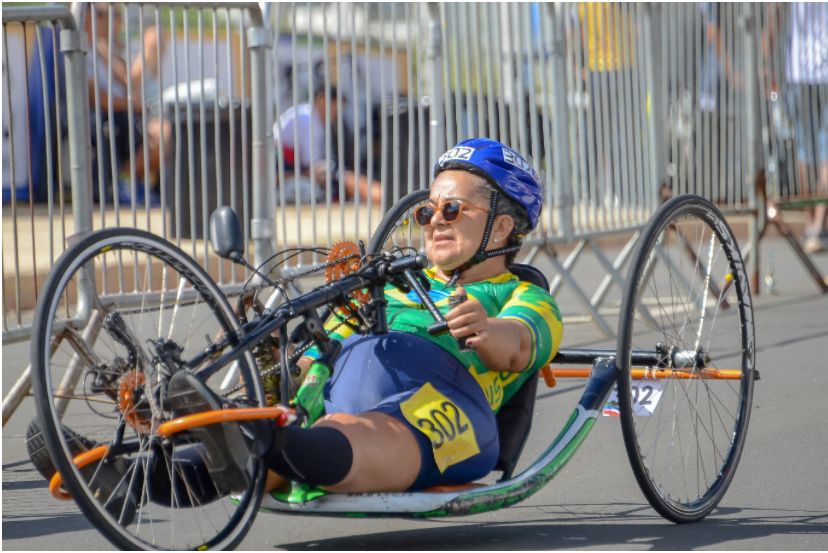
The use of technologies in the health sector, to improve medical care and rehabilitation of people with disabilities and/or spinal cord injuries, is the area in which the ISD should invest in the project.
“We can offer companies technologies that have development potential and ask them what challenges and technological bottlenecks they face,” says Gadioli. “And we believe that PAX can accelerate the meeting between these demands and the provision of solutions.”
Text: Renata Moura – Journalist / Ascom – ISD
Images: reproduction
Communication Office
comunicacao@isd.org.br
(84) 99416-1880
Santos Dumont Institute (ISD)
It is a Social Organization linked to the Ministry of Education (MEC) and includes the Edmond and Lily Safra International Institute of Neurosciences and the Anita Garibaldi Health Education and Research Center, both in Macaíba. ISD's mission is to promote education for life, forming citizens through integrated teaching, research and extension actions, in addition to contributing to a fairer and more humane transformation of Brazilian social reality.