
International Spina Bifida and Hydrocephalus Day is remembered in action at ISD

Posted in October 26, 2021

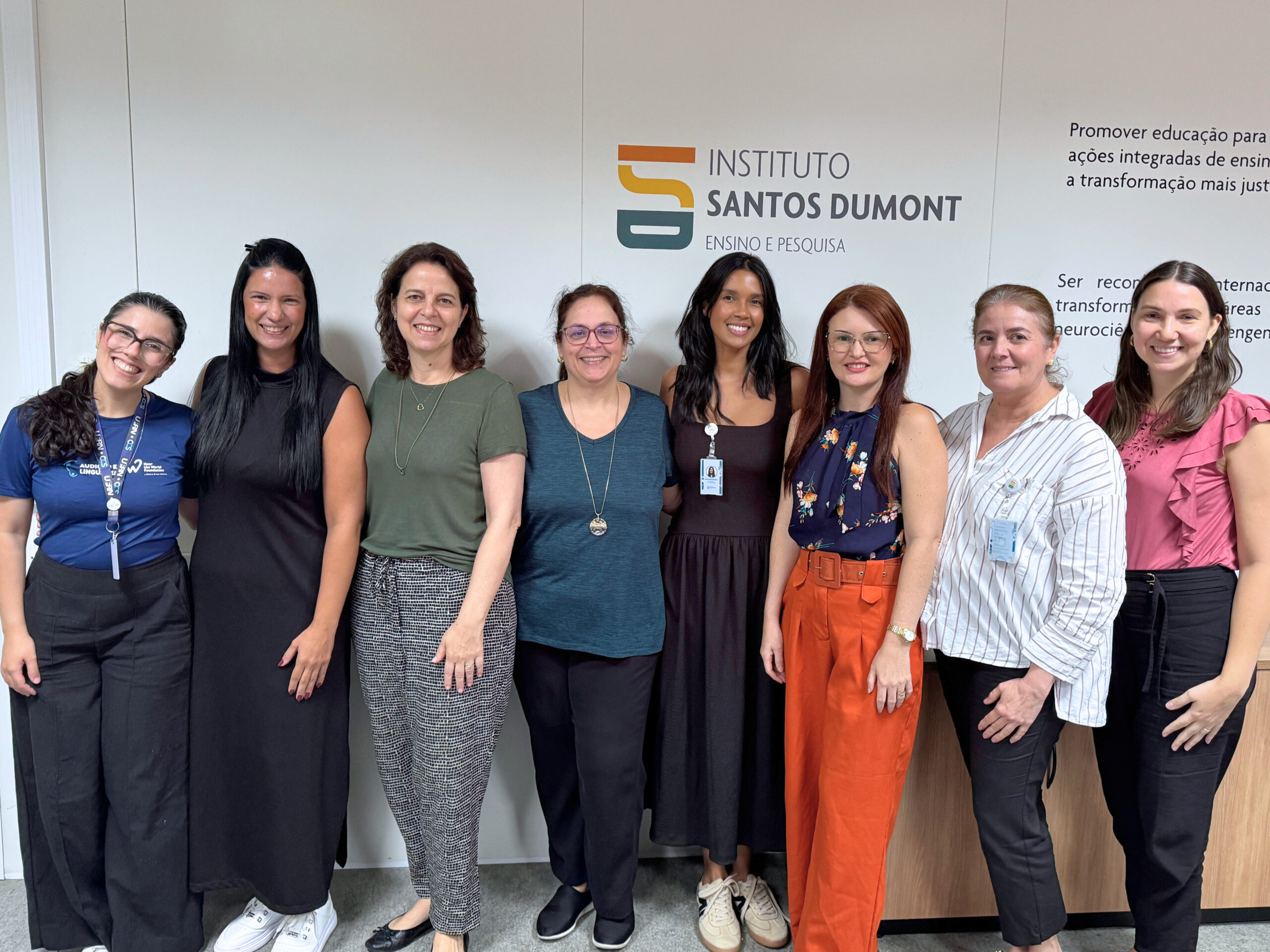
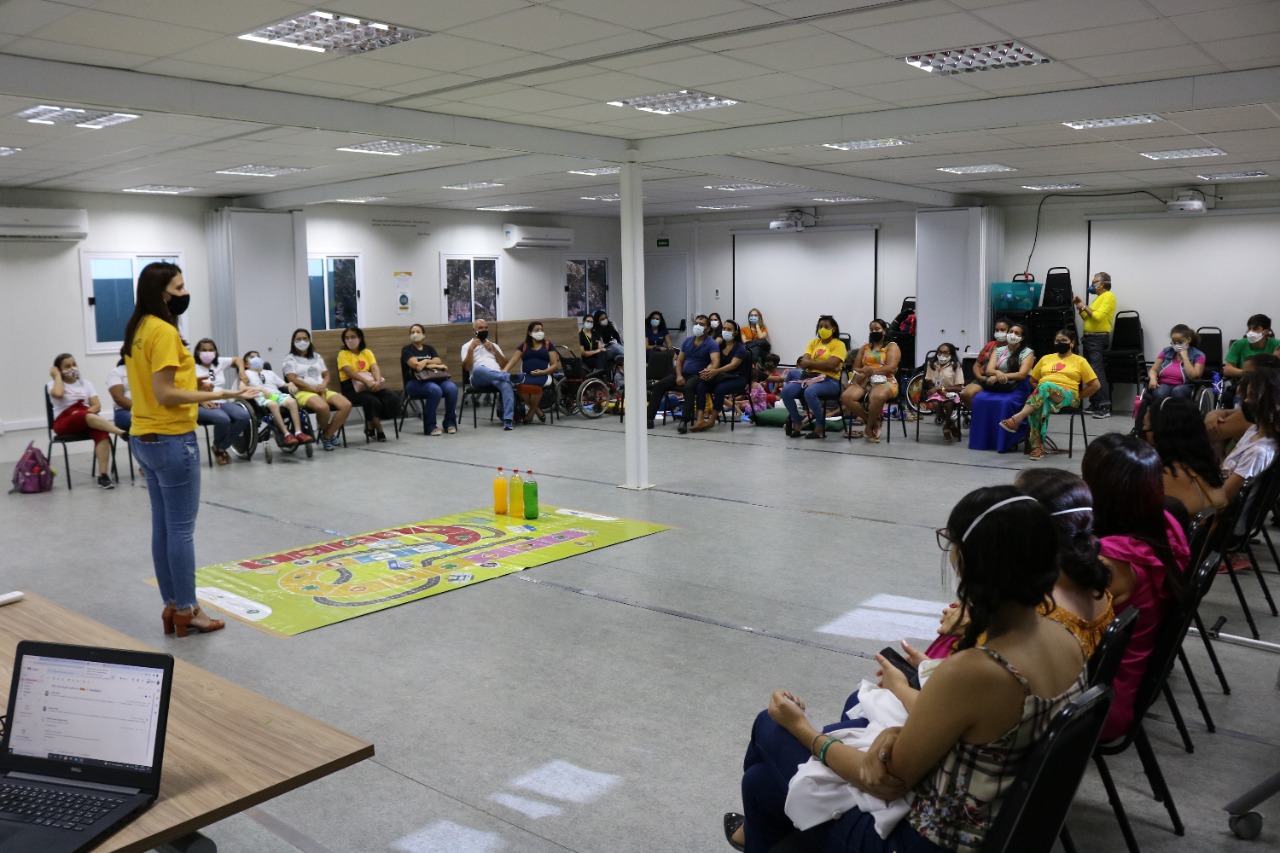
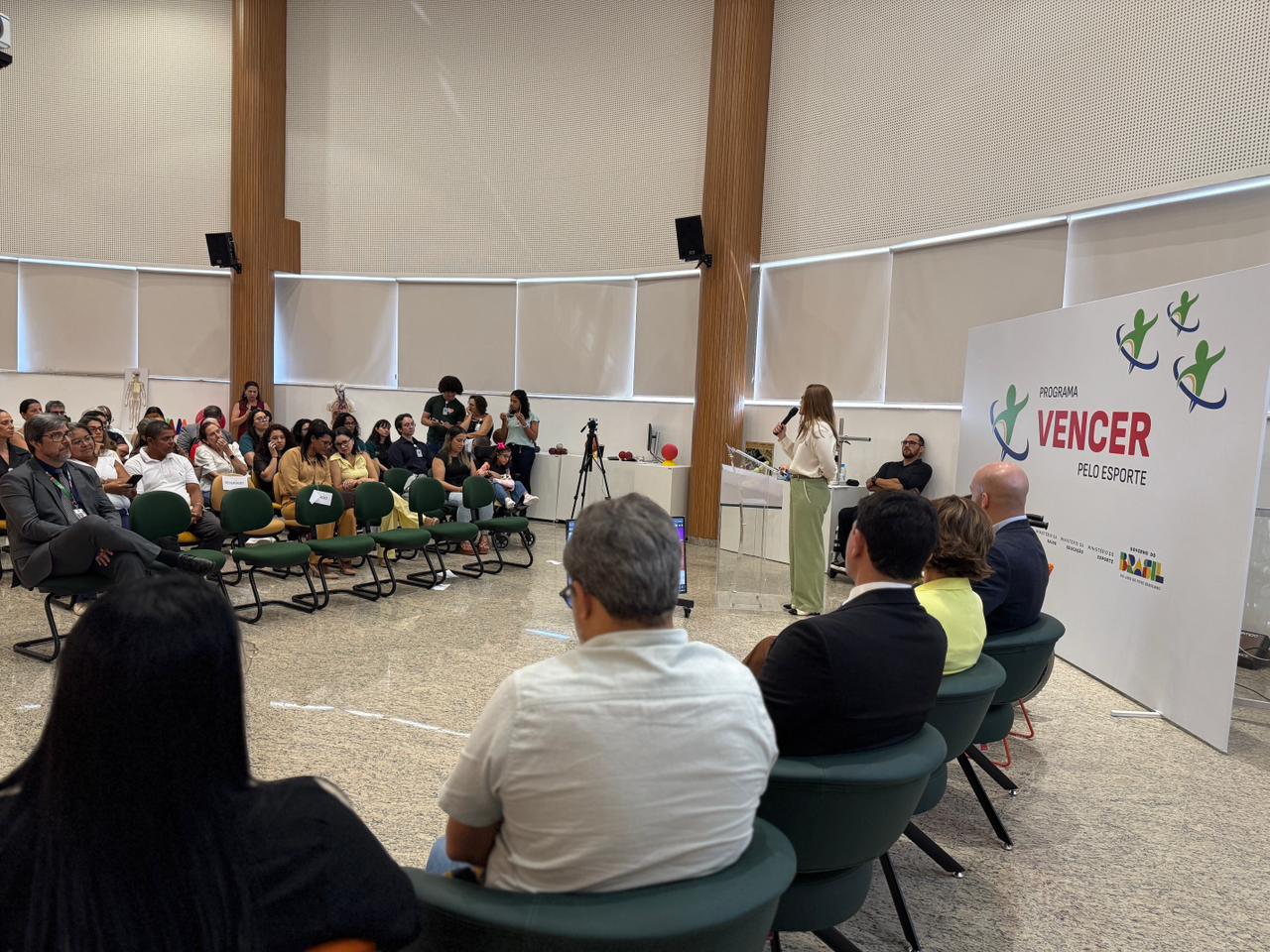
International Spina Bifida and Hydrocephalus Day, celebrated this Monday (10/25), was remembered at the Santos Dumont Institute (ISD), in Macaíba, with an interactive event involving parents, family members, children and adolescents with the condition. The theme of the meeting, which consisted of a question and answer game, revolved around the neurogenic bladder and intestine based on demands from ISD users and members of the Neurinho Association, ISD's partner in the event.


“We, the Multidisciplinary Team of the Pediatric Spinal Cord Injury Clinic, together with the multidisciplinary residents and Neurinho, carried out a Health Education action to discuss in a fun and interactive way neurogenic bladder and bowel, a demand brought by children with spina bifida and their families. Several important issues related to this care were discussed and a lot of information and exchange of experiences took place through a board game with questions and answers. We believe that actions like this strengthen the re(h)abilitation process and bring users and their families to actively participate in this care. In addition, the date for this action marked the International Spina Bifida and Hydrocephalus Day, to shed light on the topic and raise awareness about this health condition as a way to strengthen actions to remove attitudinal barriers and facilitate the social participation of these people”, comments Camila Simão, multidisciplinary physiotherapist preceptor at ISD. 


Popularly known as open spine disease, spina bifida is the health condition that affects most babies, children and adolescents with spinal cord injuries treated at the ISD Specialized Rehabilitation Center. Today, there are 73 patients undergoing multidisciplinary follow-up at the ISD Pediatric Spinal Cord Injury Clinic. There is no data on the total or approximate number of people with this disease in Rio Grande do Norte.


According to Camila Simão, a multidisciplinary preceptor and physiotherapist at ISD, spina bifida is a malformation of the vertebral arches that protect the spinal cord, creating a kind of “pouch” outside the spinal column. The most common and also most serious type is myelomeningocele, which behaves like a congenital spinal cord injury and people who have this health condition have motor and sensory deficiencies, in addition to neurogenic bladder and intestines. Very commonly associated with myelomeningocele, these children have hydrocephalus, which also requires specialized monitoring and care.”


The event discussed issues raised by patients and family members treated at the ISD Pediatric Spinal Cord Injury Clinic, which is formed by a multidisciplinary team of physiotherapists, neuropsychologists, occupational therapists, speech therapists, an orthopedist, a neurosurgeon and a urologist. Students from the Multidisciplinary Residency in Healthcare for People with Disabilities participated in the event, answering questions from parents and family members of people with spina bifida. 


Members and the new board of directors of the Association participated in Neurinho. Neurinho is a non-profit association that was created by the encouragement of neurosurgeon Dr. Mércia Jeanne Duarte Bezerra with the aim of supporting children with myelomeningocele and their families in the special care of this pathology, also counting on the support of the team at the Pediatric Hospital of the Federal University of Rio Grande do Norte (Hosped/UFRN).

Text: Ricardo Araújo / Ascom – ISD

Photograph: Ascom – ISD

Communication Office
comunicacao@isd.org.br
(84) 99416-1880

Santos Dumont Institute (ISD)

It is a Social Organization linked to the Ministry of Education (MEC) and includes the Edmond and Lily Safra International Institute of Neurosciences and the Anita Garibaldi Health Education and Research Center, both in Macaíba. ISD's mission is to promote education for life, forming citizens through integrated teaching, research and extension actions, in addition to contributing to a fairer and more humane transformation of Brazilian social reality.
Communication Office
comunicacao@isd.org.br
(84) 99416-1880

Share this news

Recommended

More news

International Spina Bifida and Hydrocephalus Day is remembered in action at ISD

International Spina Bifida and Hydrocephalus Day, celebrated this Monday (10/25), was remembered at the Santos Dumont Institute (ISD), in Macaíba, with an interactive event involving parents, family members, children and adolescents with the condition. The theme of the meeting, which consisted of a question and answer game, revolved around the neurogenic bladder and intestine based on demands from ISD users and members of the Neurinho Association, ISD's partner in the event.


“We, the Multidisciplinary Team of the Pediatric Spinal Cord Injury Clinic, together with the multidisciplinary residents and Neurinho, carried out a Health Education action to discuss in a fun and interactive way neurogenic bladder and bowel, a demand brought by children with spina bifida and their families. Several important issues related to this care were discussed and a lot of information and exchange of experiences took place through a board game with questions and answers. We believe that actions like this strengthen the re(h)abilitation process and bring users and their families to actively participate in this care. In addition, the date for this action marked the International Spina Bifida and Hydrocephalus Day, to shed light on the topic and raise awareness about this health condition as a way to strengthen actions to remove attitudinal barriers and facilitate the social participation of these people”, comments Camila Simão, multidisciplinary physiotherapist preceptor at ISD. 


Popularly known as open spine disease, spina bifida is the health condition that affects most babies, children and adolescents with spinal cord injuries treated at the ISD Specialized Rehabilitation Center. Today, there are 73 patients undergoing multidisciplinary follow-up at the ISD Pediatric Spinal Cord Injury Clinic. There is no data on the total or approximate number of people with this disease in Rio Grande do Norte.


According to Camila Simão, a multidisciplinary preceptor and physiotherapist at ISD, spina bifida is a malformation of the vertebral arches that protect the spinal cord, creating a kind of “pouch” outside the spinal column. The most common and also most serious type is myelomeningocele, which behaves like a congenital spinal cord injury and people who have this health condition have motor and sensory deficiencies, in addition to neurogenic bladder and intestines. Very commonly associated with myelomeningocele, these children have hydrocephalus, which also requires specialized monitoring and care.”


The event discussed issues raised by patients and family members treated at the ISD Pediatric Spinal Cord Injury Clinic, which is formed by a multidisciplinary team of physiotherapists, neuropsychologists, occupational therapists, speech therapists, an orthopedist, a neurosurgeon and a urologist. Students from the Multidisciplinary Residency in Healthcare for People with Disabilities participated in the event, answering questions from parents and family members of people with spina bifida. 


Members and the new board of directors of the Association participated in Neurinho. Neurinho is a non-profit association that was created by the encouragement of neurosurgeon Dr. Mércia Jeanne Duarte Bezerra with the aim of supporting children with myelomeningocele and their families in the special care of this pathology, also counting on the support of the team at the Pediatric Hospital of the Federal University of Rio Grande do Norte (Hosped/UFRN).

Text: Ricardo Araújo / Ascom – ISD

Photograph: Ascom – ISD

Communication Office
comunicacao@isd.org.br
(84) 99416-1880

Santos Dumont Institute (ISD)

It is a Social Organization linked to the Ministry of Education (MEC) and includes the Edmond and Lily Safra International Institute of Neurosciences and the Anita Garibaldi Health Education and Research Center, both in Macaíba. ISD's mission is to promote education for life, forming citizens through integrated teaching, research and extension actions, in addition to contributing to a fairer and more humane transformation of Brazilian social reality.
Communication Office
comunicacao@isd.org.br
(84) 99416-1880

Share this news