
In a year marked by challenges, ISD presents results to the MEC Evaluation Commission

Posted in April 26, 2021

The Monitoring and Evaluation Committee of the Management Contract Ministry of Education (MEC) with the Santos Dumont Institute (ISD) officially started today (26) the analysis of the results achieved by the Institute in the 13 indicators agreed with the MEC for 2020.

The indicators involve teaching, research, extension and administrative management.

The results in each area were presented on Monday morning by ISD leaders during a video conference with members of the Commission – and previously evaluated as “impressive”.

“Even with this complicated year that we have all had and are still having – we are now entering the second complicated year due to the pandemic – you are to be congratulated. I am impressed with everything you have done,” she said. The Secretary of Higher Education of the Ministry of Education, and one of the members of the Commission, Lúcia Christina Iochida.  

THE IMPORTANCE OF RESULTS

The MEC has been financing, monitoring and defining strategies that guide and help improve the performance of ISD activities since 2014. Approval of the Institute's annual report with the performance recorded in 2020 is one of the prerequisites for the renewal of the management contract signed between the parties, currently under negotiation. The current contract expires at the end of 2021. The parties are considering renewing it for at least another 10 years.

GOALS ACHIEVED

Despite the challenges brought about by the pandemic, more than half of the ISD’s goals for 2020 were met or exceeded, and this was the overview presented to the Commission. The presentation of the results was led by the ISD’s CEO, Reginaldo Freitas Júnior, the administrative director Jovan Gadioli dos Santos, the managers of the Institute’s units, Lilian Lisboa and Edgard Morya, and the planning advisor, Eduardo Frare. “Despite all the limitations and difficulties of the year, these are results that we are very proud to present. Resilience guided everyone’s work and what we achieved was very satisfactory,” said Freitas Júnior. 

COMMISSION

The Monitoring and Evaluation Committee of the MEC Management Contract with the ISD brings together specialists linked to universities and other Federal Government agencies qualified in the area of activity of Social Organizations. The Committee has, based on the presentation of the ISD Annual Report, five days to evaluate and produce the monitoring report for the period under analysis. 

THE CHALLENGES OF 2021

The videoconference included the presentation of the Institute's results, the analysis of the Commission's previous recommendations and the detailing, for evaluation, of the ISD's framework of targets and indicators for 2021. 

The MEC Evaluation Committee will have one week to evaluate the results presented.
Photo: Kamila Tuenia Ascom/ISD

Among the perspectives discussed during the meeting and which make up the next steps on the Institute's path are the creation of a doctoral program in Neuroengineering at the ISD and the consolidation of the Institute's Edmond and Lily Safra International Institute of Neurosciences as a National Open Laboratory available to researchers from Brazil and abroad.

The year, according to the Institute's general director, also begins amid challenges and as a thermometer of the role that the ISD has assumed. 

“The institution,” he said, “has found its calling as a Social Organization of the MEC, an effective arm of the federal government that has shown that its interest is to do, to transform, in a region with so many challenges to overcome.”

“We have been quite successful in assuming an articulating role between different social segments, respecting the demands presented by the communities with which we have made a commitment to social transformation, and this is what strengthens us,” said the director, adding that such demands and interactions strongly marked the Institute's trajectory in 2020.

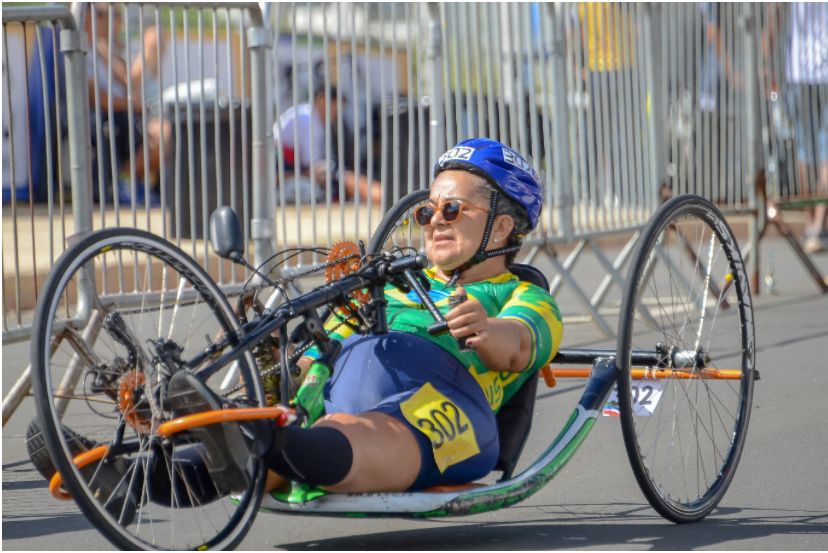
In addition to the strength of the Institute as a training center for professionals from all over Brazil for maternal and child health care, for people with disabilities and scientific production in these areas and in the fields of neuroscience and neuroengineering, in relation to 2020, the Institute's general director also recalled the scope of the actions, which reached 116 municipalities in Rio Grande do Norte and Paraíba, either through the more than 33 thousand health services provided or the 1,546 face shields produced and donated to health units on the front line of the fight against Covid-19. 

“In a year marked by limitations and difficulties, such as isolation, economic crisis and crisis in the health system, the ISD needed to be resilient and this resulted in the achievement or surpassing of eight of the thirteen agreed goals”, said Freitas Júnior.

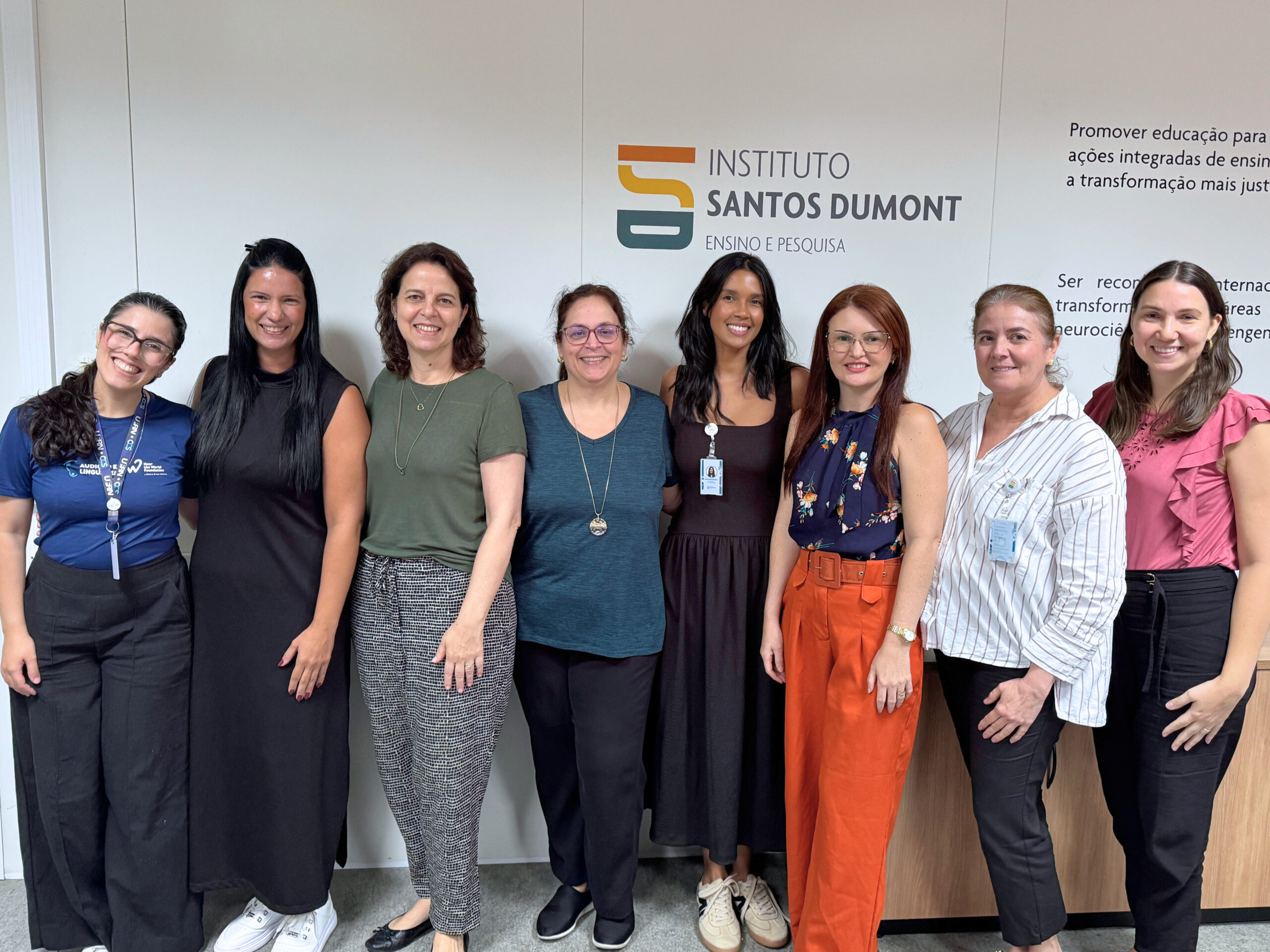
From the commission, the following were present at the video conference: Naimar Araújo Moretti, MEC project coordinator, Fábio de Abreu e Lima, from the São Paulo State University (Unesp), Lúcia Christina Iochida, from the MEC Higher Education Secretariat, Renato Evangelista de Araújo, from the Federal University of Pernambuco (UFPE) and Sylvia Helena Figueiredo, representative of the Ministry of Economy.  

Representing the Institute, 

The participants were the General Director of ISD, Reginaldo Freitas Jr, the administrative director, Jovan Gadioli, the manager of the Anita Garibaldi Center for Education and Health Research, Lilian Lira Lisboa, the manager of the Edmond and Lily Safra International Institute of Neuroscience, Edgard Morya and the planning advisor, Eduardo Frare. 

SERIES

Also access the series of reports #PorDentrodoISD, which details the results and in two texts already published shows how long it takes to form and Where do Neuroengineering masters go? graduates of the Institute – and what students of medicine, physiotherapy, psychology and speech therapy learn who do internship at ISD.
Text:  Renata Moura – Journalist / Ascom – ISD

Photograph: Kamila Tuenia – Journalism Intern / Ascom – ISD

Communication Office
comunicacao@isd.org.br
(84) 99416-1880

Santos Dumont Institute (ISD)

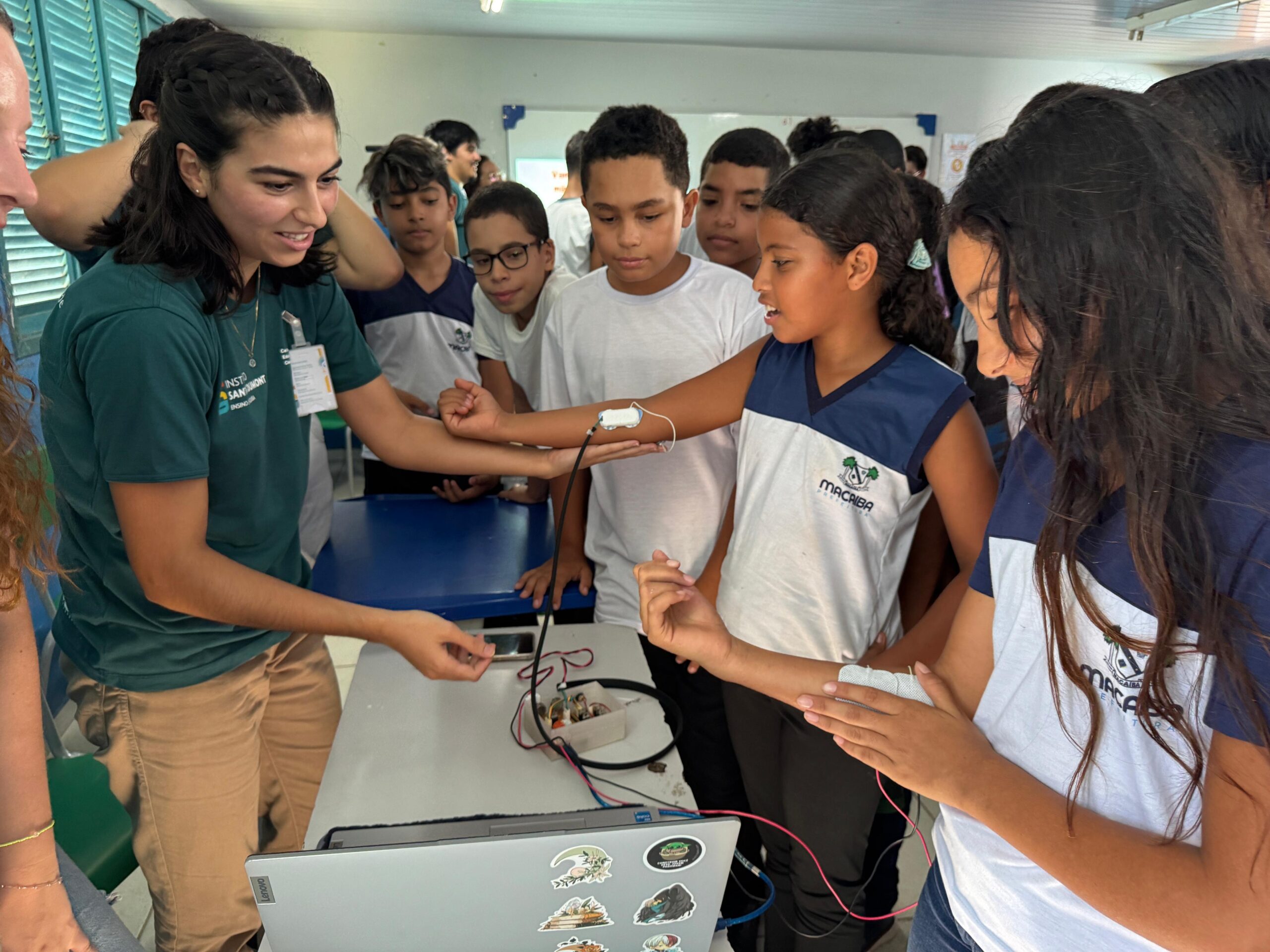
It is a Social Organization linked to the Ministry of Education (MEC) and includes the Edmond and Lily Safra International Institute of Neurosciences and the Anita Garibaldi Health Education and Research Center, both in Macaíba. ISD's mission is to promote education for life, forming citizens through integrated teaching, research and extension actions, in addition to contributing to a fairer and more humane transformation of Brazilian social reality.

Communication Office
comunicacao@isd.org.br
(84) 99416-1880

Share this news

Recommended

More news

In a year marked by challenges, ISD presents results to the MEC Evaluation Commission

The Monitoring and Evaluation Committee of the Management Contract Ministry of Education (MEC) with the Santos Dumont Institute (ISD) officially started today (26) the analysis of the results achieved by the Institute in the 13 indicators agreed with the MEC for 2020.

The indicators involve teaching, research, extension and administrative management.

The results in each area were presented on Monday morning by ISD leaders during a video conference with members of the Commission – and previously evaluated as “impressive”.

“Even with this complicated year that we have all had and are still having – we are now entering the second complicated year due to the pandemic – you are to be congratulated. I am impressed with everything you have done,” she said. The Secretary of Higher Education of the Ministry of Education, and one of the members of the Commission, Lúcia Christina Iochida.  

THE IMPORTANCE OF RESULTS

The MEC has been financing, monitoring and defining strategies that guide and help improve the performance of ISD activities since 2014. Approval of the Institute's annual report with the performance recorded in 2020 is one of the prerequisites for the renewal of the management contract signed between the parties, currently under negotiation. The current contract expires at the end of 2021. The parties are considering renewing it for at least another 10 years.

GOALS ACHIEVED

Despite the challenges brought about by the pandemic, more than half of the ISD’s goals for 2020 were met or exceeded, and this was the overview presented to the Commission. The presentation of the results was led by the ISD’s CEO, Reginaldo Freitas Júnior, the administrative director Jovan Gadioli dos Santos, the managers of the Institute’s units, Lilian Lisboa and Edgard Morya, and the planning advisor, Eduardo Frare. “Despite all the limitations and difficulties of the year, these are results that we are very proud to present. Resilience guided everyone’s work and what we achieved was very satisfactory,” said Freitas Júnior. 

COMMISSION

The Monitoring and Evaluation Committee of the MEC Management Contract with the ISD brings together specialists linked to universities and other Federal Government agencies qualified in the area of activity of Social Organizations. The Committee has, based on the presentation of the ISD Annual Report, five days to evaluate and produce the monitoring report for the period under analysis. 

THE CHALLENGES OF 2021

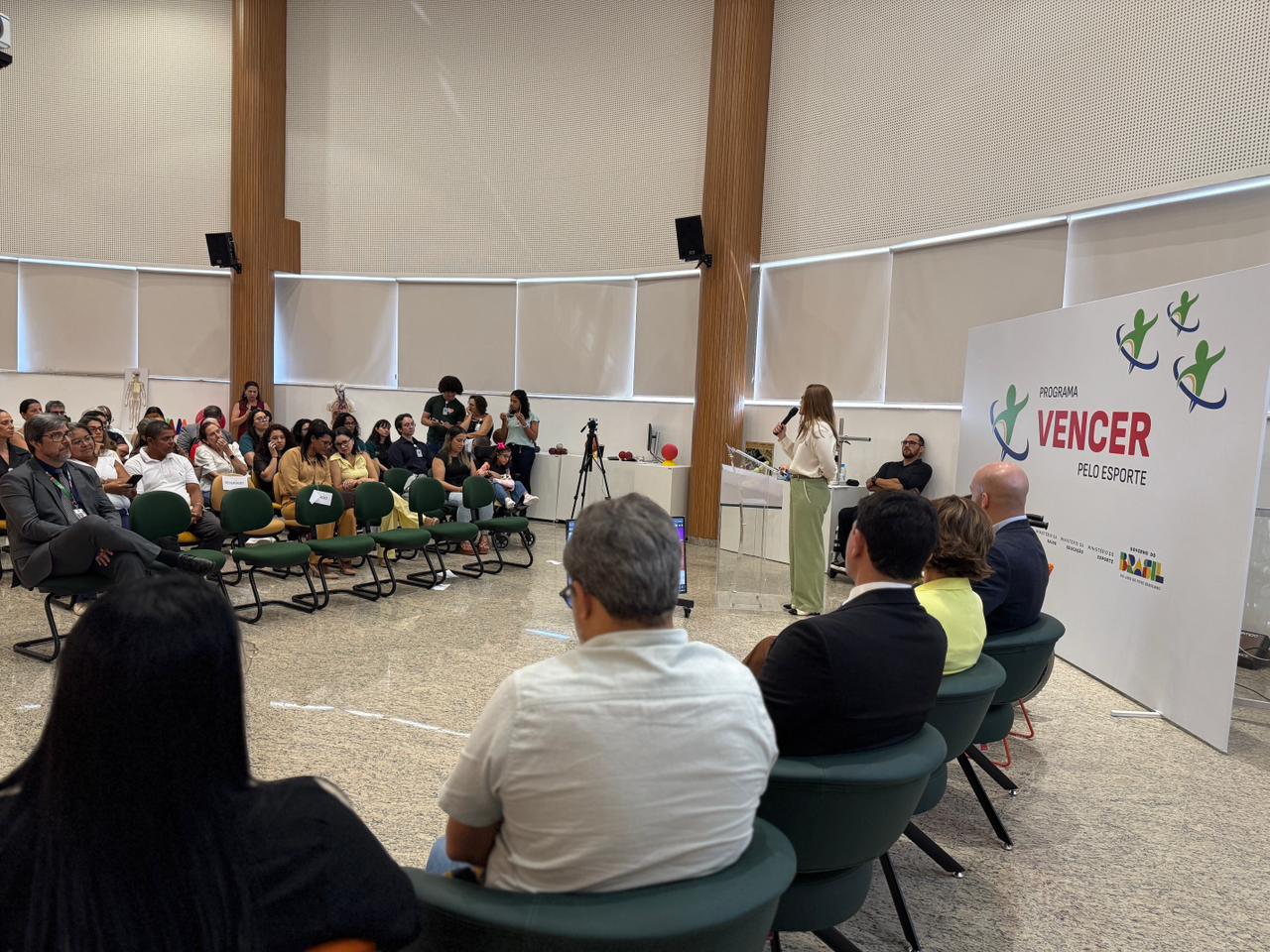
The videoconference included the presentation of the Institute's results, the analysis of the Commission's previous recommendations and the detailing, for evaluation, of the ISD's framework of targets and indicators for 2021. 

The MEC Evaluation Committee will have one week to evaluate the results presented.
Photo: Kamila Tuenia Ascom/ISD

Among the perspectives discussed during the meeting and which make up the next steps on the Institute's path are the creation of a doctoral program in Neuroengineering at the ISD and the consolidation of the Institute's Edmond and Lily Safra International Institute of Neurosciences as a National Open Laboratory available to researchers from Brazil and abroad.

The year, according to the Institute's general director, also begins amid challenges and as a thermometer of the role that the ISD has assumed. 

“The institution,” he said, “has found its calling as a Social Organization of the MEC, an effective arm of the federal government that has shown that its interest is to do, to transform, in a region with so many challenges to overcome.”

“We have been quite successful in assuming an articulating role between different social segments, respecting the demands presented by the communities with which we have made a commitment to social transformation, and this is what strengthens us,” said the director, adding that such demands and interactions strongly marked the Institute's trajectory in 2020.

In addition to the strength of the Institute as a training center for professionals from all over Brazil for maternal and child health care, for people with disabilities and scientific production in these areas and in the fields of neuroscience and neuroengineering, in relation to 2020, the Institute's general director also recalled the scope of the actions, which reached 116 municipalities in Rio Grande do Norte and Paraíba, either through the more than 33 thousand health services provided or the 1,546 face shields produced and donated to health units on the front line of the fight against Covid-19. 

“In a year marked by limitations and difficulties, such as isolation, economic crisis and crisis in the health system, the ISD needed to be resilient and this resulted in the achievement or surpassing of eight of the thirteen agreed goals”, said Freitas Júnior.

From the commission, the following were present at the video conference: Naimar Araújo Moretti, MEC project coordinator, Fábio de Abreu e Lima, from the São Paulo State University (Unesp), Lúcia Christina Iochida, from the MEC Higher Education Secretariat, Renato Evangelista de Araújo, from the Federal University of Pernambuco (UFPE) and Sylvia Helena Figueiredo, representative of the Ministry of Economy.  

Representing the Institute, 

The participants were the General Director of ISD, Reginaldo Freitas Jr, the administrative director, Jovan Gadioli, the manager of the Anita Garibaldi Center for Education and Health Research, Lilian Lira Lisboa, the manager of the Edmond and Lily Safra International Institute of Neuroscience, Edgard Morya and the planning advisor, Eduardo Frare. 

SERIES

Also access the series of reports #PorDentrodoISD, which details the results and in two texts already published shows how long it takes to form and Where do Neuroengineering masters go? graduates of the Institute – and what students of medicine, physiotherapy, psychology and speech therapy learn who do internship at ISD.
Text:  Renata Moura – Journalist / Ascom – ISD

Photograph: Kamila Tuenia – Journalism Intern / Ascom – ISD

Communication Office
comunicacao@isd.org.br
(84) 99416-1880

Santos Dumont Institute (ISD)

It is a Social Organization linked to the Ministry of Education (MEC) and includes the Edmond and Lily Safra International Institute of Neurosciences and the Anita Garibaldi Health Education and Research Center, both in Macaíba. ISD's mission is to promote education for life, forming citizens through integrated teaching, research and extension actions, in addition to contributing to a fairer and more humane transformation of Brazilian social reality.

Communication Office
comunicacao@isd.org.br
(84) 99416-1880

Share this news