

23/06/2016
Text: Ariane Mondo – Ascom ISD
Photos: Luiz Juttel – Ascom ISD
Started in 2015, the Multidisciplinary Autism Spectrum Disorder Care Service (SEMEA) of Anita Garibaldi Health Education and Research Center (CEPS) is preparing to offer equine therapy as a complementary therapeutic method. The method uses horses, within an interdisciplinary approach, seeking the biopsychosocial development, rehabilitation and education of people with disabilities and/or special needs. Result of yet another successful partnership between ISD and UFRN, the initiative is the result of the project Potiguar Riding Therapy, coordinated by the professor Mario Cardoso, from the Jundiaí Agricultural School (EAJ/UFRN). The proposal seeks to benefit approximately 40 children from Macaíba (RN) and neighboring municipalities served by SEMEA.

Reginaldo Freitas Junior, director of teaching and research at Santos Dumont Institute (ISD), stated that this is an excellent initiative, a concrete example of education and interprofessional work, capable of strengthening the quality of care already provided by SEMEA/CEPS and with a great possibility of improving the quality of life of patients and their social interaction, bringing physical, psychological and social benefits.
Samantha Maranhão, a psychologist at SEMEA/CEPS, explains that hippotherapy has been recognized as a complementary therapeutic method by the Federal Council of Medicine since April 1997. In patients diagnosed with Autistic Spectrum Disorder (ASD), equine therapy can enhance forms of communication, socialization, self-confidence and self-esteem of practitioners and their families.
Preparation for hippotherapy at CEPS in Macaíba (RN)
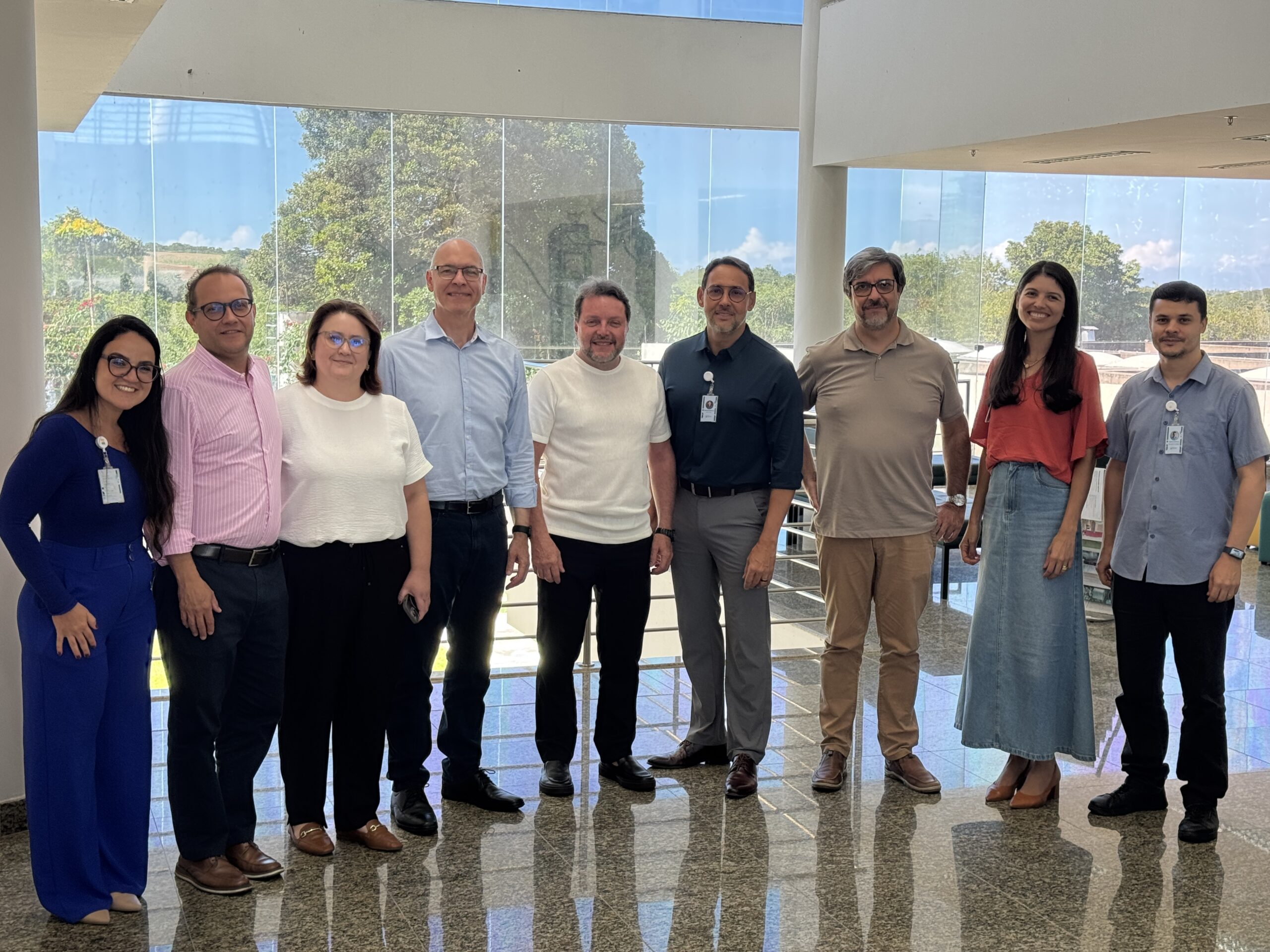
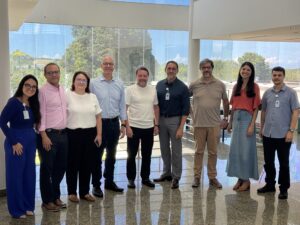
In the context of planning equine therapy activities in Institutional Program for Education and Interprofessional Work in Maternal and Child Health of Santos Dumont Institute (ISD), on June 14, 2016, CEPS received two experts on the subject.

One of them was Mario Cardoso (EAJ/UFRN), project creator Potiguar Riding Therapy, Master in Animal Science, who spoke about equine therapy as a therapeutic resource that complements traditional therapies for individuals with special needs. In his speech, the professor gave a history of the use of horses as an agent that facilitates the clinical progress of practitioners, clarifying the types and particularities of riding techniques and equestrian activities. He also explained that equine therapy requires an interdisciplinary team, usually composed of a rider, physiotherapist, psychologist, speech therapist and occupational therapist.
Sanny Aquino Ferreira, of Rio Grande do Norte Equine Therapy Center (CERN), discussed “The Role of Physiotherapy in Equine Therapy”, providing examples of how the horse’s gait and trot can help improve the sensory and motor development of practitioners with neurological disorders or global developmental delays. She explained how the three-dimensional movement provided by the horse brings benefits to practitioners, but emphasized that equine therapy is not limited to riding a horse. It is part of an interprofessional health work capable of discussing, planning and developing the most appropriate intervention strategy for the practitioner.
Institutional Program for Education and Interprofessional Work in Maternal and Child Health (PISD3)
This is one of the Programs of the Santos Dumont Institute (ISD), under the responsibility of Anita Garibaldi Health Education and Research Center (CEPS). Launched in 2016 and lasting until 2020, this Program aims to work on the training, development and continuing education of health professionals, developing integrated teaching, research and extension actions centered on the concepts of social responsibility, equity, quality and efficiency, to generate scientific evidence, develop strategies and promote partnerships capable of strengthening and assisting the Unified Health System (SUS). The provision of multidisciplinary maternal and child health care services, exclusively to SUS users, represents one of the important strategies for achieving the educational objectives of the Program.
More information about CEPS: https://institutosantosdumont.org.br/centro-de-educacao-e-pesquisa-em-saude-anita-garibaldi/