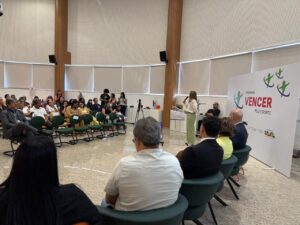

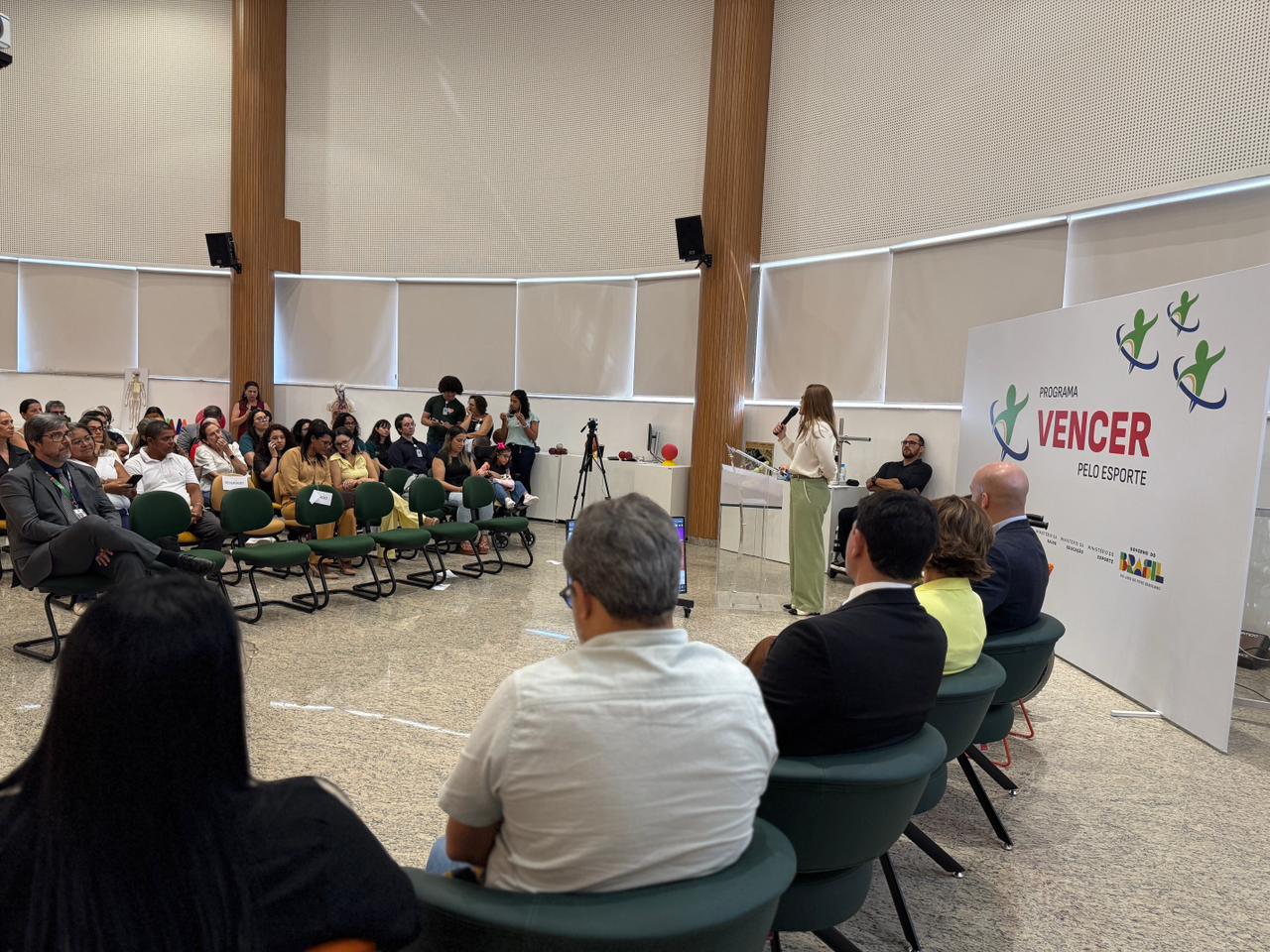
Event at IIN-ELS debates expanding assistance to people with motor disabilities

Posted in July 9, 2021

According to data from the Brazilian Institute of Geography and Statistics (IBGE), Rio Grande do Norte has over 45,000 people with some type of motor disability. Of these, around 18,000 are classified as having severe motor disabilities, who depend on orthoses, prostheses and mobility aids to maintain a minimum level of independence and quality of life. To increase their access to services offered by Specialized Rehabilitation Centers (CER), the Edmond and Lily Safra International Institute of Neuroscience (IIN-ELS) will host a meeting between July 8 and 9, in partnership with the State Department of Public Health (Sesap/RN), with representatives from the 8 Regional Health Departments of Rio Grande do Norte to discuss and structure the 'Rehabilitation Program with Dispensing of Orthoses and Orthopedic Prostheses Not Related to Surgical Procedures and Mobility Aids'. 


According to Marilene Soares, state coordinator of the Network for People with Disabilities, expanding the system of assistance to this group is an urgent need. The state currently has nine Specialized Rehabilitation Centers divided between seven of the eight Health Regions. The city of Assu, headquarters of the 8th Health Region of Rio Grande do Norte, does not yet have a structure for comprehensive assistance to people with disabilities. However, throughout Rio Grande do Norte, the provision of Orthoses, Prostheses and Mobility Aids (OPM) is a bottleneck. Only the Children's Rehabilitation Center (CRI) in Natal delivers this equipment. However, purchases are not regular, and some patients wait up to five years for a wheelchair, for example, which, when delivered, is no longer suitable for their needs, in some cases. 


“Our network works very well in other areas, but when it comes to OPM, there is a huge bottleneck. Rehabilitating a person with a disability goes beyond working with a professional (physiotherapist or occupational therapist),” Marilene Soares emphasizes. Alongside the general director of IIN-ELS, Edgard Morya, she opened the event that will be attended by professionals from the health area and administrative support from Specialized Rehabilitation Centers distributed throughout Rio Grande do Norte. Over the two-day meeting, they will discuss the possibilities of decentralizing OPM deliveries, changes in the Unified Health System (SUS) schedule related to this equipment, and the structuring of Orthopedic Workshops to reduce patient waiting times.


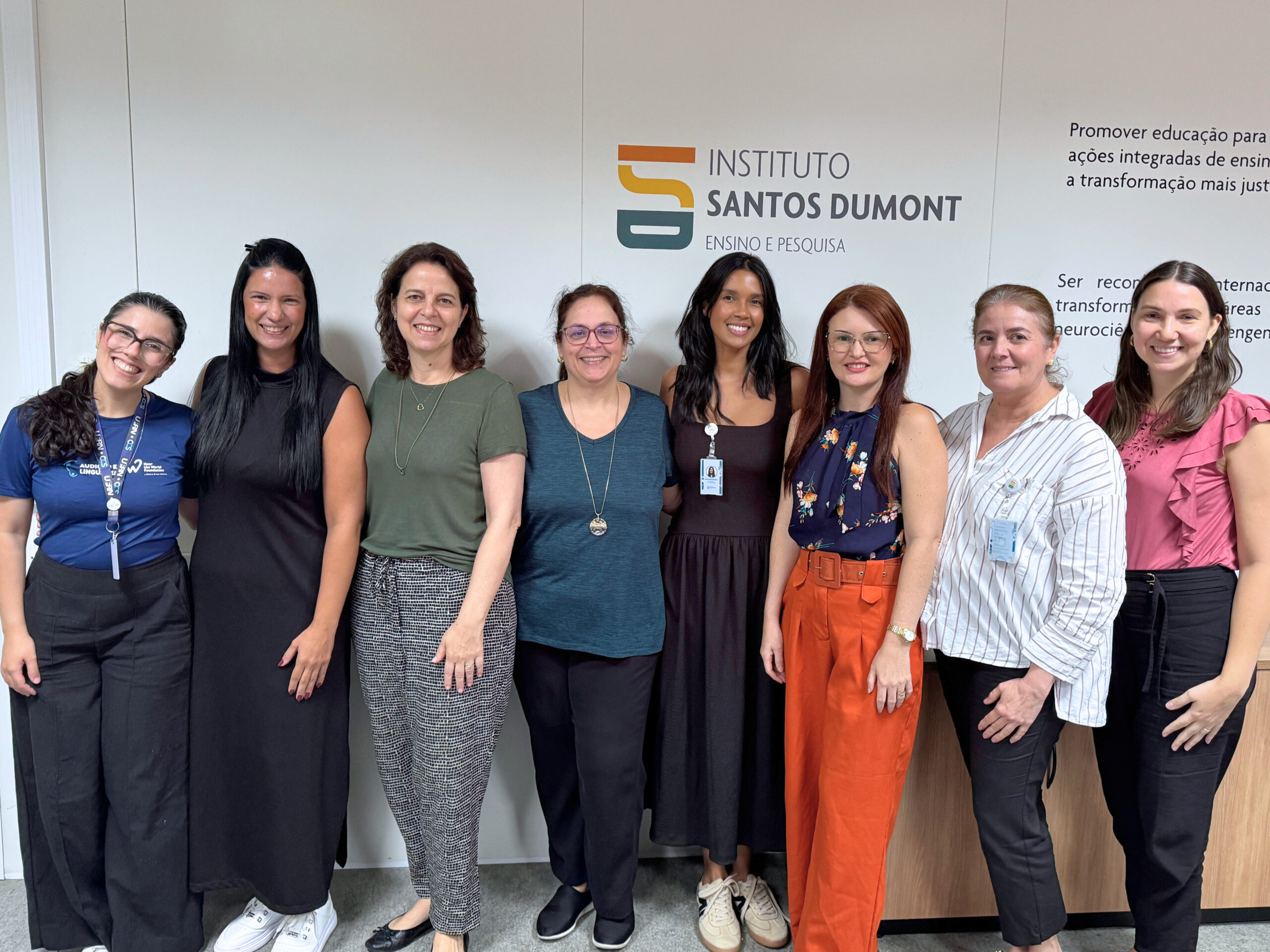
The multidisciplinary preceptor and coordinator of Physical Rehabilitation at CER III Anita Garibaldi, Camila Simão, emphasizes that holding the event at IIN-ELS is an opportunity to learn more about the demands of other Centers and to improve the work aimed at people with disabilities. “We are working together with Sesap and we are interested in strengthening this network of assistance to people with disabilities”, she emphasizes. CER III Anita Garibaldi, which operates in the rural area of Macaíba, serves patients from the region with physical, hearing and intellectual disabilities. Soon, the Center will begin to serve people with visual impairment, changing its size to level IV.


The Santos Dumont Institute has been providing rehabilitation services since 2017, when the Anita Garibaldi Center for Education and Health Research, a unit of the Institute located in Macaíba (RN), also began operating as a Specialized Rehabilitation Center (CER III). The ISD serves children with Cerebral Palsy (CP) in the context of specific CER clinics, such as Epilepsy and Microcephaly.


Orthopedic workshops


One way to reduce the waiting time for patients with disabilities to receive orthoses, prostheses and mobility aids is to set up orthopedic workshops. According to Marilene Soares, in Rio Grande do Norte, there is one in operation in the city of Pau dos Ferros, which serves patients from the Alto Oeste region. Sesap has begun construction of another in Guamaré, which is 60% in the works. Negotiations are underway to set up an orthopedic workshop at the CRI headquarters in Natal, and also at the Anita Garibaldi Health Education and Research Center in Macaíba. 

Text:  Ricardo Araújo / Ascom – ISD

Photograph: Ricardo Araújo / Ascom – ISD

Communication Office
comunicacao@isd.org.br
(84) 99416-1880

Santos Dumont Institute (ISD)

It is a Social Organization linked to the Ministry of Education (MEC) and includes the Edmond and Lily Safra International Institute of Neurosciences and the Anita Garibaldi Health Education and Research Center, both in Macaíba. ISD's mission is to promote education for life, forming citizens through integrated teaching, research and extension actions, in addition to contributing to a fairer and more humane transformation of Brazilian social reality.
Communication Office
comunicacao@isd.org.br
(84) 99416-1880

Share this news

Recommended

More news

Event at IIN-ELS debates expanding assistance to people with motor disabilities

According to data from the Brazilian Institute of Geography and Statistics (IBGE), Rio Grande do Norte has over 45,000 people with some type of motor disability. Of these, around 18,000 are classified as having severe motor disabilities, who depend on orthoses, prostheses and mobility aids to maintain a minimum level of independence and quality of life. To increase their access to services offered by Specialized Rehabilitation Centers (CER), the Edmond and Lily Safra International Institute of Neuroscience (IIN-ELS) will host a meeting between July 8 and 9, in partnership with the State Department of Public Health (Sesap/RN), with representatives from the 8 Regional Health Departments of Rio Grande do Norte to discuss and structure the 'Rehabilitation Program with Dispensing of Orthoses and Orthopedic Prostheses Not Related to Surgical Procedures and Mobility Aids'. 


According to Marilene Soares, state coordinator of the Network for People with Disabilities, expanding the system of assistance to this group is an urgent need. The state currently has nine Specialized Rehabilitation Centers divided between seven of the eight Health Regions. The city of Assu, headquarters of the 8th Health Region of Rio Grande do Norte, does not yet have a structure for comprehensive assistance to people with disabilities. However, throughout Rio Grande do Norte, the provision of Orthoses, Prostheses and Mobility Aids (OPM) is a bottleneck. Only the Children's Rehabilitation Center (CRI) in Natal delivers this equipment. However, purchases are not regular, and some patients wait up to five years for a wheelchair, for example, which, when delivered, is no longer suitable for their needs, in some cases. 


“Our network works very well in other areas, but when it comes to OPM, there is a huge bottleneck. Rehabilitating a person with a disability goes beyond working with a professional (physiotherapist or occupational therapist),” Marilene Soares emphasizes. Alongside the general director of IIN-ELS, Edgard Morya, she opened the event that will be attended by professionals from the health area and administrative support from Specialized Rehabilitation Centers distributed throughout Rio Grande do Norte. Over the two-day meeting, they will discuss the possibilities of decentralizing OPM deliveries, changes in the Unified Health System (SUS) schedule related to this equipment, and the structuring of Orthopedic Workshops to reduce patient waiting times.


The multidisciplinary preceptor and coordinator of Physical Rehabilitation at CER III Anita Garibaldi, Camila Simão, emphasizes that holding the event at IIN-ELS is an opportunity to learn more about the demands of other Centers and to improve the work aimed at people with disabilities. “We are working together with Sesap and we are interested in strengthening this network of assistance to people with disabilities”, she emphasizes. CER III Anita Garibaldi, which operates in the rural area of Macaíba, serves patients from the region with physical, hearing and intellectual disabilities. Soon, the Center will begin to serve people with visual impairment, changing its size to level IV.


The Santos Dumont Institute has been providing rehabilitation services since 2017, when the Anita Garibaldi Center for Education and Health Research, a unit of the Institute located in Macaíba (RN), also began operating as a Specialized Rehabilitation Center (CER III). The ISD serves children with Cerebral Palsy (CP) in the context of specific CER clinics, such as Epilepsy and Microcephaly.


Orthopedic workshops


One way to reduce the waiting time for patients with disabilities to receive orthoses, prostheses and mobility aids is to set up orthopedic workshops. According to Marilene Soares, in Rio Grande do Norte, there is one in operation in the city of Pau dos Ferros, which serves patients from the Alto Oeste region. Sesap has begun construction of another in Guamaré, which is 60% in the works. Negotiations are underway to set up an orthopedic workshop at the CRI headquarters in Natal, and also at the Anita Garibaldi Health Education and Research Center in Macaíba. 

Text:  Ricardo Araújo / Ascom – ISD

Photograph: Ricardo Araújo / Ascom – ISD

Communication Office
comunicacao@isd.org.br
(84) 99416-1880

Santos Dumont Institute (ISD)

It is a Social Organization linked to the Ministry of Education (MEC) and includes the Edmond and Lily Safra International Institute of Neurosciences and the Anita Garibaldi Health Education and Research Center, both in Macaíba. ISD's mission is to promote education for life, forming citizens through integrated teaching, research and extension actions, in addition to contributing to a fairer and more humane transformation of Brazilian social reality.
Communication Office
comunicacao@isd.org.br
(84) 99416-1880

Share this news