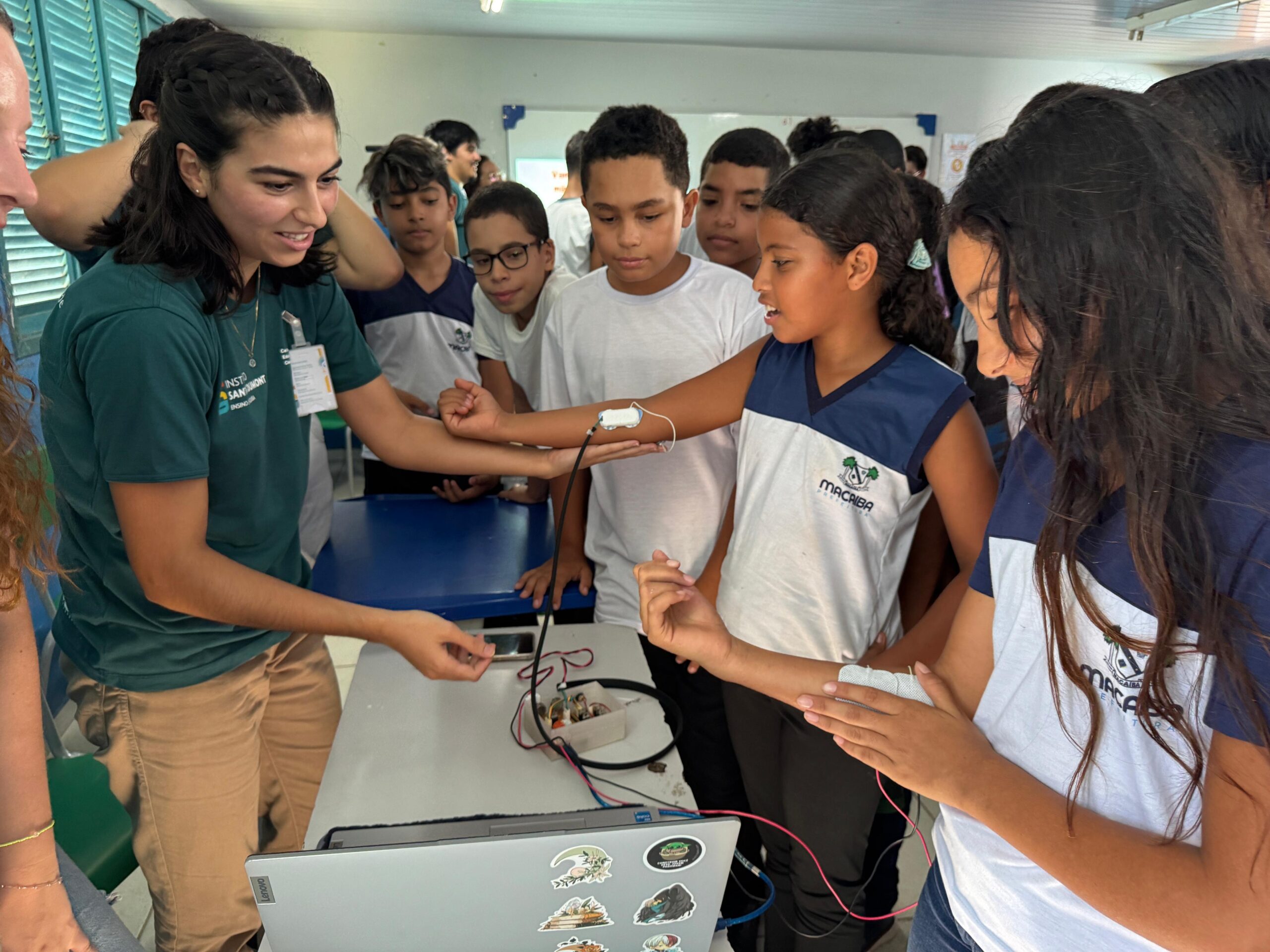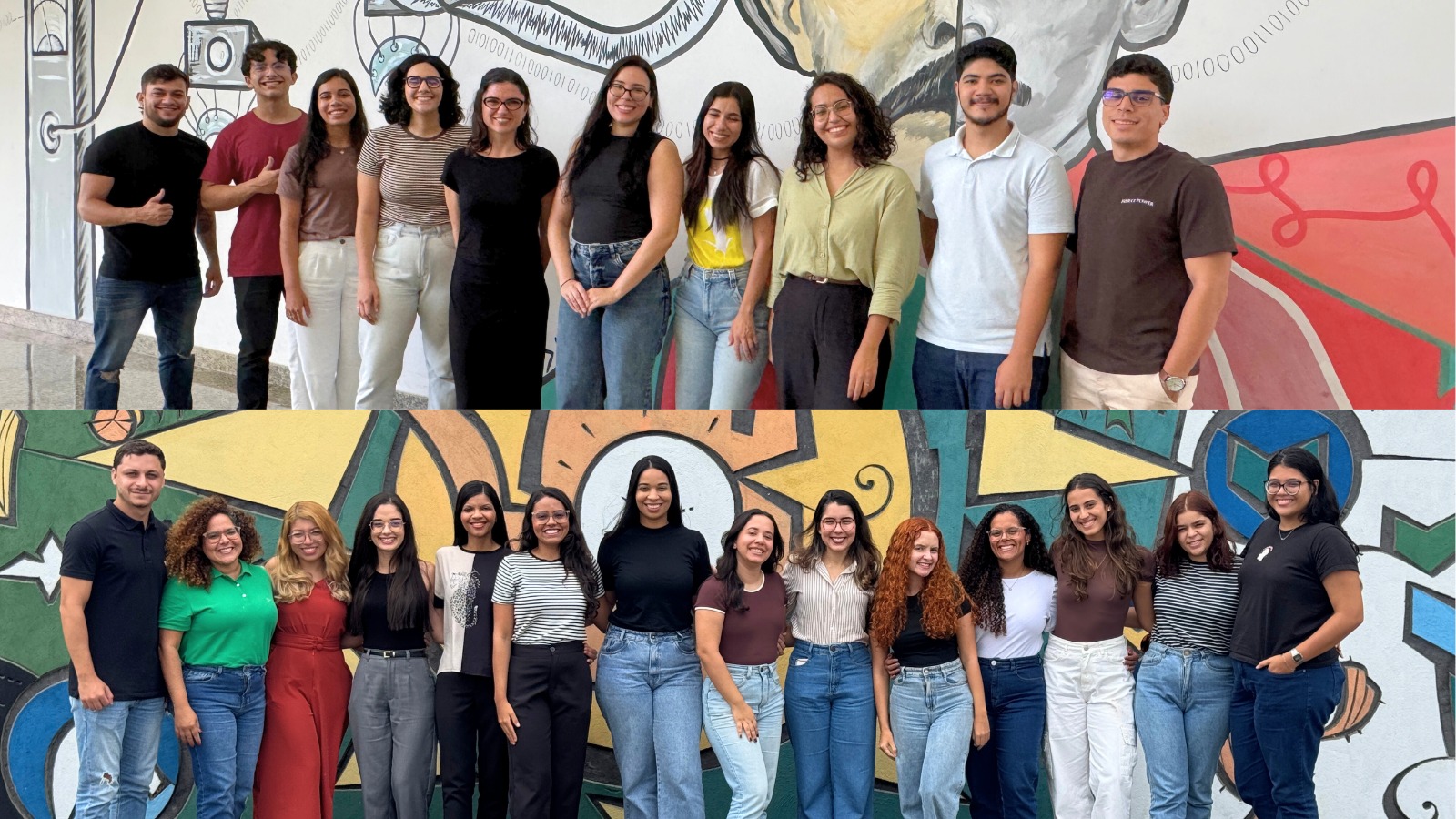



The Santos Dumont Institute (ISD) opens applications for the selection process for the Institution's Master's in Neuroengineering this Friday, May 27. For the selection of the 2022.2 class, 18 vacancies will be opened: 15 of which are open to the general public, two for graduates of the ISD Multiprofessional Residency Program in Healthcare for People with Disabilities (RESPCD/ISD), and one reserved for professors and staff of the Federal University of Rio Grande do Norte (UFRN). The selection process is aimed at people who hold an undergraduate degree in the areas of Health, Engineering, or Biology. Applications are free and will be accepted until June 17.
Created in 2013, the ISD Master's program in Neuroengineering is the first and only one in the country recognized by the Ministry of Education (MEC) in this area of knowledge. Its objective is to train highly qualified professionals, capable of acting with a global and interdisciplinary perspective in the development of scientific research and products in the area of Neuroengineering.
The curricular structure of the ISD Master's in Neuroengineering was designed to overcome the barriers that exist between undergraduate courses in the Exact and Biological Sciences. The curriculum is composed of four mandatory disciplines, which cover both areas. The Faculty is composed of 13 professors-researchers with extensive academic experience and internationally impactful research in the areas of Neuroscience and Neuroengineering within the institution's main research lines: Brain-Machine Interface and Neuromodulation..
Selection process
The selection process includes analysis of documents such as letters of intent, letters of recommendation, CV and academic record. For those approved at this stage, there is also an eliminatory and qualifying interview phase.
Candidates must register with one of the institution's current projects in mind, which involve topics such as the study of memories; Electrical Stimulation; development of Brain-Machine Interfaces; Neurorehabilitation and others.
Neuroengineering
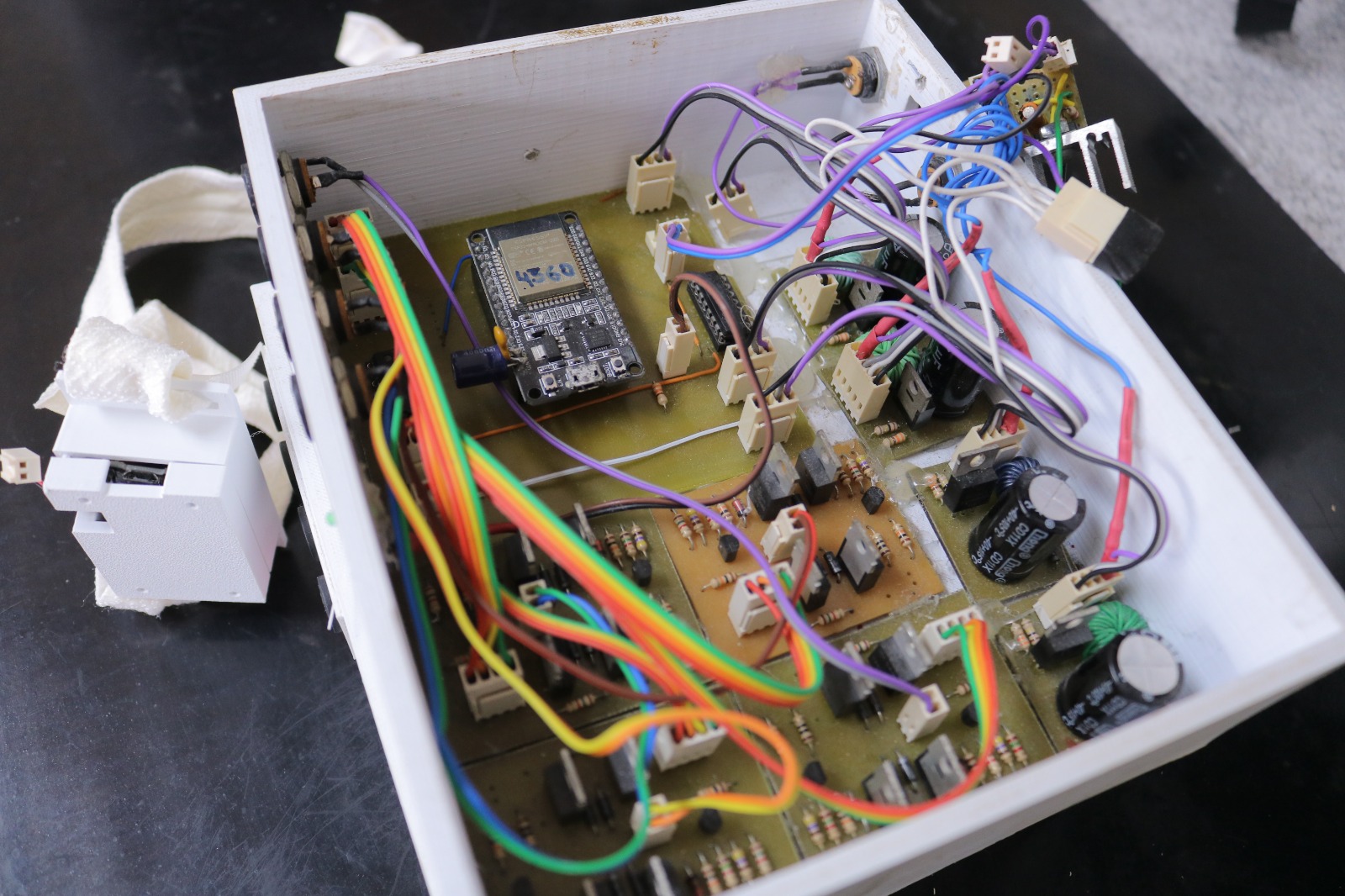
Neuroengineering is a scientific field located at the frontier of knowledge, integrating the exact sciences, biological sciences and health sciences. It is an essentially multidisciplinary area, which combines methods from neuroscience and engineering to study the functioning of the nervous system and develop solutions for the limitations and dysfunctions associated with it.
This is an area that encompasses experimental, computational, theoretical, clinical and applied research at all levels: molecular, cellular and systemic. The knowledge generated in these studies enables the development of technologies and applications ranging from neuroprosthetics to the improvement of neuromodulation techniques with therapeutic potential. The studies have behavioral, electrophysiological, histological and immunohistochemical approaches, combined with quantitative analysis methods.
the master's
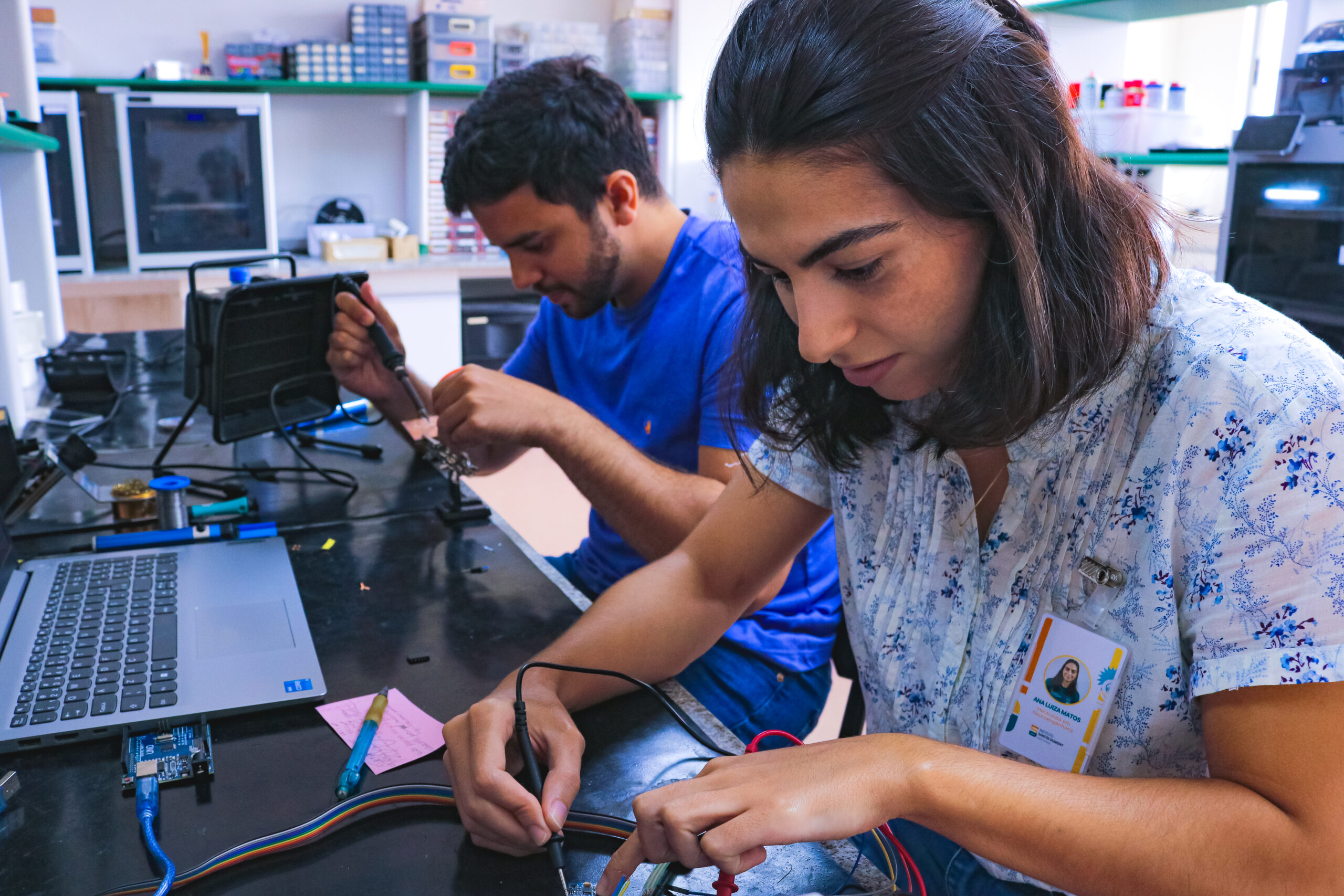
The activities of the ISD Master in Neuroengineering will be carried out in person at the Edmond and Lily Safra International Institute of Neurosciences (IIN-ELS), one of the ISD units in Macaíba (RN), which has a wide physical structure, with Brain-Machine Interface; Neurobiology; Confocal Microscopy; Bright Field Microscopy; Neurorehabilitation; Neuroengineering; Neuroprosthetics; Cryostat; Neurocomputing, in addition to two surgical centers.
Every day, the ISD offers a chartered shuttle service that transports students and staff from Natal (RN) to Macaíba, on pre-established routes. In addition, there is the possibility of granting scholarships to students, which are offered according to the order of final classification in the selection process, in accordance with the rules set forth in the institution's “Regulations for granting and monitoring scholarships”.
Text: Mariana Ceci / Ascom – ISD
Photograph: Mariana Ceci / Ascom – ISD
Communication Office
comunicacao@isd.org.br
(84) 99416-1880
Santos Dumont Institute (ISD)
It is a Social Organization linked to the Ministry of Education (MEC) and includes the Edmond and Lily Safra International Institute of Neurosciences and the Anita Garibaldi Health Education and Research Center, both in Macaíba. ISD's mission is to promote education for life, forming citizens through integrated teaching, research and extension actions, in addition to contributing to a fairer and more humane transformation of Brazilian social reality.