


The Santos Dumont Institute (ISD) is accepting applications until March 18th for its selection process for Scientific Initiation scholarships for High School students (PIBIC-EM), with the scholarships beginning in April. The announcement is available on the ISD website, under the tab [tab would be inserted here]. "Education" > "Scientific and Technological Initiation".
Three scholarships are offered in total, two open to all applicants and one reserved for a Black, mixed-race, Indigenous, or Quilombola person. The monthly stipend is R$$ 300, funded by the National Council for Scientific and Technological Development (CNPq).
To be eligible for the scholarship, applicants must be regularly enrolled in a public high school, be attending the current academic year, and have an updated curriculum vitae on the CNPq Lattes Platform. Applications are free and must be submitted exclusively online via the form available at: https://forms.gle/xjrebrD7VmkehZp78.
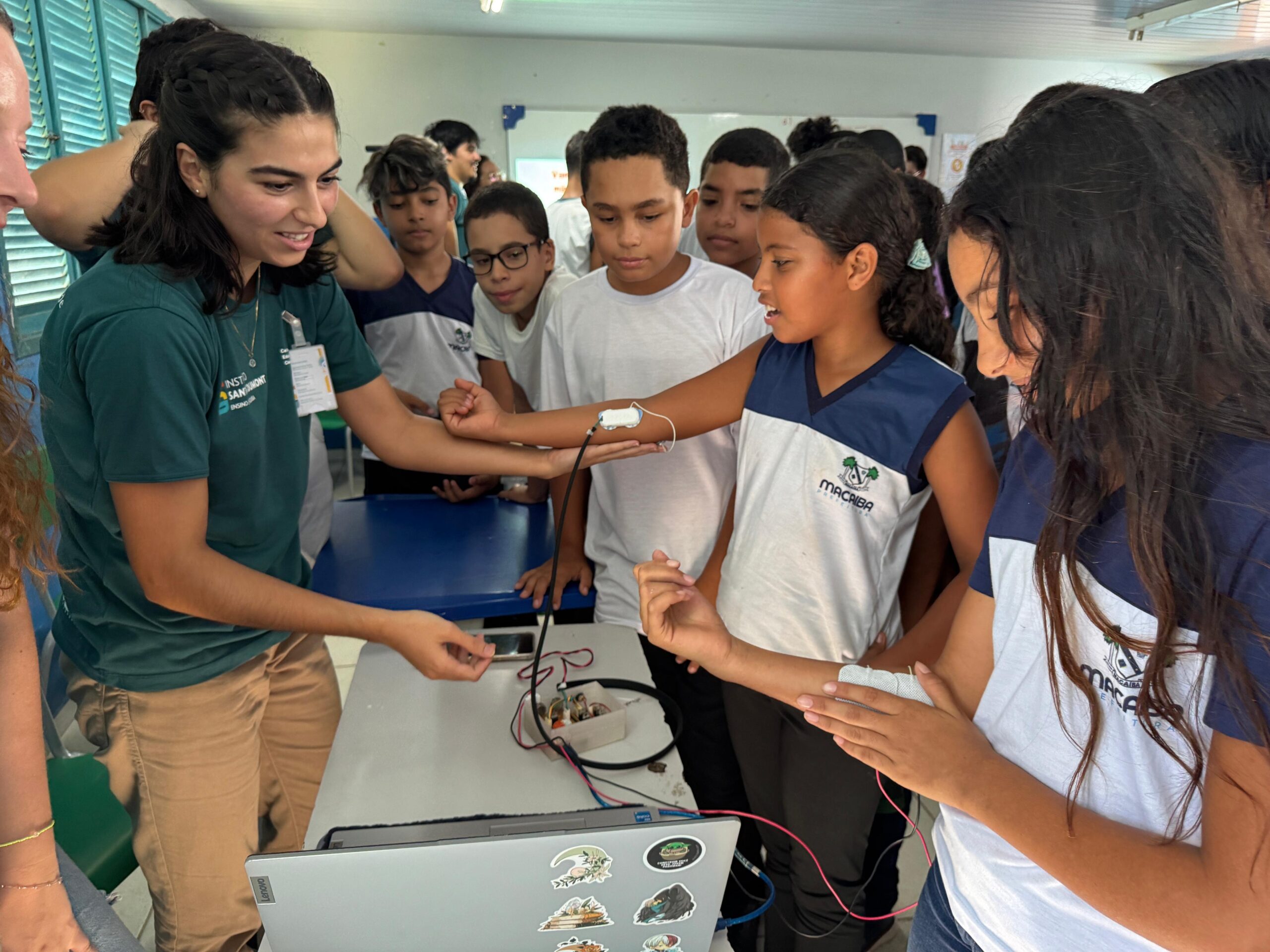
The scholarships are linked to the Postgraduate Program in Neuroengineering (PPGN) at ISD, which is based at the Edmond and Lily Safra International Institute of Neuroscience (IIN-ELS) in Macaíba (RN). The Scientific Initiation program aims to promote the development of scientific thinking and introduce high school students to research.
The selection process includes analysis of the resume and cover letter, as well as an interview. The final result will be published on March 27, 2025, on the official ISD website (www.isd.org.br).
About ISD
The Santos Dumont Institute (ISD) is a Social Organization of the Federal Executive Branch, supervised by the Ministry of Education, with the intervention of the Ministry of Sport. It encompasses the Edmond and Lily Safra International Institute of Neuroscience and the Anita Garibaldi Center for Education and Research in Health, both located in Macaíba. The ISD's mission is to promote education for life, forming citizens through integrated teaching, research, and outreach activities, as well as contributing to a more just and humane transformation of Brazilian social reality.