

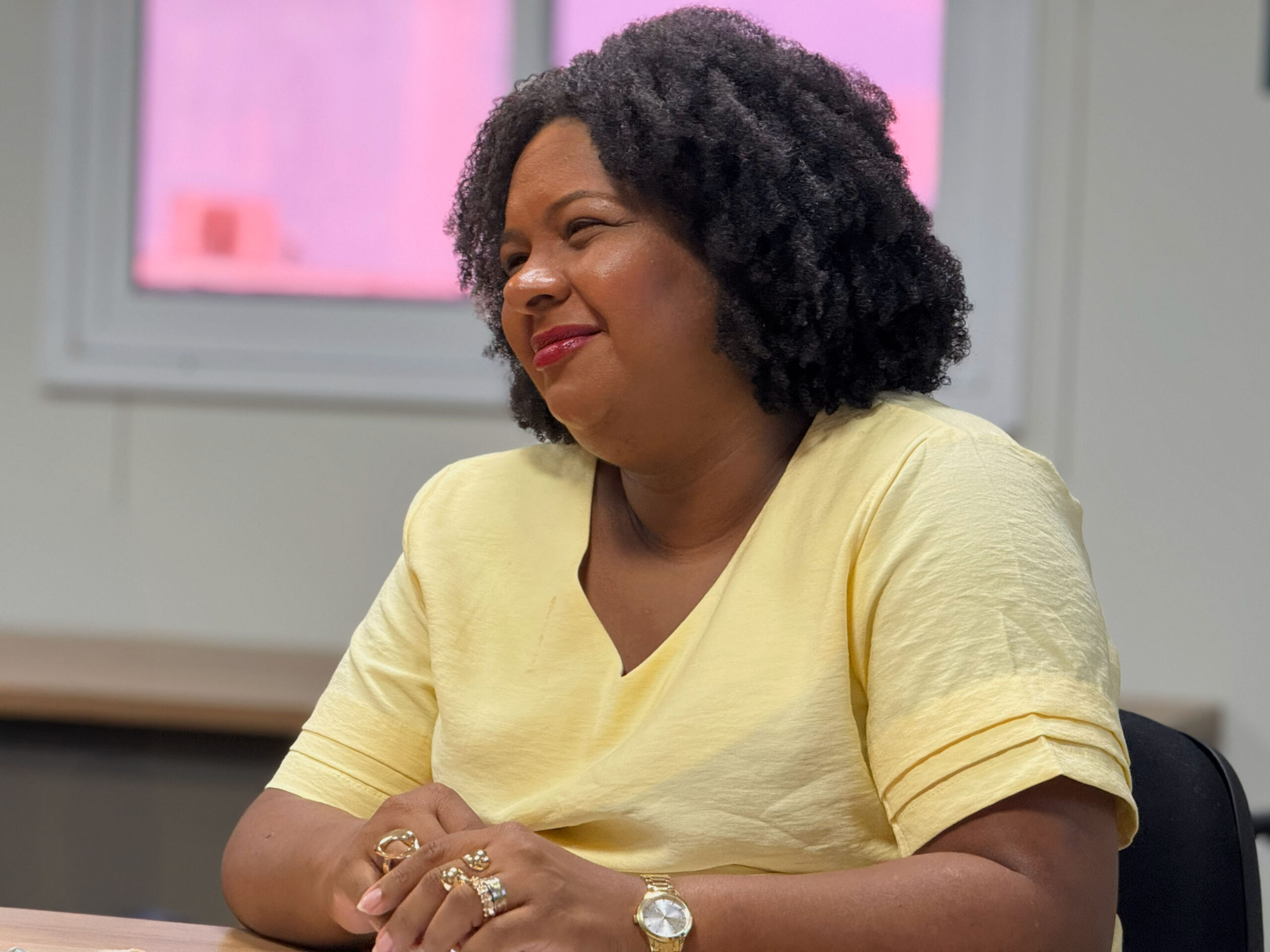
The history of slavery in Brazil is not a distant past. It spans generations and still shapes trajectories in the present. In the case of social worker Erika Santos, 36, this past is only two generations away. A descendant of enslaved people who founded the Quilombola Community of Capoeiras, in Macaíba/RN, Erika has just become the first resident of Quilombola origin to graduate from the Multiprofessional Residency in Healthcare for People with Disabilities at the Santos Dumont Institute (ISD).
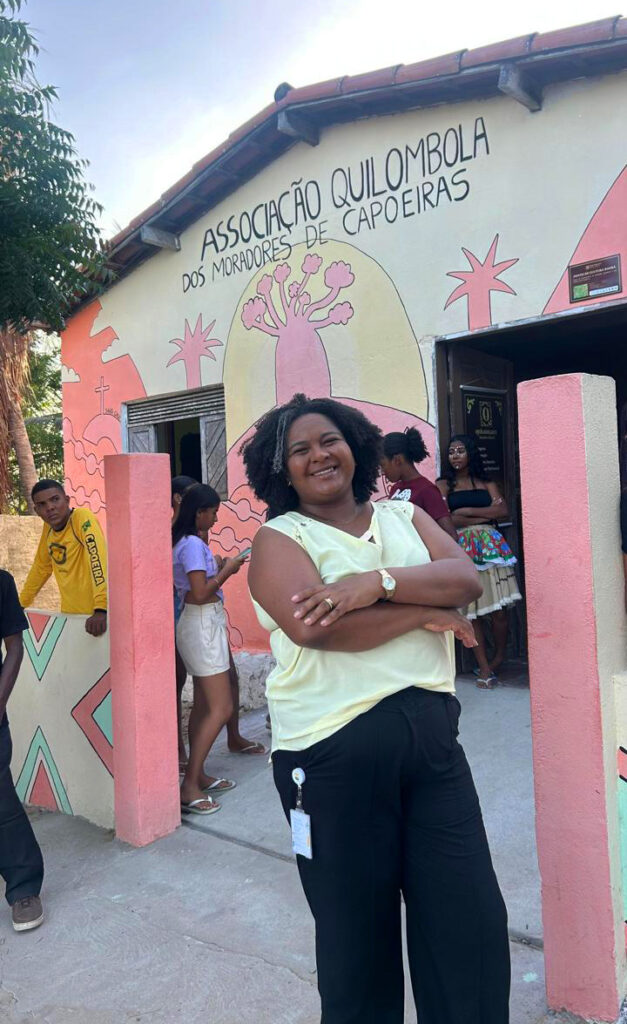
The professional doesn't hide her pride in having spent part of her childhood there and maintaining ties with the quilombo, of which her great-grandparents were among the first residents. Her roots are in Capoeiras, where part of her family still lives today. "I have uncles who still live in Capoeiras, and I'm married to a quilombola, who is also from Capoeiras. I'm very proud of my origins and of belonging to my community," she says.
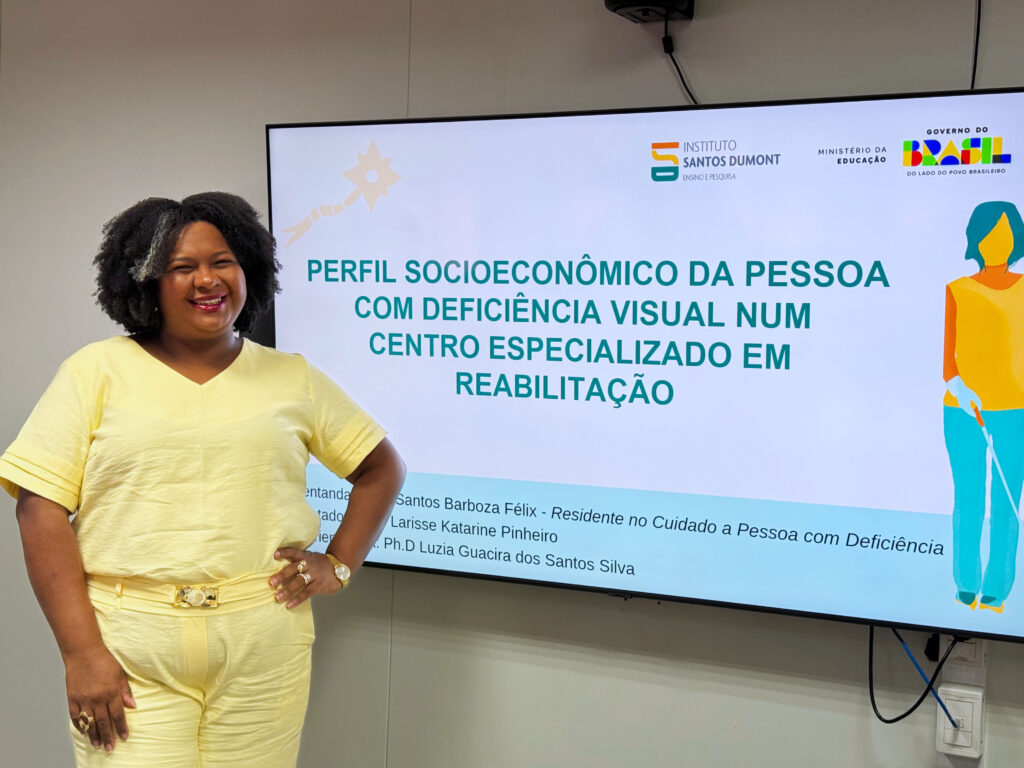
Erika's identity and lived experiences were essential in developing a clinical and scientific perspective during her time in the Multiprofessional Residency in Healthcare for People with Disabilities, a postgraduate program at the Santos Dumont Institute (ISD). The connection between her academic training and territorial origin materialized in her Residency Completion Project (TCR), defended and approved by a panel at the end of 2025. Titled... "Socioeconomic profile of visually impaired individuals in a Specialized Rehabilitation Center"The study analyzes social, economic, and demographic data of users served at the ISD, with a specific focus on residents of Capoeiras.
“The analysis of the public served by CER ISD showed that the people of Capoeiras present greater socioeconomic vulnerabilities. On average, they have lower income, less education, and greater difficulty accessing basic public services, especially women who, to help with family income, end up leaving school to work from an early age in informal jobs,” she analyzes.
This social profile generates numerous consequences, including the late discovery of diseases. Recently, a task force assembled by the multidisciplinary team of the Rehabilitation of People with Visual Impairment (Rever) care line at ISD found a high prevalence of retinitis pigmentosa cases among residents of Capoeiras. This hereditary disease affects the retina and impairs the formation of visual images, causing progressive vision loss. In Capoeiras, out of 43 people screened, 10 were diagnosed with retinitis pigmentosa and are being monitored by the Institute.
Erika was part of the multidisciplinary team responsible for data collection and informational workshops on retinitis pigmentosa. She believes that the presence of a professional familiar to the residents of Capoeiras was fundamental for the transmission of information and for collective engagement in the activities. "They felt represented," she summarizes.
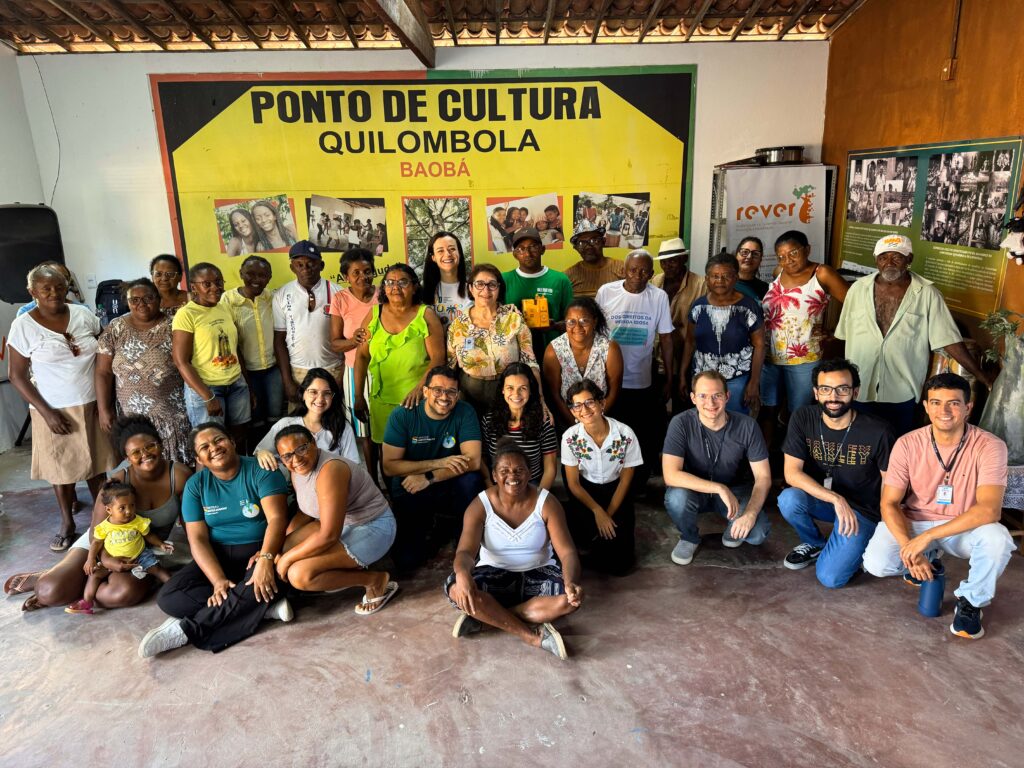
Last November, Erika represented ISD during an activity commemorating Black Awareness Day, held with residents of the quilombo. The action was symbolic and marked the strengthening of a bond between the professional, the Institute, and the community.
Residency at ISD: from dream to reality
Erika's first contact with ISD occurred when she was traveling to visit family in Capoeiras. Coincidentally, the Anita Garibaldi Health Education and Research Center (Anita) is located on the banks of the RN-160 highway, which connects Macaíba to the quilombola community. Erika recalls that Anita always caught her attention, although she was not yet fully familiar with the maternal and child health care and disability assistance work carried out by the unit.
“A friend told me about an open position for a receptionist at Anita. I sent my resume and was hired. It was the first time I'd ever been inside the building I'd always admired when I went to Capoeiras,” she recalls.
Erika's journey at ISD began in November 2021. At the time, she already had a degree in Social Work and professional experience, having worked for two years at the Social Assistance Reference Center (CRAS) in Parnamirim, a neighboring municipality to Macaíba. At Anita, while still working as a receptionist, she had direct contact with the Multiprofessional Residency in Care for People with Disabilities and began to consider the possibility of entering the postgraduate program. After two attempts, in the 2022 and 2023 selection processes, she secured a place in 2024, in the 7th class of the program.
“I started my residency at the right time. The two years I spent at Anita's reception were very important for understanding the service flow and the real needs of the patients. Many people still don't know what their rights are and think that access to basic services is a favor. At reception, I gained a different perspective from what we learn in college, and I took that experience to my residency.”
During her two years of training, Erika was part of care groups and pathways in different specialties, participated in scientific events, and had external experiences, including internships outside of the ISD. “One of my internships was at the Alfredo Mesquita Regional Hospital in Macaíba. I was always apprehensive about working in a hospital as a social worker, but the internship and the preparation I received during my residency gave me a more humanized perspective on this experience,” she says.
Stronger ties with Capoeiras
On the eve of completing her Multiprofessional Residency, Erika cannot imagine a distant future for the Capoeiras Community. She intends to continue working in the quilombo, especially in disseminating information about basic social rights and strengthening her ancestral connection to the territory.
Although she grew up visiting the community, the social worker recalls that her sense of belonging to Capoeiras only solidified in adulthood. "Now is the time to strengthen ties and be closer to my people."
Furthermore, Erika hopes to be a role model for children and teenagers from quilombola communities, showing that, despite the many historical barriers that still exist, it is possible to build new paths through education. She is one of the first quilombola women from Capoeiras to complete a postgraduate degree in the health field, and the first to graduate from the Santos Dumont Institute.
From the quilombola community of Capoeiras to the completion of a health residency program, Erika Santos's journey shows that access to education and public policies can rewrite destinies without erasing the past. By acknowledging her roots, Erika transforms her own history into a tool for care, knowledge, and personal belonging to the community she comes from.
About the ISD Multiprofessional Residency Program
Offered by ISD since 2018, RESPCD's main practice fields are the Anita Garibaldi Health Education and Research Center (Anita) and the Specialized Rehabilitation Center (CER IV), whose activities also extend to the Edmond and Lily Safra International Institute of Neuroscience (IIN-ELS). RESPCD is aimed at professionals in Physiotherapy, Speech Therapy, Psychology, Social Work, Occupational Therapy, and Physical Education (Bachelor's degree).
The ISD is a reference in maternal and child health, in the care of people with disabilities, and in the fields of neuroscience and neuroengineering. Its services are offered by the Unified Health System (SUS) and cover conditions such as Parkinson's disease, Autism Spectrum Disorder (ASD), spinal cord injury, microcephaly, hearing impairment, visual impairment, prematurity, and neurogenic bladder, among others.
About ISD
The Santos Dumont Institute (ISD) is a Social Organization of the Federal Executive Branch, supervised by the Ministry of Education, with the intervention of the Ministry of Sport. It encompasses the Edmond and Lily Safra International Institute of Neuroscience and the Anita Garibaldi Center for Education and Research in Health, both located in Macaíba. The ISD's mission is to promote education for life, forming citizens through integrated teaching, research, and outreach activities, as well as contributing to a more just and humane transformation of Brazilian social reality.