


The Santos Dumont Institute (ISD) published this Friday, February 25, an announcement with four vacancies for professors-researchers who will join the institution's interdisciplinary Neuroscience and Health team. The submission of documents for selection will take place via email selecao@isd.org.br until March 13th.
The selected candidate will work 40 hours per week, from Monday to Friday. The salary is compatible with that of an assistant professor, plus benefits (health plan, dental plan, meal voucher, food voucher, group life insurance and chartered bus for the Natal-Macaíba-Natal transfer).
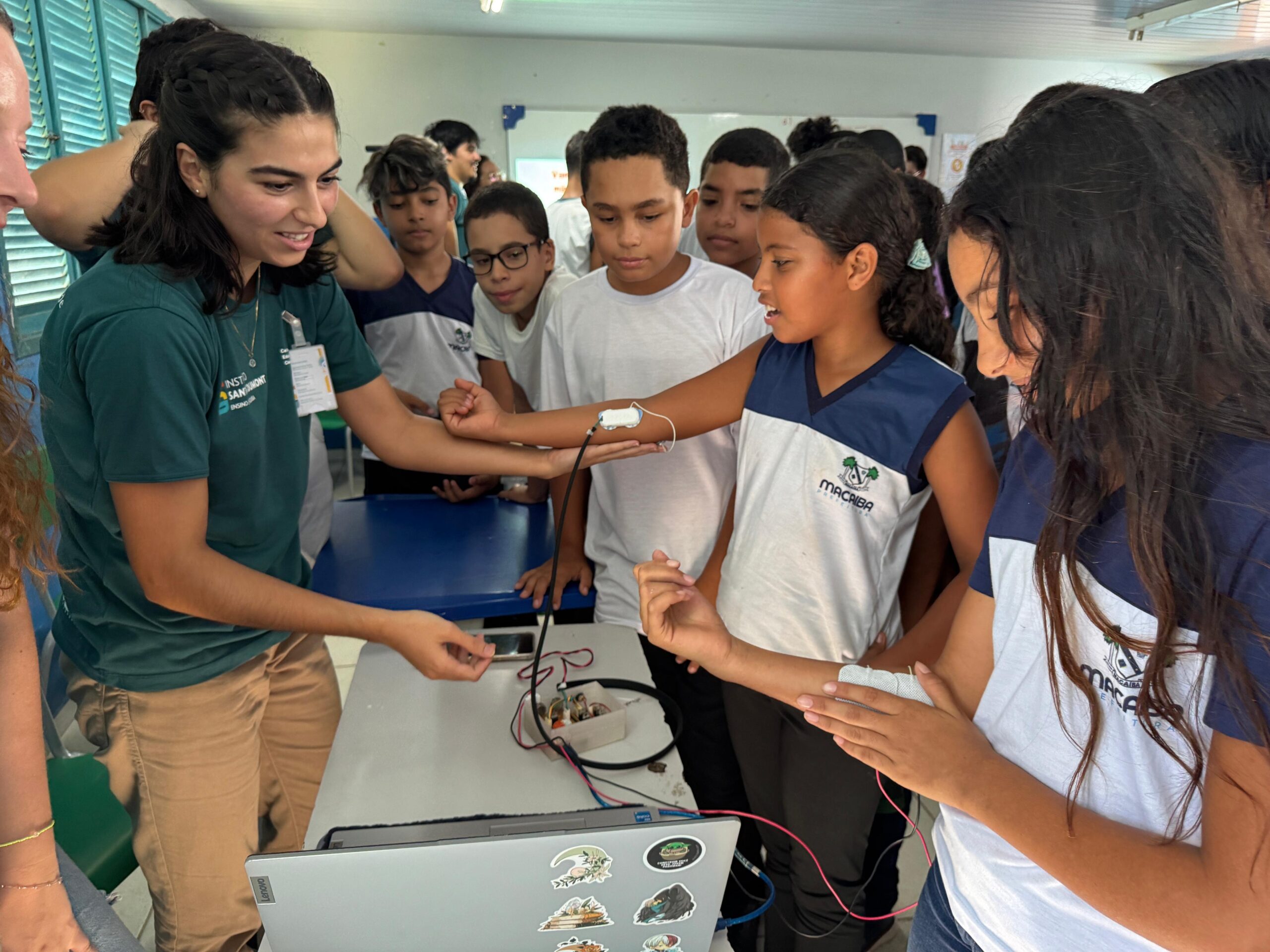
Professionals will be selected to work in the following areas: Neuroscience, Neuroengineering, Data Sciences and Health Sciences. The activities will be developed with postgraduate, undergraduate and high school students.
The requirements for the position are: PhD in areas related to neuroscience, health sciences, data sciences, according to the position*; relevant experience in supervising students; relevant experience in project financing; collaborative profile; publications related to neuroscience or health sciences; presenting scientific information to a broad audience; demonstrating the ability to develop original and independent research.
Vacancy details:
-
Researcher to work with non-human primates
Requirements: experience with marmoset neuroscience research; with invasive electrophysiology; with neurophysiological signal processing; with behavior analysis; and with tissue processing.
-
Researcher to work with humans
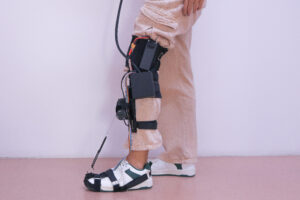
Requirements: experience with research in human neuroscience, neurorehabilitation, assistive technology; in electrophysiology, neuromodulation, human-machine interface; in neurophysiology, kinematics, sensor signal processing
-
Researcher to work with applied Data Science
Requirements: experience with data mining, machine learning, big data, deep learning; experience with Python; with multimodal data processing; desirable experience with software development, applications
-
Researcher to work with Health Science
Requirements: experience with translational neuroscience, examples, Parkinson's, spinal cord injury, neurodevelopment; experience with neuroscience methodologies from the bench to application; experience with collaboration with industry desirable
How to apply
Submit the following documents, in PDF format, to selecao@isd.org.br:
– Letter of intent – intention to work for ISD, why and how your skills fit into ISD’s interdisciplinary research in neuroscience and health, and research plans in line with ISD’s research program.
– Resume – educational background, work experience, laboratory skills, soft skills, project leadership, grants, publication, patent, mentoring, scientific outreach, organization of scientific meetings.
– Three confidential letters of recommendation must be submitted by recommenders to selecao@isd.org.br Letters of recommendation carry substantial weight in our decisions.
Selection process
1st phase – Curriculum evaluation, letter of intent, letters of recommendation (elimination phase)
2nd phase – In-person interview to assess the candidate’s suitability for the position. Presentation of a seminar on a topic considering the research plan, funding, equipment, skills, problem-solving, methodology and originality. Activities with researchers, students, classroom, laboratory, and social activities.
Dates
March 13, 2022 – deadline for submission of documents;
March 17, 2022 – publication of the list of candidates approved for the 2nd phase;
March 22, 2022 – 2nd phase;
April 4, 2022 – publication of the list of approved candidates and admission.
@isdnarede
Text: Ricardo Araújo / Ascom – ISD
Photograph: Mariana Ceci / Ascom – ISD
Communication Office
comunicacao@isd.org.br
(84) 99416-1880
Santos Dumont Institute (ISD)
It is a Social Organization linked to the Ministry of Education (MEC) and includes the Edmond and Lily Safra International Institute of Neurosciences and the Anita Garibaldi Health Education and Research Center, both in Macaíba. ISD's mission is to promote education for life, forming citizens through integrated teaching, research and extension actions, in addition to contributing to a fairer and more humane transformation of Brazilian social reality.