
ISD maintains 'hybrid services' for the population, with telehealth alternative to reduce Covid-19 risks

Posted in April 5, 2021

The Santos Dumont Institute (ISD) has decided to continue offering hybrid services to the population for an indefinite period, that is, with the option of telehealth and in-person services for all users of the physical, auditory and intellectual rehabilitation clinics that operate in the Center for Health Education and Research Anita Garibaldi and in Edmond and Lily Safra International Institute of Neuroscience, in Macaíba (RN). 

The decision was announced this Monday (05), the same day that preceptors and residents who were working part of their shifts from home returned to in-person activities. 

PANDEMIC SCENARIO

The operating model adopted by the Institute takes into account the pandemic scenario and is in line with actions recommended by health authorities, to minimize the risk of crowds and, consequently, transmission of the disease. Covid-19, says to Special Commission for the Pandemic, created by the ISD to evaluate internal actions to prevent and combat the disease.

“In-person care is available at all clinics. However, in cases where telehealth is available, we are encouraging this method as a way to reduce the need for people to leave their homes and reduce movement in our education, research and health care centers,” the Institute said in a statement, stating that the option of care by telephone or via messaging apps does not harm the population's care, since the multidisciplinary team is also prepared to offer health care through these channels.

Another measure taken by the Institute to reduce the flow of people in the facilities remains in force indefinitely: the suspension of activities that would involve larger groups, including group assistance, training and meetings, visits and in-person theoretical classes.

Check out how the Institute operates below:

CARE FOR MATERNAL AND CHILD HEALTH AND REHABILITATION

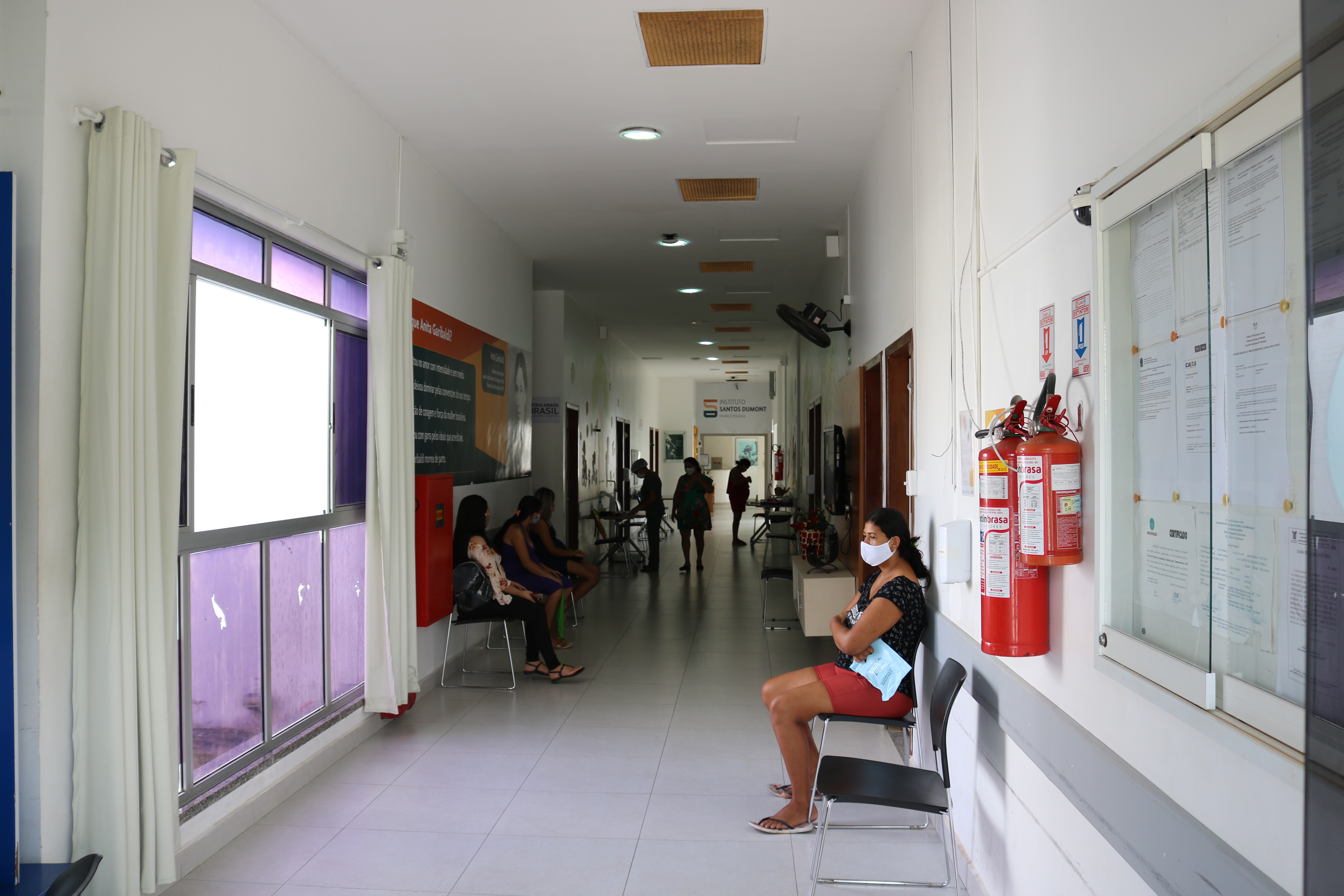
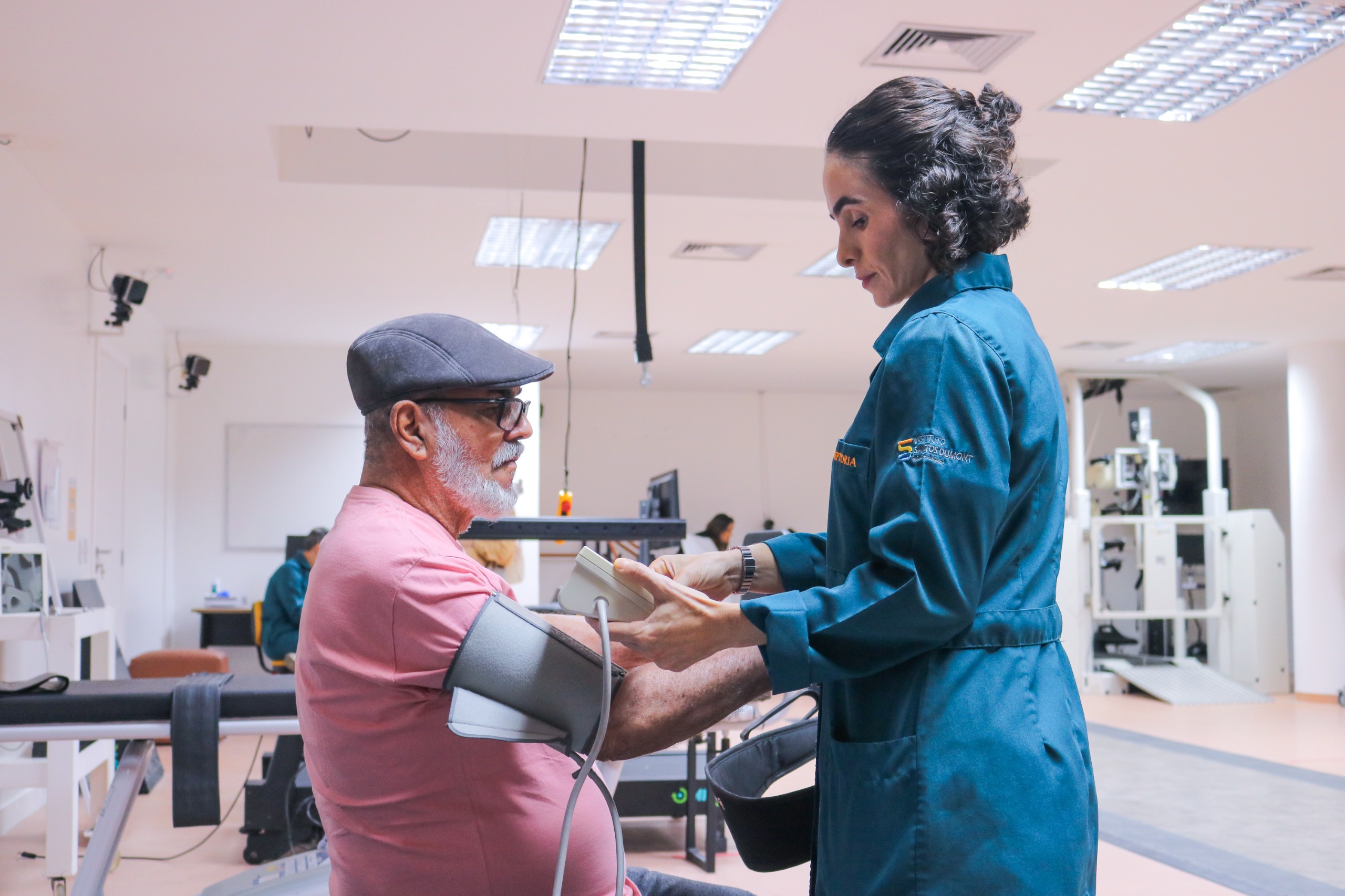
All of the Institute's essential services continue to be provided in person, including activities such as high-risk prenatal care, diagnostic support services such as laboratory tests, electroencephalography and ultrasound, high-risk childcare and pediatrics, neurology, urology, otorhinolaryngology and infectious diseases, as well as care for people who have suffered sexual violence. Essential services offered at the Institute's Rehabilitation Center, CER III, also operate in person. Depending on the scenario, care may be spaced out, however. Users of the adult and child rehabilitation clinics may choose to receive in-person or remote care, telehealth, depending on their health condition and joint decision with the therapist. Remote care is an option for users who are able to adhere to this format. Those who do not have an internet connection or who do not want telehealth continue to receive care in person and receive the necessary guidance.

GROUP ACTIVITIES

All activities involving larger groups remain suspended, including group assistance, training and meetings, visits to the Anita Garibaldi and IIN-ELS facilities, and in-person classes.

ACADEMIC ACTIVITIES AND WORK

In-person theoretical activities remain suspended, with encouragement for the use of remote formats. The work schedule is in-person for the entire team, with daily prevention measures, such as the use of masks, followed by everyone. 

MASTER'S AND RESIDENCE DEFENSES

Possible defenses and qualifications may continue to be held in person, but with a restricted audience. Only the student who will be evaluated and the examining board may participate. However, in these cases, the remote format will also be possible.

FOLLOW-UP

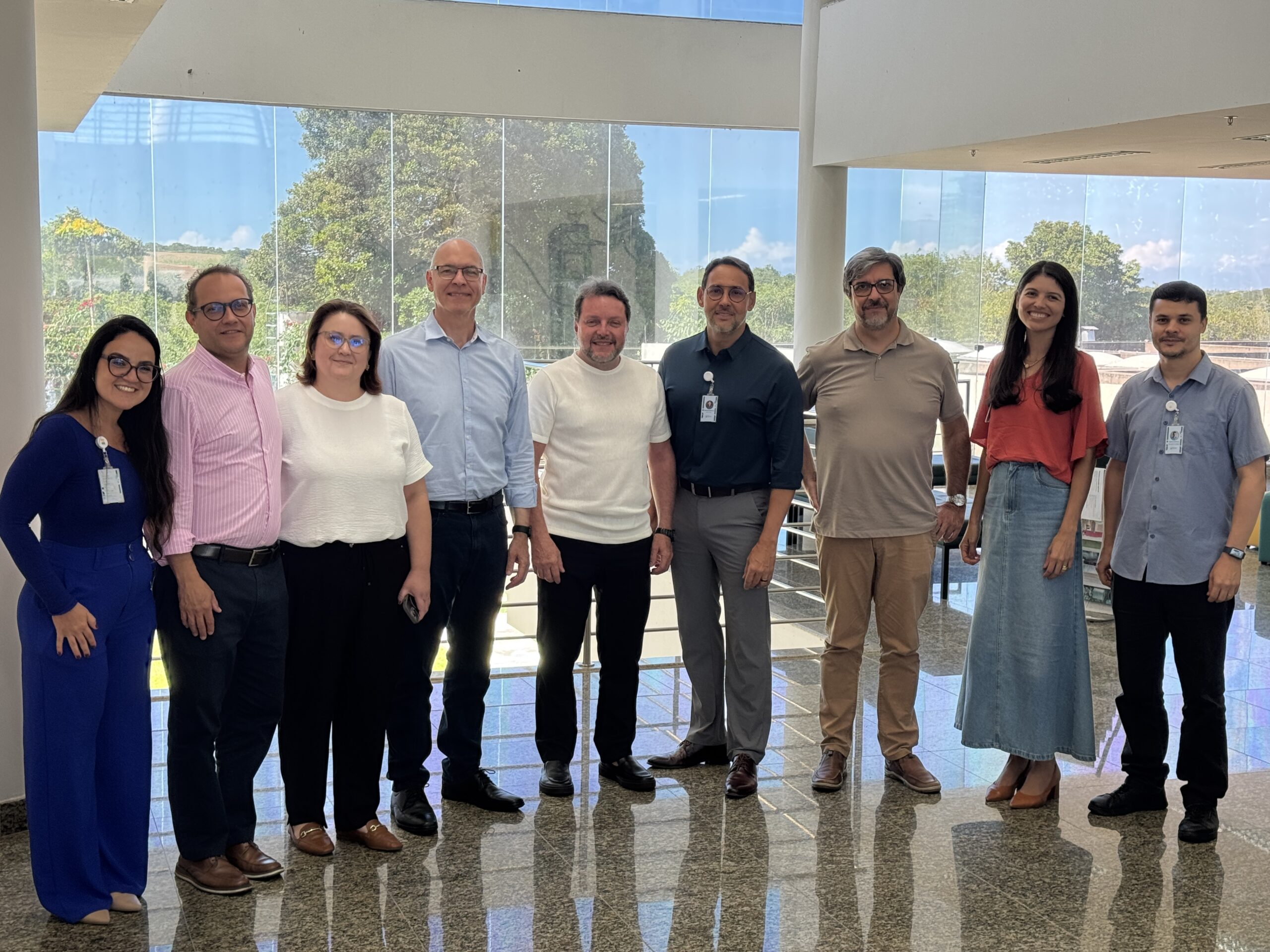
The ISD maintains a special committee to monitor and evaluate measures related to the pandemic. The purpose of the Committee is to ensure the safety of the institutional community and keep it updated on the recommendations of health authorities. The Committee is chaired by the general director, Reginaldo Freitas Júnior, and includes the participation of infectious disease specialists Carolina Damásio and Manoella Alves, nurse Erianna Macedo, as well as administrative director Jovan Gadioli and unit managers Edgard Morya and Lilian Lisboa. The measures announced by the Institute will be reassessed every 15 days.

Text:  Renata Moura – Journalist / Ascom – ISD

Photograph: Kamila Tuenia – Journalism Intern / Ascom – ISD

Communication Office
comunicacao@isd.org.br
(84) 99416-1880

Santos Dumont Institute (ISD)

It is a Social Organization linked to the Ministry of Education (MEC) and includes the Edmond and Lily Safra International Institute of Neurosciences and the Anita Garibaldi Health Education and Research Center, both in Macaíba. ISD's mission is to promote education for life, forming citizens through integrated teaching, research and extension actions, in addition to contributing to a fairer and more humane transformation of Brazilian social reality.
Communication Office
comunicacao@isd.org.br
(84) 99416-1880

Share this news

Recommended

More news

ISD maintains 'hybrid services' for the population, with telehealth alternative to reduce Covid-19 risks

The Santos Dumont Institute (ISD) has decided to continue offering hybrid services to the population for an indefinite period, that is, with the option of telehealth and in-person services for all users of the physical, auditory and intellectual rehabilitation clinics that operate in the Center for Health Education and Research Anita Garibaldi and in Edmond and Lily Safra International Institute of Neuroscience, in Macaíba (RN). 

The decision was announced this Monday (05), the same day that preceptors and residents who were working part of their shifts from home returned to in-person activities. 

PANDEMIC SCENARIO

The operating model adopted by the Institute takes into account the pandemic scenario and is in line with actions recommended by health authorities, to minimize the risk of crowds and, consequently, transmission of the disease. Covid-19, says to Special Commission for the Pandemic, created by the ISD to evaluate internal actions to prevent and combat the disease.

“In-person care is available at all clinics. However, in cases where telehealth is available, we are encouraging this method as a way to reduce the need for people to leave their homes and reduce movement in our education, research and health care centers,” the Institute said in a statement, stating that the option of care by telephone or via messaging apps does not harm the population's care, since the multidisciplinary team is also prepared to offer health care through these channels.

Another measure taken by the Institute to reduce the flow of people in the facilities remains in force indefinitely: the suspension of activities that would involve larger groups, including group assistance, training and meetings, visits and in-person theoretical classes.

Check out how the Institute operates below:

CARE FOR MATERNAL AND CHILD HEALTH AND REHABILITATION

All of the Institute's essential services continue to be provided in person, including activities such as high-risk prenatal care, diagnostic support services such as laboratory tests, electroencephalography and ultrasound, high-risk childcare and pediatrics, neurology, urology, otorhinolaryngology and infectious diseases, as well as care for people who have suffered sexual violence. Essential services offered at the Institute's Rehabilitation Center, CER III, also operate in person. Depending on the scenario, care may be spaced out, however. Users of the adult and child rehabilitation clinics may choose to receive in-person or remote care, telehealth, depending on their health condition and joint decision with the therapist. Remote care is an option for users who are able to adhere to this format. Those who do not have an internet connection or who do not want telehealth continue to receive care in person and receive the necessary guidance.

GROUP ACTIVITIES

All activities involving larger groups remain suspended, including group assistance, training and meetings, visits to the Anita Garibaldi and IIN-ELS facilities, and in-person classes.

ACADEMIC ACTIVITIES AND WORK

In-person theoretical activities remain suspended, with encouragement for the use of remote formats. The work schedule is in-person for the entire team, with daily prevention measures, such as the use of masks, followed by everyone. 

MASTER'S AND RESIDENCE DEFENSES

Possible defenses and qualifications may continue to be held in person, but with a restricted audience. Only the student who will be evaluated and the examining board may participate. However, in these cases, the remote format will also be possible.

FOLLOW-UP

The ISD maintains a special committee to monitor and evaluate measures related to the pandemic. The purpose of the Committee is to ensure the safety of the institutional community and keep it updated on the recommendations of health authorities. The Committee is chaired by the general director, Reginaldo Freitas Júnior, and includes the participation of infectious disease specialists Carolina Damásio and Manoella Alves, nurse Erianna Macedo, as well as administrative director Jovan Gadioli and unit managers Edgard Morya and Lilian Lisboa. The measures announced by the Institute will be reassessed every 15 days.

Text:  Renata Moura – Journalist / Ascom – ISD

Photograph: Kamila Tuenia – Journalism Intern / Ascom – ISD

Communication Office
comunicacao@isd.org.br
(84) 99416-1880

Santos Dumont Institute (ISD)

It is a Social Organization linked to the Ministry of Education (MEC) and includes the Edmond and Lily Safra International Institute of Neurosciences and the Anita Garibaldi Health Education and Research Center, both in Macaíba. ISD's mission is to promote education for life, forming citizens through integrated teaching, research and extension actions, in addition to contributing to a fairer and more humane transformation of Brazilian social reality.
Communication Office
comunicacao@isd.org.br
(84) 99416-1880

Share this news