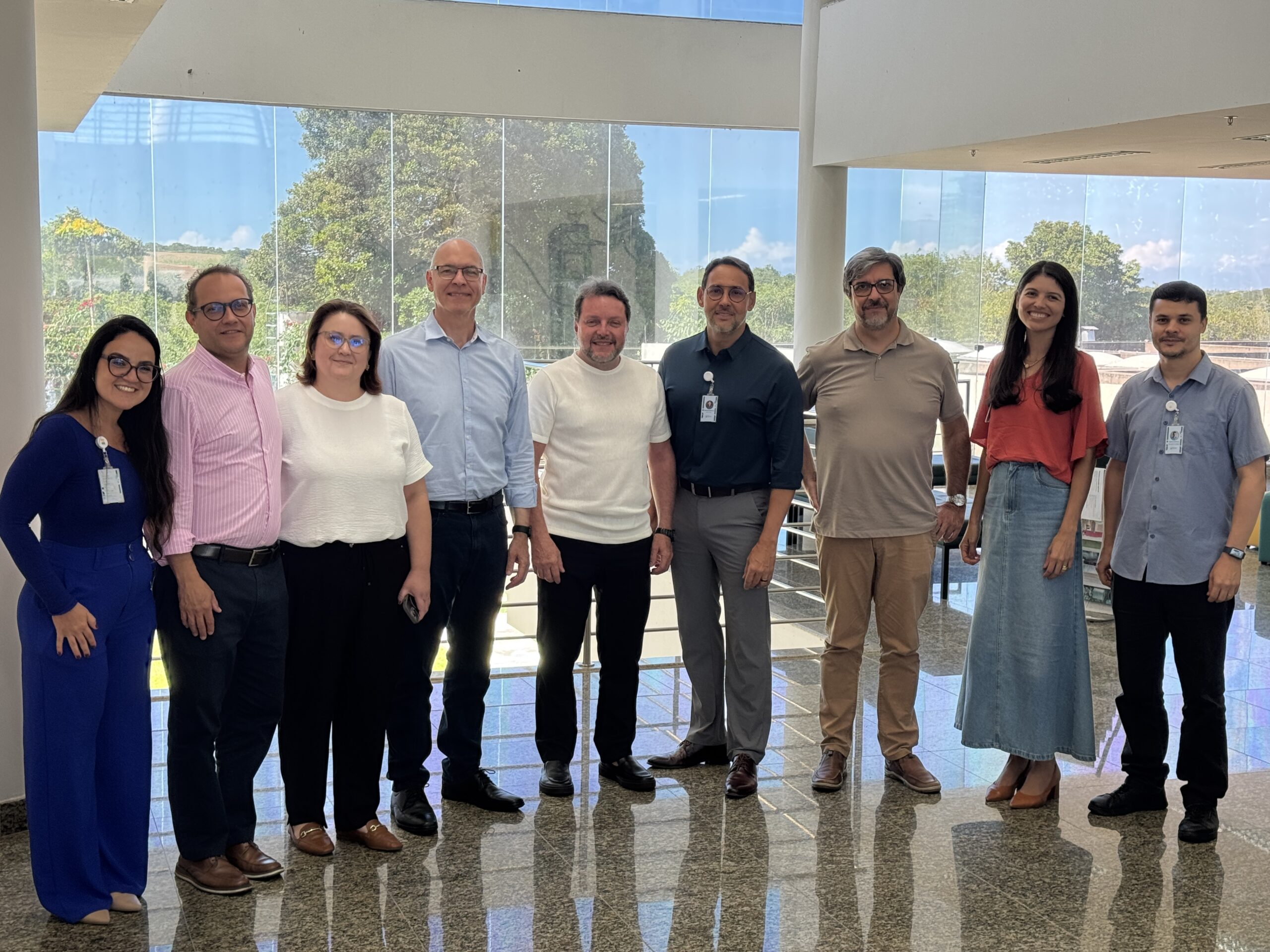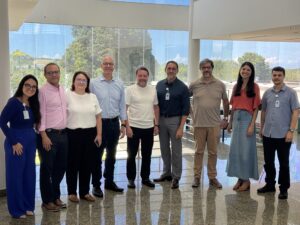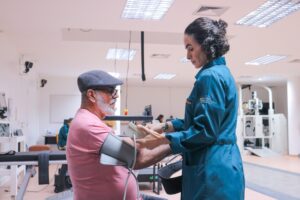



On November 4th, the Santos Dumont Institute (ISD) hosted teachers and educational coordinators affiliated with the Paraná State Department of Education (Seed). The visit was part of the activities of the Investigation Project, which aims to strengthen learning through the strategic use of educational technologies.
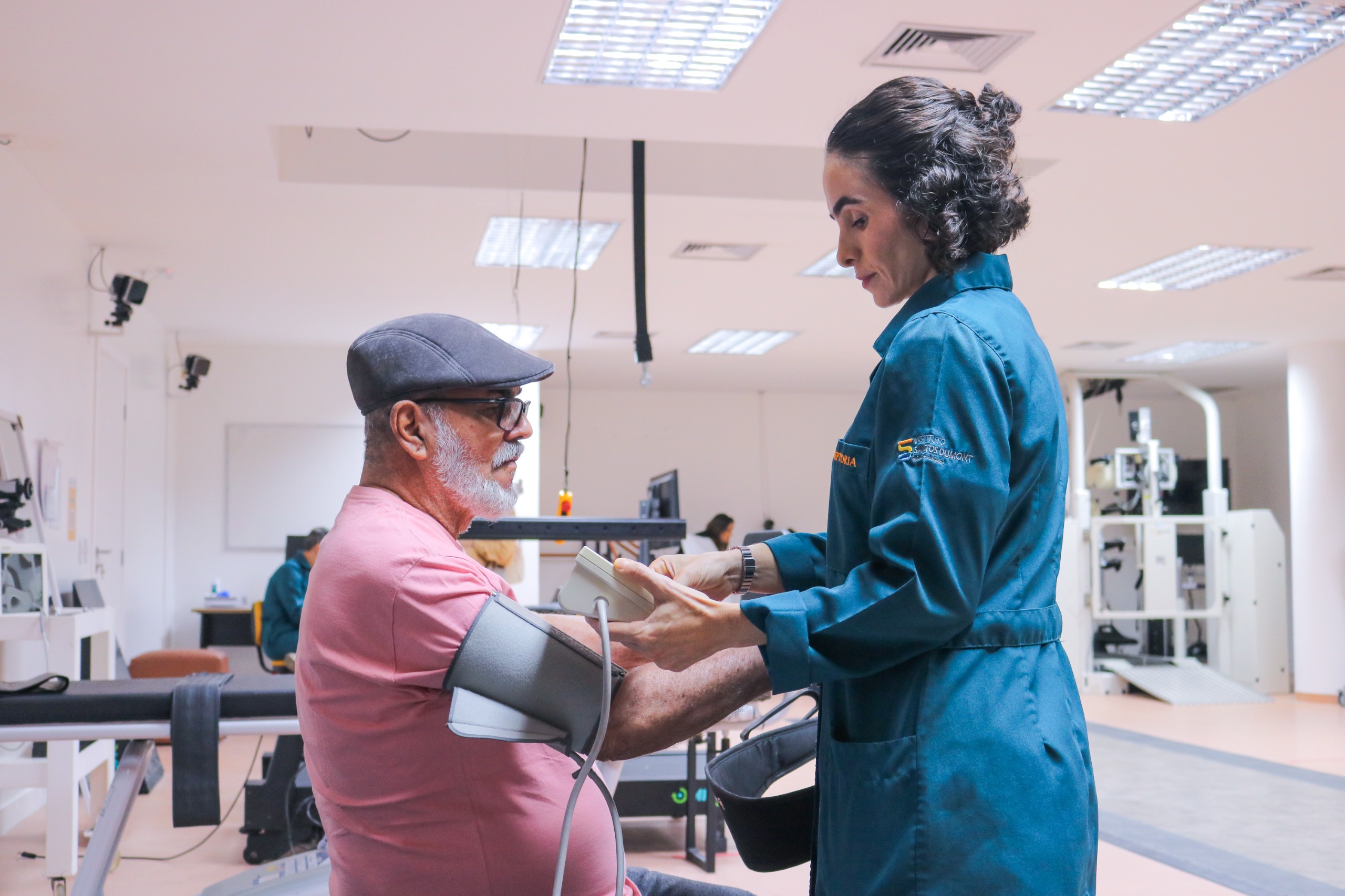
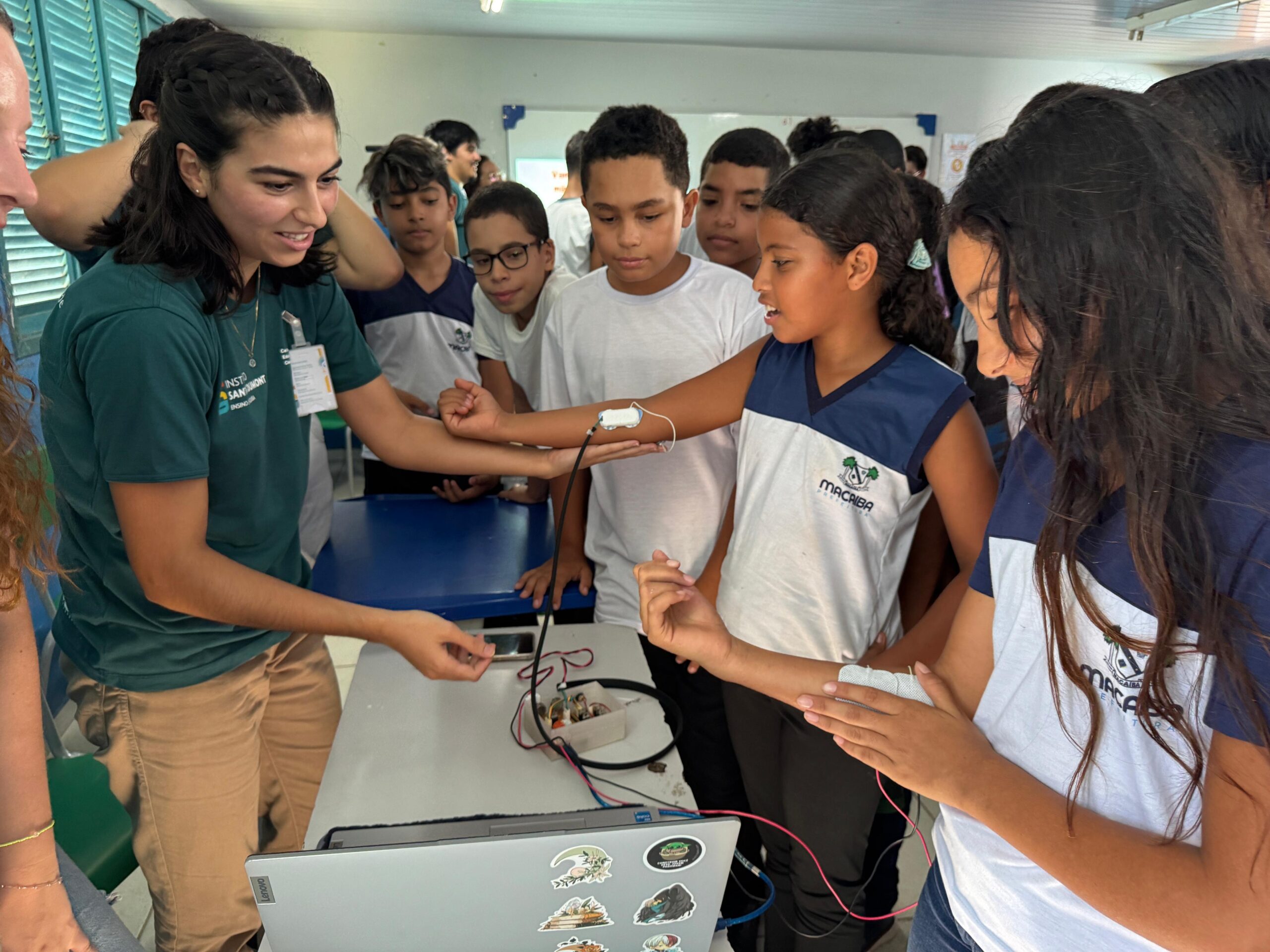
On that occasion, approximately 60 professionals visited the facilities of the Edmond and Lily Safra International Institute of Neuroscience (IIN-ELS), an ISD unit in Macaíba, and learned about the institution's work in strategic areas of teaching, research, and outreach.
According to Ane Carolina Chimanski, head of the Curriculum Development Department at Seed/PR, the visit aimed to provide a training space for teachers from the Research Project, who work with interdisciplinary teaching methods, relating knowledge from multiple areas of knowledge present in the basic schooling matrix.
“We observed that this immersion allowed us to understand how the Institute operates, how interdisciplinary relationships are fundamental to the development of research, and how valuable the connection between areas of knowledge is. This integration constitutes an essential articulation for the comprehensive education of students,” he states.
Interdisciplinary training is one of the pillars of the ISD's Postgraduate Program in Neuroengineering (PPGN), which currently includes individuals with undergraduate degrees in health, biological sciences, exact sciences, and engineering. The program's research projects aim to stimulate collaborative work, conceived from diverse perspectives, to solve global challenges.
Professor and researcher Ramón Hypolito, vice-coordinator of the PPGN, accompanied the visit and highlighted the importance of the ISD opening its doors to professionals from all over the country.
“ISD believes that collaboration and the shared use of its structure and team are fundamental to the advancement of education and research. Therefore, the presence of the Paraná State Department of Education is of great importance in achieving this goal,” emphasizes the professor.
For Renata Virgínia Moura, coordinator of the Paraná Challenge, the opportunity to exchange knowledge and learning with an educational and research institution like ISD can inspire innovative formats for investigation, connections between disciplines, the use of technologies, and the production of knowledge.
“As coordinators, we realize that this visit has an impact on teacher engagement, and we believe that the results are already beginning to appear. This exchange strengthens the scientific culture in the school, promotes the continuing education of teachers, and expands opportunities for students to be protagonists of their learning,” she says.
About ISD
The Santos Dumont Institute is a Social Organization linked to the Ministry of Education (MEC) and includes the Edmond and Lily Safra International Neuroscience Institute and the Anita Garibaldi Health Education and Research Center, both in Macaíba. ISD's mission is to promote education for life, forming citizens through integrated teaching, research and extension actions, in addition to contributing to a fairer and more humane transformation of Brazilian social reality.