
ISD will assist the State in a permanent health education project to reduce maternal mortality in the NB

Posted in May 3, 2021
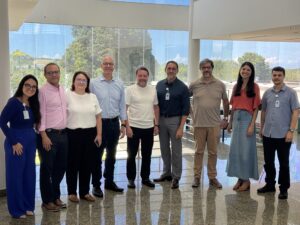
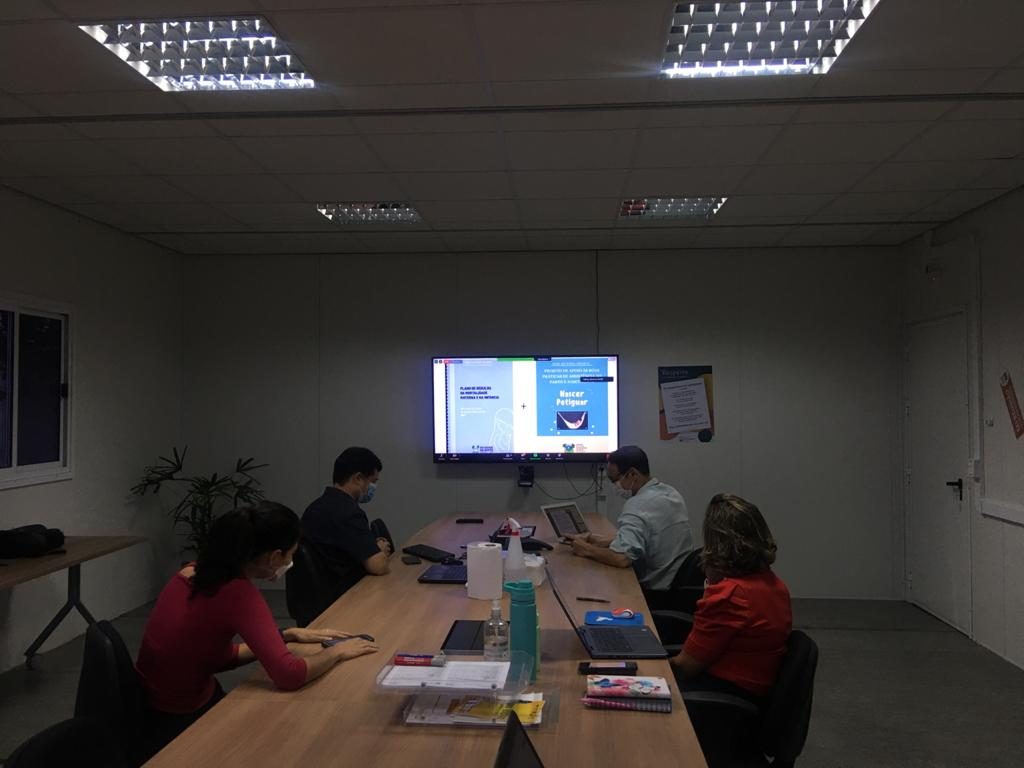
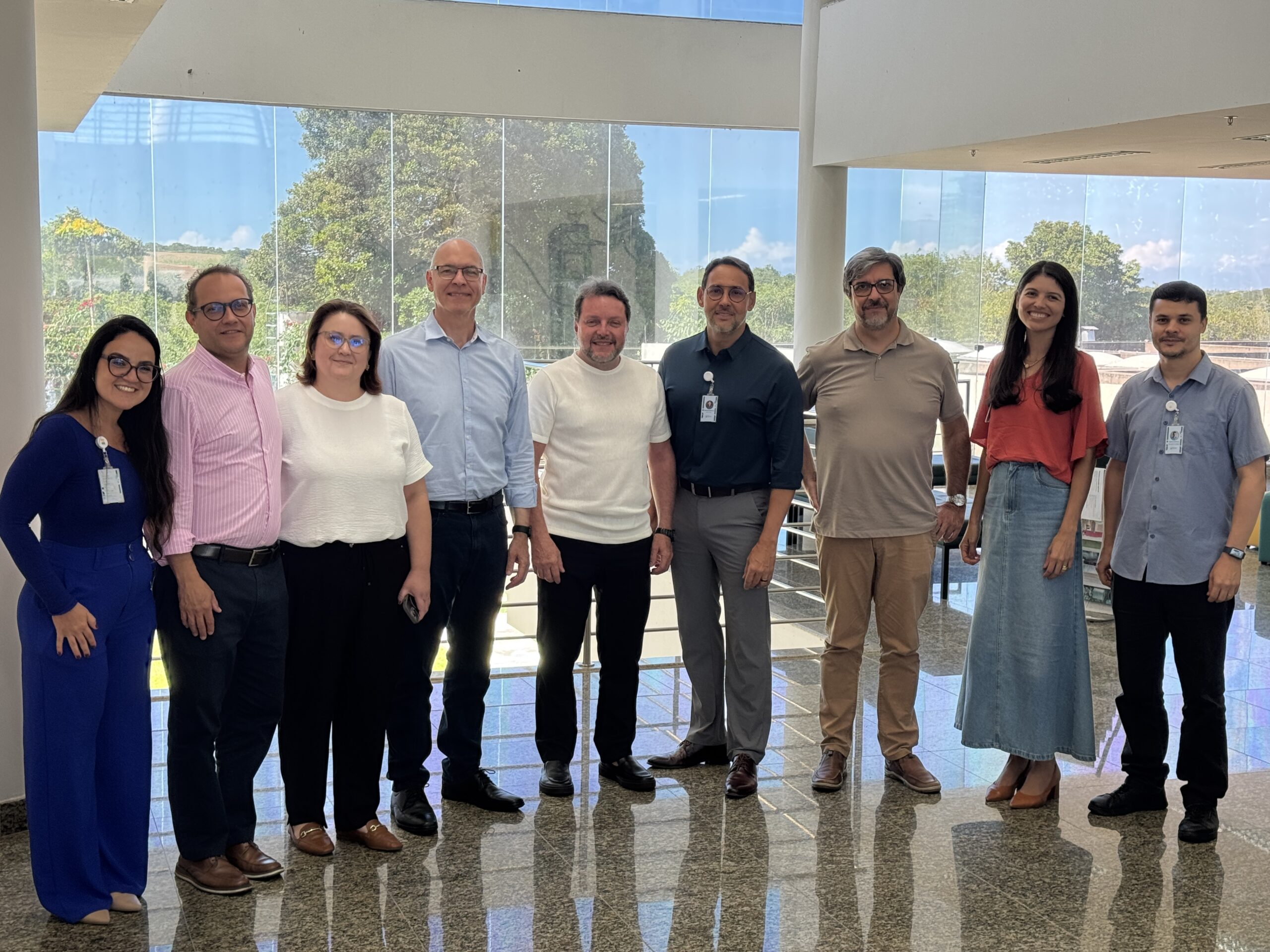
The ISD general director, Reginaldo Freitas Júnior (in a light shirt, on the right), the manager of Anita, Lilian Lisboa, the coordinator of health education activities at the Institute, Samantha Maranhão, and the coordinator of the Academic Secretariat, Marcelo Carvalho, attended the launch of the government's state plan to reduce maternal and infant mortality in RN

The Santos Dumont Institute (ISD), a Social Organization linked to the Ministry of Education with headquarters in Macaíba (RN), will assist the state government in the construction and implementation of permanent health education strategies to improve assistance to the population and, consequently, reduce maternal and infant mortality rates in the state. 

The project is envisaged in Maternal and Child Mortality Reduction Plan, launched this Monday (3) by the government, and will start in Macaíba, the city where the Institute is based, with prospects for expansion to other regions of the state.

The ISD works in teaching, research, extension and assistance to the population in maternal and child health, people with disabilities, neuroscience and neuroengineering. 

Qualification

Within the Plan, it will be responsible for helping to develop the Permanent Health Education strategy aimed at qualifying hospital obstetric care, initially at the Alfredo Mesquita Filho Regional Hospital, in Macaíba.

“The State Government wants to transform the maternity ward at Alfredo Mesquita Hospital, which is a low-risk maternity ward, into a maternity ward that can provide support for high-risk situations during pregnancy and, thus, strengthen the Maternal and Child Health Care Network in the Metropolitan Region. For this reason, we were approached by the State Department of Public Health (Sesap) to help in this process of qualifying obstetric care,” said ISD General Director Reginaldo Freitas Júnior. 

The ISD already develops permanent health education actions to reduce maternal mortality in primary care, main gateway for users into the Unified Health System (SUS) Care Networks, and into specialized outpatient care, through the work developed by the Anita Garibaldi Health Education and Research Center. “What changes is that now we are also moving towards hospital care,” added the director.

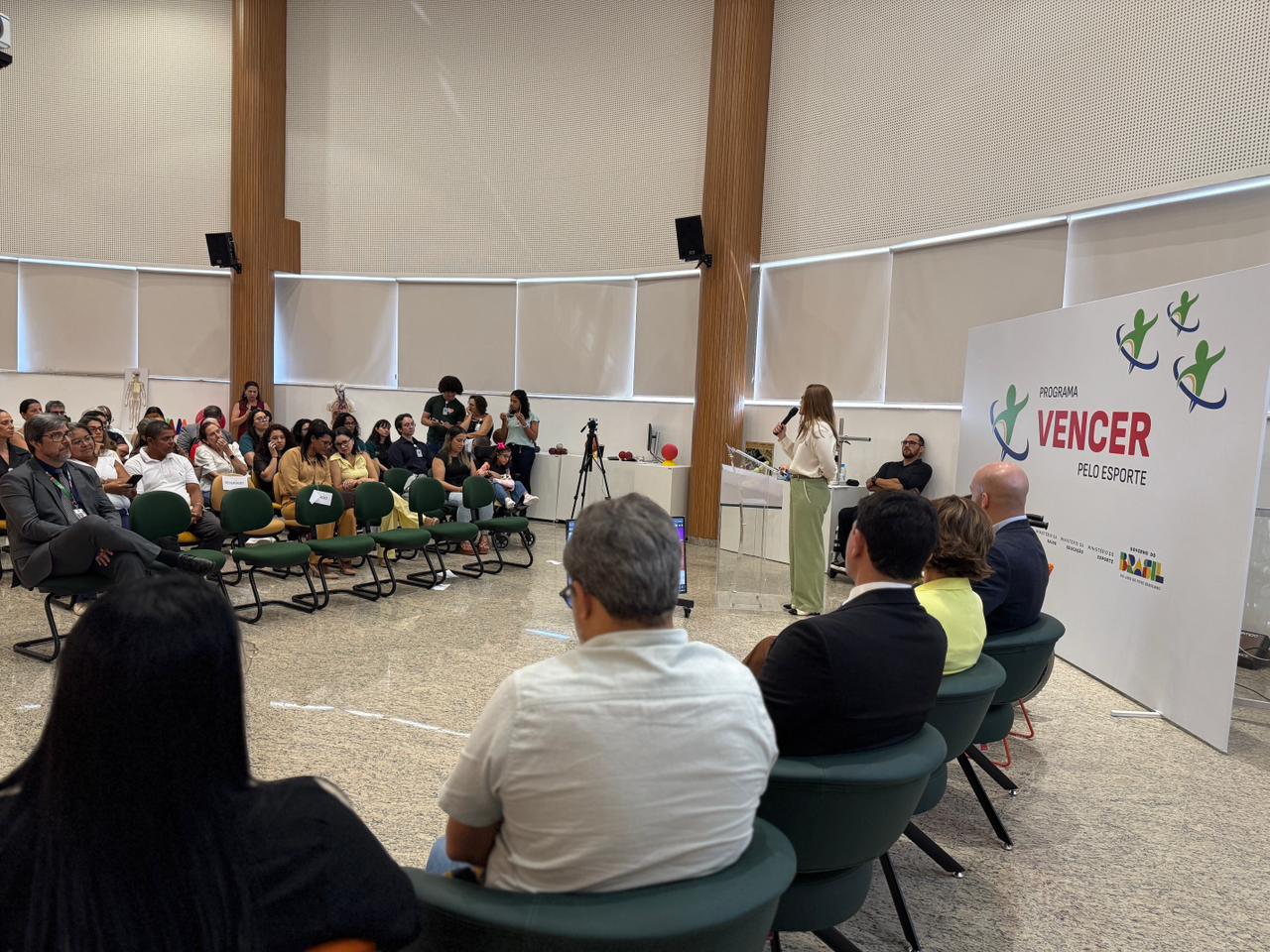
During the launch of the Plan, Governor Fátima Bezerra asked for everyone's engagement so that strategies work | Photo: Elisa Elsie

“Plan reinforces that lives matter,” says governor

The Plan for Reducing Maternal Mortality was prepared by Sesap and aims to prioritize strategies that reduce maternal and childhood deaths from preventable causes, in addition to contributing to the reorientation of healthcare and health practices and, consequently, the health care model. 

Maternal and Child Health in Primary Care; Health Surveillance: Health Information and Communication Systems; Care Management; Continuing Health Education; and Governance are the guidelines of the Plan. 

“(This) is a plan built by many hands and which reinforces that women’s lives matter. The involvement of managers, universities, the Public Prosecutor’s Office and the Legislative Branch is essential for this plan to fulfill its mission of saving lives,” said Governor Fátima Bezerra during the launch on Monday.

According to the government, the expectation is to guarantee good practices in assistance during pregnancy, childbirth, birth and the postpartum period, in line with the goals of reducing maternal and child mortality set out in the United Nations Sustainable Development Goals (SDGs).  

Play the video below to watch the Plan's launch ceremony.

Partnership

In the case of the Santos Dumont Institute, Sesap states in the document detailing the Plan that it established the partnership since “the need to qualify obstetric care, improve coordination between the different points of care in the health care network – whether between health units or between sectors of the same maternity hospital – and ensure clinical practices based on the best scientific evidence, comprehensive care and the sharing of experiences and information are daily challenges for the quality of care and improvement of maternal and neonatal outcomes”. 

“With regard to continuing health education, we will identify the needs of health workers and professionals to develop strategies that aim to promote comprehensive maternal and child health care,” said the Deputy Secretary of Health, Maura Sobreira, during the presentation of the Plan. 

Maternal mortality in numbers

Data from Pan American Health Organization (PAHO/WHO) show that around 830 women die every day from complications related to pregnancy or childbirth worldwide. In the case of Rio Grande do Norte, the government points out 28 maternal deaths declared in 2020, in addition to 489 deaths in children under 1 year old. 

“Reducing infant and maternal mortality is still a major challenge for health services, managers and society as a whole,” said the state health secretary, Cipriano Maia, in a text released by the government about the launch of the plan.

Causes

In Brazil, the main causes of maternal death recorded annually are hemorrhages, puerperal infection – postpartum – and hypertension. According to the general director of ISD and a doctor specializing in fetal medicine, Reginaldo Freitas Júnior, many of these cases are considered preventable. 

“All of these main causes have known risk factors, and they have very well-established treatment regimens and protocols. Hypertension during pregnancy, which is highly prevalent in Brazil, should not kill, and postpartum hemorrhage should not kill, so we recognize that these are causes of maternal death that can be prevented,” he explains.

In addition to the ISD, the partners for the development of the Plan's actions include the Federal University of Rio Grande do Norte (UFRN), the State University of Rio Grande do Norte (UERN), the Federal Rural University of the Semi-Arid (Ufersa) and the School of Public Health of Rio Grande do Norte.
LEARN MORE - ABOUT ISD'S WORK IN THIS AREA

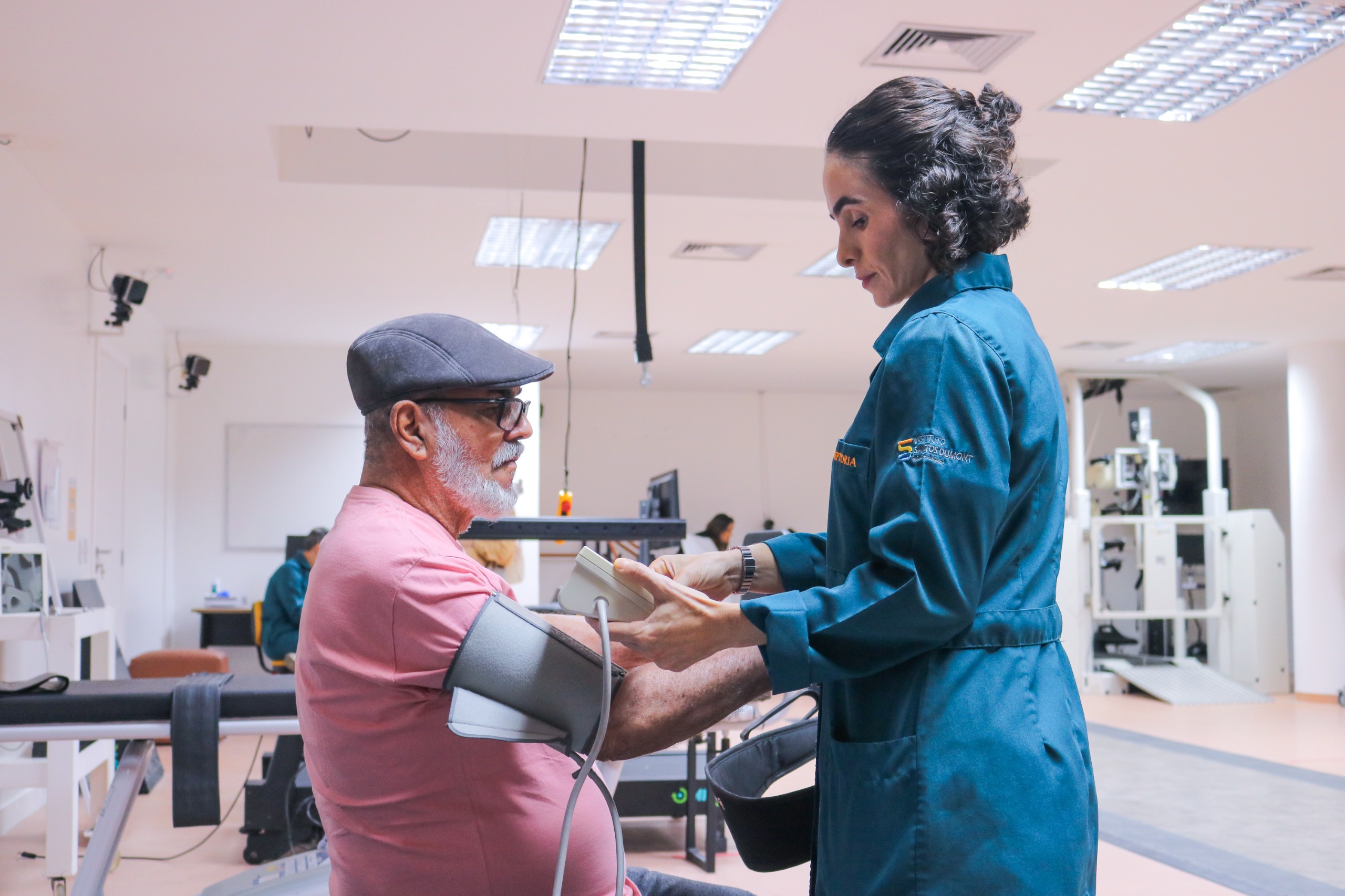
For over a decade, the Santos Dumont Institute has served as a leading outpatient center for the Brazilian Unified Health System (SUS) in Rio Grande do Norte, offering services such as high-risk prenatal care, specialized assistance for pregnant women and children with HIV/AIDS, infectious diseases during pregnancy, fetal medicine, nursing care for women and children, pediatrics, pediatric neurology, and ultrasound. In addition to developing ongoing health education programs, the Institute has an ongoing project – with funding approved by the Bill & Melinda Gates Foundation and the National Council for Scientific and Technological Development (CNPq) – to create an indicator in Brazil that can help prevent "near-death" events and deaths during pregnancy, childbirth, and the postpartum period. In this project, the ISD proposes using artificial intelligence to correctly identify and predict cases of "maternal near-miss" – the term used in English for records of women who nearly die during pregnancy, childbirth, or the postpartum period due to serious complications from hemorrhage, hypertension, or infection, for example. The work that will culminate in the indicator will be developed over 18 months, with the start scheduled for 2021. CLICK HERE to read 'Bill Gates Foundation' and CNPQ will fund ISD project on high-risk pregnancy.

Text:  Renata Moura, journalist, and Kamila Tuenia, journalism intern / Ascom – ISD, with information from the Communications Office of the RN government

Communication Office
comunicacao@isd.org.br
(84) 99416-1880

Santos Dumont Institute (ISD)

It is a Social Organization linked to the Ministry of Education (MEC) and includes the Edmond and Lily Safra International Institute of Neurosciences and the Anita Garibaldi Health Education and Research Center, both in Macaíba. ISD's mission is to promote education for life, forming citizens through integrated teaching, research and extension actions, in addition to contributing to a fairer and more humane transformation of Brazilian social reality.

Communication Office
comunicacao@isd.org.br
(84) 99416-1880

Share this news

Recommended

More news

ISD will assist the State in a permanent health education project to reduce maternal mortality in the NB

The ISD general director, Reginaldo Freitas Júnior (in a light shirt, on the right), the manager of Anita, Lilian Lisboa, the coordinator of health education activities at the Institute, Samantha Maranhão, and the coordinator of the Academic Secretariat, Marcelo Carvalho, attended the launch of the government's state plan to reduce maternal and infant mortality in RN

The Santos Dumont Institute (ISD), a Social Organization linked to the Ministry of Education with headquarters in Macaíba (RN), will assist the state government in the construction and implementation of permanent health education strategies to improve assistance to the population and, consequently, reduce maternal and infant mortality rates in the state. 

The project is envisaged in Maternal and Child Mortality Reduction Plan, launched this Monday (3) by the government, and will start in Macaíba, the city where the Institute is based, with prospects for expansion to other regions of the state.

The ISD works in teaching, research, extension and assistance to the population in maternal and child health, people with disabilities, neuroscience and neuroengineering. 

Qualification

Within the Plan, it will be responsible for helping to develop the Permanent Health Education strategy aimed at qualifying hospital obstetric care, initially at the Alfredo Mesquita Filho Regional Hospital, in Macaíba.

“The State Government wants to transform the maternity ward at Alfredo Mesquita Hospital, which is a low-risk maternity ward, into a maternity ward that can provide support for high-risk situations during pregnancy and, thus, strengthen the Maternal and Child Health Care Network in the Metropolitan Region. For this reason, we were approached by the State Department of Public Health (Sesap) to help in this process of qualifying obstetric care,” said ISD General Director Reginaldo Freitas Júnior. 

The ISD already develops permanent health education actions to reduce maternal mortality in primary care, main gateway for users into the Unified Health System (SUS) Care Networks, and into specialized outpatient care, through the work developed by the Anita Garibaldi Health Education and Research Center. “What changes is that now we are also moving towards hospital care,” added the director.

During the launch of the Plan, Governor Fátima Bezerra asked for everyone's engagement so that strategies work | Photo: Elisa Elsie

“Plan reinforces that lives matter,” says governor

The Plan for Reducing Maternal Mortality was prepared by Sesap and aims to prioritize strategies that reduce maternal and childhood deaths from preventable causes, in addition to contributing to the reorientation of healthcare and health practices and, consequently, the health care model. 

Maternal and Child Health in Primary Care; Health Surveillance: Health Information and Communication Systems; Care Management; Continuing Health Education; and Governance are the guidelines of the Plan. 

“(This) is a plan built by many hands and which reinforces that women’s lives matter. The involvement of managers, universities, the Public Prosecutor’s Office and the Legislative Branch is essential for this plan to fulfill its mission of saving lives,” said Governor Fátima Bezerra during the launch on Monday.

According to the government, the expectation is to guarantee good practices in assistance during pregnancy, childbirth, birth and the postpartum period, in line with the goals of reducing maternal and child mortality set out in the United Nations Sustainable Development Goals (SDGs).  

Play the video below to watch the Plan's launch ceremony.

Partnership

In the case of the Santos Dumont Institute, Sesap states in the document detailing the Plan that it established the partnership since “the need to qualify obstetric care, improve coordination between the different points of care in the health care network – whether between health units or between sectors of the same maternity hospital – and ensure clinical practices based on the best scientific evidence, comprehensive care and the sharing of experiences and information are daily challenges for the quality of care and improvement of maternal and neonatal outcomes”. 

“With regard to continuing health education, we will identify the needs of health workers and professionals to develop strategies that aim to promote comprehensive maternal and child health care,” said the Deputy Secretary of Health, Maura Sobreira, during the presentation of the Plan. 

Maternal mortality in numbers

Data from Pan American Health Organization (PAHO/WHO) show that around 830 women die every day from complications related to pregnancy or childbirth worldwide. In the case of Rio Grande do Norte, the government points out 28 maternal deaths declared in 2020, in addition to 489 deaths in children under 1 year old. 

“Reducing infant and maternal mortality is still a major challenge for health services, managers and society as a whole,” said the state health secretary, Cipriano Maia, in a text released by the government about the launch of the plan.

Causes

In Brazil, the main causes of maternal death recorded annually are hemorrhages, puerperal infection – postpartum – and hypertension. According to the general director of ISD and a doctor specializing in fetal medicine, Reginaldo Freitas Júnior, many of these cases are considered preventable. 

“All of these main causes have known risk factors, and they have very well-established treatment regimens and protocols. Hypertension during pregnancy, which is highly prevalent in Brazil, should not kill, and postpartum hemorrhage should not kill, so we recognize that these are causes of maternal death that can be prevented,” he explains.

In addition to the ISD, the partners for the development of the Plan's actions include the Federal University of Rio Grande do Norte (UFRN), the State University of Rio Grande do Norte (UERN), the Federal Rural University of the Semi-Arid (Ufersa) and the School of Public Health of Rio Grande do Norte.

LEARN MORE - ABOUT ISD'S WORK IN THIS AREA

For over a decade, the Santos Dumont Institute has served as a leading outpatient center for the Brazilian Unified Health System (SUS) in Rio Grande do Norte, offering services such as high-risk prenatal care, specialized assistance for pregnant women and children with HIV/AIDS, infectious diseases during pregnancy, fetal medicine, nursing care for women and children, pediatrics, pediatric neurology, and ultrasound. In addition to developing ongoing health education programs, the Institute has an ongoing project – with funding approved by the Bill & Melinda Gates Foundation and the National Council for Scientific and Technological Development (CNPq) – to create an indicator in Brazil that can help prevent "near-death" events and deaths during pregnancy, childbirth, and the postpartum period. In this project, the ISD proposes using artificial intelligence to correctly identify and predict cases of "maternal near-miss" – the term used in English for records of women who nearly die during pregnancy, childbirth, or the postpartum period due to serious complications from hemorrhage, hypertension, or infection, for example. The work that will culminate in the indicator will be developed over 18 months, with the start scheduled for 2021. CLICK HERE to read 'Bill Gates Foundation' and CNPQ will fund ISD project on high-risk pregnancy.

Text:  Renata Moura, journalist, and Kamila Tuenia, journalism intern / Ascom – ISD, with information from the Communications Office of the RN government

Communication Office
comunicacao@isd.org.br
(84) 99416-1880

Santos Dumont Institute (ISD)

It is a Social Organization linked to the Ministry of Education (MEC) and includes the Edmond and Lily Safra International Institute of Neurosciences and the Anita Garibaldi Health Education and Research Center, both in Macaíba. ISD's mission is to promote education for life, forming citizens through integrated teaching, research and extension actions, in addition to contributing to a fairer and more humane transformation of Brazilian social reality.

Communication Office
comunicacao@isd.org.br
(84) 99416-1880

Share this news