

Falls are a cause for concern in homes with elderly people and, for physiological reasons, are also quite common in this age group. According to the Ministry of Health, with data from the National Institute of Traumatology and Orthopedics, it is estimated that 401 people aged 80 or over suffer falls every year. For elderly people with Parkinson's disease, the occurrences can be even more frequent, due to factors such as imbalance, difficulty walking and tremors. To avoid greater consequences for the integrity and health of this group, some simple actions can be adopted in everyday life.
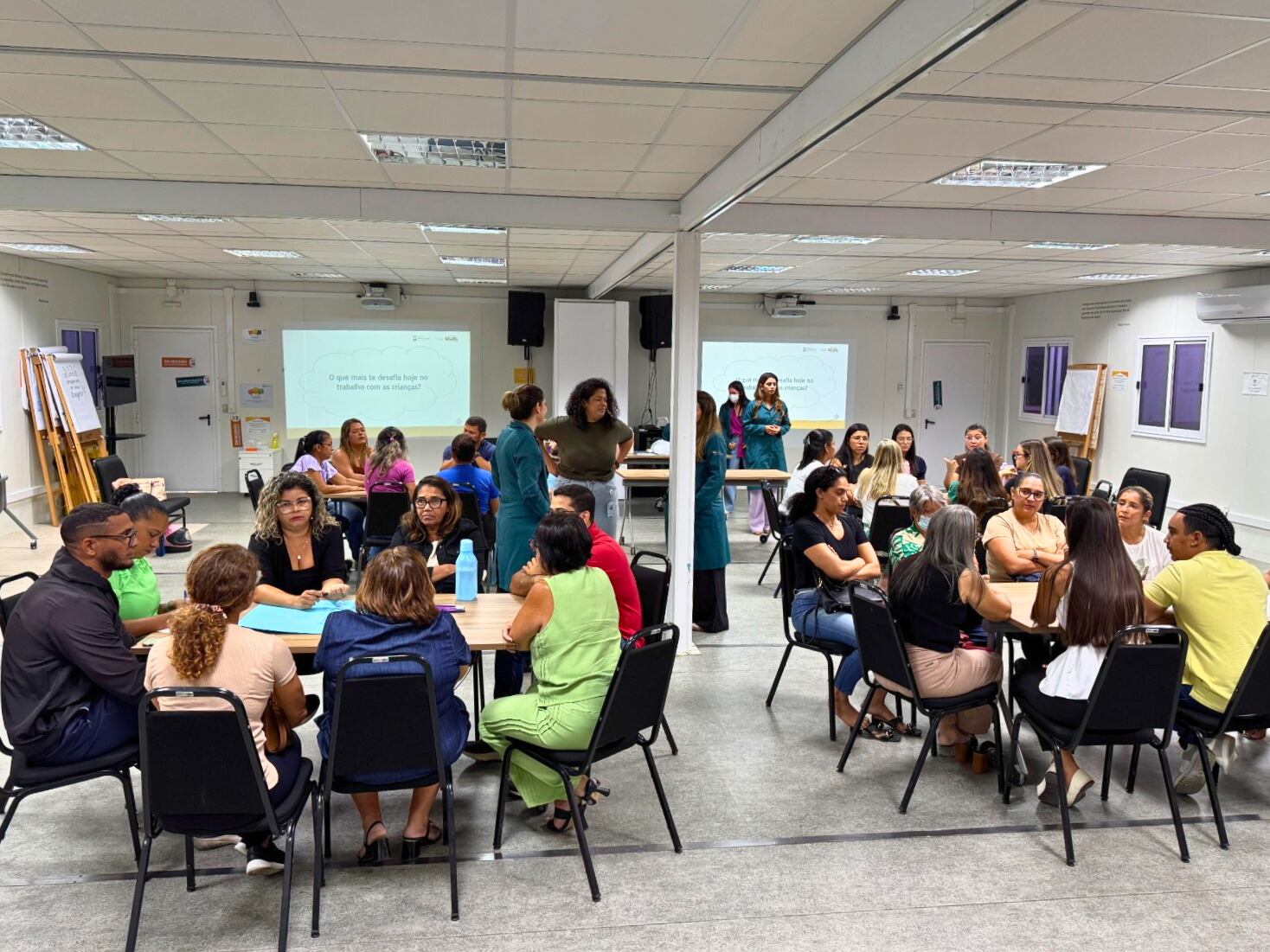
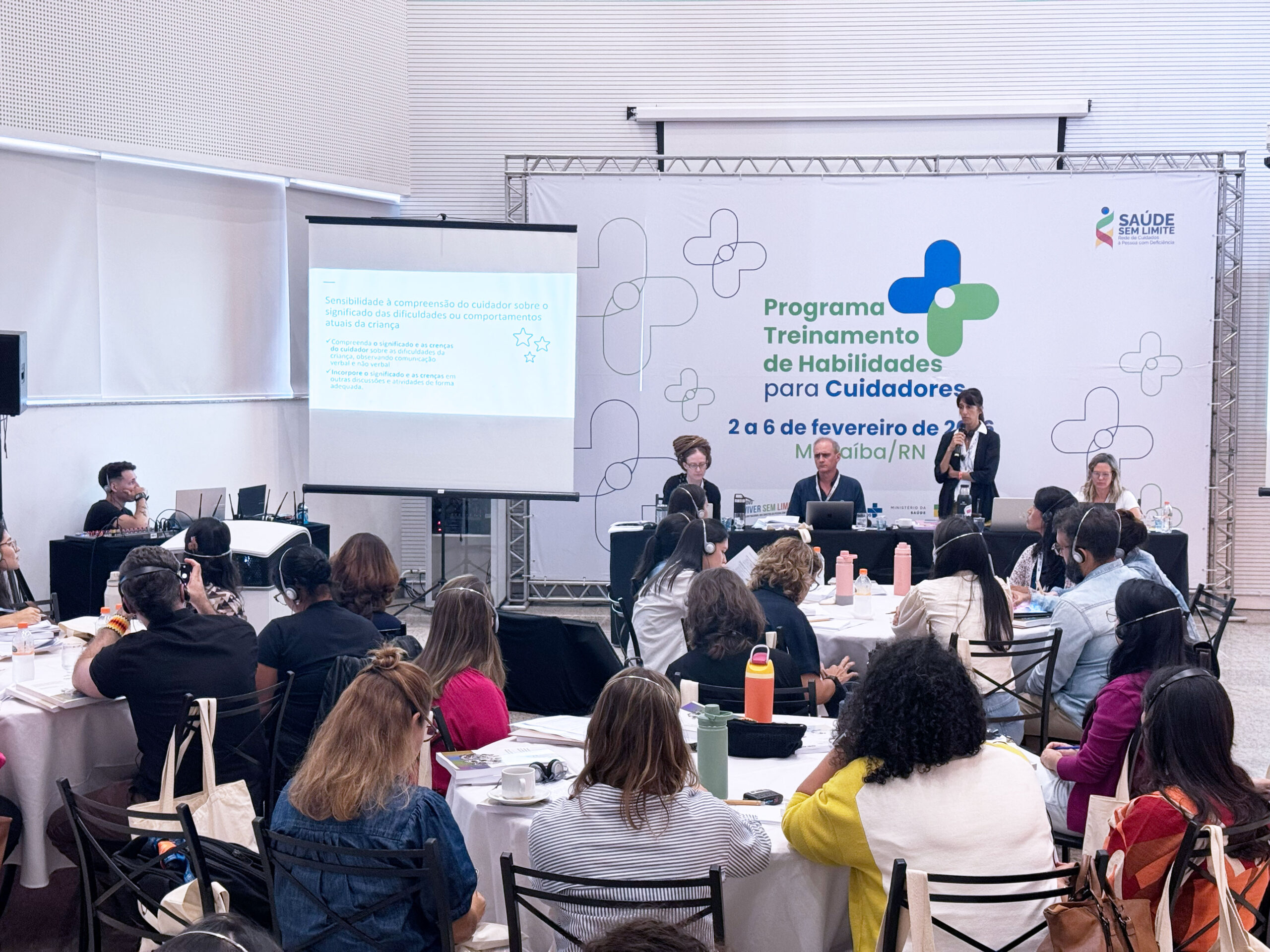
Seeking to disseminate these measures and provide guidance on how to implement them, the Santos Dumont Institute (ISD) held the “Educa Parkinson” event, bringing together users with Parkinson’s and their families. The discussion focused on adapting homes for people with Parkinson’s, with a focus on self-management.
Self-management, according to Fábio Galvão, Occupational Therapist Preceptor at ISD, is part of a set of strategies used in the health service that aims to stimulate the autonomy of elderly people with the disease in daily tasks, in addition to enabling safe use of the home.
“What we recommend are simple but necessary adaptations that can prevent accidents. Ideally, these tips should be applied together with a physiotherapist, to analyze what can be adapted at low or no cost,” explains Fábio.
The goal of these tips, which reinforce autonomy in tasks, is to gradually reduce the dependence on the caregiver or family. “Parkinson’s disease is degenerative – at an advanced stage, the patient may be totally dependent on the family. However, by adopting these self-management practices and with rehabilitation exercises, it is possible to delay the worsening of symptoms a little,” explains Fábio.
Check out some tips for adapting your home:
Mat
Carpets can be one of the main obstacles for the elderly. If they cannot be removed, the ideal is to replace them with non-slip carpets. When this is not possible, double-sided tape can be applied to the base of the carpet, so that it remains fixed to the floor and does not slip.
Bathroom
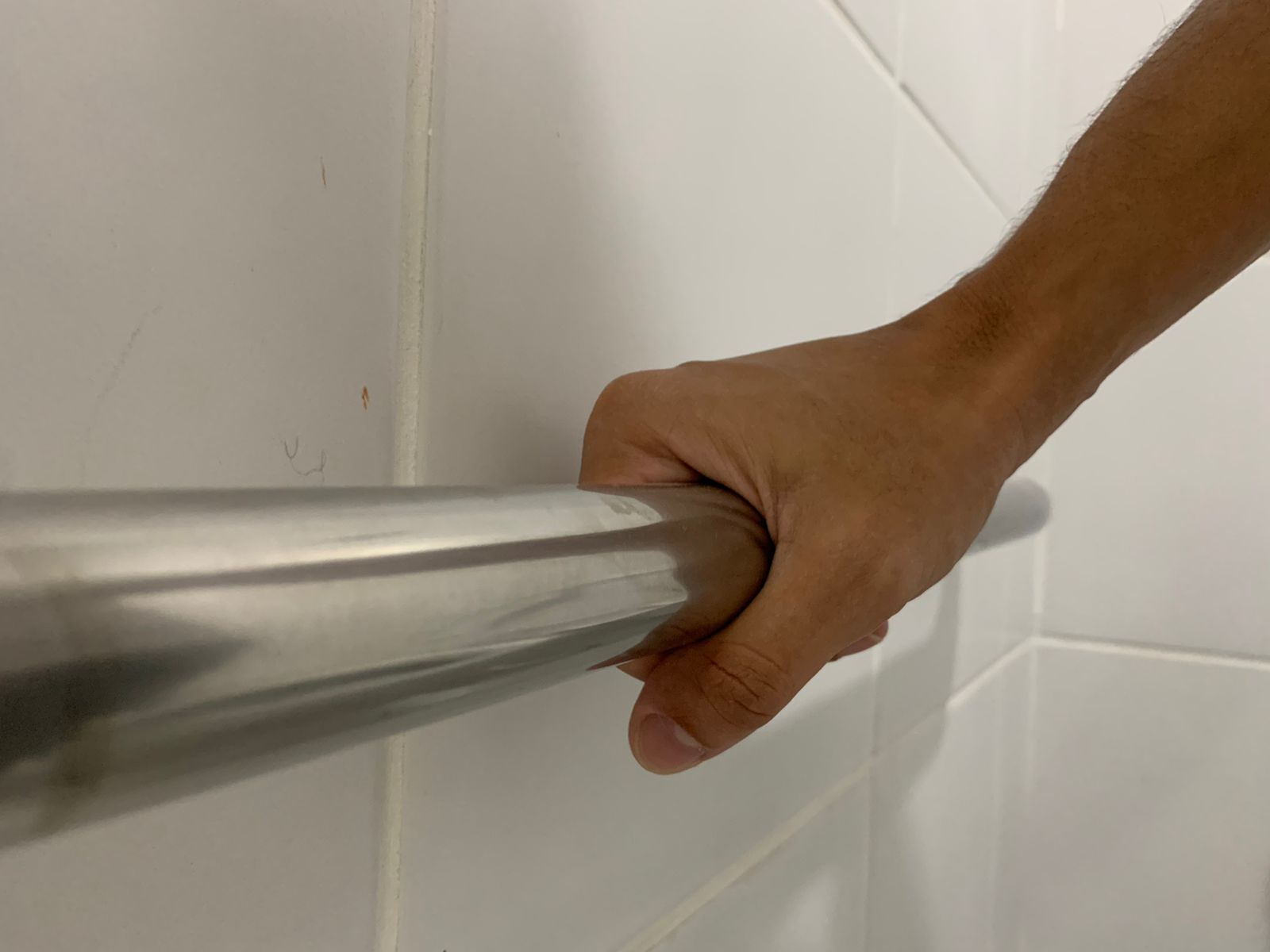
If a person with Parkinson's has balance problems, it is recommended that they take a shower sitting down, placing the necessary objects nearby and at the appropriate height and distance. When possible, install grab bars near the toilets so that the user can hold on to them when standing up or sitting down.
Cabinets
Cabinets should be at the height of the person with Parkinson's, preventing them from having to "stretch" or stand on tiptoe to reach something.
Setting
Keep rooms well lit so that people can see around and know where the main obstacles are. Avoid leaving wires, toys and other objects scattered on the floor – they can cause trips and falls.
Steps
When possible, install handrails on both sides to help people with Parkinson's get up and down.
Adaptation beyond the material
In addition to the physical symptoms of Parkinson's disease, family members and caregivers must be aware of other aspects that require a collective adaptation process. According to Joísa Araújo, Neuropsychologist Preceptor at ISD, the psychological adaptation of elderly people diagnosed with the disease is also essential and can prevent the disease from worsening rapidly.
“A Parkinson’s diagnosis can be very impactful when the person begins to realize that there may be limitations to their independence and autonomy. The diagnosis can often lead to isolation and, as a professional team that focuses on family-centered care, it is necessary to ensure that the person avoids this and seeks socialization,” he explains.
According to the neuropsychologist, socialization is a neuroprotective factor, mainly to avoid or slow down secondary conditions, such as dementia, and is one of the main strategies for preventing the worsening of psychological symptoms.
In cases where the disease is at an advanced enough level to cause difficulty with executive functioning, i.e. planning actions, achieving goals, or where the patient has slower responses, the field of neuropsychology is ideal for developing strategies together with the family and the patient. These include neuropsychological stimulation or rehabilitation practices through, for example, exercises and structuring routines.
A specific strategy for dealing with cognitive symptoms is the practice of “reality orientation”. Joísa cites as an example the performance of activities on festive dates, such as Christmas. “For a more compromised patient, it is a reference to time linked to a relevant date that already brings to light an association of specific memories, which will contribute to this process of cognitive rehabilitation”, she explains.
collective care
Socialization is also a strategy for controlling anxiety and preventing depressive symptoms, which are closely associated with isolation and feelings of uselessness. Putting the person in the lead role, with a voice, in collective spaces, and getting the patient to think about strategies together with the health professional are elements that are part of the therapeutic management of people with Parkinson's – as well as physical rehabilitation and adaptation of spaces.
For Domingos de Azevedo Cabral, a user of the Parkinson's Disease care line at the ISD Specialized Rehabilitation Center (CER ISD), moments of dialogue, interaction and exchange of experiences with other families and people with Parkinson's are motivating factors.
Domingos is in the process of adapting his own home, with the help of his family. Even so, he does not believe that the main difficulties are related to this process, but rather in making people understand the different needs of elderly people with Parkinson's.
“Not all families understand what is necessary. Therefore, one of the most important things is this interaction between us Parkinson’s patients and our families. For me, my treatment starts at home, when I remember that we are going to have one of these moments of socialization. This transforms us deeply, because the disease is not only of the body, it is of the soul too”, reflects Domingos.
Text: Naomi Lamarck / Ascom – ISD
Photograph: Mariana Ceci / Ascom – ISD
Communication Office
comunicacao@isd.org.br
(84) 99416-1880
Santos Dumont Institute (ISD)
It is a Social Organization linked to the Ministry of Education (MEC) and includes the Edmond and Lily Safra International Institute of Neurosciences and the Anita Garibaldi Health Education and Research Center, both in Macaíba. ISD's mission is to promote education for life, forming citizens through integrated teaching, research and extension actions, in addition to contributing to a fairer and more humane transformation of Brazilian social reality.