


The Monitoring and Evaluation Committee of the Management Contract (CAACG) of the Ministry of Education with the Santos Dumont Institute (ISD) stated, in a report presented this Friday (7), that the ISD “exceeded expectations in 2020” and recommended that the MEC renew the management contract with the Institute – a step that is currently under negotiation.
“The ISD responded with great speed to society's demands and promptly adapted to the adverse context that a totally unpredictable pandemic has brought about, with commendable results,” says the report, praising, among other points, what it called “the solidity of the integration built between the Institute's areas of activity, reflected in the interdisciplinary approach and interprofessional work in pioneering areas in the country.”
These and other results relating to last year, in the Commission's assessment, corroborate “the favorable indication for the celebration of a new cycle of the Management Contract”.
The current contract between the parties – through which the MEC has financed and monitored the ISD's activities since 2014 – expires at the end of the year.
The terms of a new document, lasting at least 10 years, are under discussion and the CAACG's opinion on the results is one of the elements that will be considered on the table.
RESULTS
The Monitoring and Evaluation Committee of the MEC Management Contract with the ISD brings together specialists linked to universities and other Federal Government bodies qualified in the area of activity of Social Organizations.
The indicators it assesses – a total of 13 in 2020 – were agreed with the MEC and involve teaching, research, extension and administrative management.
Despite the challenges brought about by the pandemic, more than half of the ISD's targets for the year were met or exceeded, and this was the panorama analyzed by the Commission and praised in the report. presented to the Institute's directors this Friday.
Fabio de Abreu e Lima, representative of the São Paulo State University (Unesp) at CAACG and interim president of the meeting held by videoconference to disseminate the Commission's analysis and recommendations, highlighted at the meeting that “the ISD has always, always, always shown evolution” and reiterated that “the results presented exceeded expectations even in this pandemic context”.

ACTION IN TIMES OF PANDEMIC
According to the report presented this Friday, the Commission assessed that “the set of actions carried out by the ISD in 2020 showed that it achieved results that exceeded the expectations of the CAACG, considering the Covid-19 pandemic and the consequent and necessary suspension of in-person activities” both at the Anita Garibaldi Center for Education and Research in Health (Anita) and at the Edmond and Lily Safra International Institute of Neuroscience (IIN-ELS)” – in reference to the two units of the Institute.
The Commission recognized that “the ISD promptly responded to the pandemic context and existing demand in the hospital context of Rio Grande do Norte, producing thousands of Personal Protective Equipment (PPE) for donation and also immediately prepared for telecare, despite the context of financial crisis in which it operated during the period”.
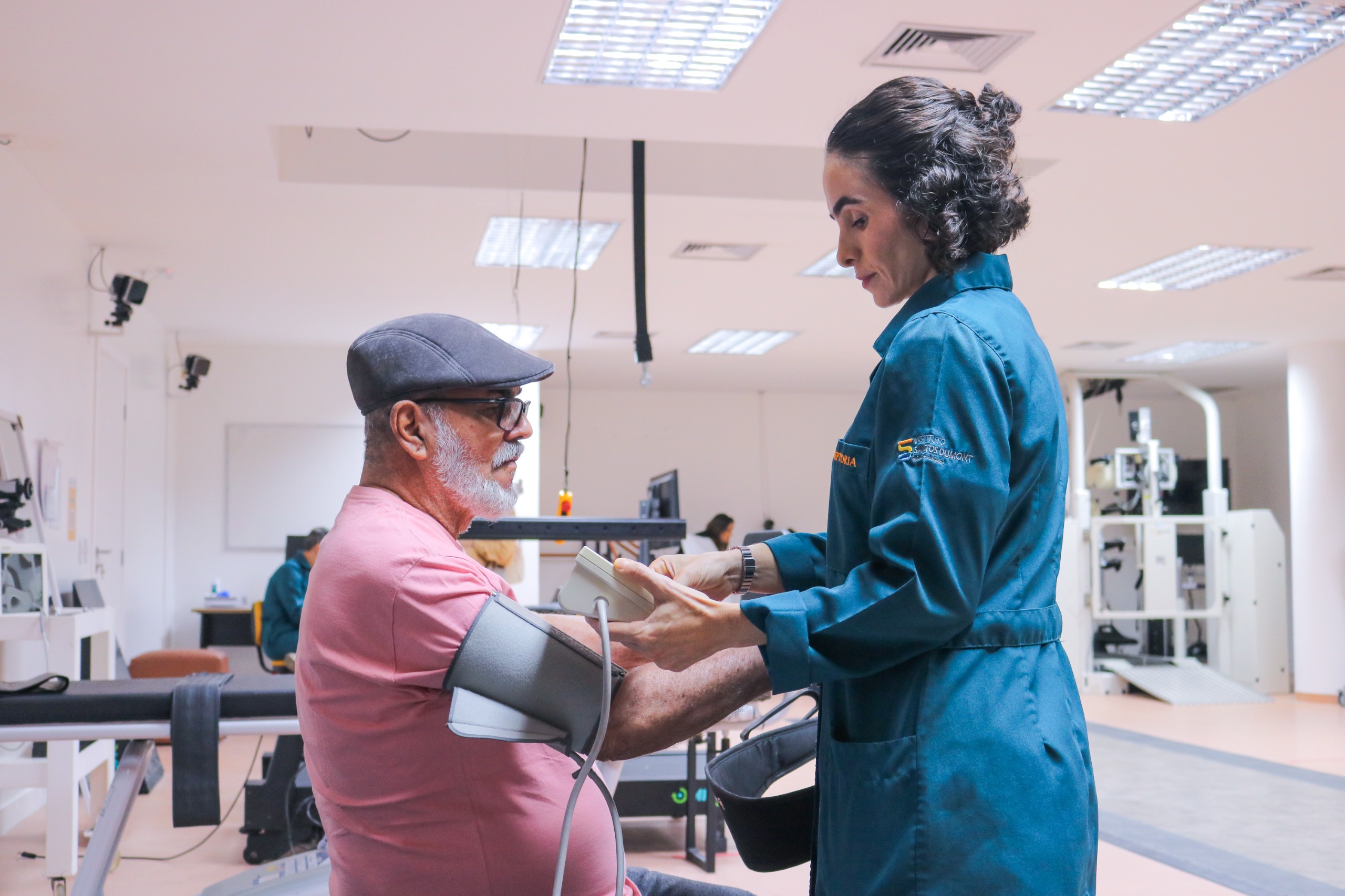
The report also highlights that, although not included in the management contract's indicators and targets, the data on ISD services “reflect the relevance of the Institute's role in the health reality of the regional population”. The analysis appears in the document accompanied by figures: There were 25,502 in-person services and 5,349 telehealth services on various fronts of action at Anita last year alone.
EDUCATION
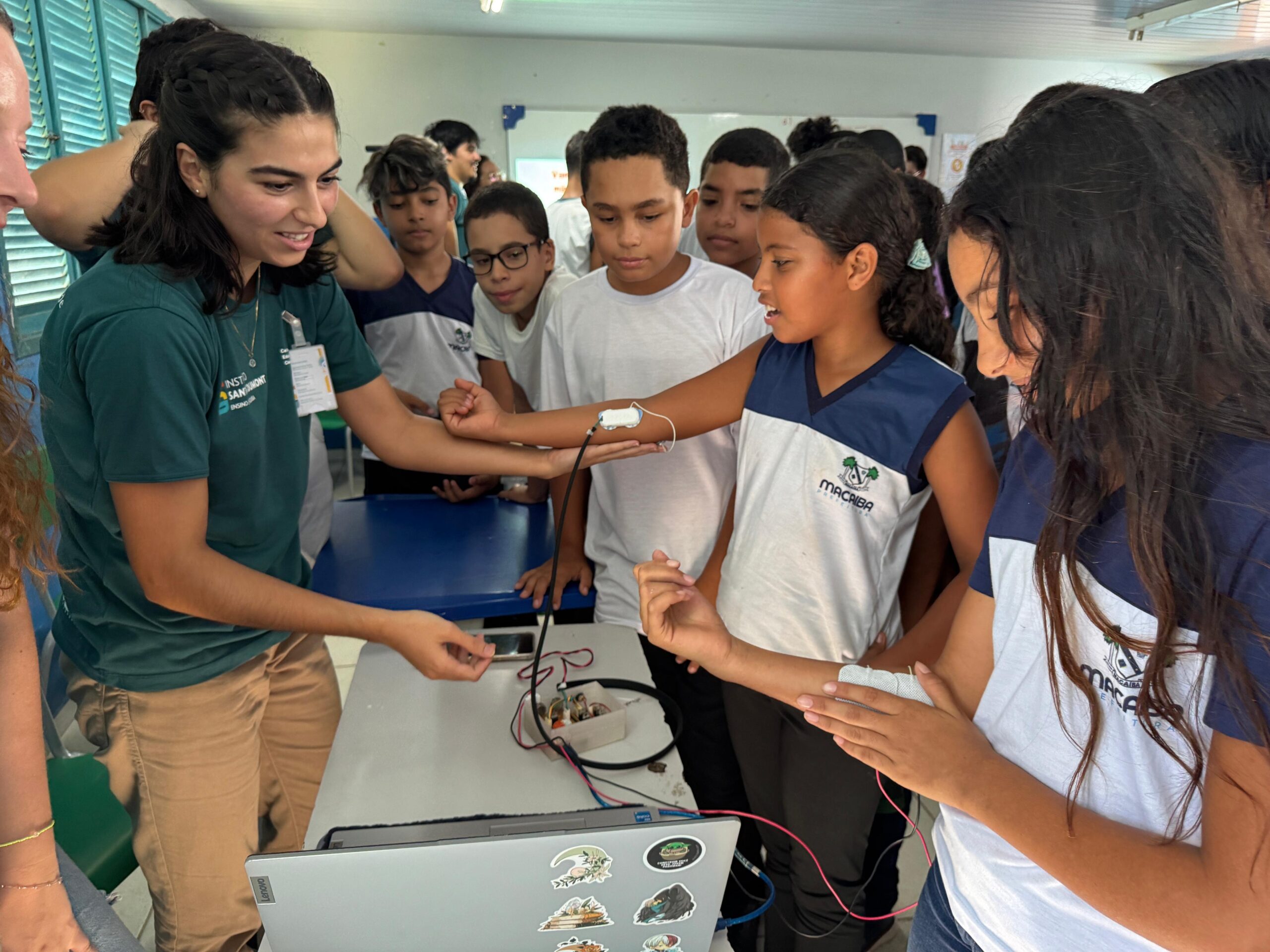
The Institute's education programs for social and community action were cited, in turn, as a “valuable diversity to expand interprofessional training and strengthen teaching-service-community integration, resulting in considerable advances in the quality of life of the population served.
The list of actions cited in the report includes the Multidisciplinary Service for Care for Autism Spectrum Disorder (Semea), Arte de Crescer, Neurinho, Preventable Maternal Mortality from the Perspective of Human Rights, Fazendo Direito (s), Reference Service for Care for Children, Adolescents and Women Victims of Sexual Violence, Rodas da Vida, Educa Parkinson and Projeto Barriguda.
The indicators related to the scientific production of researchers and students were also cited as having performed well during the year. Among the points highlighted in the conclusion of the report are the fact that students were encouraged to explore content related to Covid-19 in their productions and, also, the effort to disseminate science with the creation of the neurotalks, a space in the Instituto Santos Dumont channel on YouTube for the presentation of research in Neuroscience.
The Institute’s Communication and Social Outreach area was also highlighted by the Commission as “an action that gained strength and a new dimension”. “New strategies were established, social networks were reformulated and resized, and the means of outreach were strengthened, with significant results”, says the document.

President of the Commission highlights “transformations” at the Institute
Angela Santana, who created the Social Organizations model in Brazil in 1998 together with the then Minister of Federal Administration and State Reform, Luiz Carlos Bresser Pereira, said goodbye to the presidency of the Management Contract Monitoring and Evaluation Committee this Friday – a position she had held since 2015.
In an emotional speech at the beginning of the meeting, she – who is currently on leave and only participated in the video conference at this time – said that the ISD is “what she dreamed of for Social Organizations”, a model that she describes having created “with great sacrifice”.
“From what I’ve seen, of all the Social Organizations, you were the ones that presented the greatest institutional transformation. What we see today is a source of pride,” said Angela, and went further: “You are an example of management, you are an example in social assistance, in health care, and in everything you are doing, in teaching, in research. Thank you very much, thank you very much, for this joy that you gave me.”
The Santos Dumont Institute was qualified as a Social Organization by means of Presidential Decree in 2014, with the purpose of: “developing education and scientific research projects through the creation of a multidisciplinary environment, aiming at the development of cutting-edge research in multiple areas of knowledge, involving educational, social and economic development projects”.
The Institute’s CEO, Reginaldo Freitas Júnior, said that “the watchword” in light of the testimony of one of the creators of this model and all the contributions that the Commission has made to the development of the ISD “is gratitude.” “Regarding the appreciation and recognition of the work of the ISD, I understand very clearly that without the monitoring and evaluation of this Commission since 2015, we would not have been able to achieve this,” he noted.
The meeting also marked the farewell of Lúcia Christina Iochida as representative of the MEC Higher Education Secretariat at CAACG.
On behalf of the ISD, the CEO also thanked her and the other members of the group for the time and care they dedicated to helping leverage the development of the Institute.
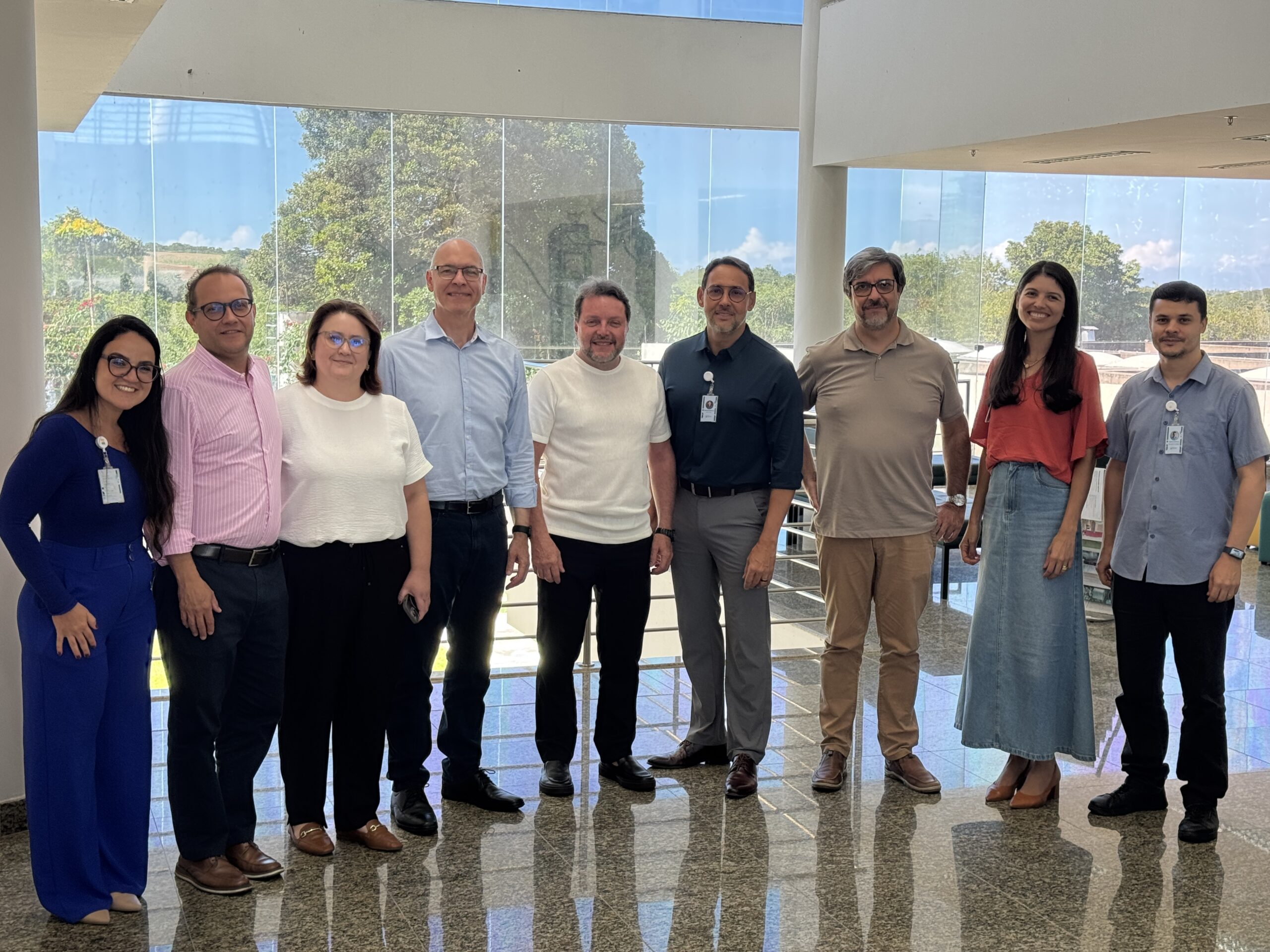
Present at the videoconference for the final evaluation of the ISD results in 2020 were the MEC project coordinators Naimar Araújo Moretti and Vinícius Nunes de Aquino, and the following members of the Commission: Fábio de Abreu e Lima, from the São Paulo State University (Unesp), Renato Evangelista de Araújo, from the Federal University of Pernambuco (UFPE), and Sylvia Helena Figueiredo, representative of the Ministry of Economy.
 Representing the Institute, the following people participated: the general director, Reginaldo Freitas Jr, the administrative director, Jovan Gadioli, the manager of the Anita Garibaldi Center for Education and Health Research, Lilian Lira Lisboa, the manager of the Edmond and Lily Safra International Institute of Neurosciences of the ISD, Edgard Morya, and the planning advisor, Eduardo Frare.