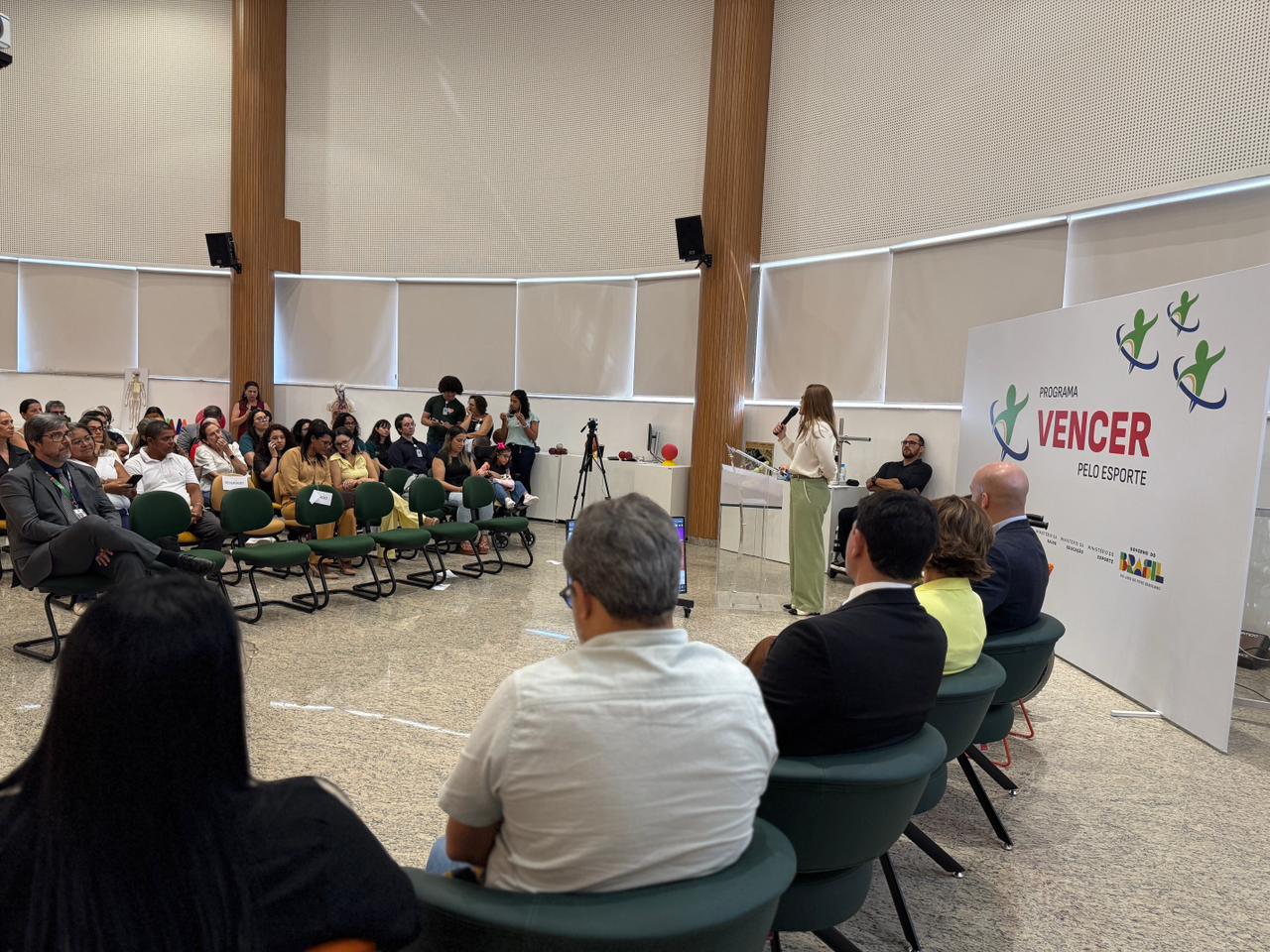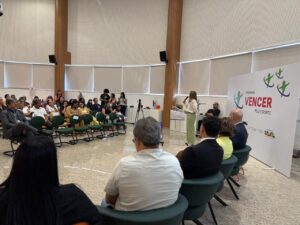


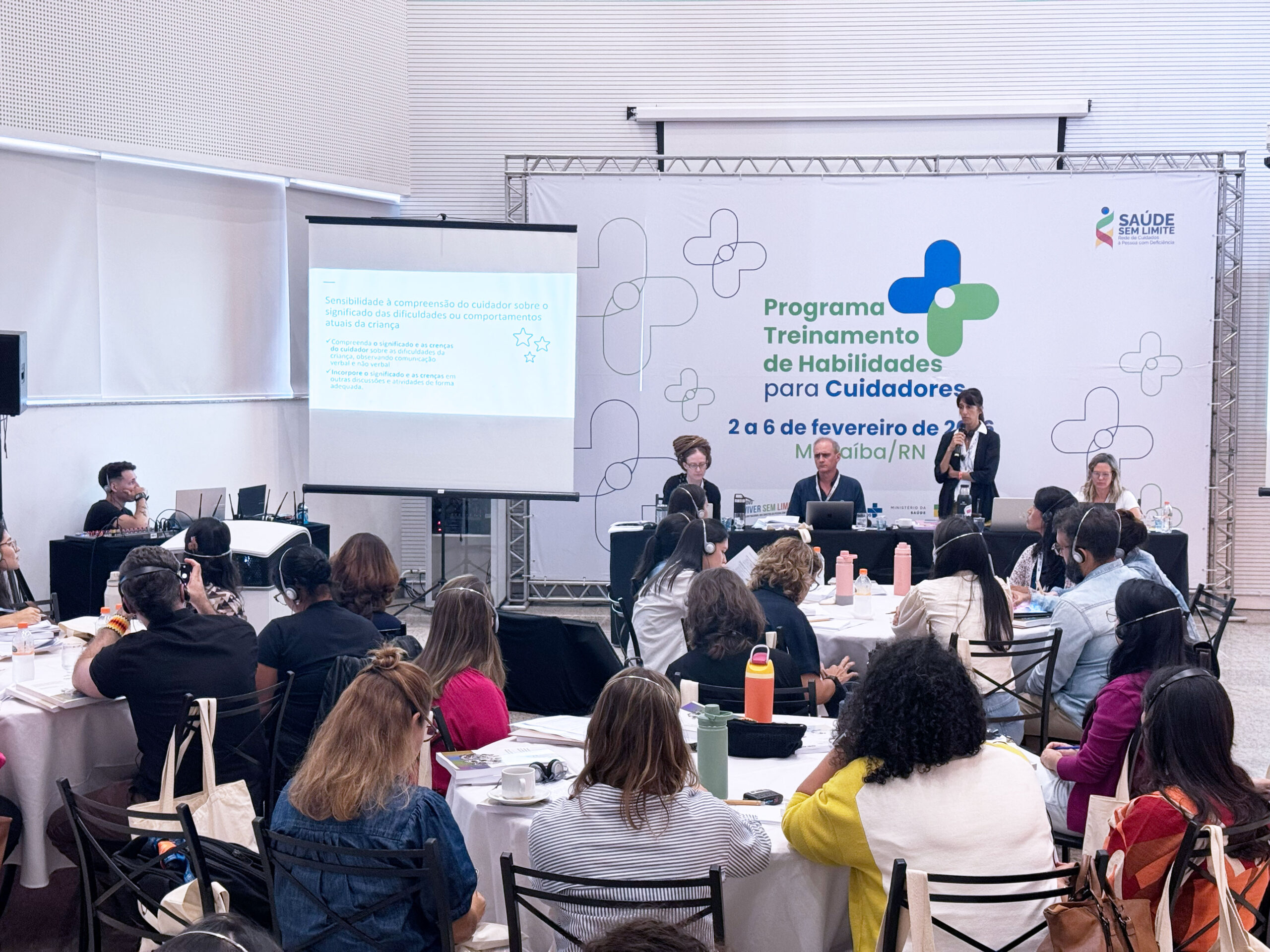
The Santos Dumont Institute (ISD) is hosting, throughout this week, a symbolic step for Brazilian public health: the beginning of the in-person training for the Caregiver Skills Training Program (CST – Caregivers Skills TrainingDeveloped by the World Health Organization (WHO), the initiative arrives in the country through a partnership between the Ministry of Health, the Pan American Health Organization (PAHO), and the ISD.
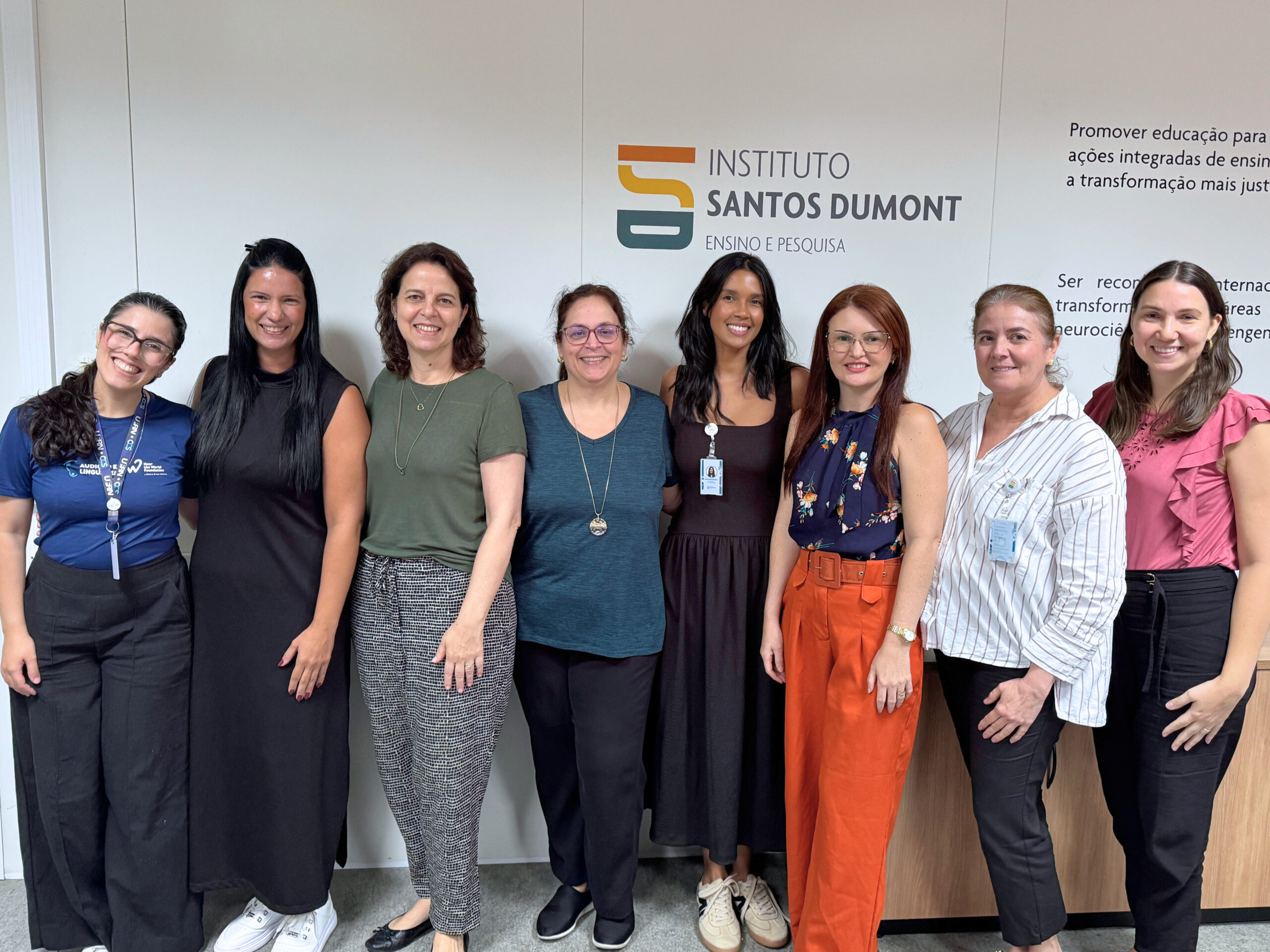
The training, which takes place at the Institute's headquarters in Macaíba (RN), trains the first 24 professionals who make up the supervisory team, composed of professionals coordinated by the ISD and representatives from the Ministry of Health. This group will be responsible for disseminating the CST methodology throughout the national territory, through training aimed at primary health care (PHC) professionals. The focus is to equip, in a second phase, parents and caregivers of children with Autism Spectrum Disorder (ASD) or developmental delays so that they can stimulate their children's progress in daily activities.
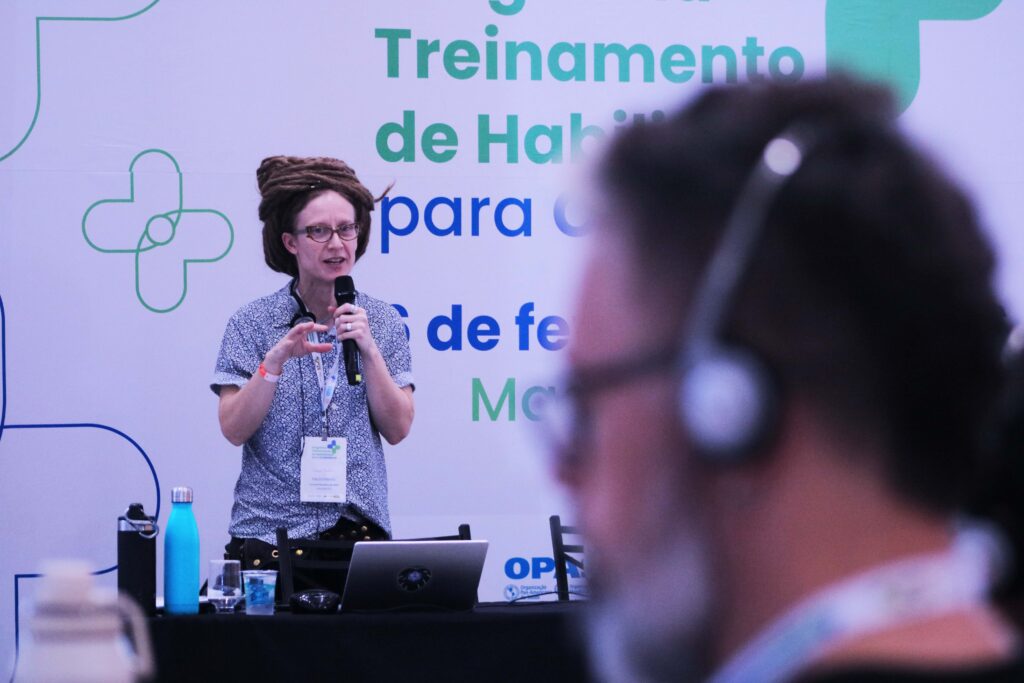
According to Laura Pacione, a trainer and consultant specializing in the WHO, the program helps develop skills that can be used at home. “This initiative will train a considerable number of new trainers and supervisors who will have the capacity to train other specialists. We will be doing a cascading training to take the program to the grassroots level for families in need,” she explains.
For the Ministry of Health, the choice of ISD as headquarters and technical partner is strategic for the decentralization of care. “Brazil will be the first country in the Americas to implement this program as a state policy,” highlights Arthur Medeiros, General Coordinator of Health for People with Disabilities at the Ministry of Health. “The perspective is to implement the program throughout the national territory, linked to primary care and the Family Health Strategy, to bring early intervention to where it is most needed.”
The Director-General of ISD, Reginaldo Freitas Júnior, emphasizes that the initiative is in the institution's DNA. “The CST brings together characteristics that are very much aligned with the work we develop at ISD and that are very powerful for strengthening the SUS (Brazilian Public Health System). Centered on the family, using principles of community-based education and interprofessionalism, the strategy is capable of stimulating the development of children through their caregivers, with routines of play and the structuring of daily activities, which can be incorporated into the daily lives of these people in a simple and very effective way,” he states.
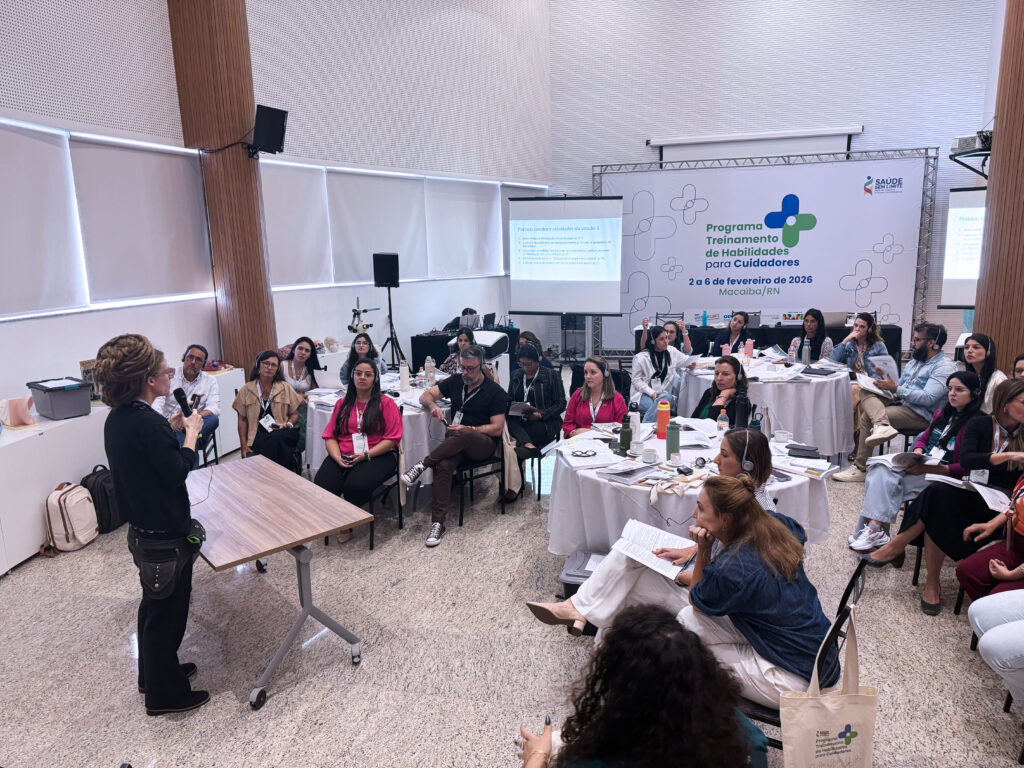
More than just technical training, the director sees the project as an engine for inclusion and citizenship. He explains that what motivates ISD to lead this national expansion, in partnership with the Ministry of Health, is the transformative impact on the lives of Brazilian families. “We believe this is a very important step towards building a Brazil where all people with disabilities can reach their full potential for development and the exercise of citizenship,” adds Reginaldo, reinforcing the institution's commitment to transforming social reality.
The event culminates work that began in 2023. After a virtual theoretical phase held at the end of last year, facilitators from WHO and PAHO came to Rio Grande do Norte for the practical phase. “We are now carrying out this in-person, live phase at the Santos Dumont Institute, to whom we want to express our gratitude for the welcome and the work done here,” emphasizes Victor Pavarino, PAHO technician.
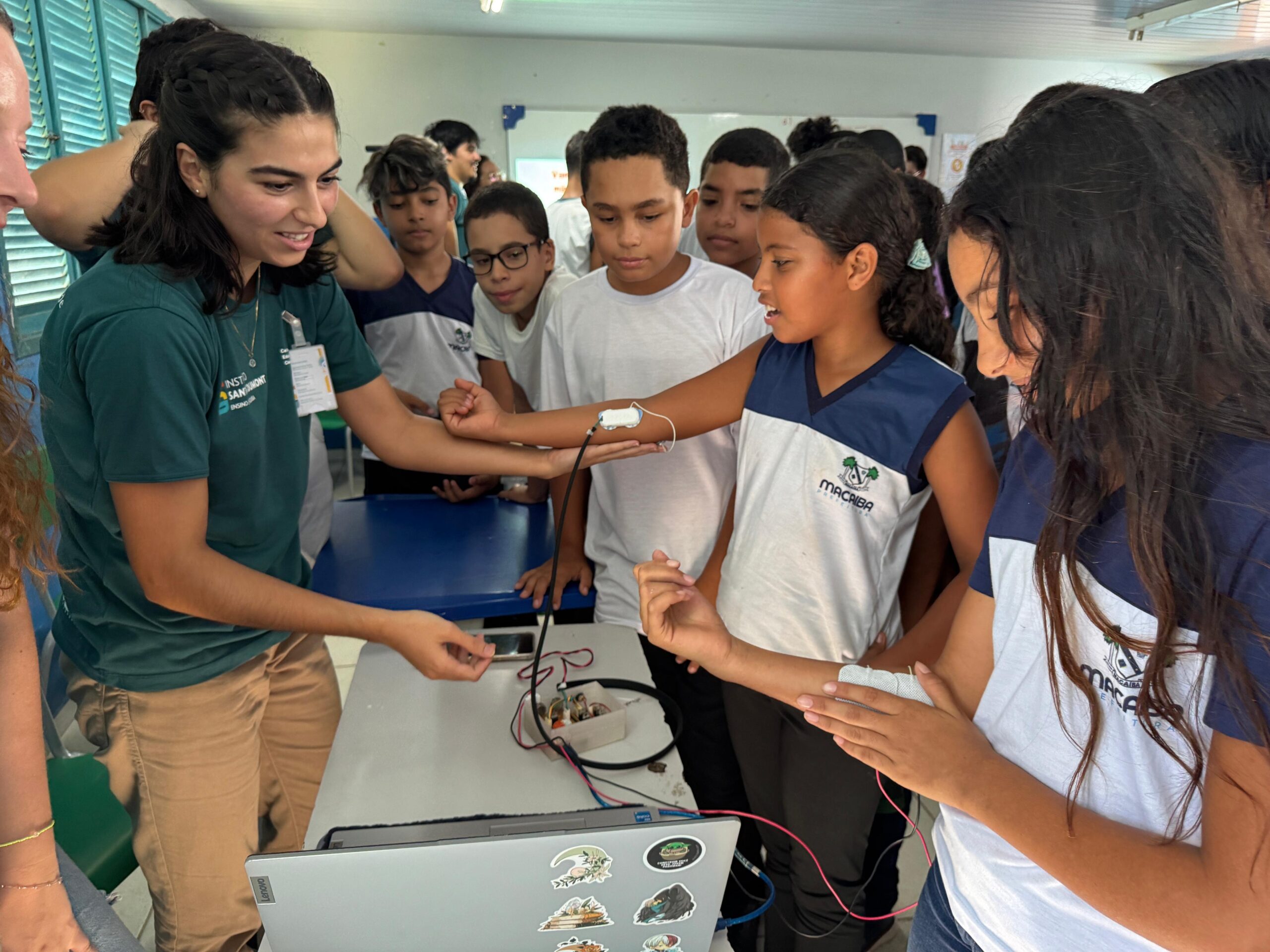
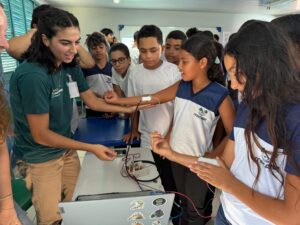
Practical activities at the Institute involve direct interaction between professionals, international facilitators, and families served by the institution, allowing new supervisors to validate training techniques in real time.
International cooperation for caregiver training
The event held in Macaíba is an extension of a global initiative led by the World Health Organization to promote CST. In November 2025, at the invitation of the WHO, a Brazilian delegation, with representatives from the Ministry of Health and the ISD, participated in the WHO's international conference on the topic in Chongqing, China.
On that occasion, ISD was represented by its Director-General, Reginaldo Freitas Júnior, and the coordinator of the ISD Early Childhood Development Center, Camila Simão. The meeting allowed Brazil to share experiences in early stimulation and align national implementation with the best global practices adopted in countries such as Italy, Malaysia, and China.
What is CST?
Skills training for caregivers of children with developmental delays or disabilities (CST) aims to provide caregivers with skills they can use at home to improve the child's engagement in activities and communication, as well as promote positive behaviors and daily living skills. The program is developed by the WHO in several countries.
The training teaches evidence-based techniques so that caregivers can stimulate children's communication, play, and social interaction, as well as strengthen emotional bonds and reduce family stress.
About ISD
The Santos Dumont Institute (ISD) is a Social Organization of the Federal Executive Branch, supervised by the Ministry of Education. It encompasses the Edmond and Lily Safra International Institute of Neuroscience and the Anita Garibaldi Center for Education and Research in Health, both located in Macaíba. The ISD's mission is to promote education for life, forming citizens through integrated actions of teaching, research, and outreach.