
ISD research is highlighted at an international scientific event in Austria.

Posted in November 3, 2025

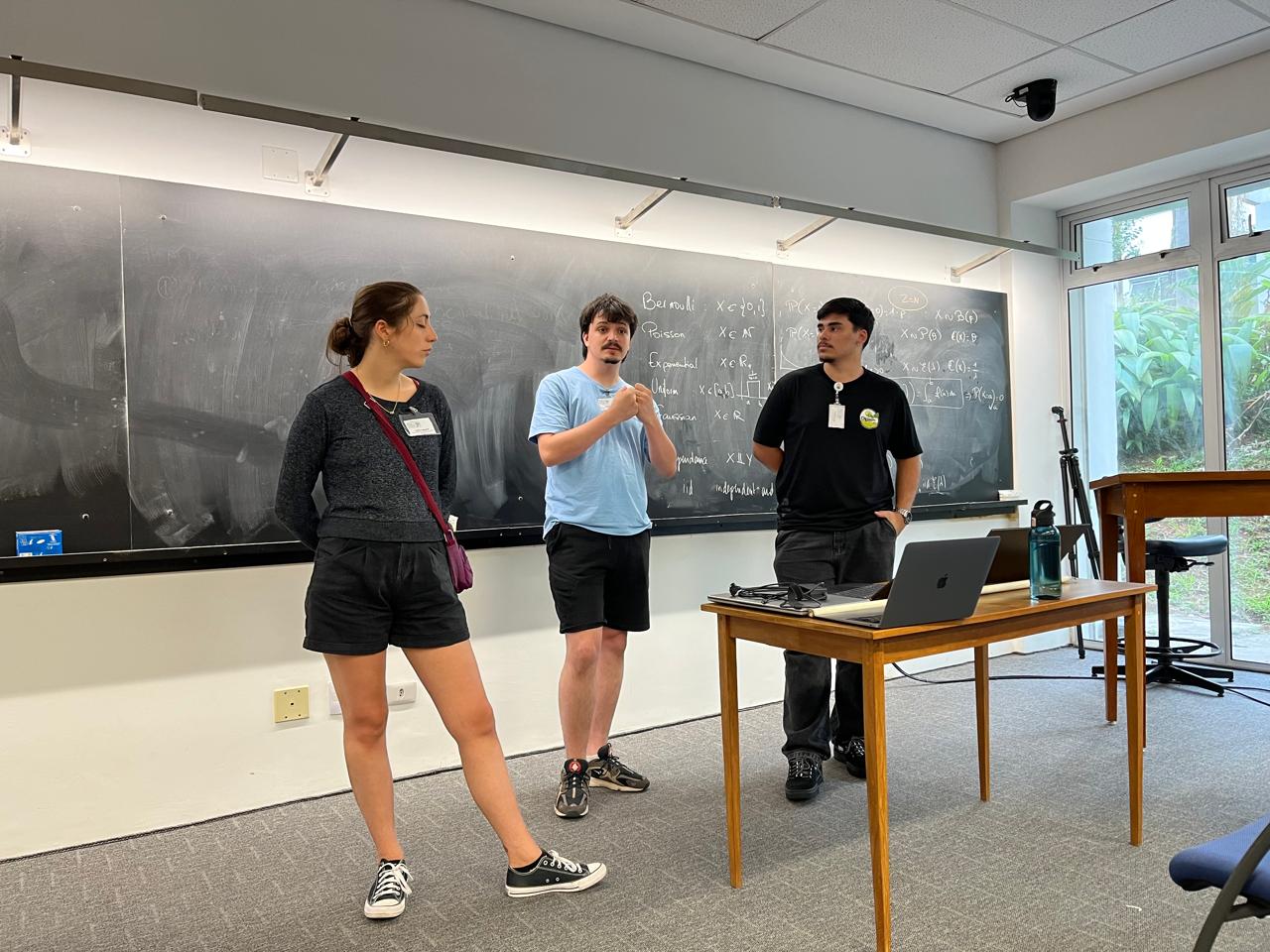
A study developed at the Santos Dumont Institute (ISD) was one of the works presented at the International Conference on Systems, Man, and Cybernetics, promoted by the Institute of Electrical and Electronics Engineers (IEEE). The congress, held in Vienna, Austria, is one of the most relevant conferences in the field of Human-Computer Interaction.

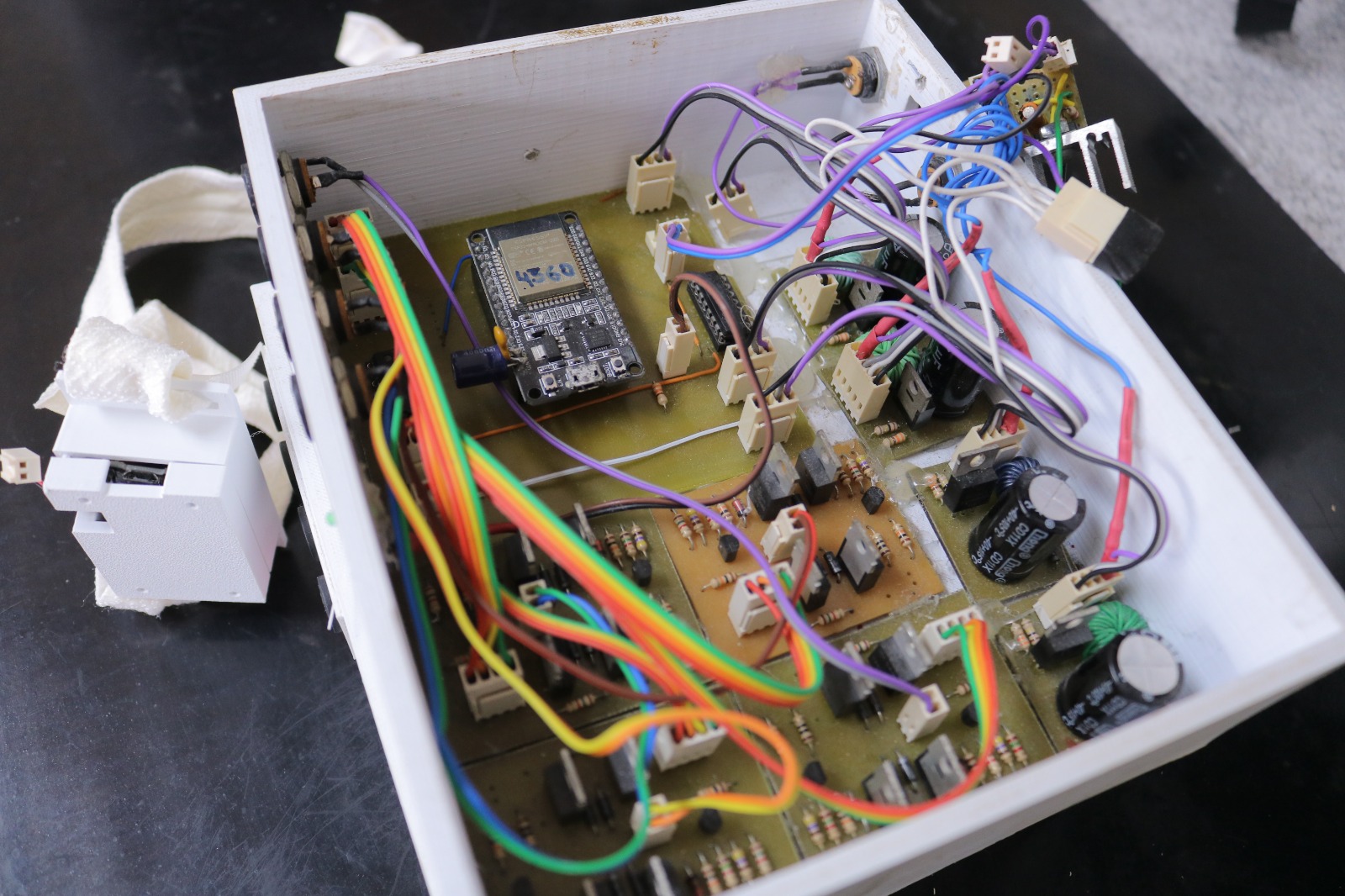
The research presented aims to propose the use of a brain-computer interface in the rehabilitation of people with paraplegia caused by spinal cord injury. The technology, which allows communication between the brain and a device, is specifically geared towards cortical activity related to lower limb movement.

The study was authored by Colombian researcher Ximena Gonzalez Cely, who conducted part of her research at ISD over a year, under the guidance of Professor Denis Delisle Rodriguez, head of the institution. According to her, the study provides alternative pathways for people with neurological damage who have lost the ability to move their legs to practice conscious motor control of their lower limbs.

“It’s important to present the results of our research at international conferences because it allows us to meet other research groups, make connections, ask questions, and create new research questions. Last but not least, it makes it possible to see other places, hear different languages, and connect with people around the world,” says the scientist.

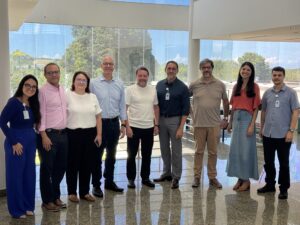
In addition to Ximena Cely and Denis Rodriguez, the research team includes Ximena's advisor and professor at the Federal University of Espírito Santo (UFES), Teodiano Bastos Filho; Lucivânio Varela and Lucas Costa, master's student and graduate of the Neuroengineering master's program at ISD, respectively; and ISD research professors André Dantas and Caroline Cunha do Espírito Santo.

Technology can reduce costs for healthcare services.

According to Professor Denis Rodriguez, the proposed technology stands out for combining interdisciplinary knowledge in formulating a solution that is low-cost, practical, and integrated into the context of rehabilitation in health services.

“Brain-computer interfaces have been demonstrating their potential to repair severe neurological damage in individuals after a complete spinal cord injury or stroke. More scientific evidence is still needed, and the costs of these solutions must be reduced, so that the healthcare system, especially the public system, adopts rehabilitation with brain-computer interfaces,” explains the researcher. 

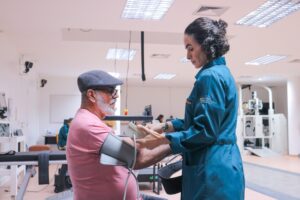
Currently, physiotherapist and Master's student in Neuroengineering at ISD, Lucivânio Varela, is conducting a new phase of the research, which consists of clinical trials of the developed technology. He emphasizes that, unlike other therapies, this approach requires greater focus and concentration in the rehabilitation process, since progress depends directly on individual effort during the sessions.

“After validating the system, we began recruiting individuals with spinal cord injuries treated at the ISD Specialized Rehabilitation Center, as well as external participants who expressed interest in collaborating with the research. So far, the volunteers have shown great engagement, and some have already reported improved sensitivity in areas where there was previously no sensation,” says the master's student.

ISD Open Laboratories

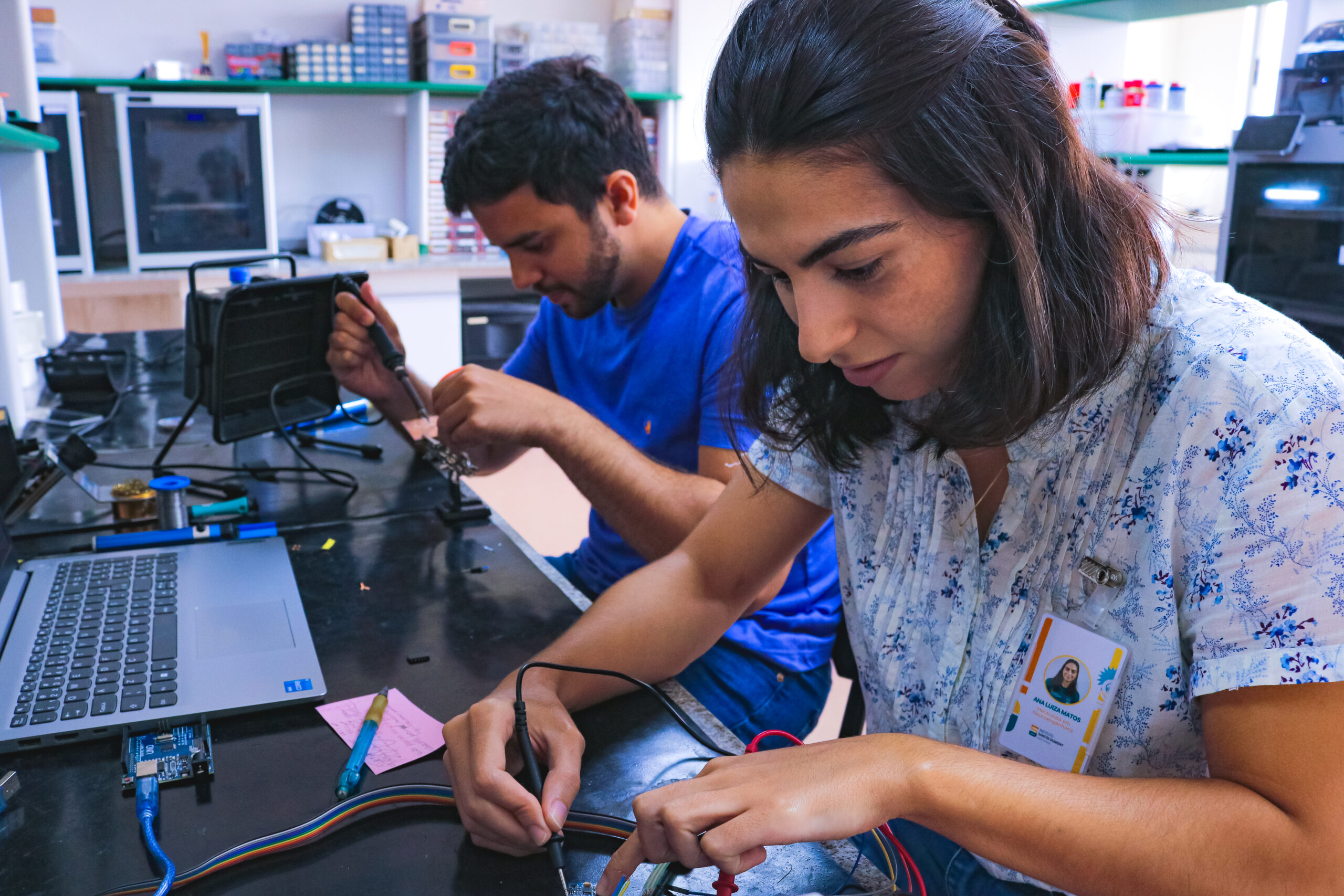
The ISD laboratories are open to the national and international scientific community. Through an ongoing call for proposals, researchers can submit research projects. use of facilities.

The activities are carried out at the Edmond and Lily Safra International Institute of Neuroscience (IIN-ELS), one of the two ISD units in Macaíba/RN. With over 12,000 square meters of built area, the IIN-ELS has a modern laboratory and equipment infrastructure, as well as a team of research and development support technicians responsible for the laboratory facilities.

The project aims to enable the interdisciplinary sharing of the ISD's open laboratory infrastructure, contributing to the strengthening of research developed in the country. The laboratories have specialized expertise in the areas of Neuroscience, Neuroengineering, and Rehabilitation.

About ISD

The Santos Dumont Institute is a Social Organization linked to the Ministry of Education (MEC) and includes the Edmond and Lily Safra International Neuroscience Institute and the Anita Garibaldi Health Education and Research Center, both in Macaíba. ISD's mission is to promote education for life, forming citizens through integrated teaching, research and extension actions, in addition to contributing to a fairer and more humane transformation of Brazilian social reality.
Communication Office
comunicacao@isd.org.br
(84) 99416-1880

Share this news

Recommended

More news

ISD research is highlighted at an international scientific event in Austria.

A study developed at the Santos Dumont Institute (ISD) was one of the works presented at the International Conference on Systems, Man, and Cybernetics, promoted by the Institute of Electrical and Electronics Engineers (IEEE). The congress, held in Vienna, Austria, is one of the most relevant conferences in the field of Human-Computer Interaction.

The research presented aims to propose the use of a brain-computer interface in the rehabilitation of people with paraplegia caused by spinal cord injury. The technology, which allows communication between the brain and a device, is specifically geared towards cortical activity related to lower limb movement.

The study was authored by Colombian researcher Ximena Gonzalez Cely, who conducted part of her research at ISD over a year, under the guidance of Professor Denis Delisle Rodriguez, head of the institution. According to her, the study provides alternative pathways for people with neurological damage who have lost the ability to move their legs to practice conscious motor control of their lower limbs.

“It’s important to present the results of our research at international conferences because it allows us to meet other research groups, make connections, ask questions, and create new research questions. Last but not least, it makes it possible to see other places, hear different languages, and connect with people around the world,” says the scientist.

In addition to Ximena Cely and Denis Rodriguez, the research team includes Ximena's advisor and professor at the Federal University of Espírito Santo (UFES), Teodiano Bastos Filho; Lucivânio Varela and Lucas Costa, master's student and graduate of the Neuroengineering master's program at ISD, respectively; and ISD research professors André Dantas and Caroline Cunha do Espírito Santo.

Technology can reduce costs for healthcare services.

According to Professor Denis Rodriguez, the proposed technology stands out for combining interdisciplinary knowledge in formulating a solution that is low-cost, practical, and integrated into the context of rehabilitation in health services.

“Brain-computer interfaces have been demonstrating their potential to repair severe neurological damage in individuals after a complete spinal cord injury or stroke. More scientific evidence is still needed, and the costs of these solutions must be reduced, so that the healthcare system, especially the public system, adopts rehabilitation with brain-computer interfaces,” explains the researcher. 

Currently, physiotherapist and Master's student in Neuroengineering at ISD, Lucivânio Varela, is conducting a new phase of the research, which consists of clinical trials of the developed technology. He emphasizes that, unlike other therapies, this approach requires greater focus and concentration in the rehabilitation process, since progress depends directly on individual effort during the sessions.

“After validating the system, we began recruiting individuals with spinal cord injuries treated at the ISD Specialized Rehabilitation Center, as well as external participants who expressed interest in collaborating with the research. So far, the volunteers have shown great engagement, and some have already reported improved sensitivity in areas where there was previously no sensation,” says the master's student.

ISD Open Laboratories

The ISD laboratories are open to the national and international scientific community. Through an ongoing call for proposals, researchers can submit research projects. use of facilities.

The activities are carried out at the Edmond and Lily Safra International Institute of Neuroscience (IIN-ELS), one of the two ISD units in Macaíba/RN. With over 12,000 square meters of built area, the IIN-ELS has a modern laboratory and equipment infrastructure, as well as a team of research and development support technicians responsible for the laboratory facilities.

The project aims to enable the interdisciplinary sharing of the ISD's open laboratory infrastructure, contributing to the strengthening of research developed in the country. The laboratories have specialized expertise in the areas of Neuroscience, Neuroengineering, and Rehabilitation.

About ISD

The Santos Dumont Institute is a Social Organization linked to the Ministry of Education (MEC) and includes the Edmond and Lily Safra International Neuroscience Institute and the Anita Garibaldi Health Education and Research Center, both in Macaíba. ISD's mission is to promote education for life, forming citizens through integrated teaching, research and extension actions, in addition to contributing to a fairer and more humane transformation of Brazilian social reality.

Communication Office
comunicacao@isd.org.br
(84) 99416-1880

Share this news