


Communication between the retina and the brain is one of the factors responsible for transforming light into an object, allowing our nervous system to analyze and interpret visual information, forming images from light stimuli. However, this is not the only function of the relationship between the eyes and the brain.
The reception of light stimuli in the brain through retinal projections results not only in the formation of images, but is also responsible for regulating aspects inherent to the habits and biological functioning of various living beings. This is part of what is called biological rhythm, which in mammals involves aspects such as the predisposition to perform activities, the regulation of metabolism and sleep.
This is what is reinforced by a study carried out in Macaíba, in Rio Grande do Norte, by scientists from the Santos Dumont Institute (ISD), a Social Organization linked to the Ministry of Education. Published in the international journal Journal of Anatomy, the study aims to aim to describe the presence of retinal projections and their morphological types in the dorsal raphe nucleus (DRN), a brain structure that, among other functions, is involved with biological rhythms.
Using animal models similar to humans, the work detected innervation and characterized different types of fibers, exploring a combination of neuroanatomical and immunohistochemical tools to investigate connections little explored in primates.
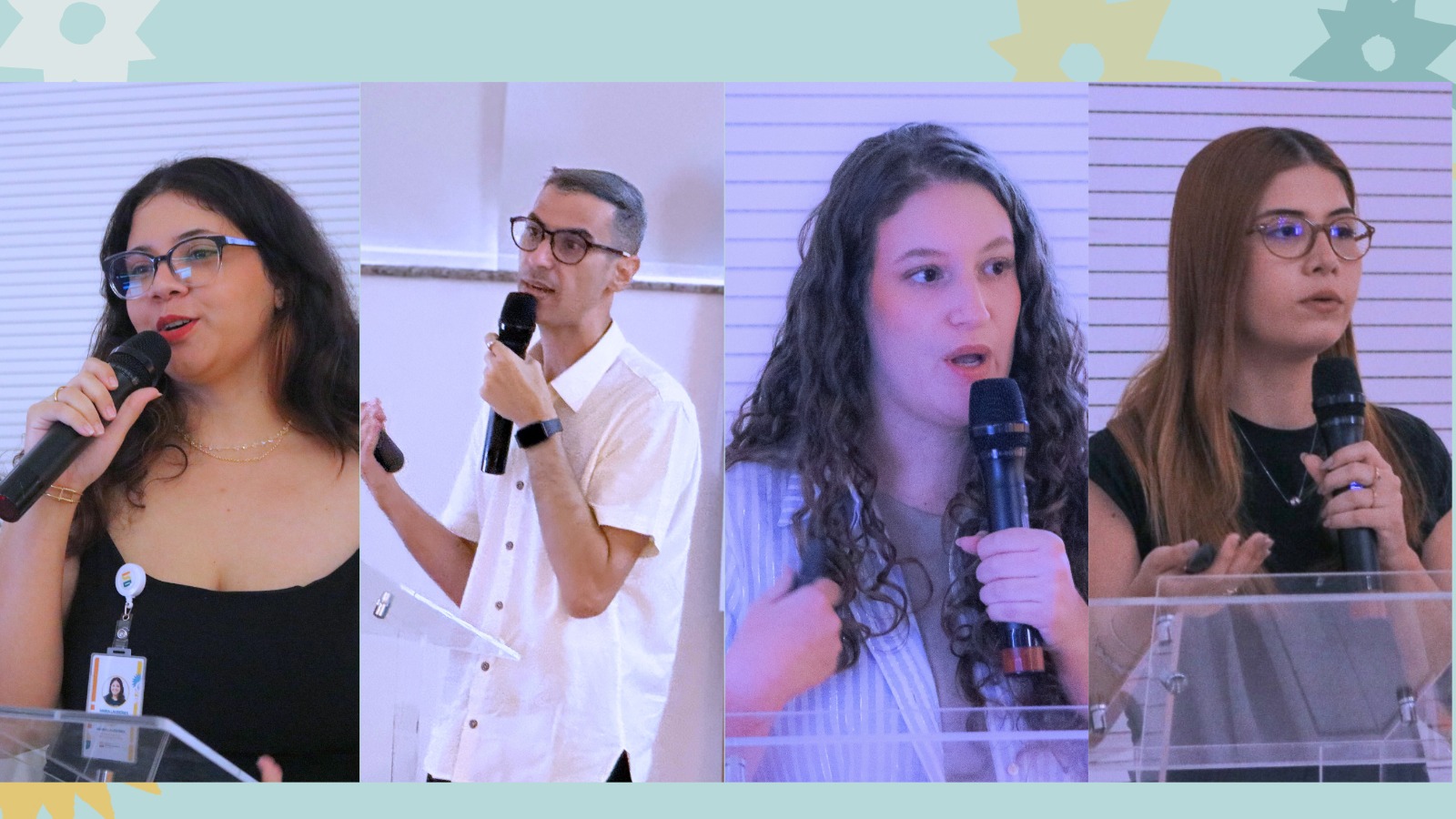
According to the lead author of the work, Nelyane Santana, a postdoctoral researcher at ISD, the study offers a new perspective on the functional organization of retinal circuits not related to vision, that is, those responsible for physiological aspects of the organism.

“With these results, we hope to extend the investigation of this pathway to other species of non-human primates, characterizing the retinal cells that form this projection, the neuronal population that receives this innervation and the functional aspect of this circuit,” explains Nelyane.
With a PhD and a master's degree in psychobiology, the researcher is currently completing part of her postdoctoral internship at the University of the Witwatersrand, located in Johannesburg, South Africa. There, she investigates areas of the brain using animal models native to the continent, connecting intercontinental perspectives to her work in Brazil and contributing to innovations in neuroscience research.
In addition to Nelyane, the study was attended by Wellydo Escarião, a master's student in Neuroengineering at ISD, Felipe Fiuza, a research professor at the institution, and researchers from the Federal University of Rio Grande do Norte (UFRN) Eryck Silva, Expedito Nascimento Júnior, Miriam Costa, Rovena Clara Engelberth and Jeferson Cavalcante. The article resulting from the research can be freely accessed in the Journal of Anatomy, through the link: https://onlinelibrary.wiley.com/doi/10.1111/joa.14218.
Basic research
The study developed at ISD and recently published in the Journal of Anatomy is part of a scientific category called basic research, which comprises part of the Institute's research lines.
In these studies, the focus is on better understanding natural phenomena and improving scientific theories. Therefore, these studies do not directly result in applications in humans or in the development of assistive technologies, but they strengthen a theoretical basis that can be used by other researchers and professionals in the development of clinical strategies and solutions, which require prior research to ensure greater quality and effectiveness in what is offered to society.
ABOUT ISD
The Santos Dumont Institute is a Social Organization linked to the Ministry of Education (MEC) and includes the Edmond and Lily Safra International Neuroscience Institute and the Anita Garibaldi Health Education and Research Center, both in Macaíba. ISD's mission is to promote education for life, forming citizens through integrated teaching, research and extension actions, in addition to contributing to a fairer and more humane transformation of Brazilian social reality.