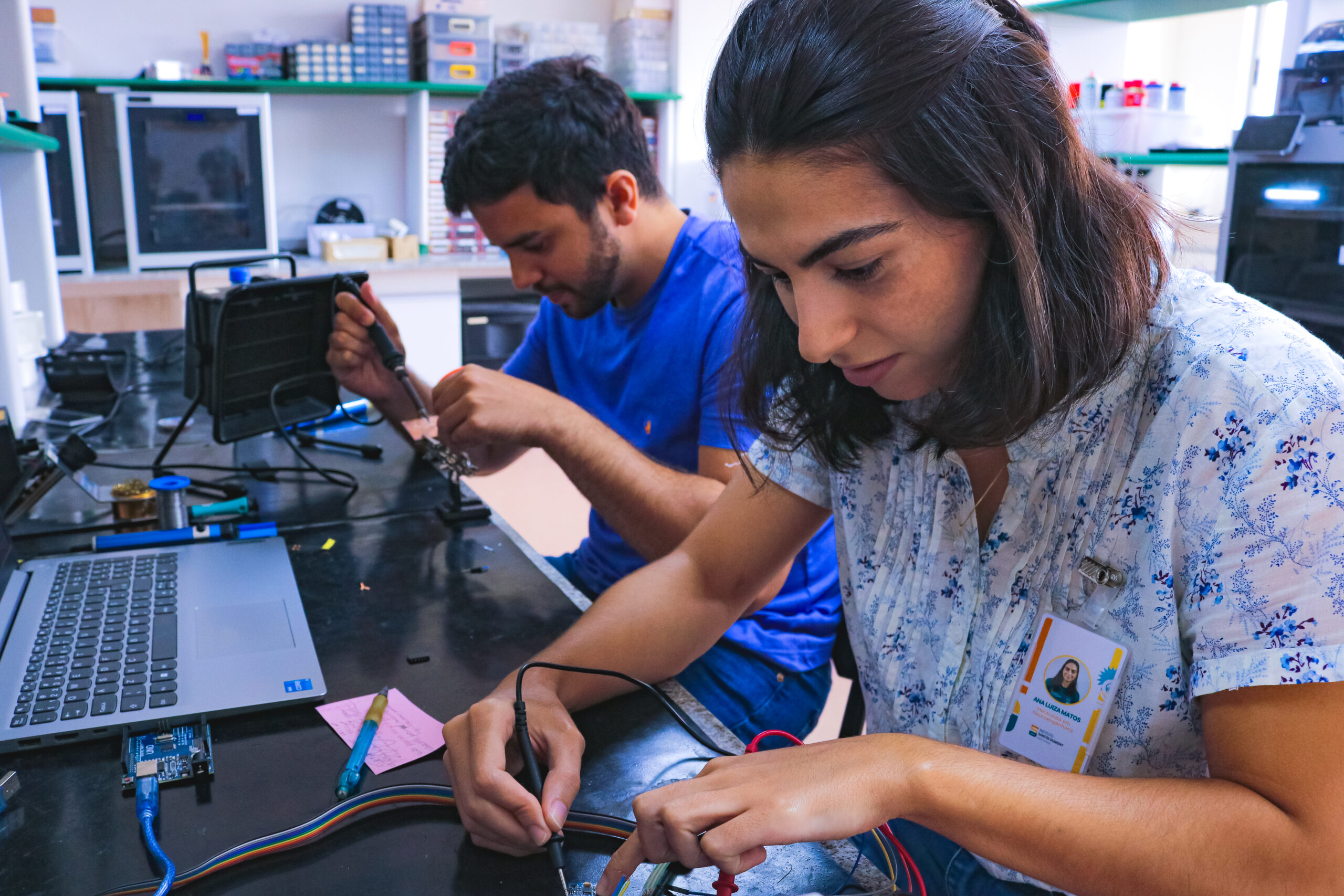



The Santos Dumont Institute (ISD) has completed another training cycle in its Neuroengineering Graduate Program. New professionals received their master's degrees for successful research in various theoretical areas, which sought to deepen established theories in the scientific literature, develop technologies to support people with disabilities, and innovate tools used in rehabilitation.
Linked to the Ministry of Education (MEC), the institution has been offering a Master's in Neuroengineering for 12 years, a pioneering course in this area in Brazil, which aims to unite, in an interdisciplinary manner, scientific research with the real needs of people with disabilities caused by neurological injuries and pathologies.
Master's degree thesis projects are generally divided into four areas: basic research, which takes place primarily on laboratory benches and seeks to answer current questions in specific scientific fields; clinical research, focused on more direct action in the healthcare environment; translational research, which takes theoretical knowledge to practical application; and computational research.
Aging, cognition and memory

In the field of basic research, the biomedical engineer Deyvisom Dantas studied thalamocortical reorganization, a process primarily present in cases of injury and trauma. Specifically, the master's student studied changes in brain patterns in cases of upper limb amputation, with results that reinforce the brain's capacity for transformation through functional and molecular mechanisms that can drive the recovery of lost functions.
A different cortical aspect was the basis for the master's degree biologist Airton Andrade: the pursuit of rewards and addictive behavior. The study analyzed the brain's pursuit of feelings of pleasure and satisfaction, linking it to memory acquisition. The results point to future interventions in memories associated with addictions and compulsive behaviors.
Also in the area of memory, psychologist Mateus Villarroel investigated the effect of prior information about a given environment on memory acquisition, specifically seeking to understand whether knowledge about a location could accelerate learning, navigational ability, and the formation of a preference for that space. The findings contribute to a greater understanding of how the brain uses contextual information to optimize navigation in dynamic and natural environments, as well as providing a basis for studies on learning in complex tasks.
On the topic of research into specific areas of the brain, the psychologist Giovanna Oliveira studied the effects of prolonged exposure to physical and cognitive stimuli on the performance of memory-related tasks and anxiety. The study highlights the importance of expanding our scientific understanding of how the environment shapes behavior and mental health.
Closing the basic research cycle, the biomedical scientist Wellydo Escarião His master's research aimed to investigate how parts of the brain change with age in areas related to memory and learning. The results contribute to a deeper understanding of how our bodies function during aging, strengthening the foundation for the development of clinical and pharmacological strategies aimed at preserving cognitive functions throughout life.
Computational knowledge focused on health

In the field of technologies based on computational studies for rehabilitation purposes, the systems analyst and developer Gustavo Maciel designed a tool toolbox (a type of software that combines several functionalities), Artemis, is open-source, scalable, and flexible to user needs. The technology allows for the extraction and analysis of data based on spatial coordinates, facilitating studies in behavioral neuroscience and the development of potential devices in the rehabilitation setting.
Already the biomedical engineer Liohana Silva developed a brain-computer interface (BCI) that enables communication between the brain and a machine, aimed at training verbal communication through listening to and imagining music. The research reinforces that music, combined with technology, can be a viable tool for rehabilitation and alternative communication training.
Innovation for rehabilitation and quality of life

In the field of translational research, the psychologist Cicera Bruna explored the union of fashion and technology to promote autonomy and dignity in the act of choosing and wearing clothes. The study investigated the feasibility of a prototype assistive bra for women with motor disabilities, developed using a user-centered methodology and supported by scientific literature on fashion and ergonomics. The research included adaptable materials such as Lycra and magnetic closure systems, allowing for one-handed operation. The proposal is a future in which wearable technologies contribute to the comfort, self-esteem, and independence of people with disabilities.
Also guided by daily practical needs, the occupational therapist Priscila Barbosa developed a prototype mobile app for caregivers of people with Parkinson's disease. The tool brings together three main areas, titled "Caring for My Family Member," "First Aid," and "Caring for the Caregiver," offering explanatory videos, tips and strategies for care, and guidance for caregivers' self-care. The study highlights the potential of technology to improve families' quality of life and strengthen home care.
In the line of clinical research, occupational therapist Conceição Melo investigated bladder function and oxygenation using near-infrared spectroscopy (NIRS), a non-invasive technique that monitors substances in the human body. The research focused on observing oxyhemoglobin and deoxyhemoglobin levels in the detrusor muscle, responsible for storing and emptying urine. The results revealed significant changes associated with urinary urges and reinforce the potential of NIRS for diagnosis and intervention in disorders such as neurogenic bladder.
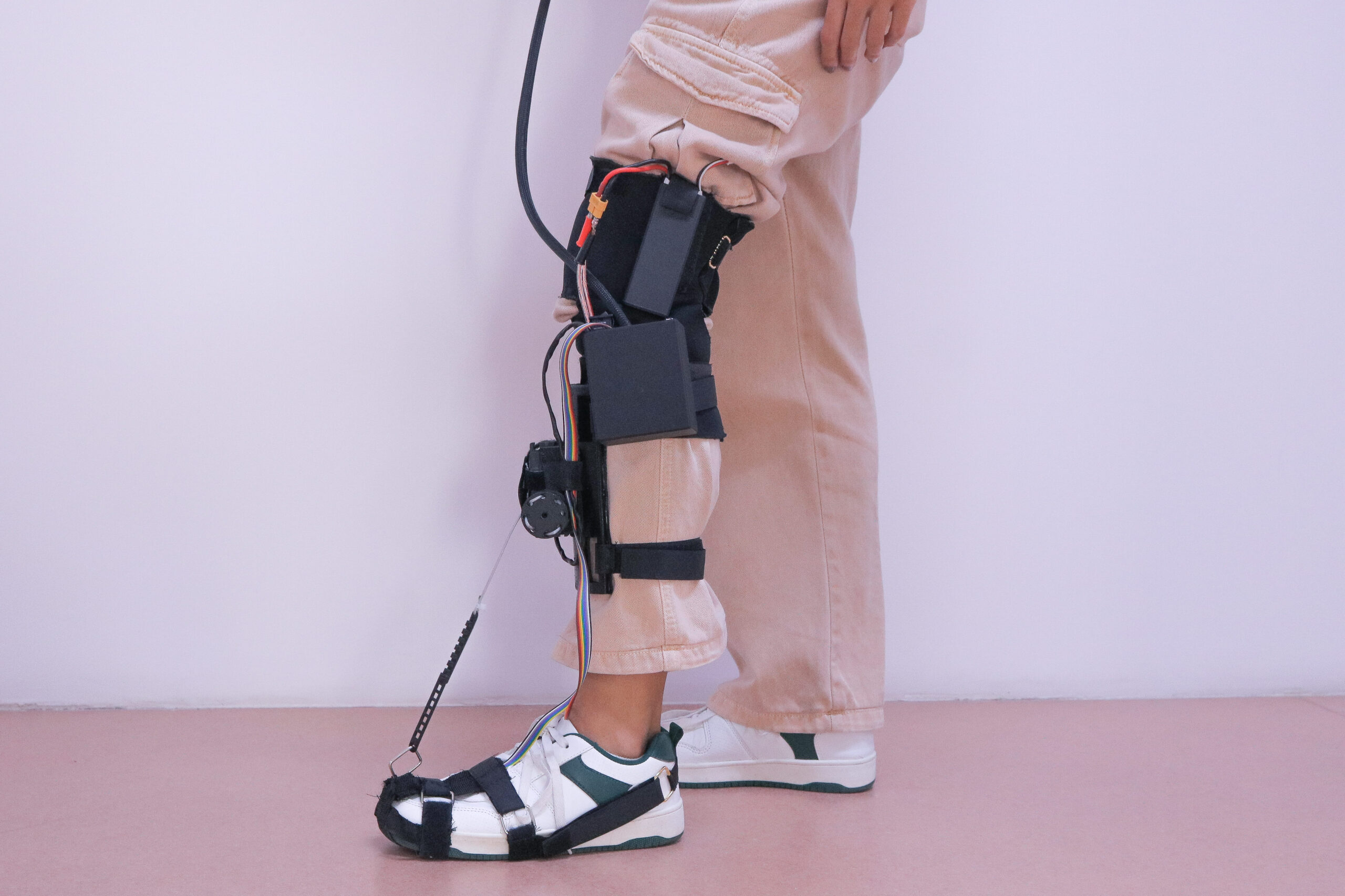
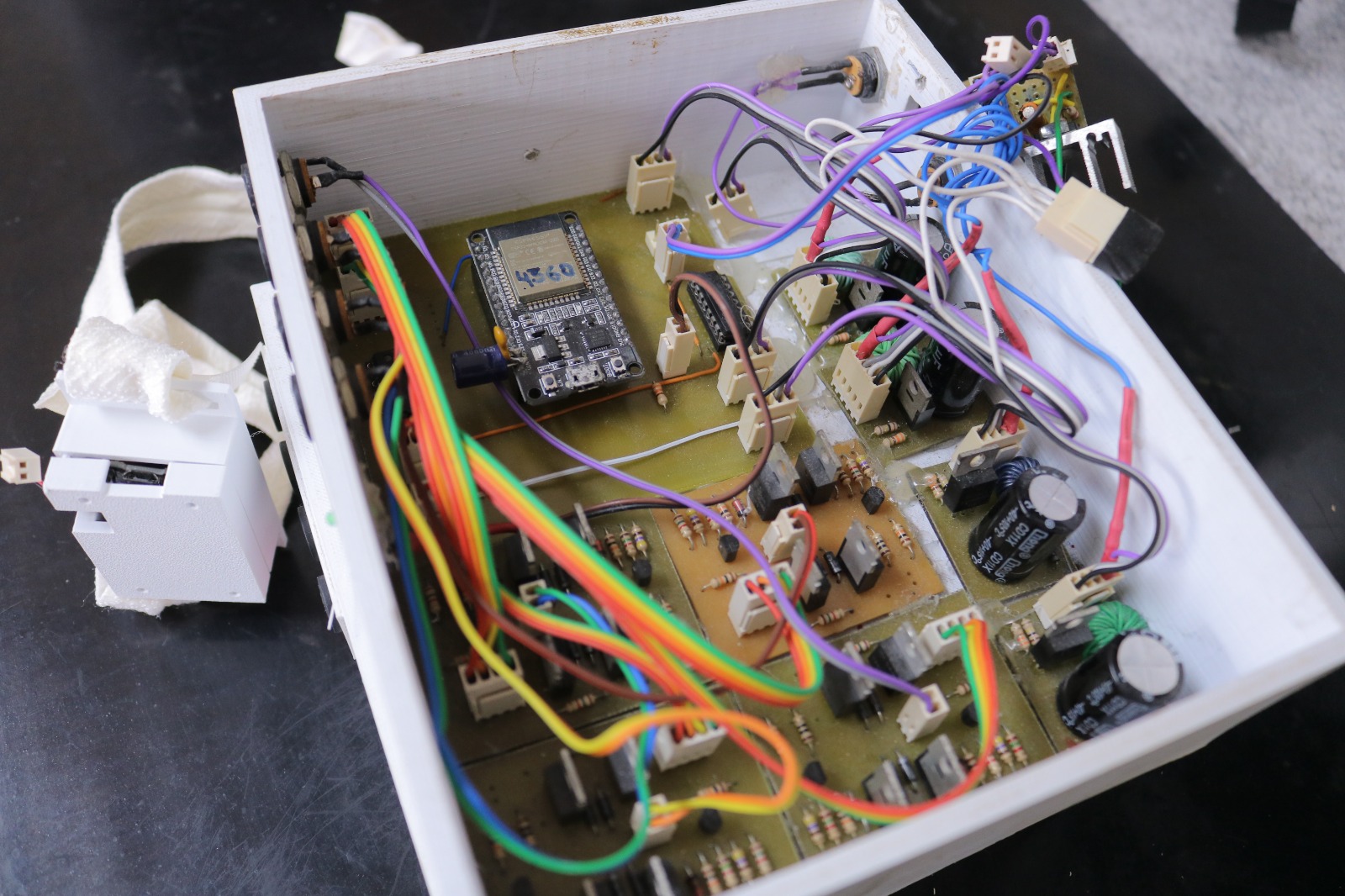
Also within the scope of neuroengineering applied to health, physiotherapist Iasmim Alves evaluated combined protocols of non-invasive and semi-invasive electrical stimulation associated with gait training for the rehabilitation of individuals with spinal cord injury (SCI). The findings indicate that the combination of electrical stimulation and locomotor training mitigates the severe effects of SCI, preserving cellular structure and promoting gait recovery. Furthermore, they confirm the relevance of these approaches for developing future motor and functional rehabilitation protocols.
With the conclusion of another master's degree defense period, the studies conducted at ISD reaffirm the interdisciplinary nature of the Master's in Neuroengineering and demonstrate how the integration of science, technology, and social needs can generate innovative solutions to promote health, autonomy, and quality of life.
About ISD
The Santos Dumont Institute (ISD) is a Social Organization linked to the Ministry of Education (MEC) and includes the Edmond and Lily Safra International Neuroscience Institute and the Anita Garibaldi Center for Health Education and Research, both in Macaíba. ISD's mission is to promote education for life, forming citizens through integrated teaching, research and extension actions, in addition to contributing to a fairer and more humane transformation of Brazilian social reality.