


The impact of postpartum depression amid the COVID-19 pandemic and its effects on the neuropsychomotor development of babies whose mothers were infected with SARS-CoV-2 are two of the four themes of the papers on display at the 40th Brazilian Pediatrics Congress (CBP) authored by professionals and residents of the Santos Dumont Institute (ISD), as well as external collaborators. The CBP opened at the Natal Convention Center earlier this week and continues with an extensive program until the 7th. The central theme of the discussions is “Consolidating achievements throughout Brazil”.
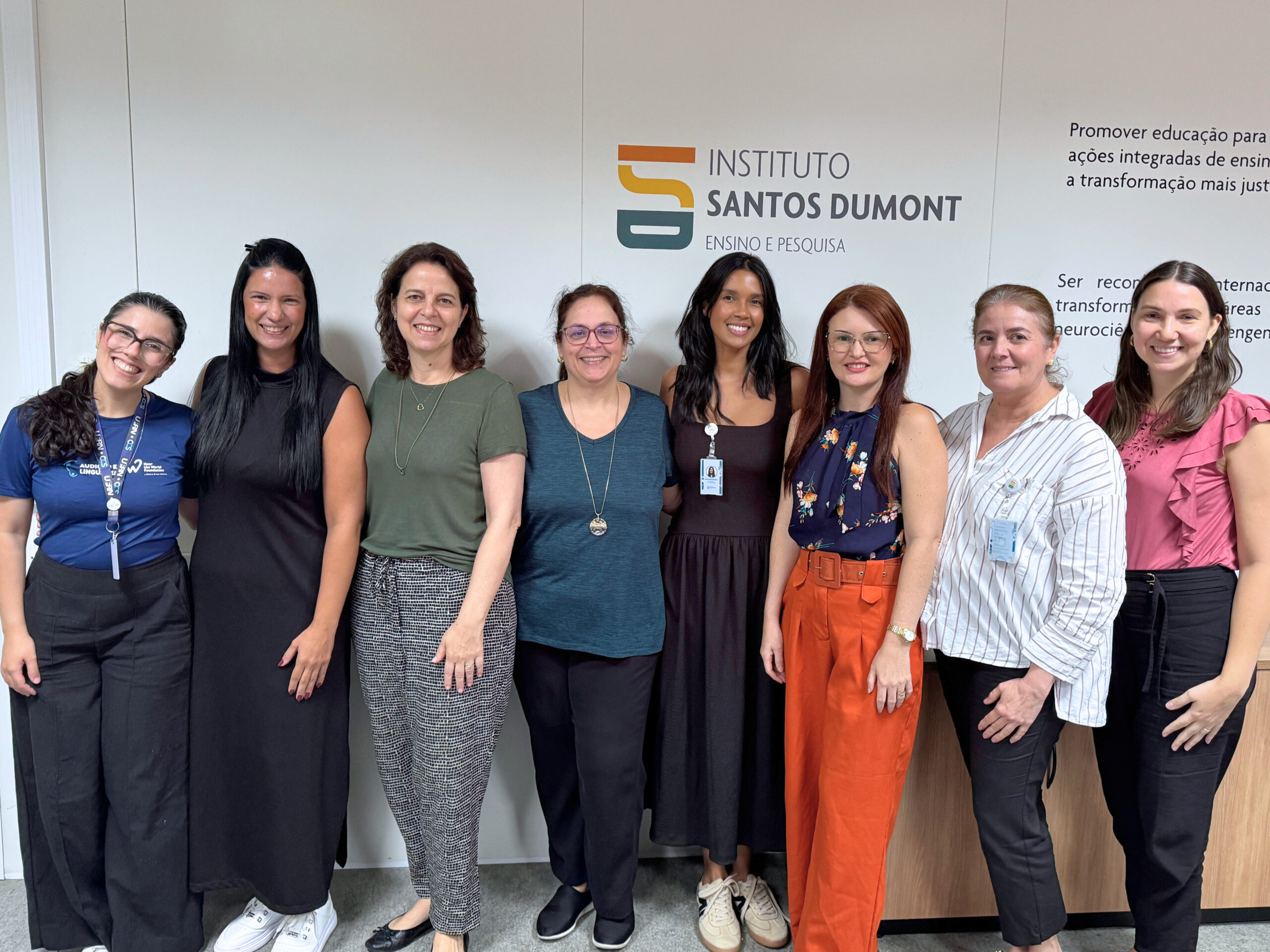
Most of the papers approved by the event organizers, with professionals linked to ISD as authors, had their research developed at the Anita Garibaldi Center for Health Education and Research (Anita) and the Edmond and Lily Safra International Institute of Neuroscience (IIN-ELS), ISD units in Macaíba (RN), throughout the Covid-19 pandemic. Among the authors of the research, the following stand out: ISD preceptors Carolina Damásio and Manoella Alves, infectologists; Ruy Medeiros de Oliveira Jr. and Sabrina Machado, pediatricians; fetal doctor Felipe Nóbrega; neuropsychologist Artemis de Paula; Monise Pontes and Erianna Macedo, nurses; in addition to the residents of the Multiprofessional Residency Program in Health Care for People with Disabilities (RESPCD/ISD), psychologist Sarah Lima, speech therapists Aline Layze and Fernanda Varela, and physiotherapists Andrezza Viana and Érika Silva; together with external collaborators Gentil Filho, from UFRN; and Lilia D´Souza, from Unicamp.
The works on display are the following: 'Postpartum depression and the impact of the Covid-19 pandemic'; 'Pregnancy and Covid-19 infection: maternal and neonatal outcomes'; 'Neuropsychomotor development of children with mothers diagnosed with SARS-CoV-2 during pregnancy', in addition to the research entitled 'Congenital Toxoplasmosis in a Reference Center in Rio Grande do Norte'. All works will be on display until the last day of the event, May 7, on totems in the Electronic Poster Session area. Another work on display was 'Congenital Toxoplasmosis in a Reference Center in Rio Grande do Norte', with data from the toxoplasmosis care service, which is a state reference for pregnant women with the infection in the state of Rio Grande do Norte.
Congress
The 40th Brazilian Pediatrics Congress (CBP) is attended by pediatricians and other specialists from all over the country. It is held at the Natal Convention Center, on Via Costeira. The event, which is considered the largest in the specialty, is held by the Brazilian Society of Pediatrics (SBP) in partnership with the Pediatrics Society of Rio Grande do Norte (Sopern).
The expectation is to receive more than 4,000 physicians during the five days of the Congress. The program will feature renowned speakers addressing current topics that encompass the specialty, including: vaccination coverage and vaccine refusal; strategies to support breastfeeding in special situations; sleep-related breathing disorders; systemic diseases; telemedicine; mental health of children and adolescents; pediatric neurology in times of modern endemic diseases and pandemics; from malnutrition to obesity in children and adolescents; allergic diseases; respiratory diseases; autism spectrum disorder; nutritional supplementation; childhood and adolescent cancer; effects of the virtual world on the new generation, among others. In addition, there will be presentations of clinical cases for study.
Text: Ricardo Araújo / Ascom – ISD
Photograph: Carolina Damasio / ISD
Communication Office
comunicacao@isd.org.br
(84) 99416-1880
Santos Dumont Institute (ISD)
It is a Social Organization linked to the Ministry of Education (MEC) and includes the Edmond and Lily Safra International Institute of Neurosciences and the Anita Garibaldi Health Education and Research Center, both in Macaíba. ISD's mission is to promote education for life, forming citizens through integrated teaching, research and extension actions, in addition to contributing to a fairer and more humane transformation of Brazilian social reality.