

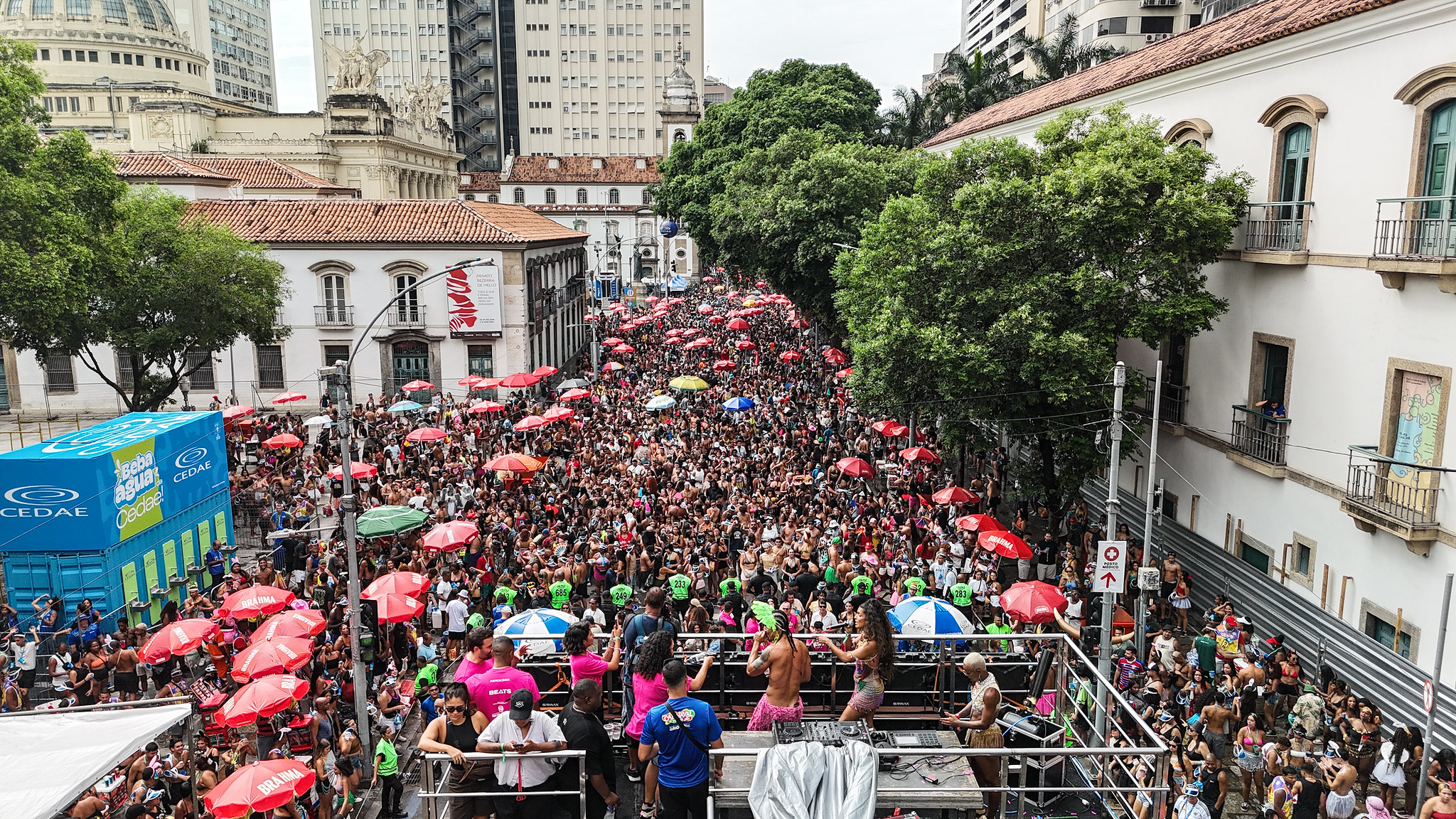
Carnival annually draws millions of people to festivities marked by concerts, street parades, and electric trios. With the approach of the celebrations and increased exposure to loud noises and crowds, professionals are warning of the importance of taking extra care of hearing and vocal health, so that leisure activities can be enjoyed without short- and long-term consequences.
According to the World Health Organization (WHO), sounds starting at 85 decibels (dB) are considered harmful to the auditory system under prolonged exposure; in street parties and on sound trucks, sound levels frequently exceed 100 dB.
Gizele Nascimento, a speech-language pathologist at the Santos Dumont Institute (ISD), warns that this sound intensity can cause symptoms such as tinnitus, headaches, a feeling of fullness in the aura (which we know as "blocked ears"), temporary hearing loss, and auditory hypersensitivity.
To mitigate and prevent this damage, the professional recommends avoiding staying near speakers for too long and taking short listening breaks, alternating periods away from the sound to promote the temporary recovery of auditory cells. In addition, she advises watching for warning signs: if the sensation of ringing or aural fullness persists for more than 24 hours after the party, the recommendation is to seek evaluation from a specialist.
In addition to hearing, the integrity of the voice and throat are also points of concern, with potential signs of vocal strain including hoarseness, temporary loss of voice, and pain or burning sensation when speaking.
"Excessive use of the voice in noisy environments increases the risk of vocal fatigue and can lead to vocal cord injuries. Singing, shouting, and talking in noisy environments, when combined with poor hydration and alcohol consumption, are actions that can cause vocal overload," explains the ISD professional.
The speech therapist recommends staying hydrated throughout the day, avoiding competing with noise, moderating alcohol consumption, and, if hoarseness persists for more than a week, seeking care from an otolaryngologist (ENT doctor).
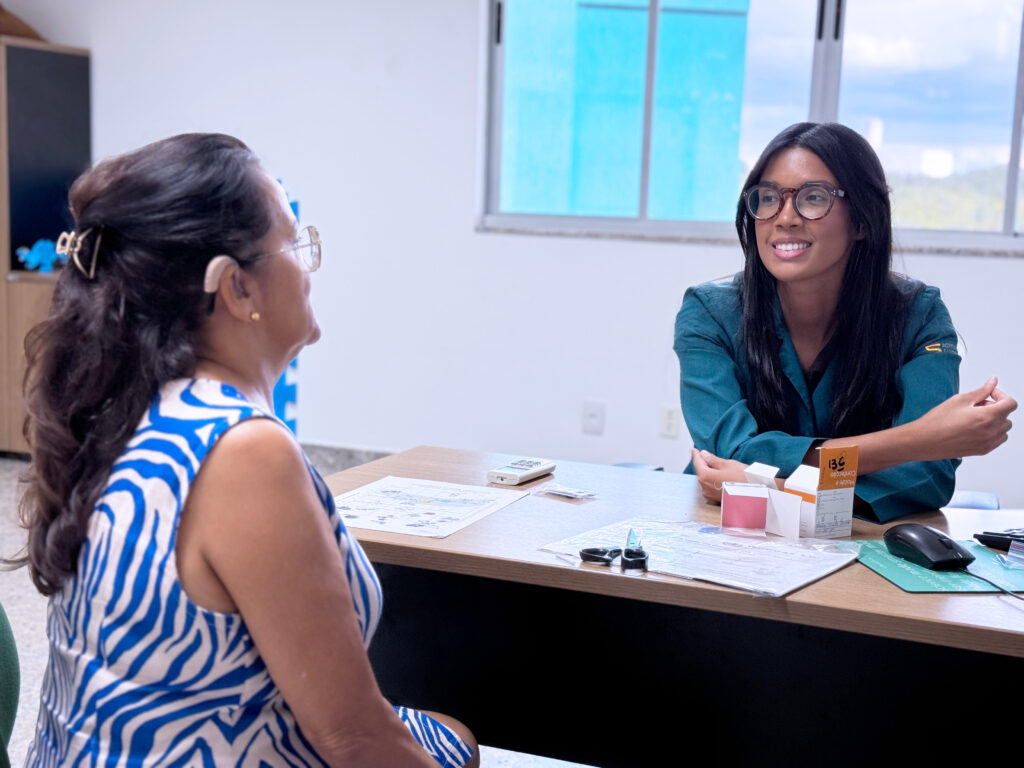
Specific care for children and autistic children.
Children are more vulnerable to intense noise exposure because their auditory system is still developing. Therefore, taking preventative measures in childhood is fundamental for maintaining good hearing health throughout life.
“The recommendation is to prefer parties and less intense times, maintain a greater distance from the speakers, and limit the child's exposure time to noise. If possible, use children's earplugs in noisy environments,” explains Gizele.
The professional emphasizes that, for children with Autism Spectrum Disorder (ASD), who may exhibit heightened sensory sensitivity, environments with intense, unpredictable noise and multiple stimuli can become unpleasant.
Therefore, to avoid potential overload and sensory crises, it is recommended to plan the environment in advance, knowing beforehand the intensity and duration of the event; prioritize events with less noise, use appropriate hearing protection, and observe early signs of overload, such as irritability, agitation, or covering the ears.
About ISD
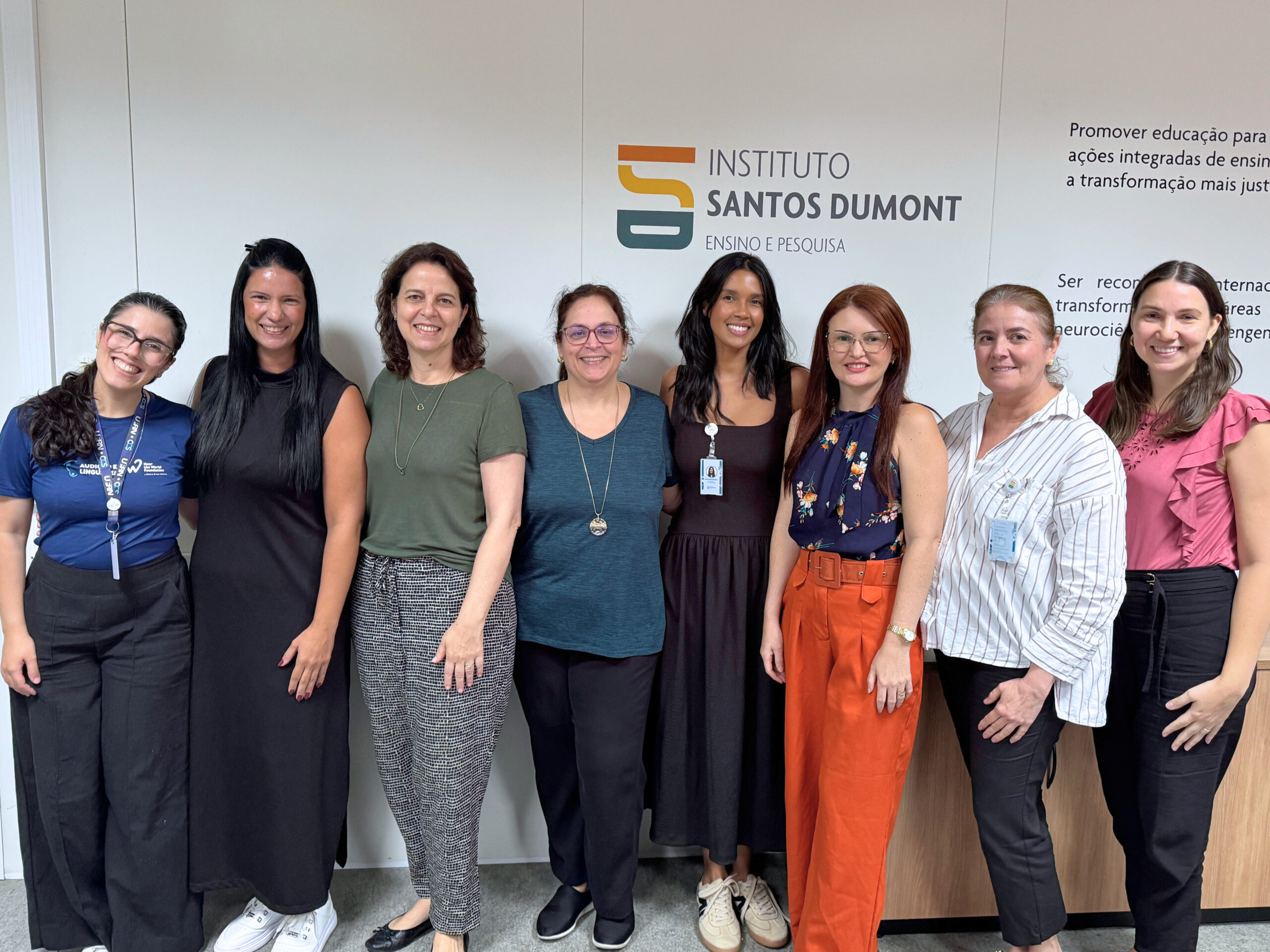
The Santos Dumont Institute (ISD) is a Social Organization of the Federal Executive Branch, supervised by the Ministry of Education, with the intervention of the Ministry of Sport. It encompasses the Edmond and Lily Safra International Institute of Neuroscience and the Anita Garibaldi Center for Education and Research in Health, both located in Macaíba. The ISD's mission is to promote education for life, forming citizens through integrated teaching, research, and outreach activities, as well as contributing to a more just and humane transformation of Brazilian social reality.