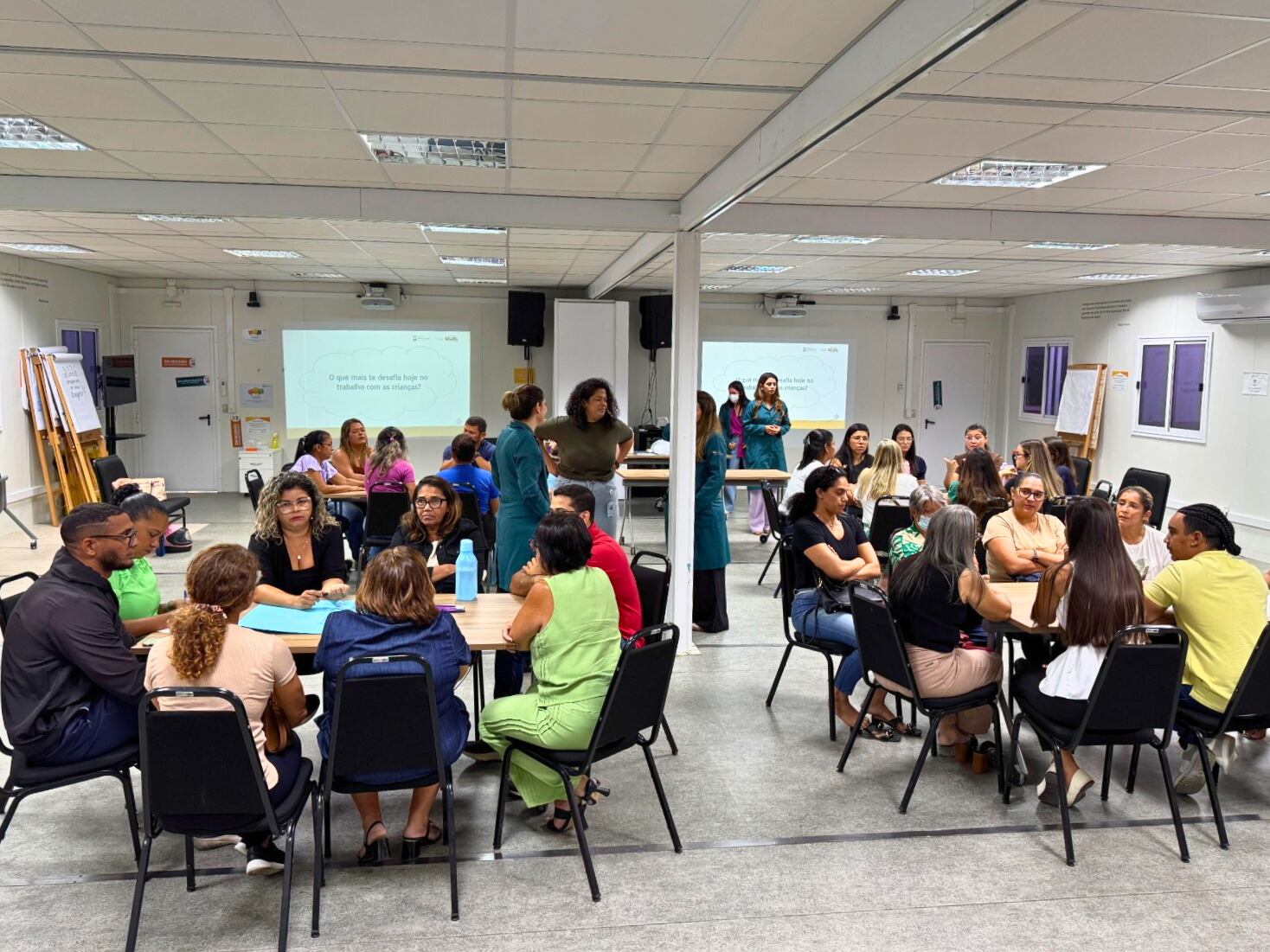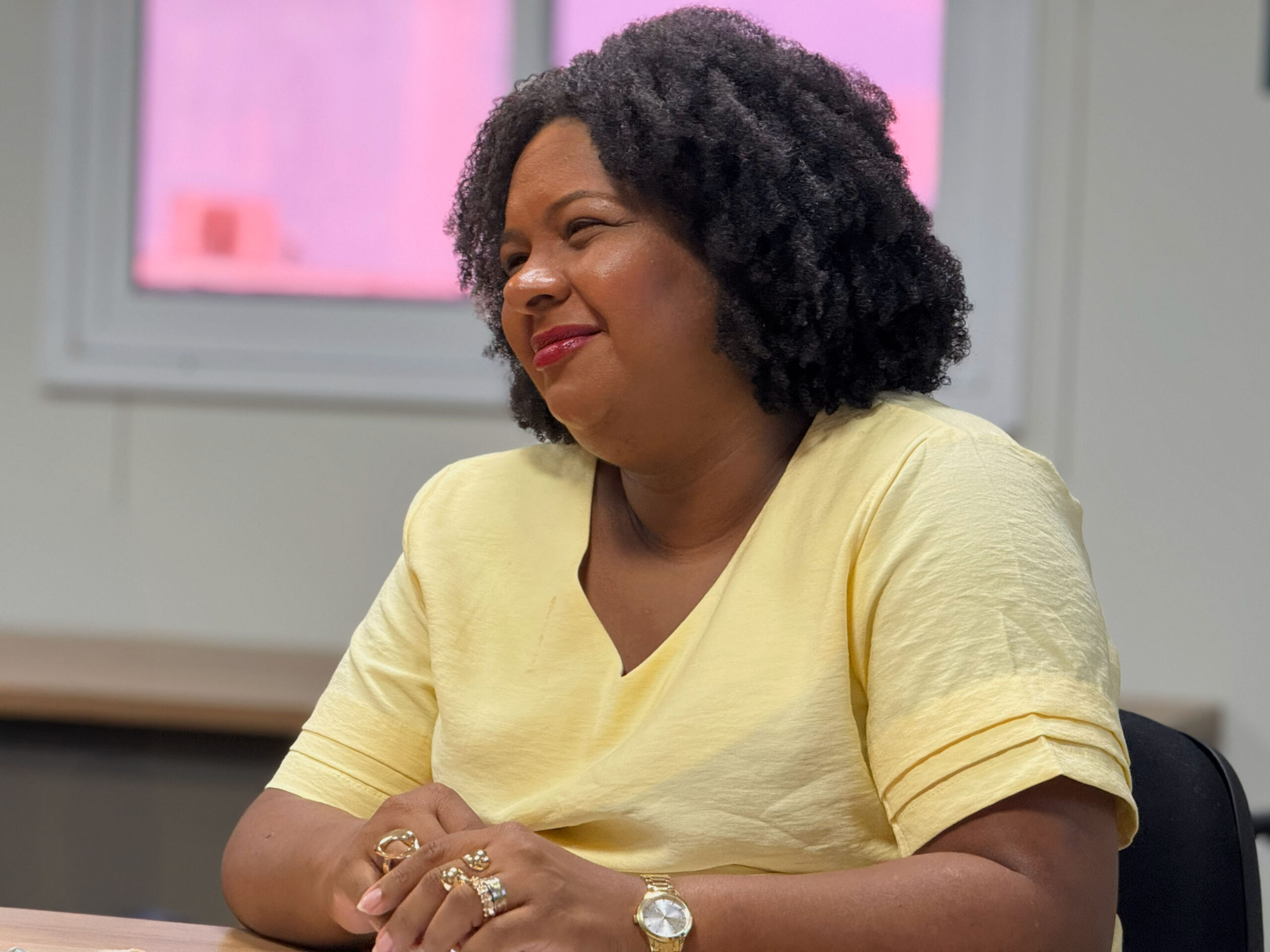



The Barriguda Project, developed by the Santos Dumont Institute (ISD) in the quilombola community of Capoeiras, began on Tuesday, the 19th July, the resumption of in-person activities after the interruption caused by the Covid-19 pandemic. On that occasion, an ISD team visited the local Basic Health Unit (UBS), where they met with pregnant women to reintroduce the project, promote interaction and offer individual care to the patients present.
The visit was led by Carolina Damásio, infectious disease preceptor and project coordinator, and Thaíse Lopes, obstetrician-gynecologist preceptor. The event proposed integration activities, such as the production of mobiles and reading of books focused on the development of babies. Individual consultations and the application of a questionnaire to monitor the mental and physical health of pregnant women were also carried out.
During the pandemic, Barriguda's services needed to be optimized and adapted in terms of procedure planning and contact with patients. One of the solutions for this, explains Carolina Damásio, was to establish virtual groups to maintain health education activities and communication with patients, while in-person care was transferred to Anita.. This virtual contact, however, did not allow for such complete monitoring and there was often an absence of face-to-face care provided outside the community.
“It is extremely important that we return to experience the lives of people in the community more closely, especially because of the problems that we will face and are already facing in the post-pandemic period, such as increased food insecurity, poverty, teenage pregnancy, worsening mental health and the consequences of the decrease in access to health services that has occurred in recent years. One advantage of returning to in-person services is perhaps having access to a patient who has not been able to reach us, for various reasons. So by going to them, we can build that bridge,” reinforces Carolina.
A new development for the project, which due to social isolation measures had been offering services only at the Anita Garibaldi Health Education and Research Center (Anita), one of the two ISD units in Macaíba, is the implementation of a permanent team, aligned with the purposes of Barriguda, at the UBS in Capoeiras. Composed of a nurse, a nursing technician, a general practitioner, a dentist and two health agents, the local team works together with ISD professionals, allowing for an optimization of the service and relationships with pregnant women.
Pricila Eugênia, a nurse at the UBS, has not worked in Capoeiras for long, but since she arrived, she has noticed the great impact that dedicated attention to prenatal care has had on the community. “We currently have 10 pregnant women and they always come here frequently, they always come to see us. And it is very interesting that Barriguda is now returning here. As I always tell them, this project is a great privilege,” she emphasizes.
This impact is something that is noticeable to the patients present at the event. Luciana dos Santos, 27 years old, from Capoeiras, talks about her two pregnancies, both of which were assisted by the full service provided by Barriguda. The first time she got in touch with the project was through the UBS itself, when she was pregnant with her first child, who is now one year and five months old. Now, she is waiting for her first appointment after giving birth to her youngest, who is three months old. “Both times were very calm and even with some difficulties the second time, everything went well. For me, Anita was a godsend,” says Luciana.
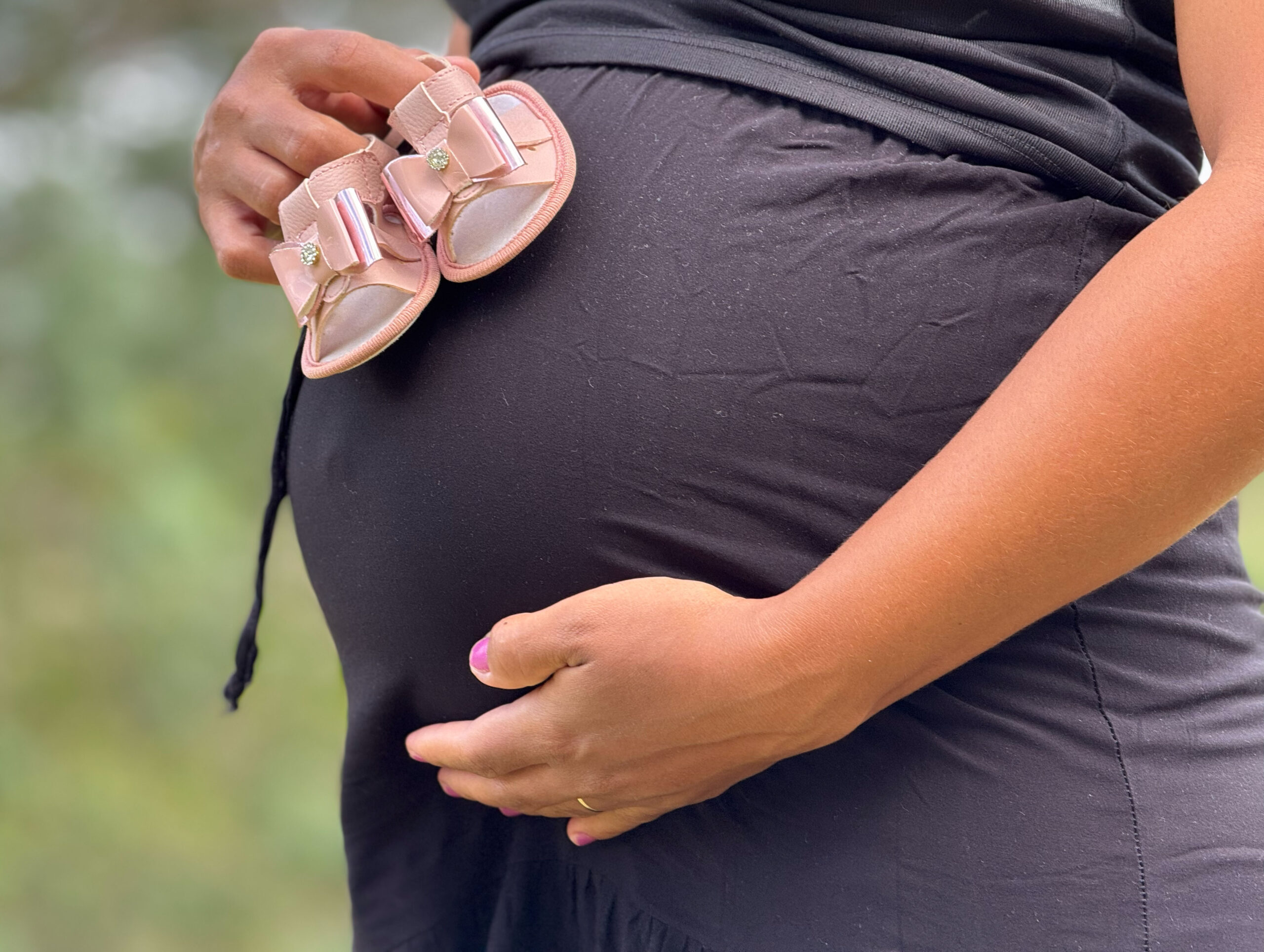
big belly
The Barriguda Project began in 2015, conceived by the current project coordinators, Reginaldo Freitas Júnior, General Director of ISD, and Carolina Damásio. Aligned In line with ISD's mission to reduce maternal and infant mortality, the project seeks to bring quality prenatal care to the largest quilombola community in the state of Rio Grande do Norte, considering the high rates of maternal and infant mortality in the area. Construction, at all stages, was carried out in collaboration with the community itself.
Coordinator Carolina Damásio says that during the first year of the project, the need for team transformation was observed, given the great difficulty preceptors had in approaching and engaging the population. This experience served to implement a optional subject offered by the Department of Obstetrics and Gynecology at UFRN to various undergraduate courses, called “Cultural Competence in Health Care for Quilombola Women”.
Offered since 2016, the course provides direct contact with the community in the development of practical activities, which ultimately culminate in a proposal for intervention by the students themselves in the community. “In addition to all the theoretical preparation, they have conversations with community leaders, historians, and sociology professors, so there is all this training on the health of the black population, to learn about the history of Capoeiras, about the formation of quilombos, etc,” explains Carolina.
Capoeira
Located in the rural area of the municipality of Macaíba, the quilombola community of Capoeira dos Negros, or Capoeiras, as it is also known, is considered the largest quilombola community in Rio Grande do Norte. The community has around 350 families in its territory, and pregnant women have been assisted by the Barriguda Project since 2015.
Text: Naomi Lamarck / Ascom – ISD
Photograph: Naomi Lamarck / Ascom – ISD
Communication Office
comunicacao@isd.org.br
(84) 99416-1880
Santos Dumont Institute (ISD)
It is a Social Organization linked to the Ministry of Education (MEC) and includes the Edmond and Lily Safra International Institute of Neurosciences and the Anita Garibaldi Health Education and Research Center, both in Macaíba. ISD's mission is to promote education for life, forming citizens through integrated teaching, research and extension actions, in addition to contributing to a fairer and more humane transformation of Brazilian social reality.