
RN leads the ranking that considers indicators of HIV detection and AIDS mortality in the Northeast

Posted in December 20, 2022

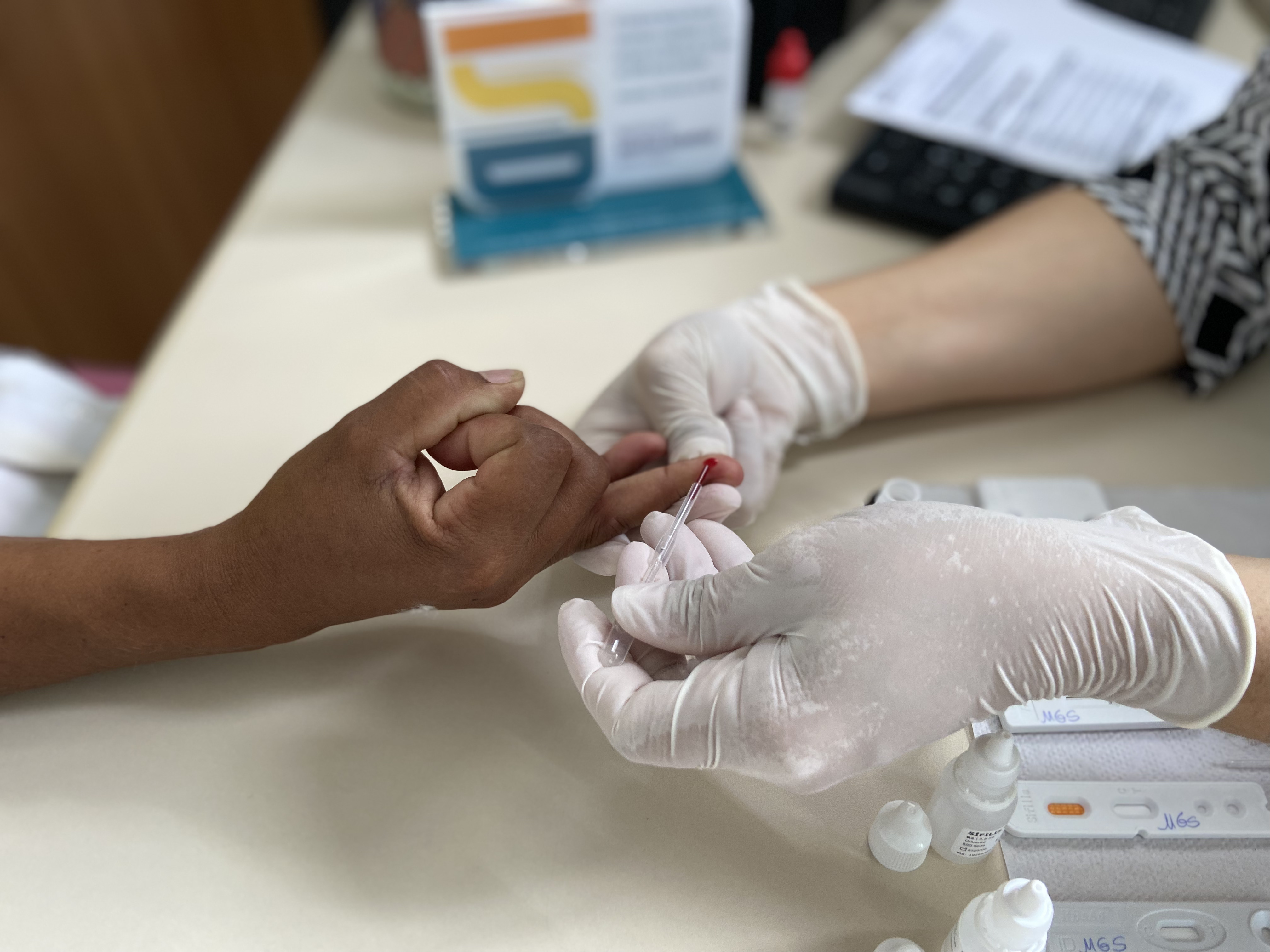
With 51% of the 1,345 AIDS deaths recorded in the last decade in the last five years, Rio Grande do Norte ranks first in the Northeast and seventh in Brazil in the ranking prepared by the Health Surveillance Secretariat of the Ministry of Health, which considers indicators of HIV detection and AIDS mortality between 2017 and 2021. The data highlight the importance of expanding the discussion about HIV infection, with greater dissemination of information about the multiple prevention and treatment measures for the disease. In 2020, the Northeast region recorded 25% of the 32,701 cases of HIV infection in Brazil. 


From 2020 to 2021, HIV detection fell from 1,122 to 809. On the other hand, there was an increase of 17% in AIDS cases, from 588 in 2020 to 693 in 2021. The shutdown of health services and the need to interrupt care that should have occurred regularly may have been the cause of, simultaneously, a decrease in detection and an increase in the serious level of infection. 


For the infectious disease preceptor at the Santos Dumont Institute (ISD), Manoella Alves, the pandemic brought “countless losses to diseases that required routine care”, not only in the HIV and AIDS scenario, but in people with hypertension, diabetes and endocrinopathies. 


“There was a loss of routine care, which meant that new diagnoses were not made. In addition, people had difficulty accessing health services. The prospect now is that these activities have been resumed and that people are being cared for properly,” adds the infectious disease specialist. 


HIV is the human immunodeficiency virus, which is most commonly transmitted through unprotected sex, and acts primarily by weakening the body's defense system. AIDS, in turn, is a chronic disease that results from the worsening of HIV infection, when defenses are at extremely low levels and the body becomes unable to fight off other infections. This worsening does not occur immediately after infection: the HIV virus is considered silent, and it can take years for the infected individual to show any symptoms. Therefore, prevention and detection as early as possible are important. 


According to infectious disease preceptor Manoella Alves, prevention is necessary  know the infection and know how to protect yourself


“What people need to know is that the main form of HIV transmission is through sex. So, whenever sexual intercourse, whatever it may be, is unprotected, there is a chance of contamination if one of the people is infected. HIV is often silent at first, so even if the person is healthy at the time, they may already have the infection and transmit it,” he explains.


It is also essential to disseminate knowledge about basic prevention measures, which should be naturalized as means of care to be adopted in everyday life by all people, in any relationship. There are several strategies that reduce or prevent the increase in HIV infections and other Sexually Transmitted Infections (STIs), which together make up the “Combined Prevention Mandala”, policy established by the Ministry of Health and adopted by professionals in the field. 


“Strategies can include: using condoms and lubricating gel during sexual intercourse; diagnosing and treating people who have a sexually transmitted infection, including HIV; taking Post-Exposure Prophylaxis after possible exposure to HIV; Pre-Exposure Prophylaxis, aimed at protecting against the virus; and immunizations, which basically consist of being up to date with vaccines against diseases such as HPV and hepatitis,” explains Manoella.


The infectologist reinforces that these measures can be combined, in order to obtain a more complete form of prevention and care, being possible, for example, to use condoms and HIV Pre-Exposure Prophylaxis (PrEP). 


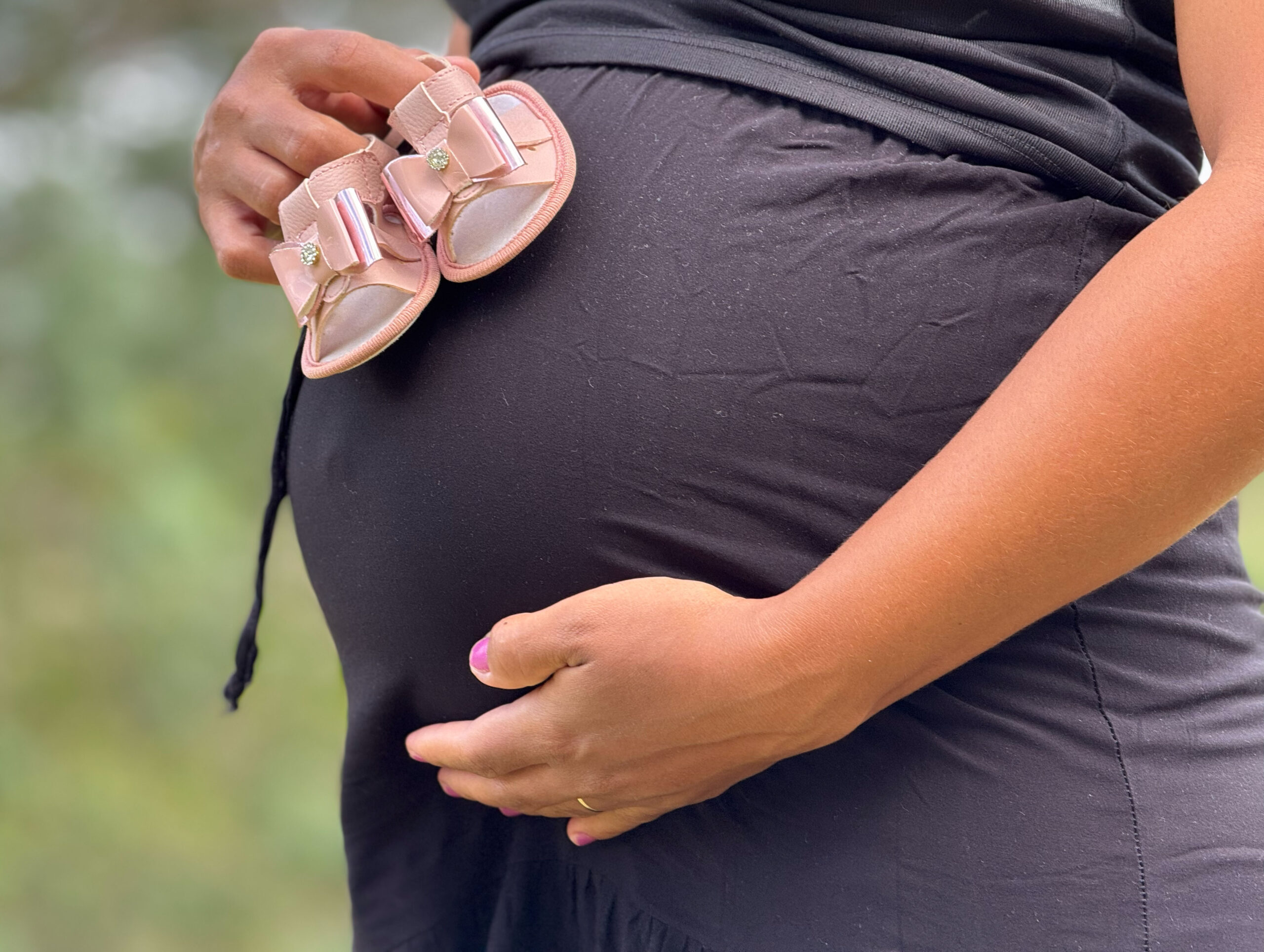
Beware of pregnant women

For many years, HIV and AIDS have been associated with the LGBTQIA+ population. However, infection by the virus is a reality throughout society, including among pregnant women and children. Among pregnant women, the numbers also show growth in the state. From 2017 to 2021, 494 cases of HIV infection were recorded in this population. Compared to the previous five years, 2012 to 2016, there was an increase of 17%.


Infectious disease specialist Manoella Alves emphasizes the importance of pregnant women taking the same precautions as other people: avoiding unprotected sex. However, there is an additional risk for this group due to the possibility of vertical transmission, which, according to the 2021 Sesap Epidemiological Bulletin, is the predominant category of exposure in cases of children infected with HIV, reaching a percentage of 76.9%. 


If a pregnant woman tests positive during pregnancy, treatment is started to make the viral load undetectable, that is, to reduce it to such low levels that the virus cannot be detected in the blood. This does not represent a cure for the infection, but it considerably reduces the chance of transmission during pregnancy and childbirth. 


According to Manoella, having HIV does not prevent women from getting pregnant, but it is extremely important to know the diagnosis before getting pregnant, so that it is possible to organize the pregnancy so that the baby is born healthy. “During pregnancy, according to the tests, it will be possible to determine what type of delivery the woman should undergo (natural or cesarean section) and at the time of delivery, some other protocols are also instituted, both for the pregnant woman and for the child, so that in the end we have a child not infected with HIV”, explains the infectologist.


Text: Naomi Lamarck / Ascom – ISD

Photograph: Ascom – ISD

Communication Office
comunicacao@isd.org.br
(84) 99416-1880

Santos Dumont Institute (ISD)

It is a Social Organization linked to the Ministry of Education (MEC) and includes the Edmond and Lily Safra International Institute of Neurosciences and the Anita Garibaldi Health Education and Research Center, both in Macaíba. ISD's mission is to promote education for life, forming citizens through integrated teaching, research and extension actions, in addition to contributing to a fairer and more humane transformation of Brazilian social reality.
Communication Office
comunicacao@isd.org.br
(84) 99416-1880

Share this news

Recommended

More news

RN leads the ranking that considers indicators of HIV detection and AIDS mortality in the Northeast

With 51% of the 1,345 AIDS deaths recorded in the last decade in the last five years, Rio Grande do Norte ranks first in the Northeast and seventh in Brazil in the ranking prepared by the Health Surveillance Secretariat of the Ministry of Health, which considers indicators of HIV detection and AIDS mortality between 2017 and 2021. The data highlight the importance of expanding the discussion about HIV infection, with greater dissemination of information about the multiple prevention and treatment measures for the disease. In 2020, the Northeast region recorded 25% of the 32,701 cases of HIV infection in Brazil. 


From 2020 to 2021, HIV detection fell from 1,122 to 809. On the other hand, there was an increase of 17% in AIDS cases, from 588 in 2020 to 693 in 2021. The shutdown of health services and the need to interrupt care that should have occurred regularly may have been the cause of, simultaneously, a decrease in detection and an increase in the serious level of infection. 


For the infectious disease preceptor at the Santos Dumont Institute (ISD), Manoella Alves, the pandemic brought “countless losses to diseases that required routine care”, not only in the HIV and AIDS scenario, but in people with hypertension, diabetes and endocrinopathies. 


“There was a loss of routine care, which meant that new diagnoses were not made. In addition, people had difficulty accessing health services. The prospect now is that these activities have been resumed and that people are being cared for properly,” adds the infectious disease specialist. 


HIV is the human immunodeficiency virus, which is most commonly transmitted through unprotected sex, and acts primarily by weakening the body's defense system. AIDS, in turn, is a chronic disease that results from the worsening of HIV infection, when defenses are at extremely low levels and the body becomes unable to fight off other infections. This worsening does not occur immediately after infection: the HIV virus is considered silent, and it can take years for the infected individual to show any symptoms. Therefore, prevention and detection as early as possible are important. 


According to infectious disease preceptor Manoella Alves, prevention is necessary  know the infection and know how to protect yourself


“What people need to know is that the main form of HIV transmission is through sex. So, whenever sexual intercourse, whatever it may be, is unprotected, there is a chance of contamination if one of the people is infected. HIV is often silent at first, so even if the person is healthy at the time, they may already have the infection and transmit it,” he explains.


It is also essential to disseminate knowledge about basic prevention measures, which should be naturalized as means of care to be adopted in everyday life by all people, in any relationship. There are several strategies that reduce or prevent the increase in HIV infections and other Sexually Transmitted Infections (STIs), which together make up the “Combined Prevention Mandala”, policy established by the Ministry of Health and adopted by professionals in the field. 


“Strategies can include: using condoms and lubricating gel during sexual intercourse; diagnosing and treating people who have a sexually transmitted infection, including HIV; taking Post-Exposure Prophylaxis after possible exposure to HIV; Pre-Exposure Prophylaxis, aimed at protecting against the virus; and immunizations, which basically consist of being up to date with vaccines against diseases such as HPV and hepatitis,” explains Manoella.


The infectologist reinforces that these measures can be combined, in order to obtain a more complete form of prevention and care, being possible, for example, to use condoms and HIV Pre-Exposure Prophylaxis (PrEP). 


Beware of pregnant women

For many years, HIV and AIDS have been associated with the LGBTQIA+ population. However, infection by the virus is a reality throughout society, including among pregnant women and children. Among pregnant women, the numbers also show growth in the state. From 2017 to 2021, 494 cases of HIV infection were recorded in this population. Compared to the previous five years, 2012 to 2016, there was an increase of 17%.


Infectious disease specialist Manoella Alves emphasizes the importance of pregnant women taking the same precautions as other people: avoiding unprotected sex. However, there is an additional risk for this group due to the possibility of vertical transmission, which, according to the 2021 Sesap Epidemiological Bulletin, is the predominant category of exposure in cases of children infected with HIV, reaching a percentage of 76.9%. 


If a pregnant woman tests positive during pregnancy, treatment is started to make the viral load undetectable, that is, to reduce it to such low levels that the virus cannot be detected in the blood. This does not represent a cure for the infection, but it considerably reduces the chance of transmission during pregnancy and childbirth. 


According to Manoella, having HIV does not prevent women from getting pregnant, but it is extremely important to know the diagnosis before getting pregnant, so that it is possible to organize the pregnancy so that the baby is born healthy. “During pregnancy, according to the tests, it will be possible to determine what type of delivery the woman should undergo (natural or cesarean section) and at the time of delivery, some other protocols are also instituted, both for the pregnant woman and for the child, so that in the end we have a child not infected with HIV”, explains the infectologist.


Text: Naomi Lamarck / Ascom – ISD

Photograph: Ascom – ISD

Communication Office
comunicacao@isd.org.br
(84) 99416-1880

Santos Dumont Institute (ISD)

It is a Social Organization linked to the Ministry of Education (MEC) and includes the Edmond and Lily Safra International Institute of Neurosciences and the Anita Garibaldi Health Education and Research Center, both in Macaíba. ISD's mission is to promote education for life, forming citizens through integrated teaching, research and extension actions, in addition to contributing to a fairer and more humane transformation of Brazilian social reality.

Communication Office
comunicacao@isd.org.br
(84) 99416-1880

Share this news