
Six projects by ISD students and researchers are selected for the 2nd phase of the Startup Nordeste Program

Posted in June 30, 2022

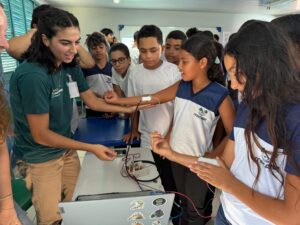
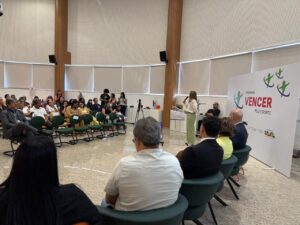
Six projects by students, researchers and alumni of the Santos Dumont Institute (ISD) were selected for the second phase of the Startup Nordeste program. The program of the Brazilian Micro and Small Business Support Service (Sebrae) aims to foster the innovation ecosystem in the Northeast region, through pre-acceleration, acceleration and investment in startups through scholarships paid by Sebrae. In total, 200 people were approved for the second phase of the program, in which those selected will receive training in the format of workshops and mentoring in order to make their ideas and projects a reality. The final result of those selected for financing will be announced by Sebrae at the end of September.


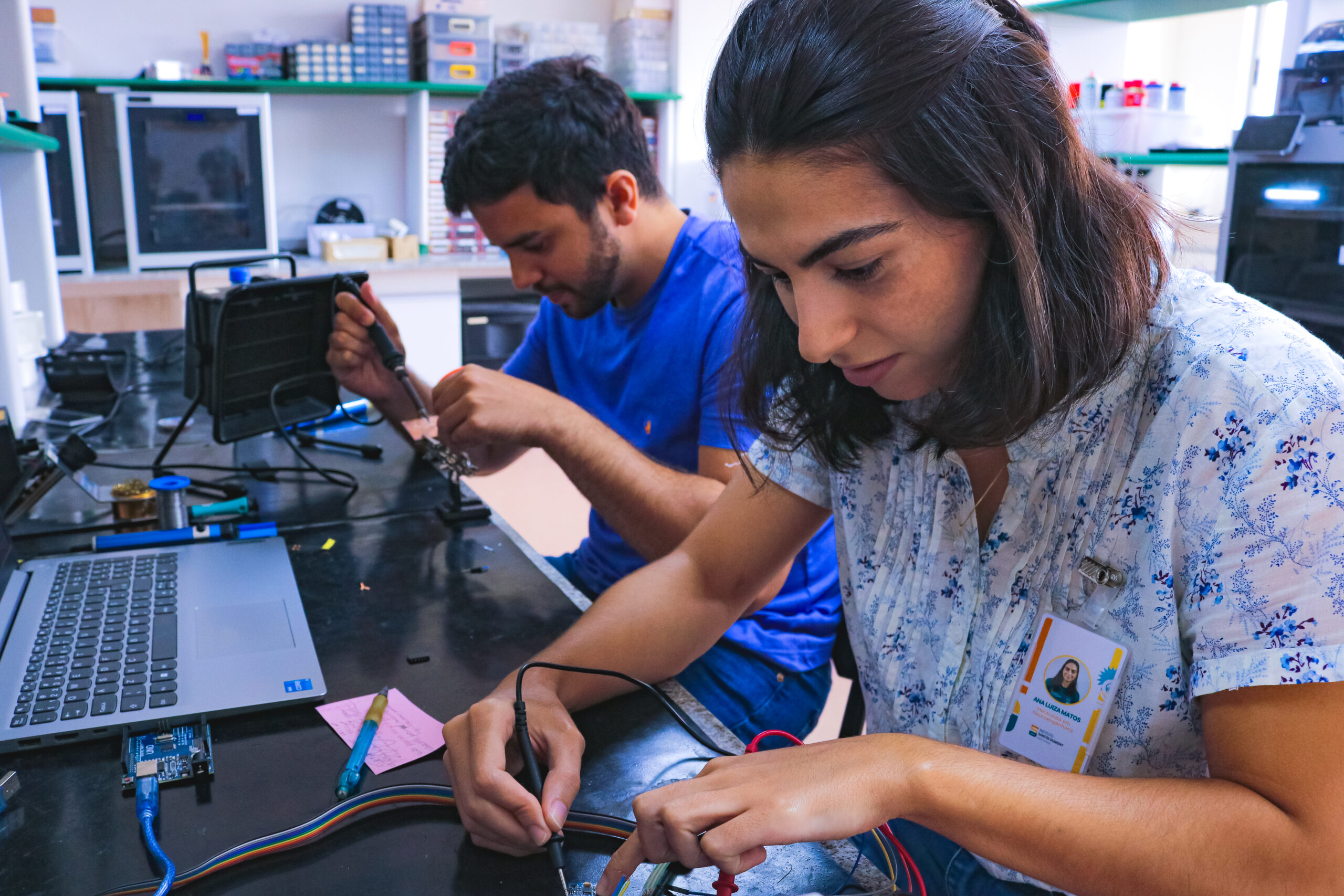
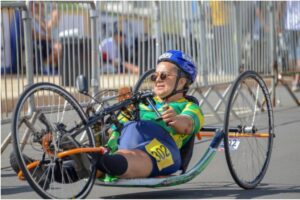
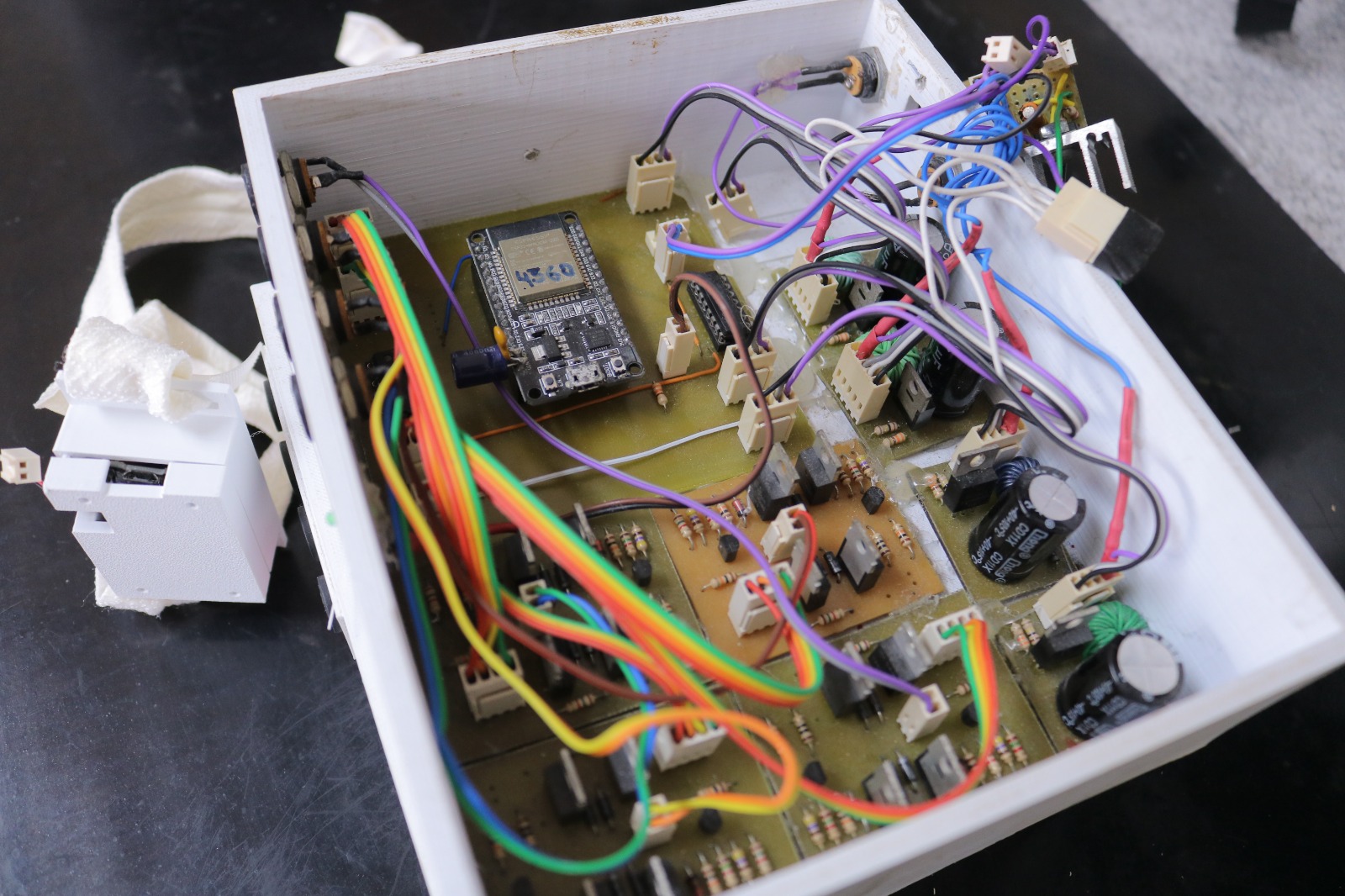
Of the projects submitted by ISD students and researchers, three were among the top 10 in the selection: one involving the creation of a low-cost electromechanical upper limb prosthesis, submitted by the team of Master's student in Neuroengineering Seidi Yonamine; one by Master in Neuroengineering Rommel Araújo, also related to rehabilitation; and one by research professor Fabrício Lima Brasil, aimed at children with Autism Spectrum Disorder (ASD). 


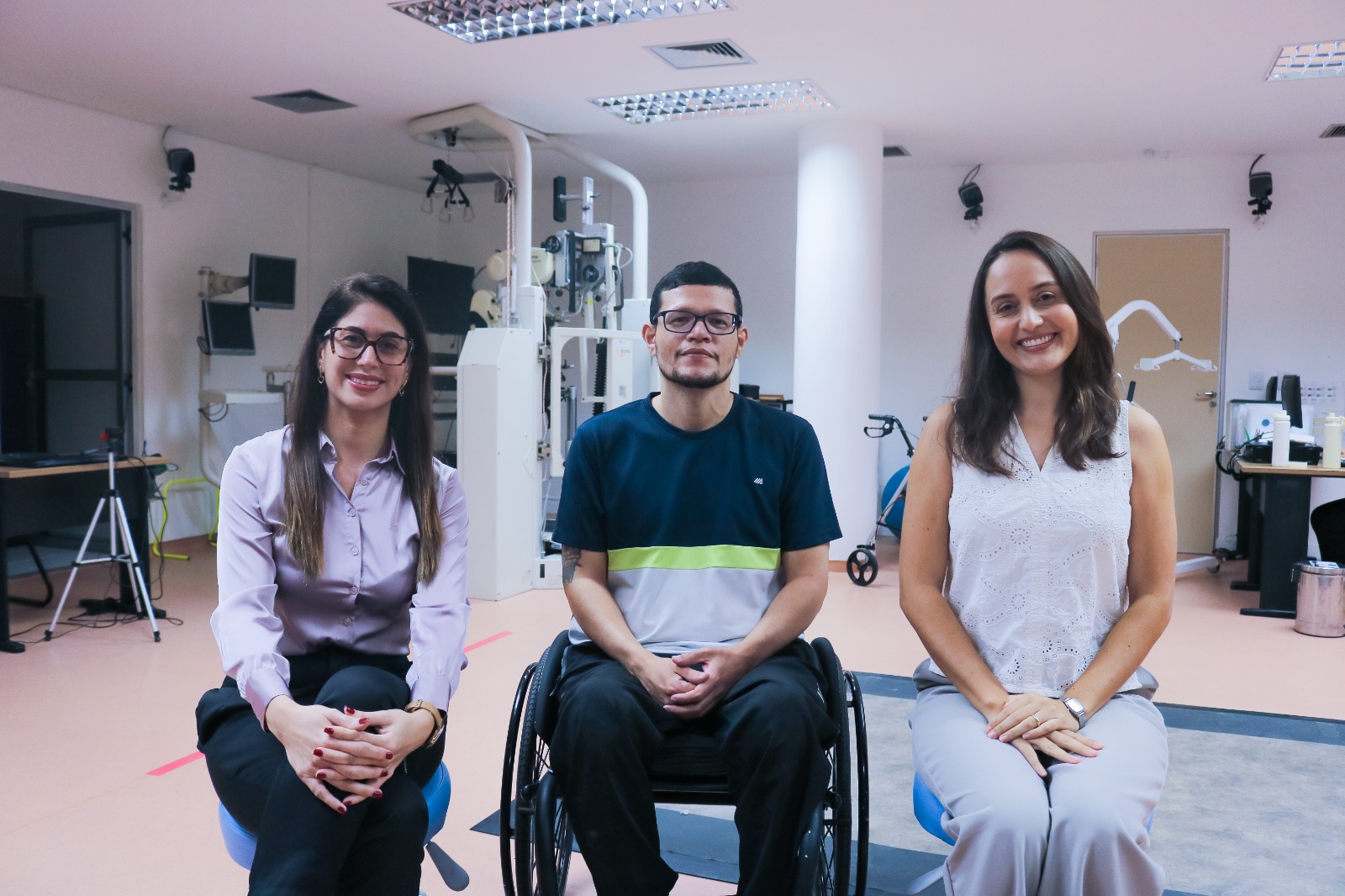
In addition, proposals from neuroengineering master's students Mário Ayres de Oliveira; Tainá Rêgo and Dayalla Marques were approved. All selected projects were developed by multidisciplinary teams, formed by neuroengineering master's students Erika Maria Garcia Cerqueira; Laura Damasceno de Campos; Beatriz Moura; Gilberto Martins Filho, and neuroengineering master's students Girlaine Gomes and Mouhamed Zorkot. 


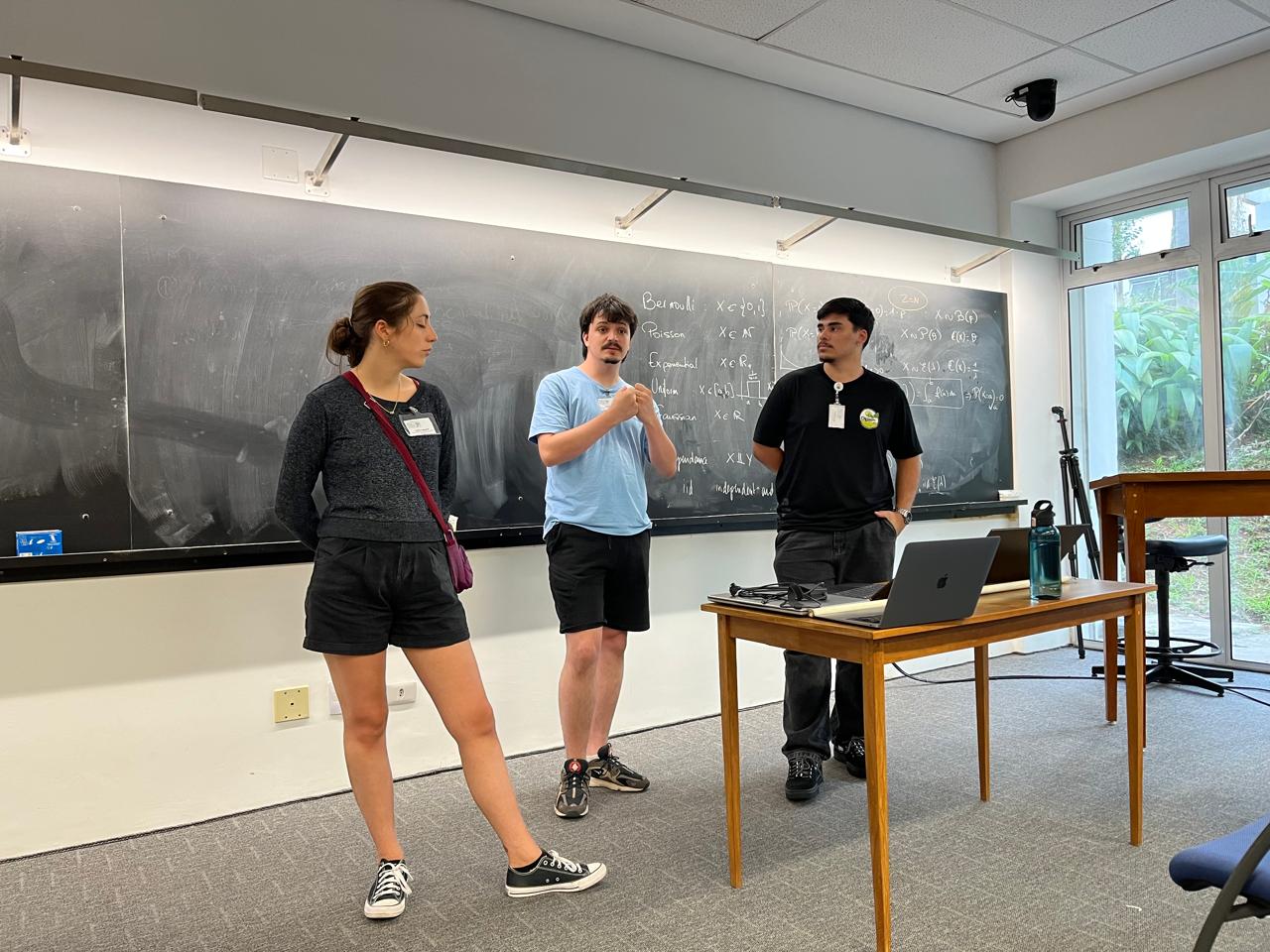
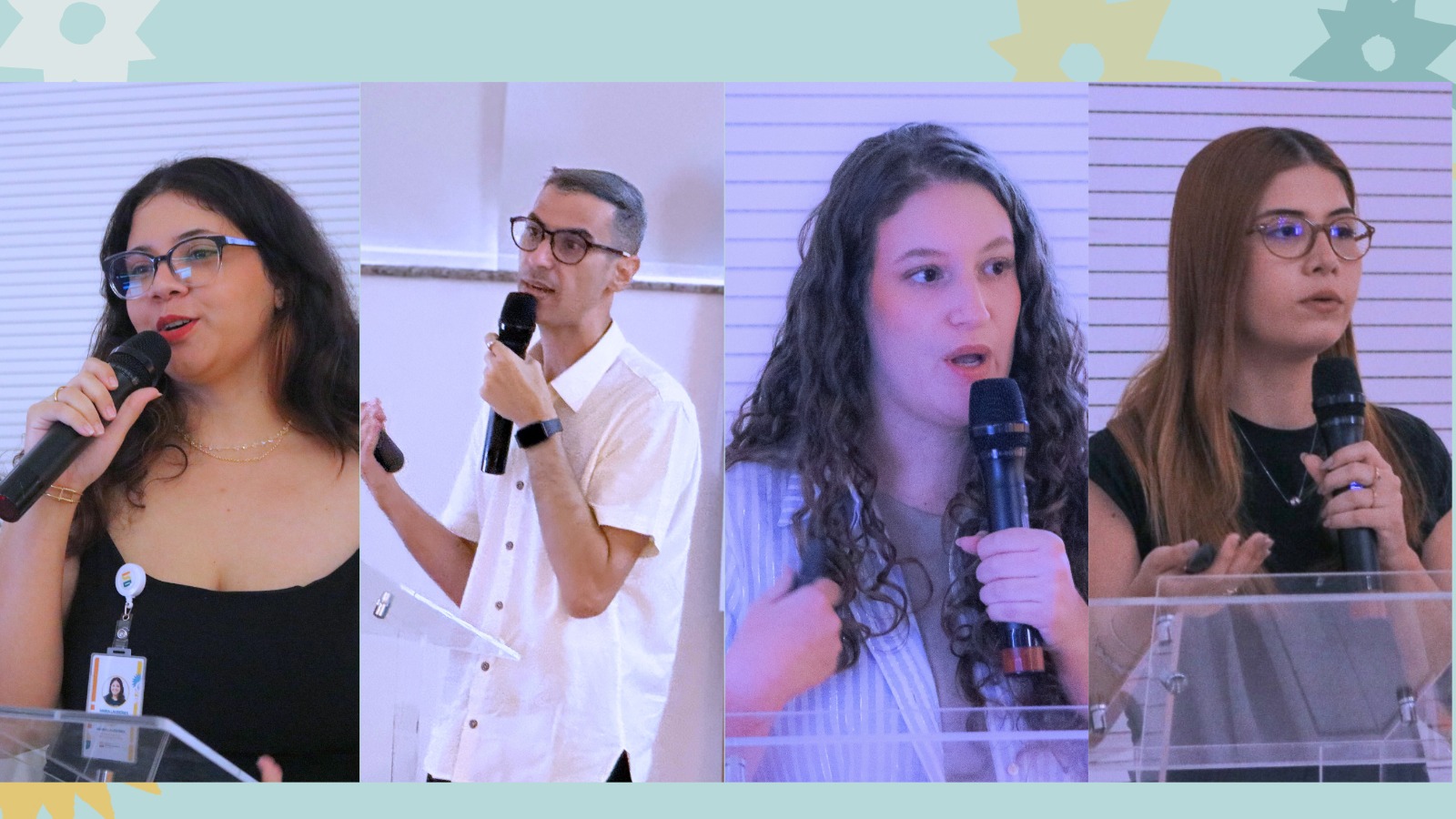
“Since we learned about the opening of these processes, both Startup Nordeste and Centelha, we have been encouraging students to participate. We invited Sebrae to come here to give a talk with them, we held online courses and shared information on how to keep documents well organized,” says research professor Fabrício Brasil. 


According to him, the ISD has sought to encourage students to envision possibilities for applying their scientific research beyond the production of an article or academic publication. “We are encouraging students to look for real-world problems and see that what they do here can be applied to solve these problems. These are daily tasks that we do as a challenge to show that the master's degree is not limited to academic life. Creating companies, generating jobs and, above all, showing practical solutions for the community is something that we have increasingly sought,” he says. 


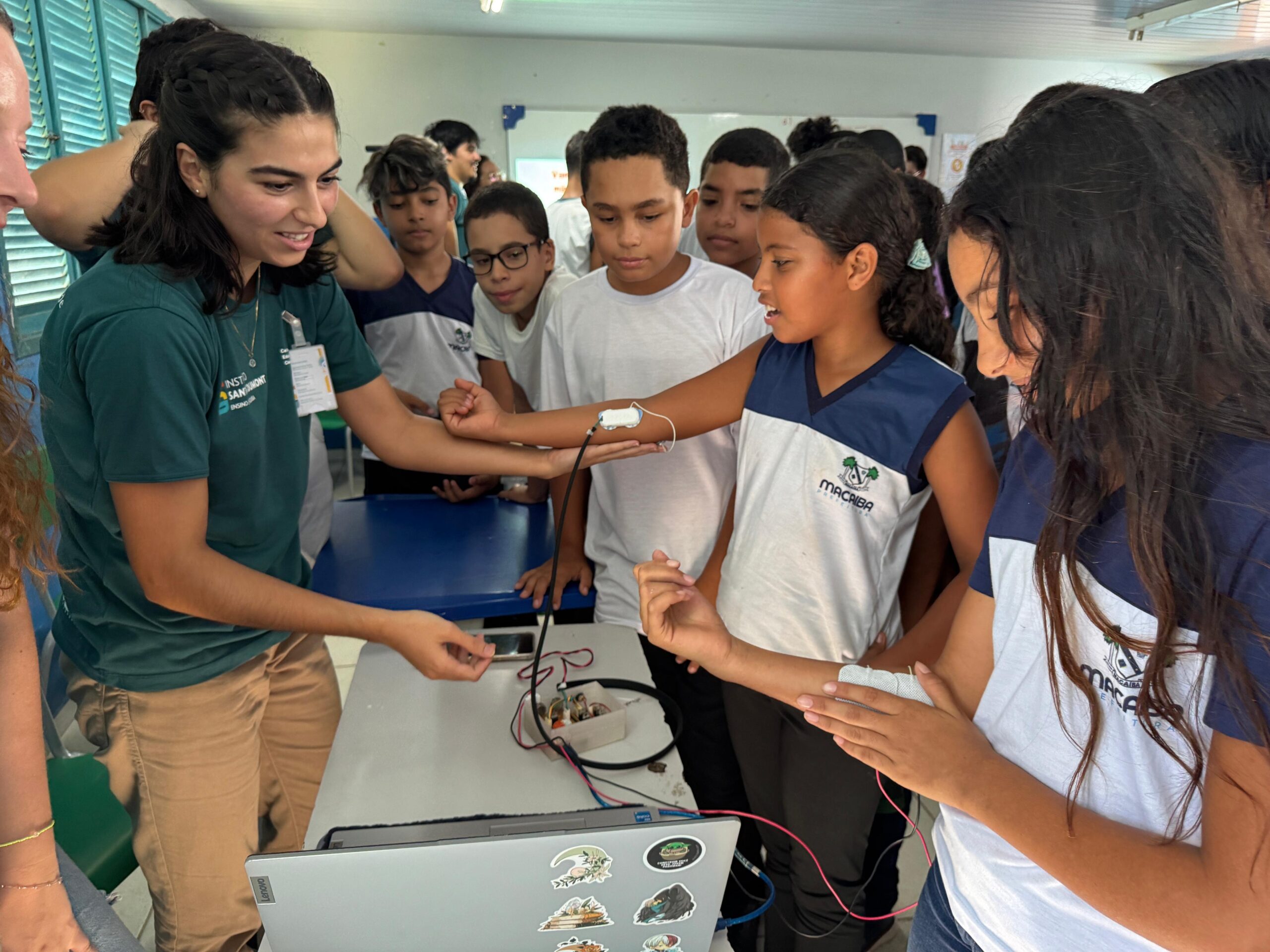
Part of the team that came in first place in the second phase of the selection process, Master’s student Seidi Yonamine emphasizes that this type of program helps in the process of translating technologies developed in laboratories into society, allowing students to use the knowledge acquired in experiments and classrooms to develop solutions for various problems. “We hear a lot about assistive technology and rehabilitation, but we often end up focusing exclusively on research and are unable to translate this from laboratories to society so easily. One way we found to focus on these projects and bring them closer to reality was through these calls for proposals,” says Seidi. 

Text:  Mariana Ceci / Ascom – ISD

Photograph: Mariana Ceci / Ascom – ISD

Communication Office
comunicacao@isd.org.br
(84) 99416-1880

Santos Dumont Institute (ISD)

It is a Social Organization linked to the Ministry of Education (MEC) and includes the Edmond and Lily Safra International Institute of Neurosciences and the Anita Garibaldi Health Education and Research Center, both in Macaíba. ISD's mission is to promote education for life, forming citizens through integrated teaching, research and extension actions, in addition to contributing to a fairer and more humane transformation of Brazilian social reality.
Communication Office
comunicacao@isd.org.br
(84) 99416-1880

Share this news

Recommended

More news

Six projects by ISD students and researchers are selected for the 2nd phase of the Startup Nordeste Program

Six projects by students, researchers and alumni of the Santos Dumont Institute (ISD) were selected for the second phase of the Startup Nordeste program. The program of the Brazilian Micro and Small Business Support Service (Sebrae) aims to foster the innovation ecosystem in the Northeast region, through pre-acceleration, acceleration and investment in startups through scholarships paid by Sebrae. In total, 200 people were approved for the second phase of the program, in which those selected will receive training in the format of workshops and mentoring in order to make their ideas and projects a reality. The final result of those selected for financing will be announced by Sebrae at the end of September.


Of the projects submitted by ISD students and researchers, three were among the top 10 in the selection: one involving the creation of a low-cost electromechanical upper limb prosthesis, submitted by the team of Master's student in Neuroengineering Seidi Yonamine; one by Master in Neuroengineering Rommel Araújo, also related to rehabilitation; and one by research professor Fabrício Lima Brasil, aimed at children with Autism Spectrum Disorder (ASD). 


In addition, proposals from neuroengineering master's students Mário Ayres de Oliveira; Tainá Rêgo and Dayalla Marques were approved. All selected projects were developed by multidisciplinary teams, formed by neuroengineering master's students Erika Maria Garcia Cerqueira; Laura Damasceno de Campos; Beatriz Moura; Gilberto Martins Filho, and neuroengineering master's students Girlaine Gomes and Mouhamed Zorkot. 


“Since we learned about the opening of these processes, both Startup Nordeste and Centelha, we have been encouraging students to participate. We invited Sebrae to come here to give a talk with them, we held online courses and shared information on how to keep documents well organized,” says research professor Fabrício Brasil. 


According to him, the ISD has sought to encourage students to envision possibilities for applying their scientific research beyond the production of an article or academic publication. “We are encouraging students to look for real-world problems and see that what they do here can be applied to solve these problems. These are daily tasks that we do as a challenge to show that the master's degree is not limited to academic life. Creating companies, generating jobs and, above all, showing practical solutions for the community is something that we have increasingly sought,” he says. 


Part of the team that came in first place in the second phase of the selection process, Master’s student Seidi Yonamine emphasizes that this type of program helps in the process of translating technologies developed in laboratories into society, allowing students to use the knowledge acquired in experiments and classrooms to develop solutions for various problems. “We hear a lot about assistive technology and rehabilitation, but we often end up focusing exclusively on research and are unable to translate this from laboratories to society so easily. One way we found to focus on these projects and bring them closer to reality was through these calls for proposals,” says Seidi. 

Text:  Mariana Ceci / Ascom – ISD

Photograph: Mariana Ceci / Ascom – ISD

Communication Office
comunicacao@isd.org.br
(84) 99416-1880

Santos Dumont Institute (ISD)

It is a Social Organization linked to the Ministry of Education (MEC) and includes the Edmond and Lily Safra International Institute of Neurosciences and the Anita Garibaldi Health Education and Research Center, both in Macaíba. ISD's mission is to promote education for life, forming citizens through integrated teaching, research and extension actions, in addition to contributing to a fairer and more humane transformation of Brazilian social reality.
Communication Office
comunicacao@isd.org.br
(84) 99416-1880

Share this news