

12/09/2016
Text and Images – Luiz Paulo Juttel / Ascom – ISD
CEPS' work with students from the Multicampi School of Medical Sciences: humanized and comprehensive care
O Anita Garibaldi Health Education and Research Center (CEPS) entered into a partnership with Federal University of Rio Grande do Norte (UFRN) to receive students from Multicampi School of Medical Sciences, located on the Caicó-RN campus. Each semester, around 40 students will participate in a week of activities at CEPS in the areas of Obstetrics, Pediatrics, Physiotherapy, Speech Therapy, Psychology, Social Assistance and Neuroscience research. The first group finished the cycle of activities on August 19th.
According to the Coordinator of Health Education Activities, Lílian Lisboa, the EMCM team chose CEPS to carry out this project because it is a reference educational institution in maternal and child health care, within the Unified Health System (SUS). “We try to show the undergraduates the importance of multidisciplinary health care, regardless of the chosen medical area, whether in the office, in the obstetrics outpatient clinic, in neuroscience research or in extension projects. While they are with us, they will participate in everything we do”, explains Lisboa.


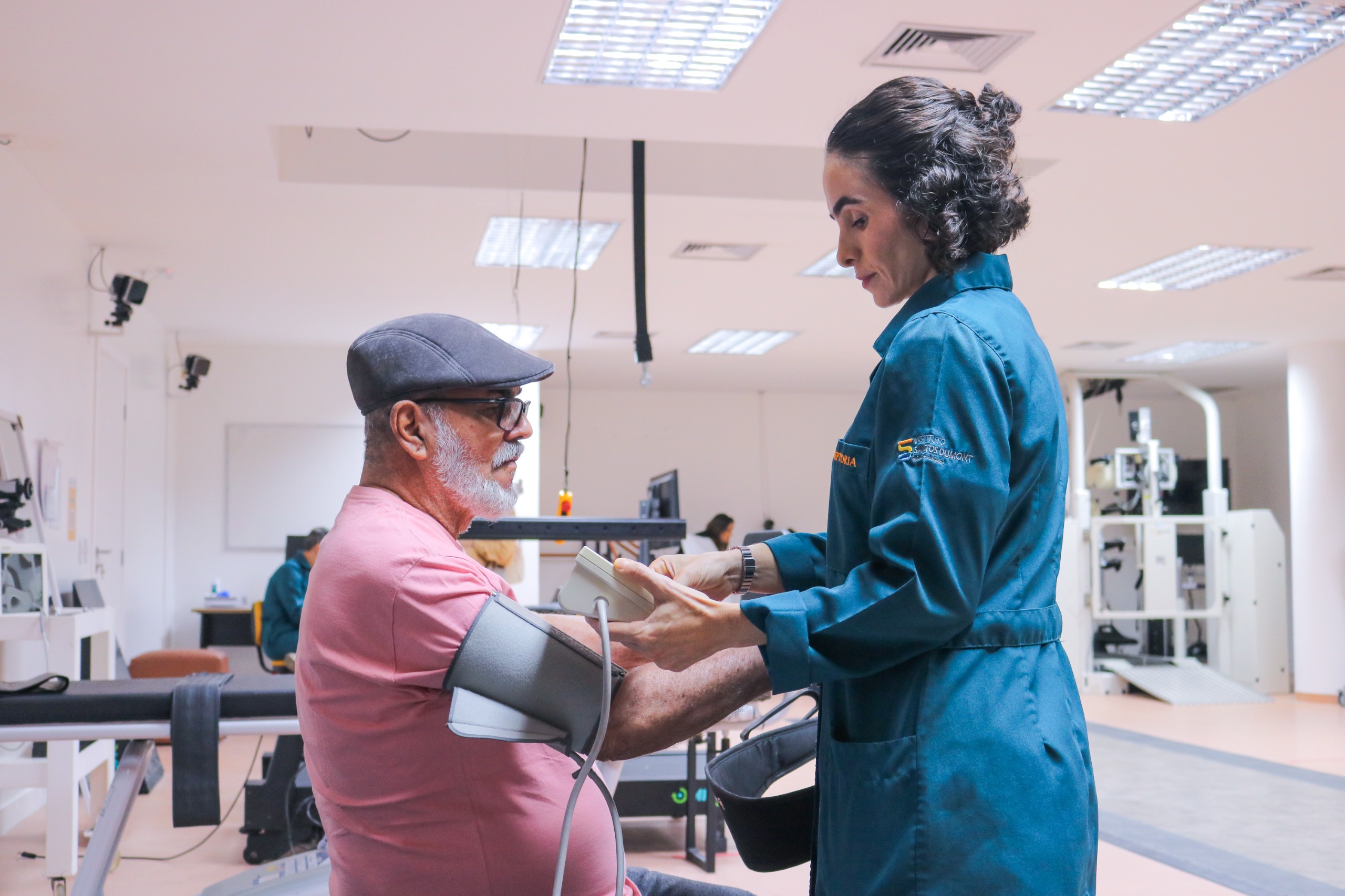
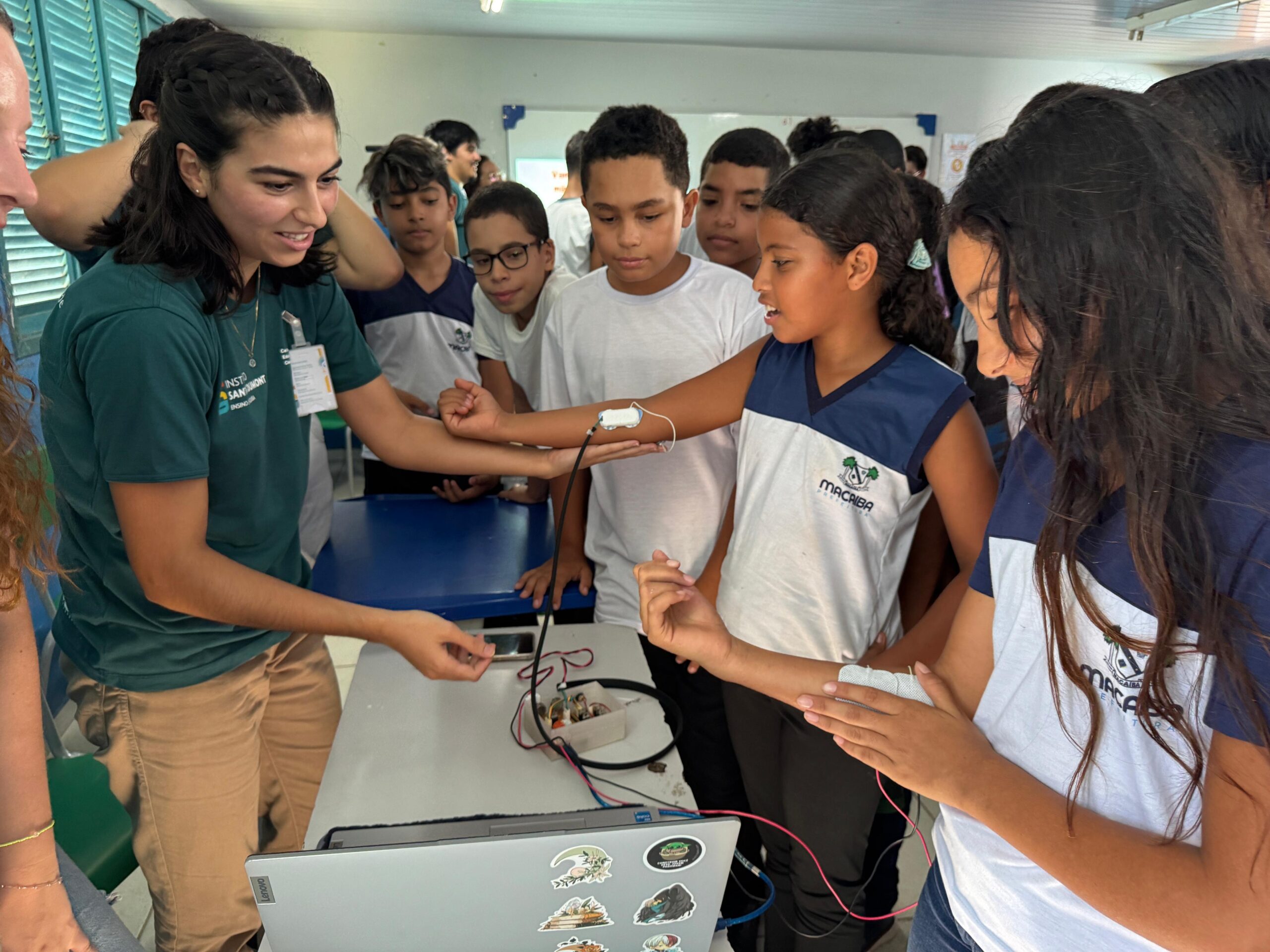
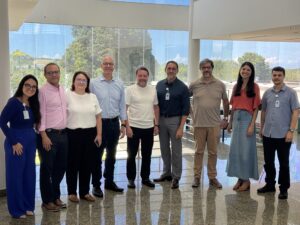
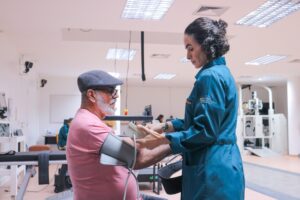
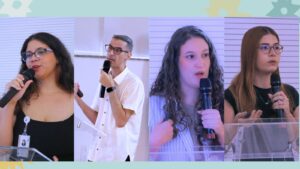
EMCM students carry out academic activities at CEPS (click on the images to see them in a larger size).
Since 2013, EMCM has been offering the first and only medical course in the interior of Rio Grande do Norte. Its pedagogical approach differs from traditional medical courses because it focuses on the student and their health problems. Instead of teaching conventional subjects such as anatomy, physiology, biochemistry and parasitology, professors give importance to medical practice. The student is faced with a patient who has a cough and needs to study the factors that contributed to the onset of this cough.
In addition to problem-based learning, the course works closely with the community. From the first semester onwards, students are involved in activities that involve health practices in communities that span 25 municipalities, between Caicó and Currais Novos, reaching 294,634 inhabitants.
The experience at CEPS: student reports
At the end of the week of activities held at CEPS, some students were asked about how this experience impacted their learning process. Undergraduate Dandala da Silva said she was impressed to see something in action that she only knew about in medical literature: multidisciplinary care. “Here at CEPS, doctors are not higher up in the hierarchy; they are part of a network of knowledge that complements the work of other professionals, such as nurses, physiotherapists and psychologists,” explains Silva.
Bárbara Santos de Oliveira highlighted the sense of social responsibility present in the Santos Dumont Institute units. “Everyone here is very committed to offering excellent care, including neuroscience research that brings real benefits to society. And the best of all is that students are included in this environment from an early age,” adds Oliveira.

Some students reported that they left this experience filled with hope. “In the public health system we are part of, we often feel disappointed and think that we are not capable of changing the current harsh reality. But CEPS is small, similar to our reality; with will and a few resources, it is possible to do things differently,” says Dandala da Silva.
The students also said that they left the week of activities at CEPS with the main message that the important thing is to take the best possible care of your patient and share the knowledge acquired with those around you. We can certainly expect these future doctors to provide more humanized and comprehensive care for their patients.