
Intense heat requires special care during pregnancy; ISD preceptor provides guidance on prevention.

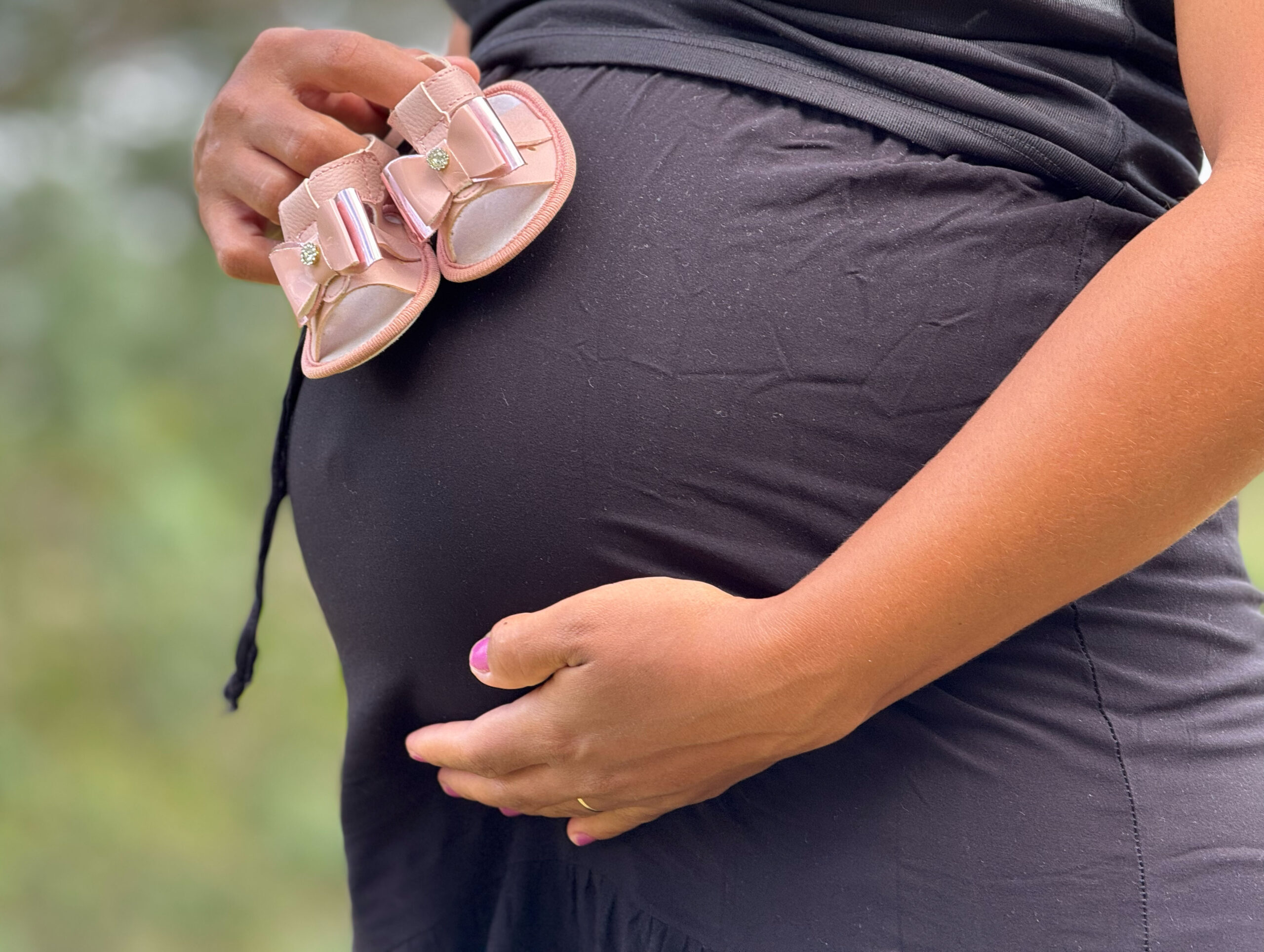
A imagem mostra em plano fechado a barriga de uma mulher grávida vestindo um vestido preto. Com a mão direita posicionada no topo do abdômen, ela segura um par de pequenos sapatinhos de bebê cor-de-rosa ornamentados com laços. A mão esquerda ampara a parte inferior da barriga. O fundo da fotografia apresenta uma vegetação verde desfocada.
Posted in November 9, 2026

The advance of El Niño and the forecast of above-average temperatures across much of Brazil in the coming months highlight the necessary precautions to protect health during periods of intense heat. During pregnancy, the body's physiological changes can increase vulnerability to the effects of high temperatures, requiring extra attention to hydration, thermal comfort, and prenatal care.

Thaíse Lopes, a gynecologist and obstetrician preceptor at the Santos Dumont Institute (ISD), draws attention to the potential effects of heat exposure during pregnancy. During this period, the body undergoes metabolic and circulatory changes to meet the needs of fetal development.

With intense or prolonged exposure to heat, intensified during El Niño periods, the body needs to strengthen its temperature regulation mechanisms, which can increase discomfort and promote fluid loss through sweat. "Some studies are already warning about the consequences of climate change, with heat waves influencing the quality of pregnancy. Therefore, it is essential to pay attention to the body's signals as an important preventative measure," explains the doctor.

Dehydration can cause intense thirst, headache, dizziness, weakness, and reduced urine output. High temperatures can also contribute to episodes of low blood pressure and feelings of faintness, especially when pregnant women remain in hot environments or standing for long periods.

These associations do not mean that all exposed pregnant women will develop complications, but they do indicate the need for protective measures. At ISD, prenatal care includes guidance throughout pregnancy and referrals for continued care. Thaíse Lopes highlights the attention of the multidisciplinary and medical team to the potential impacts of heat on maternal health.

“Given climate change and global warming, we have observed heat waves that can interfere with the health of pregnant women, increasing the risk of premature birth and even pre-eclampsia. Therefore, it is essential to adopt preventive measures that help pregnant women cope with periods of high temperatures,” says the professional.

Beyond the climate, the phenomenon affects health.

El Niño is characterized by the abnormal warming of the surface waters of the equatorial Pacific Ocean. The phenomenon alters atmospheric circulation and influences rainfall and temperature patterns in different parts of the world. 

This change can modify rainfall and temperature patterns in different regions of the planet. In Rio Grande do Norte, the intensity of the phenomenon is being monitored by the Agricultural Research Company of Rio Grande do Norte (Emparn), due to its possible influence on the rainy season of 2027. Although the climate forecast does not, in isolation, determine what the temperatures will be in each municipality, the projection for intense heat reinforces the importance of guiding the population on health precautions.

How to reduce the effects of heat

Prevention starts with simple measures that help reduce heat exposure and maintain hydration; some measures can help reduce discomfort:

  • Stay hydrated: Drink water regularly, without waiting until you feel thirsty, as advised during prenatal care.
  • Avoid prolonged sun exposure: Seek shade and, when possible, postpone outdoor activities to cooler times of the day.
  • Prioritize well-ventilated environments: Use cool, well-ventilated places and wear light clothing that helps dissipate heat.
  • Pay attention to your attire: Prioritize clothing made from lightweight fabrics and natural fibers like cotton and linen, in light colors. Avoid clothes that retain sweat and make the body feel stuffy. 
  • Respect your body's limits: Take breaks during physical activities or tasks that require effort, stopping if you experience discomfort, dizziness, or weakness.
  • Maintain prenatal care: Talk to the healthcare team about discomforts, pre-existing conditions, and specific care for each stage of pregnancy.
 

When it is not possible to remain in air-conditioned environments, seek shaded areas and take breaks during activities that require physical exertion. It is necessary to consider the temperature conditions and the guidelines of the team responsible for prenatal care.


About ISD

The Santos Dumont Institute (ISD) is a Social Organization of the Federal Executive Branch, supervised by the Ministry of Education, with the intervention of the Ministry of Sport. It encompasses the Edmond and Lily Safra International Institute of Neuroscience and the Anita Garibaldi Center for Education and Research in Health, both located in Macaíba. The ISD's mission is to promote education for life, forming citizens through integrated teaching, research, and outreach activities, as well as contributing to a more just and humane transformation of Brazilian social reality.


Communication Office
comunicacao@isd.org.br
(84) 99416-1880

Share this news

Recommended

More news

Intense heat requires special care during pregnancy; ISD preceptor provides guidance on prevention.

A imagem mostra em plano fechado a barriga de uma mulher grávida vestindo um vestido preto. Com a mão direita posicionada no topo do abdômen, ela segura um par de pequenos sapatinhos de bebê cor-de-rosa ornamentados com laços. A mão esquerda ampara a parte inferior da barriga. O fundo da fotografia apresenta uma vegetação verde desfocada.

The advance of El Niño and the forecast of above-average temperatures across much of Brazil in the coming months highlight the necessary precautions to protect health during periods of intense heat. During pregnancy, the body's physiological changes can increase vulnerability to the effects of high temperatures, requiring extra attention to hydration, thermal comfort, and prenatal care.

Thaíse Lopes, a gynecologist and obstetrician preceptor at the Santos Dumont Institute (ISD), draws attention to the potential effects of heat exposure during pregnancy. During this period, the body undergoes metabolic and circulatory changes to meet the needs of fetal development.

With intense or prolonged exposure to heat, intensified during El Niño periods, the body needs to strengthen its temperature regulation mechanisms, which can increase discomfort and promote fluid loss through sweat. "Some studies are already warning about the consequences of climate change, with heat waves influencing the quality of pregnancy. Therefore, it is essential to pay attention to the body's signals as an important preventative measure," explains the doctor.

Dehydration can cause intense thirst, headache, dizziness, weakness, and reduced urine output. High temperatures can also contribute to episodes of low blood pressure and feelings of faintness, especially when pregnant women remain in hot environments or standing for long periods.

These associations do not mean that all exposed pregnant women will develop complications, but they do indicate the need for protective measures. At ISD, prenatal care includes guidance throughout pregnancy and referrals for continued care. Thaíse Lopes highlights the attention of the multidisciplinary and medical team to the potential impacts of heat on maternal health.

“Given climate change and global warming, we have observed heat waves that can interfere with the health of pregnant women, increasing the risk of premature birth and even pre-eclampsia. Therefore, it is essential to adopt preventive measures that help pregnant women cope with periods of high temperatures,” says the professional.

Beyond the climate, the phenomenon affects health.

El Niño is characterized by the abnormal warming of the surface waters of the equatorial Pacific Ocean. The phenomenon alters atmospheric circulation and influences rainfall and temperature patterns in different parts of the world. 

This change can modify rainfall and temperature patterns in different regions of the planet. In Rio Grande do Norte, the intensity of the phenomenon is being monitored by the Agricultural Research Company of Rio Grande do Norte (Emparn), due to its possible influence on the rainy season of 2027. Although the climate forecast does not, in isolation, determine what the temperatures will be in each municipality, the projection for intense heat reinforces the importance of guiding the population on health precautions.

How to reduce the effects of heat

Prevention starts with simple measures that help reduce heat exposure and maintain hydration; some measures can help reduce discomfort:

  • Stay hydrated: Drink water regularly, without waiting until you feel thirsty, as advised during prenatal care.
  • Avoid prolonged sun exposure: Seek shade and, when possible, postpone outdoor activities to cooler times of the day.
  • Prioritize well-ventilated environments: Use cool, well-ventilated places and wear light clothing that helps dissipate heat.
  • Pay attention to your attire: Prioritize clothing made from lightweight fabrics and natural fibers like cotton and linen, in light colors. Avoid clothes that retain sweat and make the body feel stuffy. 
  • Respect your body's limits: Take breaks during physical activities or tasks that require effort, stopping if you experience discomfort, dizziness, or weakness.
  • Maintain prenatal care: Talk to the healthcare team about discomforts, pre-existing conditions, and specific care for each stage of pregnancy.
 

When it is not possible to remain in air-conditioned environments, seek shaded areas and take breaks during activities that require physical exertion. It is necessary to consider the temperature conditions and the guidelines of the team responsible for prenatal care.


About ISD

The Santos Dumont Institute (ISD) is a Social Organization of the Federal Executive Branch, supervised by the Ministry of Education, with the intervention of the Ministry of Sport. It encompasses the Edmond and Lily Safra International Institute of Neuroscience and the Anita Garibaldi Center for Education and Research in Health, both located in Macaíba. The ISD's mission is to promote education for life, forming citizens through integrated teaching, research, and outreach activities, as well as contributing to a more just and humane transformation of Brazilian social reality.
Communication Office
comunicacao@isd.org.br
(84) 99416-1880

Share this news