

Objective
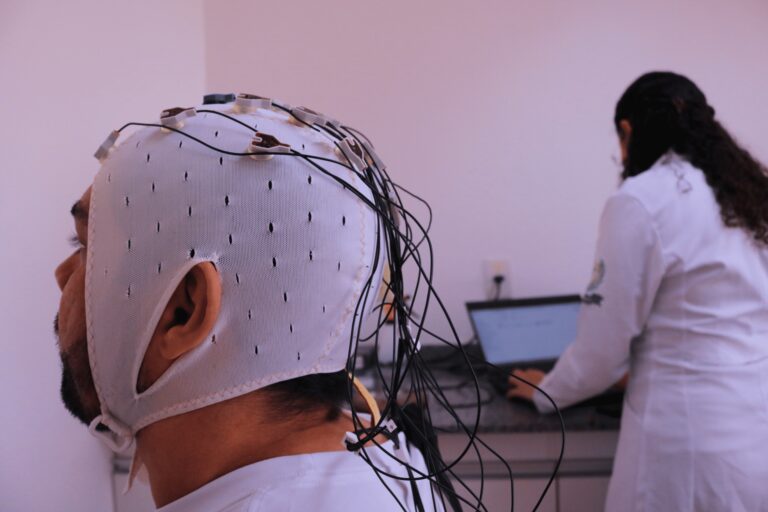
The ISD Postdoctoral Program aims to promote the interdisciplinary professional development of PhD holders in the field of translational neuroengineering and to stimulate the development of advanced projects.
How to participate
In the ISD PPD there are two ways to participate depending on the vacancies available:
- Voluntary postdoctoral work without receiving monthly stipends; and
- Postdoctoral fellowships with funding available according to funding sources (CNPq, CAPES, FINEP, FAPERN, among others).
In both cases, the following steps are involved:
1. Check the availability of positions for volunteer or stipended PD (Professional Development) students.
2. Contact a supervisor from the Interdisciplinary Postdoctoral Program to discuss your interest in the research area and the project, in order to align expectations and plans.
3. Complete the registration process using the call for applications or selection form.
4. Participate in the selection process (interview, test, and other criteria according to the current announcement).
5. Select candidates according to the number of available positions (volunteer or with scholarship).
6. Start PD activity.
Information about scholarships - click to expand
Scholarship validity
Scholarships are awarded for a period of up to 12 months, according to the availability of institutional programs or individual funding opportunities. Scholarship nominations are made annually, and a new application is required to compete again; there is no automatic renewal.
Loss of scholarship
The scholarship is discontinued when another scholarship is received from any funding agency, employment is established, there is a lack of interest or a decline in project performance, or the report is not approved. Accumulation of this scholarship with other types of scholarships from CNPq, CAPES, or any other national or international agencies that promote education and research, technological development and innovation, or similar entities is not permitted. Except for scholarships of an assistance, maintenance, or permanence nature.
Considering the interdisciplinary nature of this PPD (Postgraduate Program), we value and encourage in-person experience for the development of social and scientific interaction in an interdisciplinary research environment with diverse researchers, professors, professionals, and students.
Cancellation of scholarship
The scholarship cancellation must be made by the 5th of the current month by sending an email to the academic secretariat by the scholarship holder or supervisor with the appropriate justifications.
Scholarship reimbursement
In the event of non-compliance with the obligations of the scholarship grant agreement, RN-019/2015, with the Reimbursement Guidelines, will be followed:
1.1. The amount due will be the sum of the resources spent by CNPq in the payment of aid, as well as scholarships in the country and abroad, considering monthly fees, installation assistance, health insurance, travel assistance, air tickets, school fees and other benefits provided for in the specific rules for the scholarship modalities, corrected in accordance with the legislation applicable to debts with the Federal Government.
1.2. The refund of the amount due, calculated as indicated in the previous item, may be paid in installments as provided in the CNPq Credit Installment Manual.
1.3. The refund in question, if related to a scholarship abroad, may be made in the same currency used by CNPq for the scholarship payment. The total amount of expenses must be converted to Brazilian Reais, adjusted as per item 1.1 of this rule, and then converted back to the payment currency.
Workload
The workload varies depending on the requirements of the institution's call for proposals or the funding agency (such as CAPES or CNPq).
Loss of affiliation with the Postdoctoral Program
The voluntary or scholarship-funded PD (Professional Development) contract may be cancelled in cases of non-compliance with:
1) Intellectual Property Policy. Establishes guidelines and procedures for obtaining and managing intellectual property rights, based on the knowledge generated in the ISD. Its purpose is to make the results of activities available for the broader benefit of society.
2) Code of Conduct. Defines the principles that should guide the behavior of ISD professionals, promoting appropriate conduct, as well as preventing, detecting, and holding accountable those responsible for misconduct within the organization.
3) Laboratory Usage Rules
4) Standard Operating Procedures for Laboratories
5) Good Laboratory Practices
6) Ethics in the Use of Animals
7) Ethics in Research on Human Beings
Current postdoctoral researchers:

Maria Janaina Silva Dos Santos
A Quilombola and PhD in Social Sciences (2026) from the Federal University of Rio Grande do Norte (UFRN). Master's degree in Social Work (2015) from the Federal University of Paraíba (UFPB) and Specialization in Public Policies and Social Assistance (2015) from the University Center of João Pessoa (UNIPÊ). She is an active member of the Center for Studies in Social Policies (NEPPS/UFPB). She has solid professional and academic experience in the areas of Social Policy, Public Policies, Ethnic-Racial Relations, Territory and Human Rights.
Advisor: Edgard Morya
Completed postdoctoral researchers:
Valéria Reis do Canto Pereira
She holds a degree in Speech-Language Pathology from the University of Fortaleza (2001), a specialization course in Human Communication Disorders from UNIFESP (2002), advanced training in Speech-Language Pathology from the Municipal Public Servant Hospital of SP (2004), a master's degree in Speech-Language Pathology from the Pontifical Catholic University of São Paulo (2005), a doctorate in Sciences from the University of São Paulo-USP (2010), a post-doctorate in Neuroscience from the University of Brasília (2014), and conducted post-doctoral research in Neuroengineering at the Edmond and Lily Safra International Institute of Neuroscience (IIN-ELS), of the Santos Dumont Institute (ISD), in 2022.
Advisor: Edgard Morya
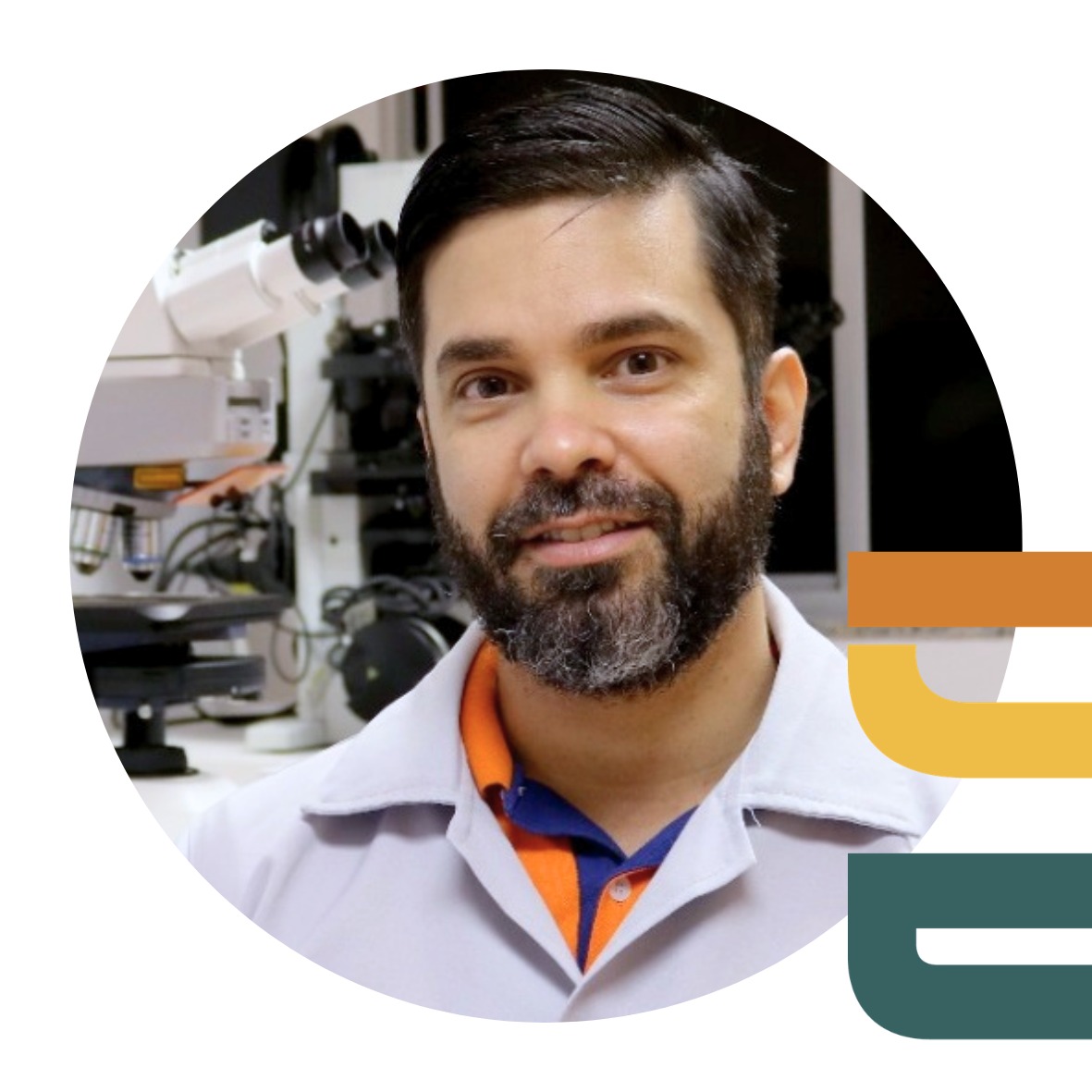
Fernando da Silva Fiorin
Holds a Bachelor's degree in Physical Education and a Master's degree in Biological Sciences-Toxicological Biochemistry from the Federal University of Santa Maria (UFSM). He holds a PhD in Neuroscience with a concentration in Cellular and Molecular Neurobiology from the Federal University of Santa Catarina (UFSC). He conducted postdoctoral research at the Edmond and Lily Safra International Institute of Neuroscience (IIN-ELS), the Santos Dumont Institute (ISD), the University of Maryland, Baltimore (UMB) in the United States, the Federal University of São Paulo (UNIFESP), and the Federal University of Espírito Santo (UFES).
Advisor: Edgard Morya
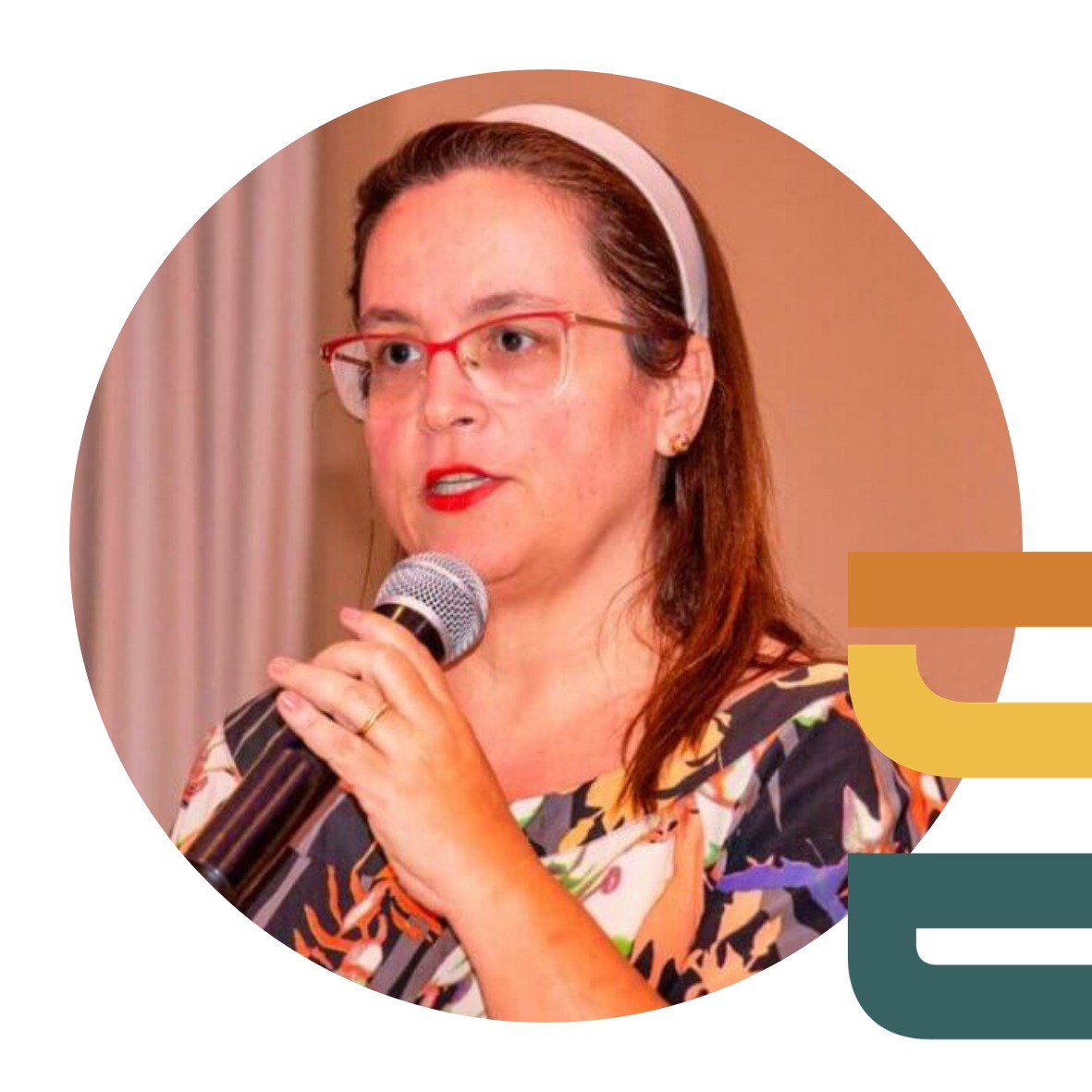
Sheila Andreoli Balen
Graduated in Speech-Language Pathology from the Federal University of Santa Maria (1993), Master's degree in Speech-Language Pathology from the Pontifical Catholic University of São Paulo (1997). Doctorate in Psychology (Neuroscience and Behavior) from the University of São Paulo (2001). Post-Doctoral Internship in the Postgraduate Program in Neuroengineering at the Edmond and Lili Safra International Institute of Neuroscience (IIN-ELS) of the Santos Dumont Institute (2021-2022). Director of the Brazilian Academy of Audiology (2009-2011). Professor in the Speech-Language Pathology Course at the Federal University of Rio Grande do Norte (UFRN) and in the Postgraduate Program in Speech-Language Pathology between UFPB and UFRN. Researcher in the hearing and language research database of the Technological Innovation in Health Laboratory at the Onofre Lopes University Hospital of UFRN.
Advisor: Edgard Morya
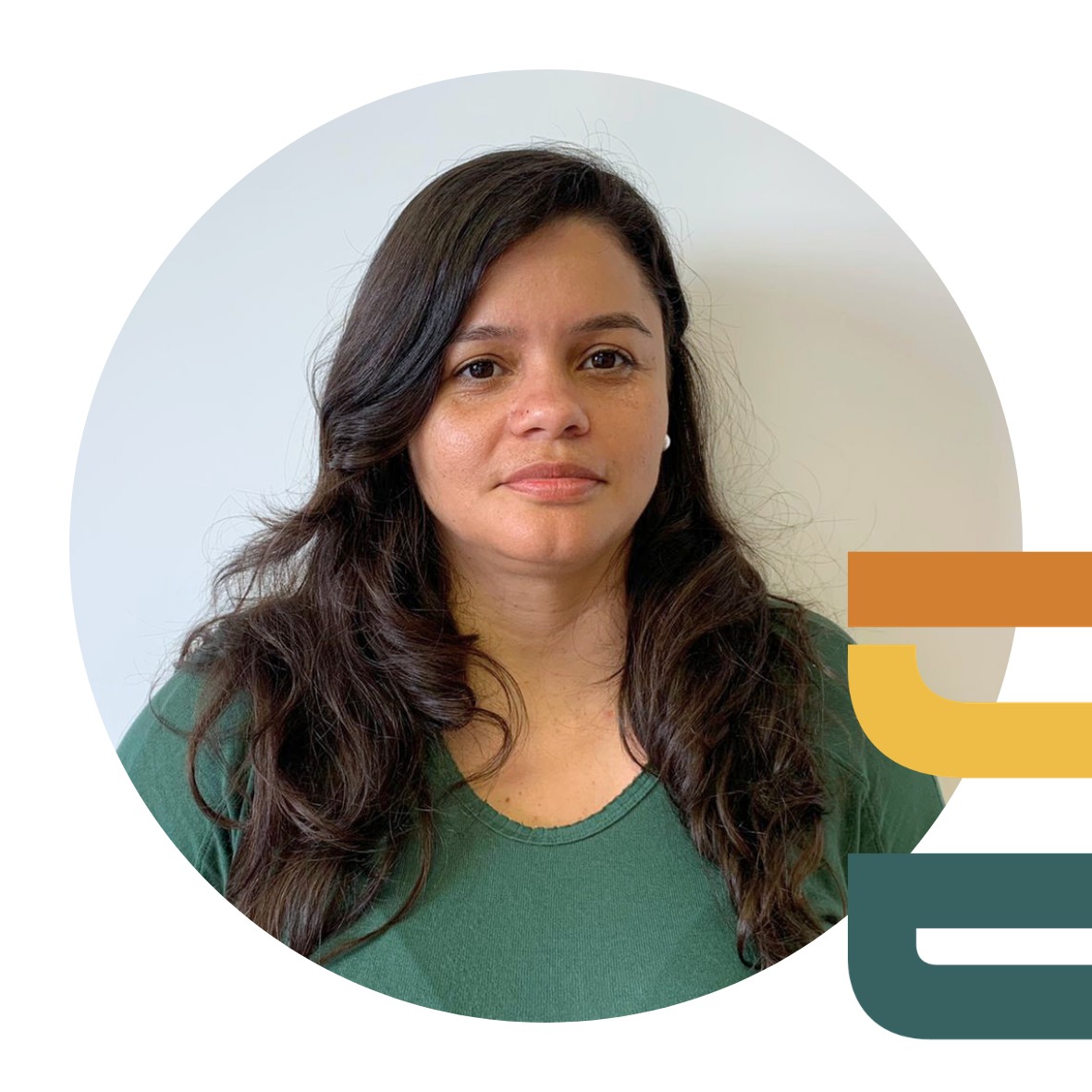
Nelyane Nayara Martins de Santana
Holds a degree in Biological Sciences from the Potiguar University (2010), a specialization in Neuroscience from the Faculty of Excellence of Rio Grande do Norte (2012), a master's degree (2015) and a doctorate (2023) in Psychobiology from the Federal University of Rio Grande do Norte. Her research interests focus on topics such as neurobiological senescence, neuroinflammation, neurodegenerative diseases, neural bases of visual perception, circadian rhythmicity and uni- and multimodal processing, as well as the neurochemical characterization of white matter tracts. She has experience in morphofunctional sciences and neurophysiology, with an emphasis on the development and aging of the nervous system, comparative neuroanatomy of the image-forming and non-image-forming systems, and stereology.
Advisor: Felipe Fiuza
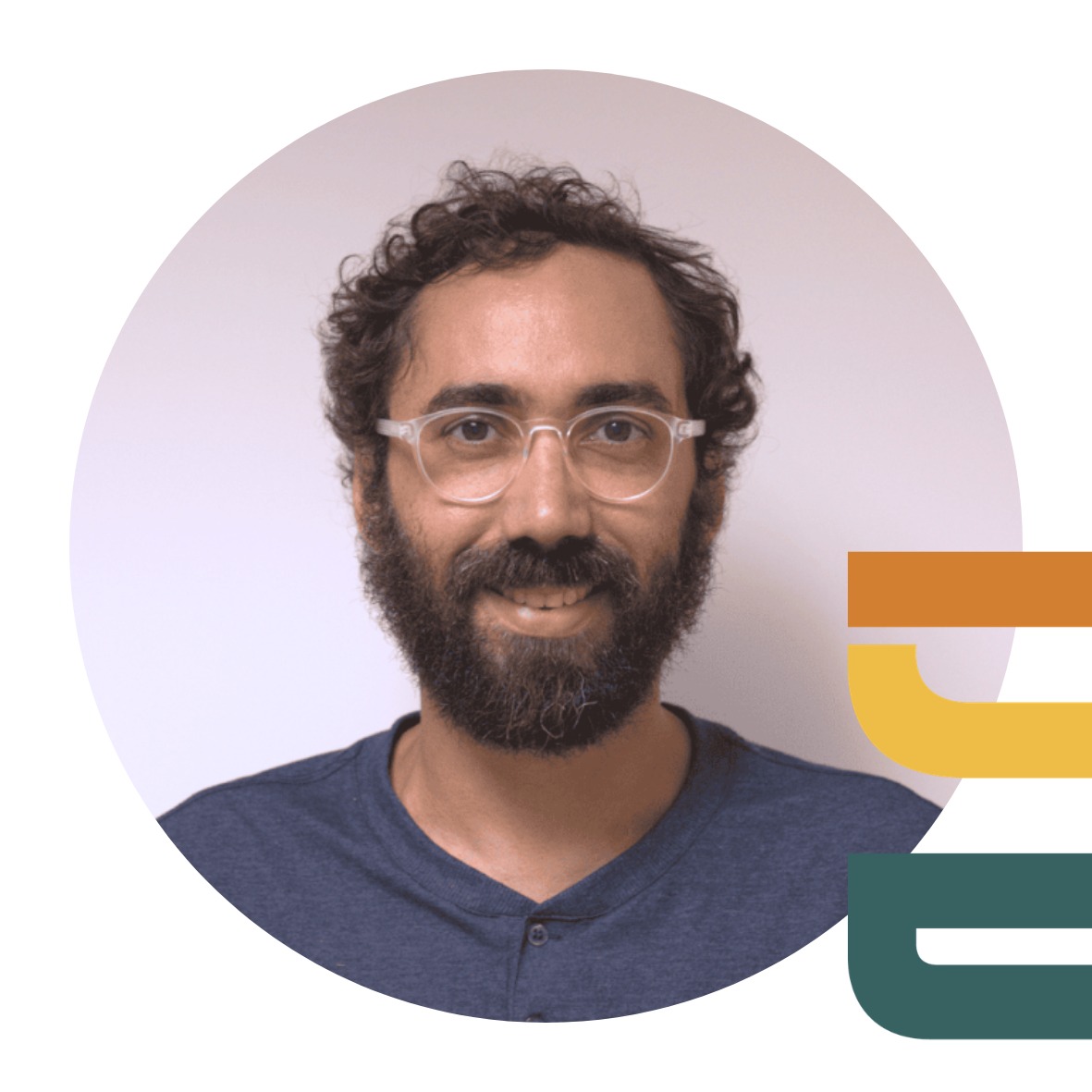
Rodrigo Marques de Melo Santiago
Electrical Engineer and PhD in Neuroscience, specializing in Data Science. He works as a postdoctoral researcher in computational neurophysiology. Throughout his career, he has developed and applied signal analysis techniques, computational modeling, and machine learning in complex scientific contexts, such as memory formation processes and the investigation of electrophysiological correlates of neuropathologies. He has experience in telecommunications, industrial automation, network infrastructure, and service management, which supports an interdisciplinary approach between engineering, data science, and organizational management. He is interested in innovation, knowledge transfer, and the development of technological solutions with social impact.
Advisor: Edgard Morya
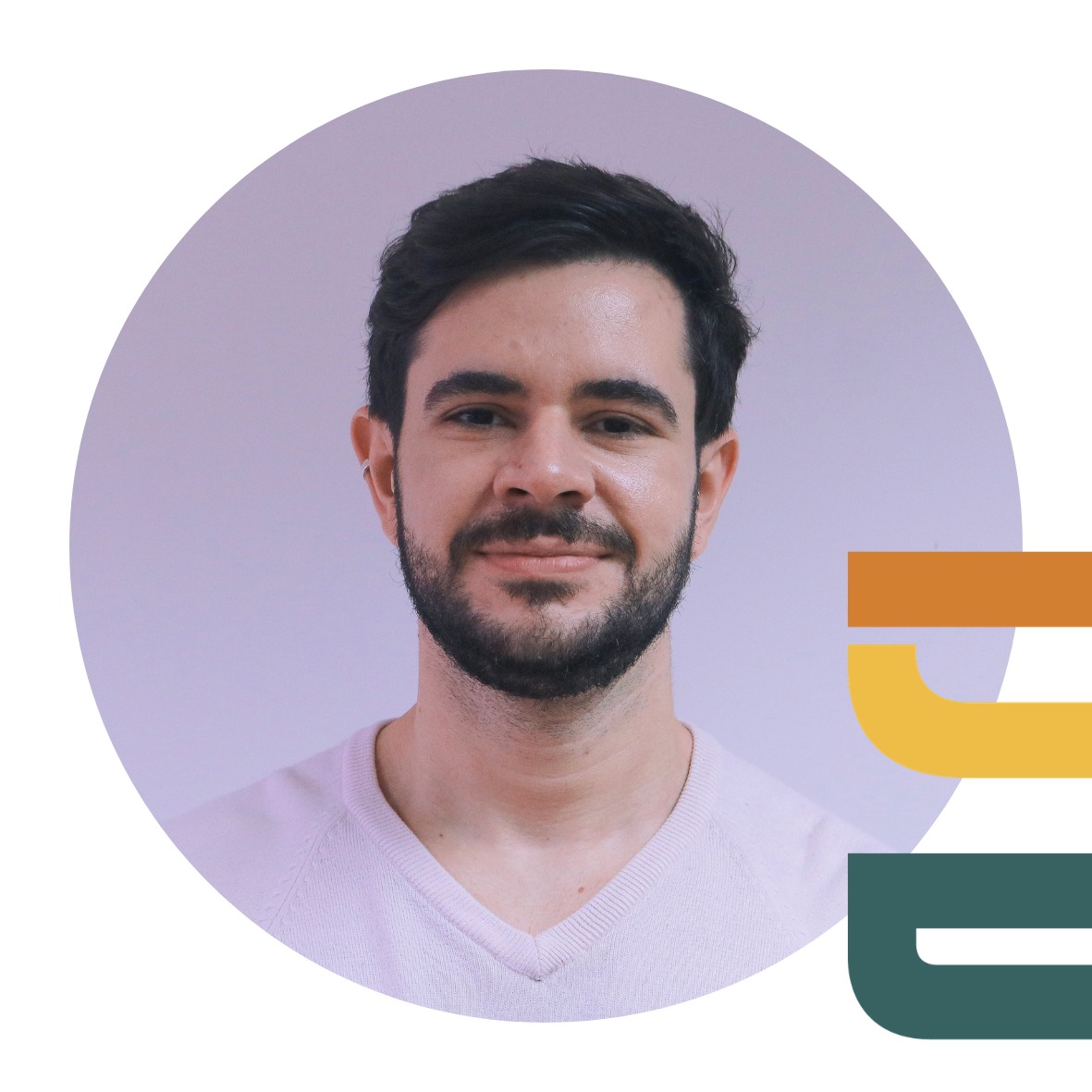
Joao Rodrigo DeOliveira
Graduated in Physiotherapy (2011-2016) from the Federal University of Rio Grande do Norte (UFRN). Master's degree in Neuroengineering (2017-2019) from the Santos Dumont Institute (ISD). PhD in Psychobiology from UFRN (2025). Experience in neurobiology of cognition in animal models and technical support for biomedical equipment used in human neuroscience research. At ISD, he is responsible for the human research laboratory. He conducted postdoctoral research at the Edmond and Lily Safra International Institute of Neuroscience (IIN-ELS) in 2025.
Advisor: Maria Carolina Gonzalez

Joseph Paballo Gomes de Souza
Doctor of Neuroscience from the Brain Institute (ICe) of the Federal University of Rio Grande do Norte (UFRN). Master's degree in Neuroengineering from the Edmond and Lily Safra International Institute of Neuroscience (IIN-ELS/ISD). Specialist in Adult and Elderly Health through the Multiprofessional Residency Program at the Professor Alberto Antunes University Hospital – UFAL. Graduated in Psychology from the Tiradentes University Center (UNIT). Interested in animal behavior, electrophysiology, and calcium imaging techniques.
Advisor: Andressa Radiske

Jessica Winne Rodrigues de Freitas
She holds a degree in Psychology from UFRN (Federal University of Rio Grande do Norte), a master's degree in Neuroengineering from the Edmond and Lily Safra International Institute of Neuroscience, and a doctorate in Neuroscience from UFRN, with a sandwich program at Uppsala University, Sweden. She completed a postdoctoral fellowship at the University of Maryland, in the United States, and is currently a FAPESP postdoctoral researcher at the Ribeirão Preto Medical School of USP (FMRP-USP). She conducts research on cellular and circuit mechanisms related to temporal lobe epilepsy, with experience in electrophysiology, optogenetics, chemogenetics, calcium imaging, immunohistochemistry, and neural signal analysis. Her main academic interests include neural plasticity, inhibitory circuits, PV+ interneurons, epilepsy, and learning.
Advisor: Maria Carolina Gonzalez