


“As soon as my daughter was born, the first news I heard was not that she was well, or the color of her eyes. What they told me was: ‘she has seizures all the time’.” This story is part of the experience of Lusia Saraiva, mother of Flor, now 13 years old. Although she had already heard about epilepsy, with the birth of her daughter, Lusia began to experience the reality of those who live with drug-resistant epilepsy, which is not controllable with medication.
Like many family members and people with epilepsy, Lusia and her family have turned barriers into fuel to fight against prejudice regarding the disease and disseminate information on the subject. She is one of the coordinators of the association Apoie Epilepsia, formed by family members and people with epilepsy who defend that information is the main ally in the search for a better quality of life for people with the condition. In March, when “Purple Day” is celebrated, an international day to raise awareness about epilepsy, the group’s actions intensify, with the aim of bringing society’s attention to the issue.
According to the World Health Organization (WHO), approximately 50 million people on the planet have epilepsy. For Lusia, knowing and understanding what Flor was going through was an essential step in adopting care and treatments that would actually boost her daughter's quality of life. “Knowledge brought me to a new world, understanding that I could not control the seizures, but that I could improve her quality of life, reducing the number of seizures and the impact on her health. From then on, I learned that I was dealing with something that could not be treated with just the medications she was already taking,” she says.
Alternative treatments to medication, such as the ketogenic diet, cannabidiol and surgery, were, for Lusia, agents that changed her daughter's life. But, before that, the knowledge about the existence of these alternatives needed to reach the family.
“The lack of information made me waste a lot of time, because each seizure brings about a deconstruction, causes damage, discomfort, and is painful at every moment. That is why I fight so hard for information. Epilepsy involves extreme fear, but at the same time it has to involve the courage to fight,” says Lusia.
Flor's experience with epilepsy was, for Lusia and her family, a two-way street: while it brought a lot of pain, it also led to the creation of a support network and exchange of knowledge between family members, health professionals and other people with epilepsy. World Epilepsy Day, celebrated annually in March, exists so that this support network can be strengthened and impact the lives of more people like Flor and Lusia.
Apoie Epilepsia is the official ambassador of the date in Brazil, also known as Purple Day, and coordinates actions that seek, mainly, to demystify epilepsy and disseminate knowledge among society as a whole. In 2023, the theme of the campaign is “Connected by epilepsy”, and brings together several institutions and organizations, such as the Santos Dumont Institute (ISD) and the Federal University of Rio Grande do Norte (UFRN).
Clinical research on alternative treatment
Lusia took Flor to about ten nutritionists before they started the ketogenic diet treatment at the Santos Dumont Institute (ISD). A reference for the care of people with drug-resistant epilepsy in Rio Grande do Norte, the ISD has a specific line of care for epilepsy through its Specialized Rehabilitation Center (CER ISD). There, mother and daughter were able to be cared for by a multidisciplinary team, and Flor became one of the first users of the Institute to have the ketogenic diet incorporated into her care routine.
The ketogenic diet aims to reduce or minimize the number of epileptic seizures by gradually increasing fat consumption and decreasing carbohydrates, changing the body's focus on obtaining energy and producing ketone bodies, molecules that act as drugs against epileptic seizures.
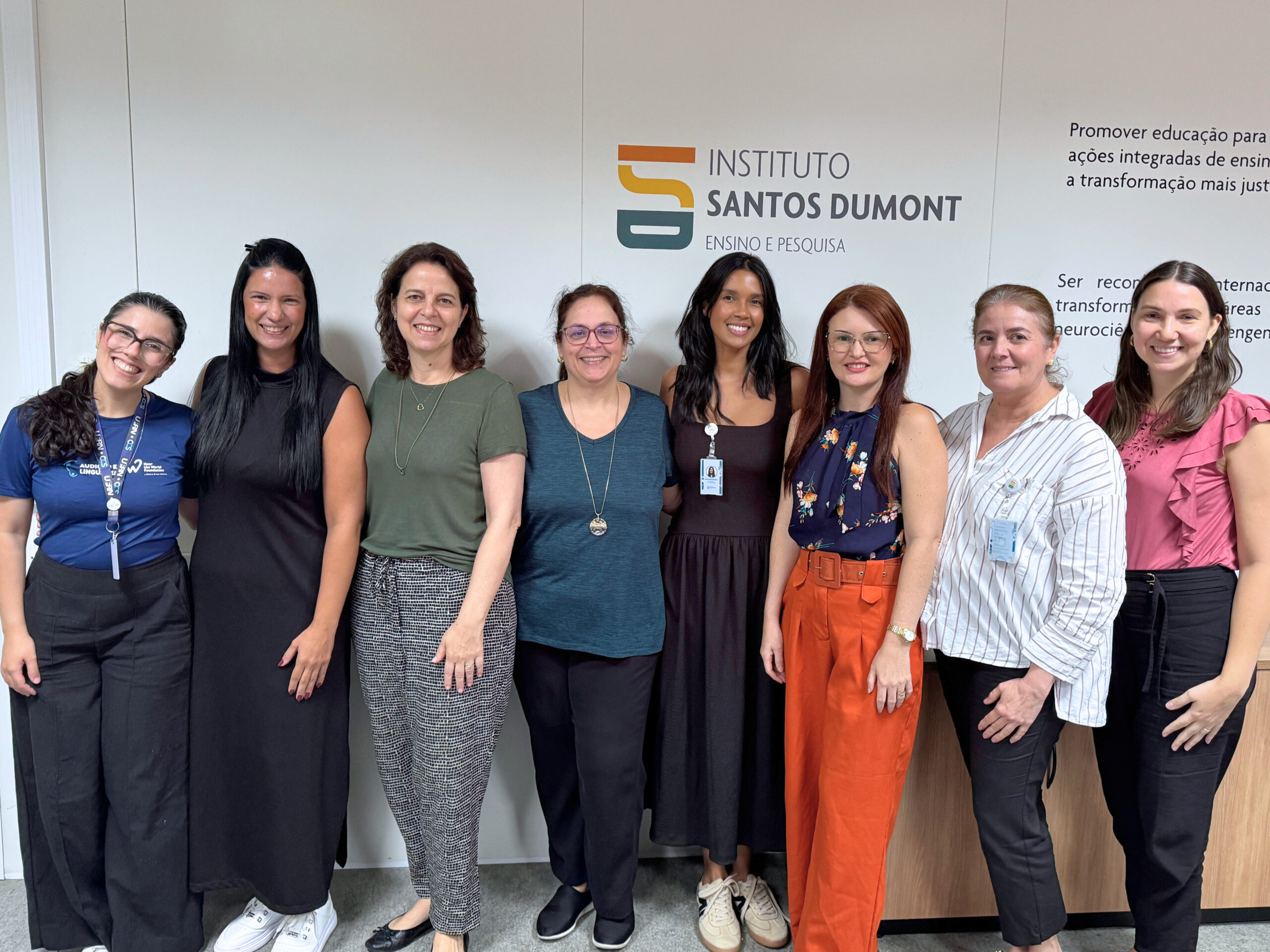
At ISD, preceptors Nicelle Candez, a neurologist, and Luciana Câmara, a nutritionist, led a pilot project on the inclusion and impact of the ketogenic diet as a treatment for drug-resistant epilepsy. The research was developed at ISD as a master's thesis by Nicelle Candez, under the supervision of Fabrício Brasil, from the ISD's Postgraduate Program in Neuroengineering; Isabella D'Andrea and Licinio Silva, from the Fluminense Federal University (UFF). The objective is to understand the changes caused by the ketogenic diet in the brain's electrical activity of users with drug-resistant epilepsy.
To do this, according to Nicelle, the activity recorded in the electroencephalography exam is analyzed, before and after starting the ketogenic diet. The neurologist preceptor explains that the baseline brain activity of a person diagnosed with drug-resistant epilepsy is usually slower, but with the user evaluated in the research, there was an improvement in this baseline activity after the ketogenic diet.
“We observed an increase in higher frequency brain waves in the pilot patient. It is as if the diet brought the basic brain activity closer to normal. This may explain why many caregivers perceive an improvement in cognition and attention after starting the diet,” explains Nicelle Candez.
Furthermore, the neurologist preceptor highlights that a reduction in epileptic seizures was observed among the patients being monitored, according to a daily count made by family members.
For nutritionist preceptor Luciana Câmara, clinical research on treatments such as the ketogenic diet is essential, especially in response to the underdiagnosis scenario involving drug-resistant epilepsy. “When we adjust the medication or apply non-drug alternative therapies, we see very important results. So it is something that makes a big difference in quality of life, in returning to the job market, in personal life,” she adds.
Scientific innovation in treatment
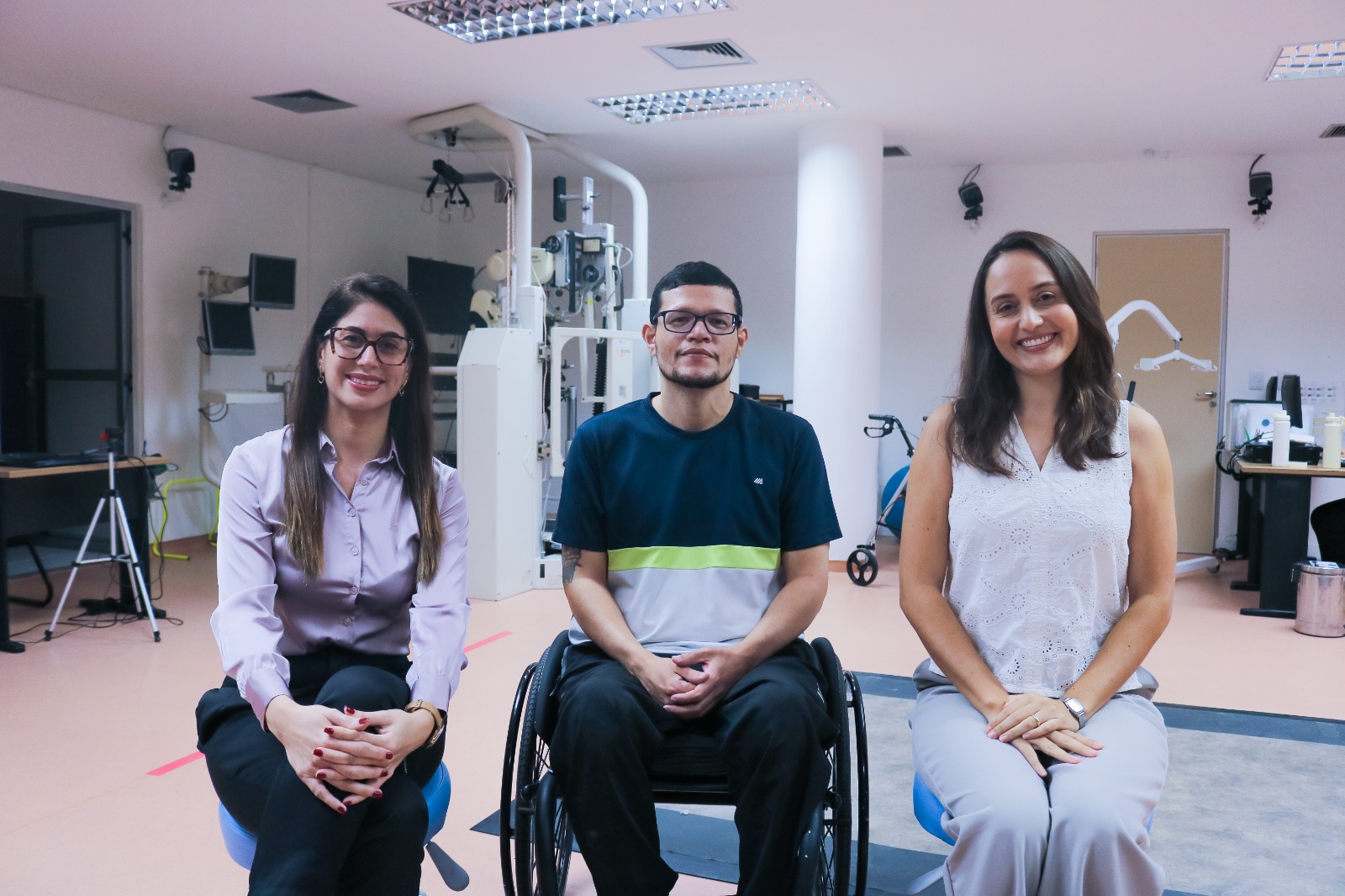
In the ISD Neuroengineering Postgraduate Program, epilepsy is also the focus of research and scientific production. The master's research of Raquel Medeiros and Erika Garcia investigated possible methods of treatment and monitoring of drug-resistant epilepsy, using different research approaches, such as the Brain-Machine Interface, to achieve methods of improving the quality of life of people with this condition.
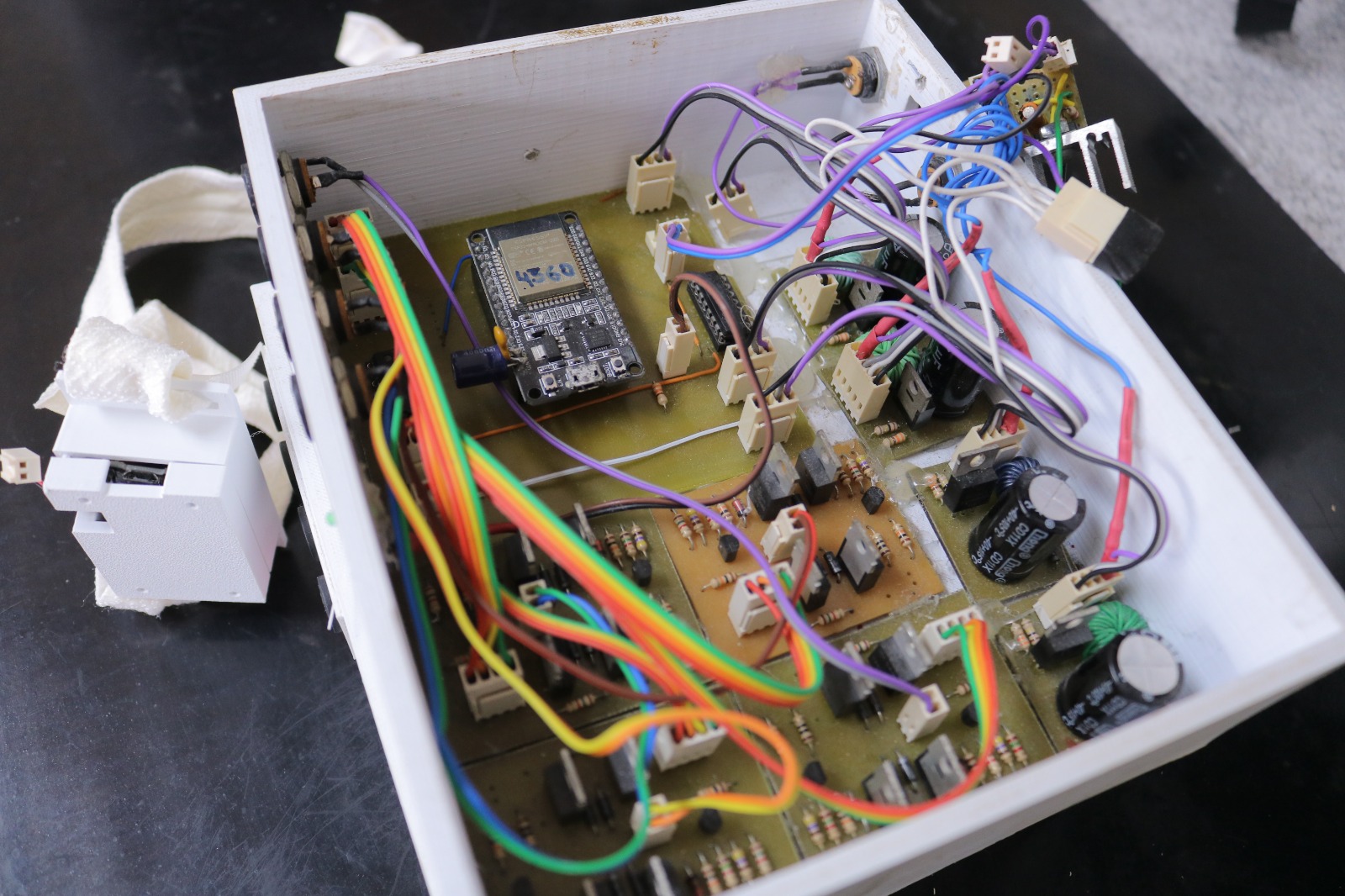
Spinal cord electrical stimulation was a key procedure in both studies. Biomedical scientist Raquel Medeiros sought to understand the effects of continuous spinal cord electrical stimulation by studying animal models, seeking to assess whether this method has a protective effect on epileptic seizures. Biomedical engineer Erika Garcia developed a Brain-Machine Interface capable of detecting the moment an epileptic seizure will occur and activating electrical stimulation.
Both projects were carried out on animal models. The idea is to start studies at a basic level and understand how the brain works during epileptic seizures so that, in the future, we can develop viable treatments for humans.
Text: Naomi Lamarck / Ascom – ISD
Photograph: assigned
Communication Office
comunicacao@isd.org.br
(84) 99416-1880
Santos Dumont Institute (ISD)
It is a Social Organization linked to the Ministry of Education (MEC) and includes the Edmond and Lily Safra International Institute of Neurosciences and the Anita Garibaldi Health Education and Research Center, both in Macaíba. ISD's mission is to promote education for life, forming citizens through integrated teaching, research and extension actions, in addition to contributing to a fairer and more humane transformation of Brazilian social reality.