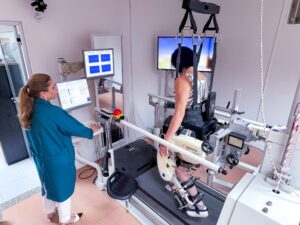



Starting this Wednesday, October 1st, access for patients from municipalities in the 7th Health Region of Rio Grande do Norte to the Specialized Rehabilitation Center of the Santos Dumont Institute (CER ISD) will be carried out exclusively through referrals from Basic Health Units (UBS) and Family Health Units (USF). The cities of Extremoz, Macaíba, Natal, Parnamirim and São Gonçalo do Amarante are part of the 7th Region.
With the change in flow, valid only for new users, the first step for people wishing to access the services offered by CER ISD will be to contact the referral healthcare facility in their region. There, they should inform the responsible professional (doctor, nurse, or other member of the multidisciplinary team) of their interest in seeking rehabilitation care at ISD.
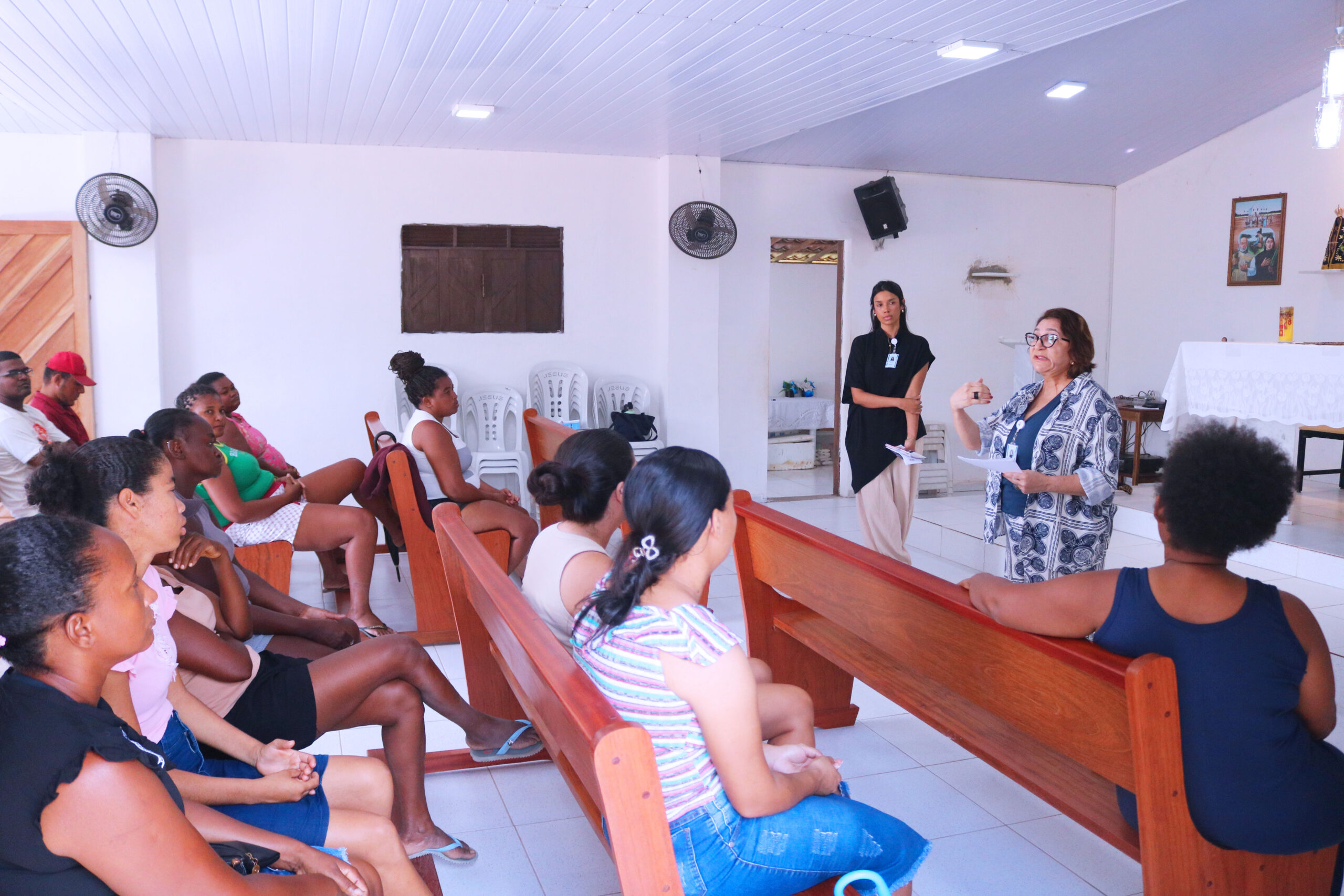
The professional will then register the user and request a referral through a digital system developed by the Institute, for exclusive use by primary care units. From there, the request goes through a complex regulatory process, and the person interested in care will then be welcomed by the ISD team, who will schedule the triage for the ISD CER.
According to Camila Simão, CER ISD coordinator, the change in the inflow strengthens integration between the region's health services and increases the network's effectiveness. "With this new format, we can ensure the patient's connection to primary health care, which is the care provider, thus strengthening intersectoral cooperation and communication between primary care and specialized care. This is crucial to ensuring comprehensive care, one of the principles of the Unified Health System (SUS), and aims to strengthen the Network for People with Disabilities and the efficiency of the Individual Therapeutic Project for each patient accessing the service," she explains.
CER ISD is part of the Unified Health System (SUS) Care Network for People with Disabilities and offers free specialized physical, intellectual, auditory, and visual rehabilitation services. With this new procedure, the Institute seeks to align itself with the public health system's guidelines, fostering integration between primary care and specialized services.
If you have any questions about the new entry flow, users can contact the ISD by calling (84) 4042-0044 or (84) 4042-0033. Service is available from Monday to Friday, from 8 am to 5 pm.
The new flow is expected to soon be expanded to all municipalities in Rio Grande do Norte, considering that CER ISD serves as a statewide reference center for the rehabilitation of people with various types of disabilities. Implementation will be supported by the State Department of Public Health (SESAP), regional health coordinators, and municipal administrations.
Rehabilitation services for people with disabilities
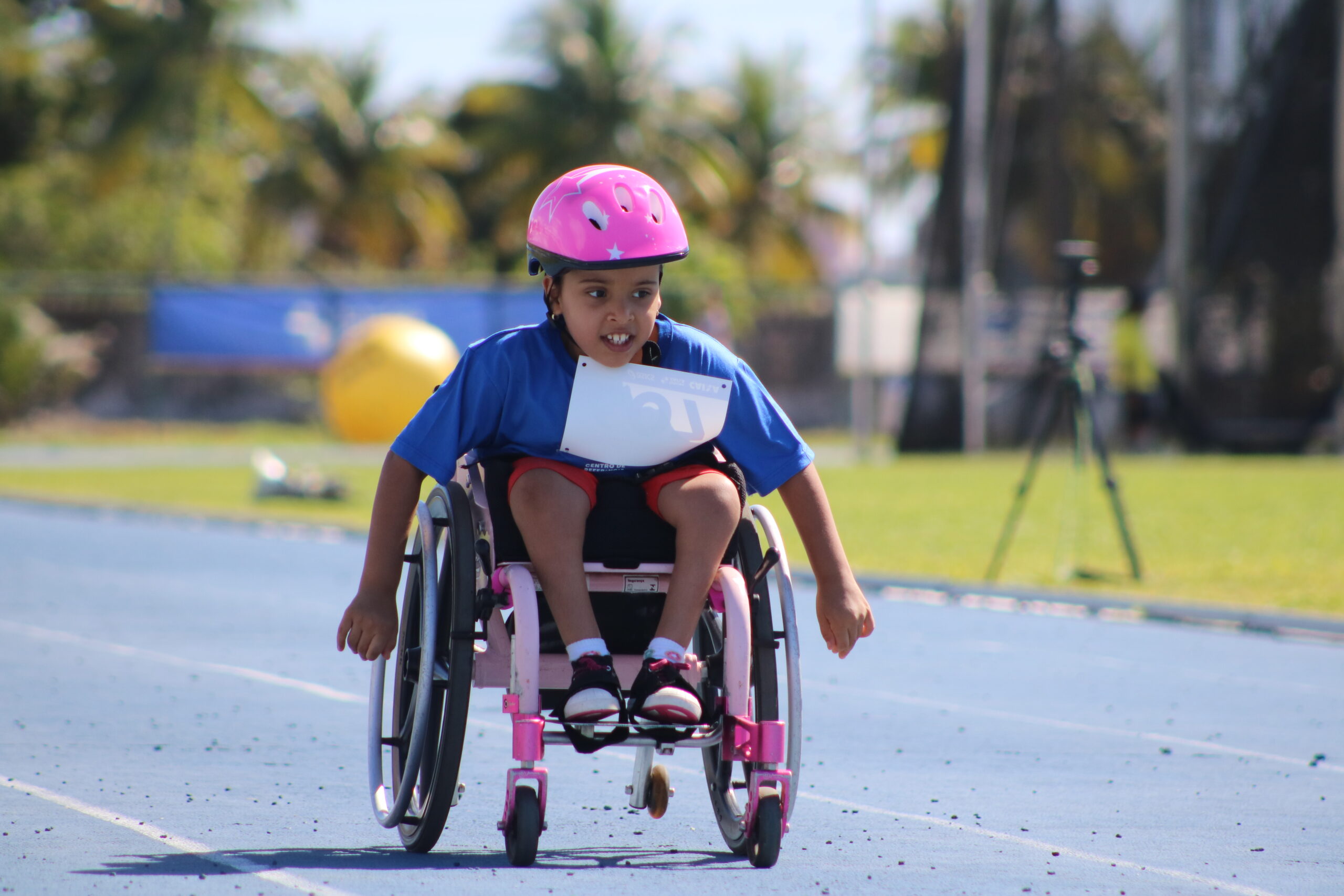
CER ISD offers rehabilitation services in four modalities: physical, intellectual, auditory, and visual. It serves as a reference point in the healthcare network, offering diagnosis, assessment, guidance, and early stimulation for people with disabilities, with the goal of providing functional rehabilitation and improving quality of life.
CER ISD's activities include, among others, the rehabilitation of adults with paraplegia as a result of spinal cord injury, children and adolescents with congenital or acquired spinal cord injury, people with hearing impairments and people with drug-resistant epilepsy.
Services are provided by a multidisciplinary team, focusing on the application of the Singular Therapeutic Project (PTS), an interdisciplinary work tool used to organize patient care, focusing on each person's unique needs and life plan. Thus, the rehabilitation process involves the patient and their family in defining goals and evaluating the process.
About ISD
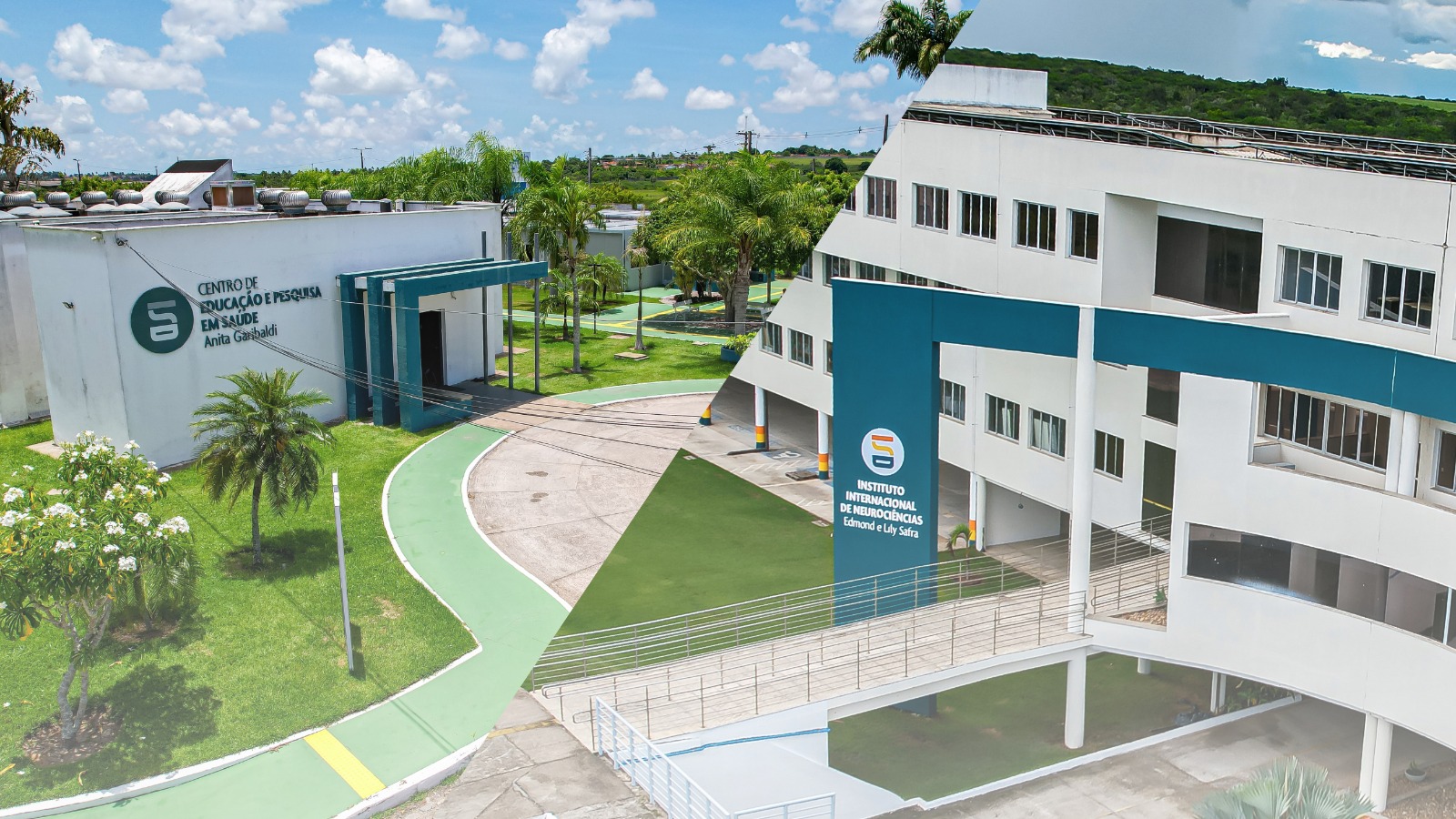
The Santos Dumont Institute is a Social Organization linked to the Ministry of Education (MEC) and includes the Edmond and Lily Safra International Neuroscience Institute and the Anita Garibaldi Health Education and Research Center, both in Macaíba. ISD's mission is to promote education for life, forming citizens through integrated teaching, research and extension actions, in addition to contributing to a fairer and more humane transformation of Brazilian social reality.