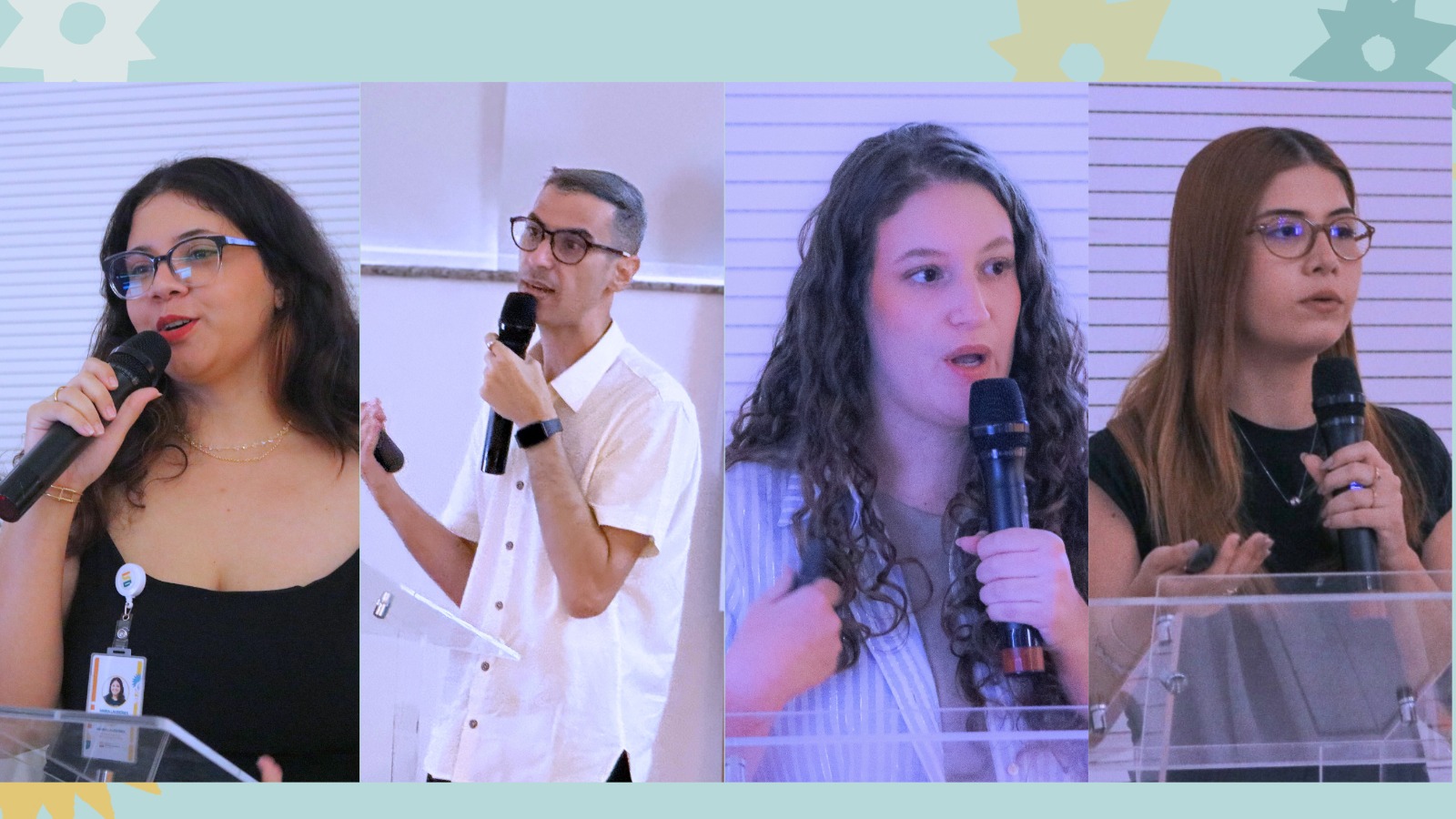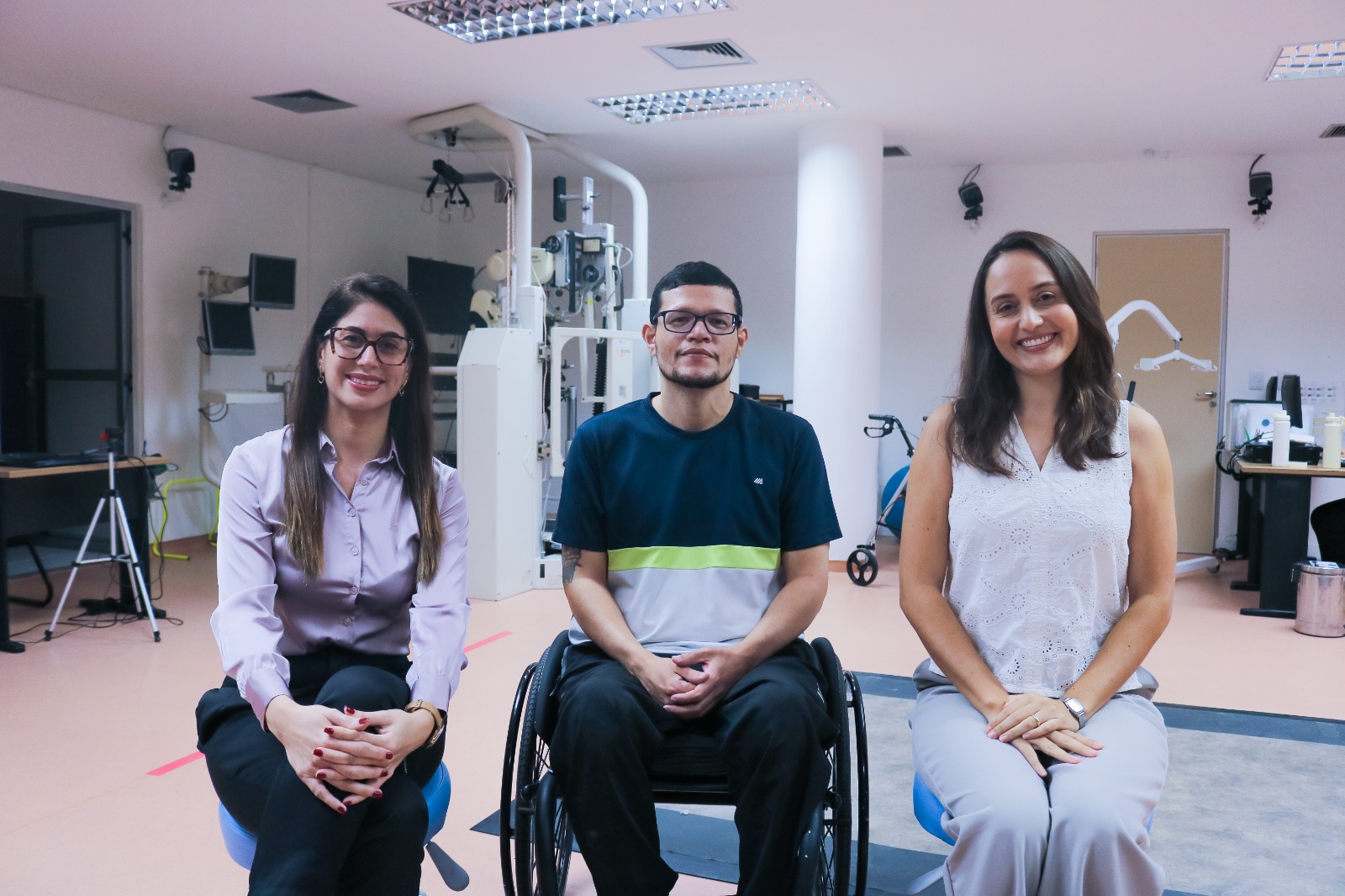



A group formed by researchers from the Santos Dumont Institute (ISD), Federal University of Rio Grande do Norte (UFRN) and University of Brasília (UnB) was awarded at the Virtual Conference on Computational Audiology for a video produced on an experimental protocol that aims to investigate the nervous system and the auditory rehabilitation process using hearing aids.
“Currently, we monitor hearing aid use in a very subjective way. We have protocols to validate hearing aid use, which are basically questionnaires that we base a lot on the satisfaction or some cognitive measures of the user of the device. But in the health service, we do not have an assessment at the level of the central nervous system”, explains Nancy Sotero, a master's student in Neuroengineering and speech therapist who was part of the project.
In addition to her, the study was attended by speech therapists Sheila Andreoli Balen, professor at UFRN and postdoctoral researcher at ISD, and Valéria Reis do Canto Pereira, professor at UnB who also carries out postdoctoral research at ISD; master's students Isabelle Costa de Vasconcelos (UFRN) and Emille Rayanne Arruda Alves (ISD); Scientific Initiation students Thays Alves Monteiro (ISD), speech therapist Danielly Carla Silva Miranda and researcher Edgard Morya, both from ISD.
“The ultimate goal is to evaluate and monitor the listening effort and changes in cortical processing of hearing-impaired individuals resulting from the use of hearing aids, as well as to assist the patient and professionals involved in the auditory rehabilitation process,” explains Valéria do Canto Pereira.
According to Nancy Sotero, the experimental protocol launched by the group is important because it will allow us to better understand why some people are unable to adapt well to hearing aids. “In cases where there is no good adaptation, where the patient says that there are no results or improvements with the use of the device, we do not have information on whether this person is having difficulties at the level of the nervous system or if it is a more cultural problem. This protocol will help to make this understanding more objective,” she highlights.
The tools
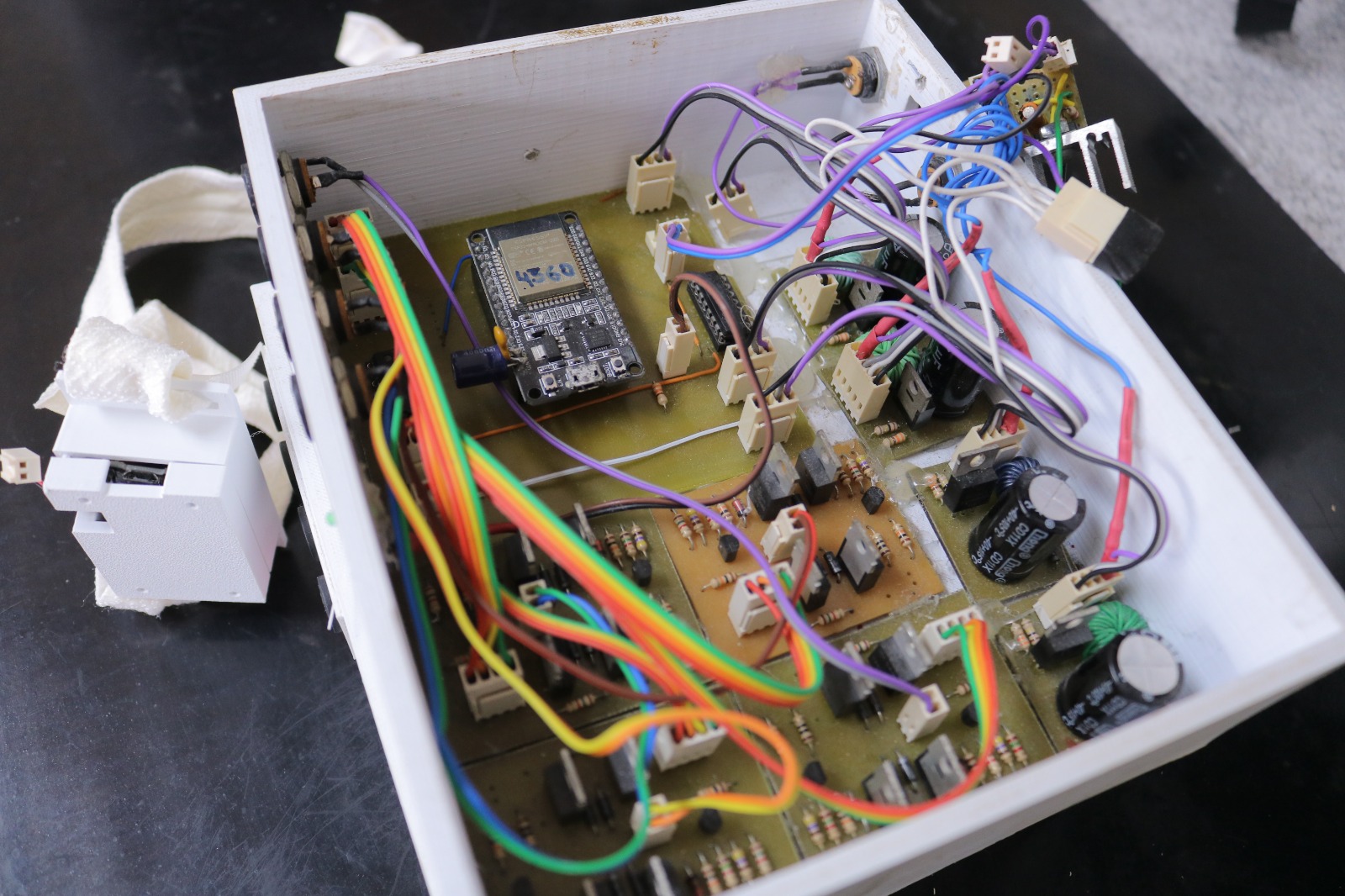
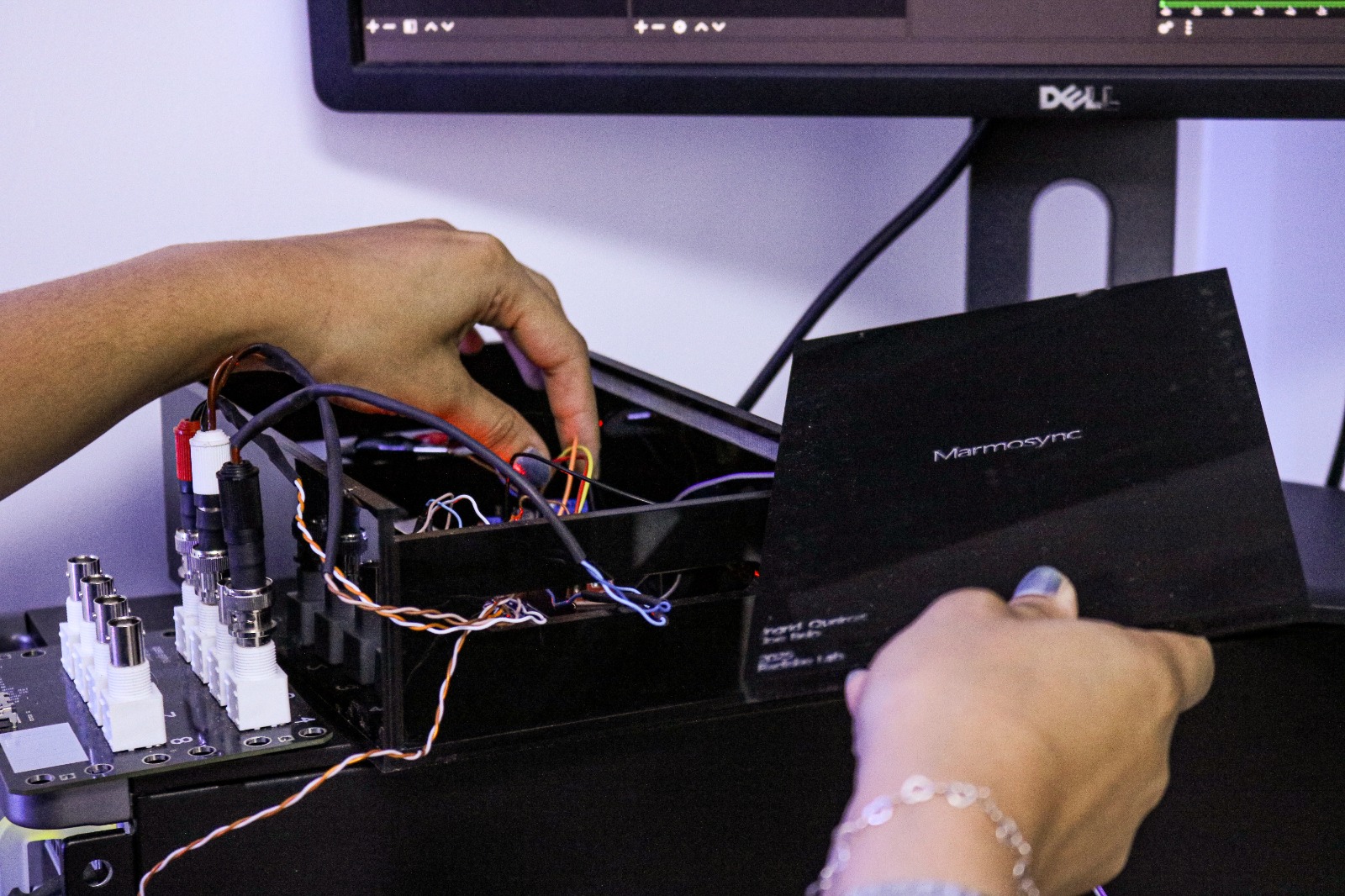
The research involved the evaluation of pupillary measurements and auditory evoked potentials in adults, using an eye-tracker and an electroencephalogram, a non-invasive test that analyzes spontaneous electrical brain activity, captured through the use of electrodes placed on the scalp. The information on the participants' pupils is relevant because the pupillary diameter increases proportionally to the complexity of auditory tasks.
“These are measurements that we use to see two things: the first is whether we can measure any difference in brain activity before or after using the hearing aid. The second is used to see if there is any change in the individual’s listening effort when using the device,” explains Nancy.
According to the evaluation committee responsible for the award, the researchers' work was “original and creative” and has the potential to positively influence the hearing assessments of people who use the devices.
Text: Mariana Ceci / Ascom – ISD
Photograph: Mariana Ceci / Ascom – ISD
Communication Office
comunicacao@isd.org.br
(84) 99416-1880
Santos Dumont Institute (ISD)
It is a Social Organization linked to the Ministry of Education (MEC) and includes the Edmond and Lily Safra International Institute of Neurosciences and the Anita Garibaldi Health Education and Research Center, both in Macaíba. ISD's mission is to promote education for life, forming citizens through integrated teaching, research and extension actions, in addition to contributing to a fairer and more humane transformation of Brazilian social reality.