


Renata Moura
Journalist
Rio Grande do Norte will receive funding from the American Bill & Melinda Gates Foundation – and federal resources – to create an indicator in Brazil that can help prevent cases of “near death” and Deaths in pregnancy, childbirth and postpartum.
The proposal was presented by researchers from the Santos Dumont Institute (ISD) and announced this Tuesday (1st) as one of the 12 selected among 233 registered in the call for proposals “Data science to improve maternal and child health, women's health and child health in Brazil” – launched in August by the Bill & Melinda Gates Foundation in conjunction with the National Council for Scientific and Technological Development (CNPq) and the Department of Science and Technology of the Secretariat of Science, Technology and Strategic Inputs of the Ministry of Health.
Of the total R$ 5.5 million provided for in the notice, R$ 137 thousand will be allocated to the Institute.
The work that will culminate in the indicator will be developed over 18 months, with the start scheduled for 2021.
INNOVATION
The ISD proposal was recognized as having merit and its theme was evaluated by the Social Relevance Committee, which analyzed the projects as “extremely relevant for the SUS”, according to the report that the CNPQ released with the result.
A regional reference in maternal and child health, health for people with disabilities, neuroscience and neuroengineering, the Institute proposes using artificial intelligence to correctly identify and predict cases of “maternal near-miss” – as the records of women who almost die during pregnancy, childbirth or postpartum due to serious complications from hemorrhage, hypertension or infection, for example, are called in English.
“These numbers are not known precisely in Brazil. They are underreported, although they are important indicators of health quality and science recognizes that they need to be studied,” say Abner Rodrigues and Reginaldo Freitas Júnior, researchers who developed the proposal.
A computer scientist and PhD in Bioinformatics with research in the areas of artificial intelligence, signal processing and time series analysis, Rodrigues will coordinate the project with the support of Freitas Júnior, PhD in Medical Sciences, specialist in fetal medicine and national instructor of the Zero Maternal Deaths from Postpartum Hemorrhage Strategy of the Pan American Health Organization and Ministry of Health, in addition to being the general director of the Institute.
“The proposal’s innovation is to create a system based on the use of a set of machine learning algorithms to map and classify cases of maternal near miss that have already been recognized and those that go unnoticed by official records. We will look for patterns in large public databases to arrive at the indicator that will be made available to the government. The expectation is that it will be used to analyze the state of primary care in the municipality or state in this area, as a tool for decision-making to improve quality of life and provide assistance to families.”
DATA
The system proposed by the ISD will classify cases based on patient records available in, for example, the Live Birth Information System (Sinasc), the Hospital Information System (SIH) and the Mortality Information System (SIM), maintained by the federal government. In the case of SIM, data on maternal mortality will be used to identify patterns similar to those observed in near-miss records.
After completing the survey and arriving at the indicators they are looking for, the researchers plan to incorporate socioeconomic information from the patients' region into the artificial intelligence system as the next step, considering one of the variables highlighted in various studies as directly related to maternal near-death: poverty.
“This way, we hope to obtain a more precise and, above all, faster value of the number of maternal near-misses in a region. With this information, it will be possible for public health policy decision-makers to evaluate the impact of the actions and policies implemented and plan the necessary interventions in the public health network,” the researchers add.
The work will be developed with the participation of students from the Master's program in Neuroengineering at Edmond and Lily Safra International Institute of Neurosciences at ISD (IIN-ELS/ISD), what Registration is open until January 17th. Four scholarships will be allocated to the project. The Santos Dumont Institute is a Social Organization linked to the Ministry of Education and is headquartered in Macaíba, Rio Grande do Norte.
Text: Renata Moura – Journalist / Ascom – ISD
Communication Office
comunicacao@isd.org.br
(84) 99416-1880
Santos Dumont Institute (ISD)
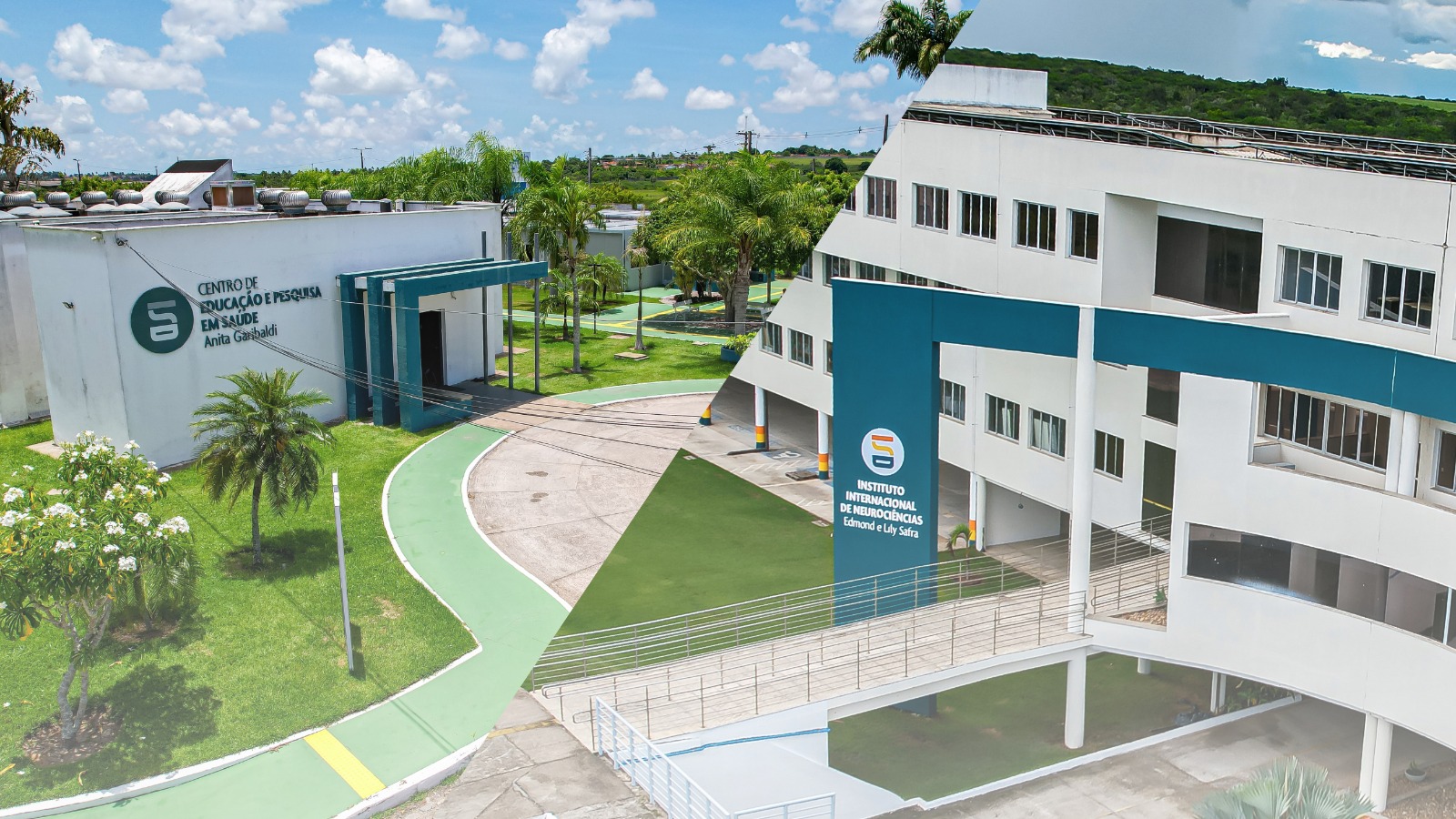
It is a Social Organization linked to the Ministry of Education (MEC) and includes the Edmond and Lily Safra International Institute of Neurosciences and the Anita Garibaldi Health Education and Research Center, both in Macaíba. ISD's mission is to promote education for life, forming citizens through integrated teaching, research and extension actions, in addition to contributing to a fairer and more humane transformation of Brazilian social reality.