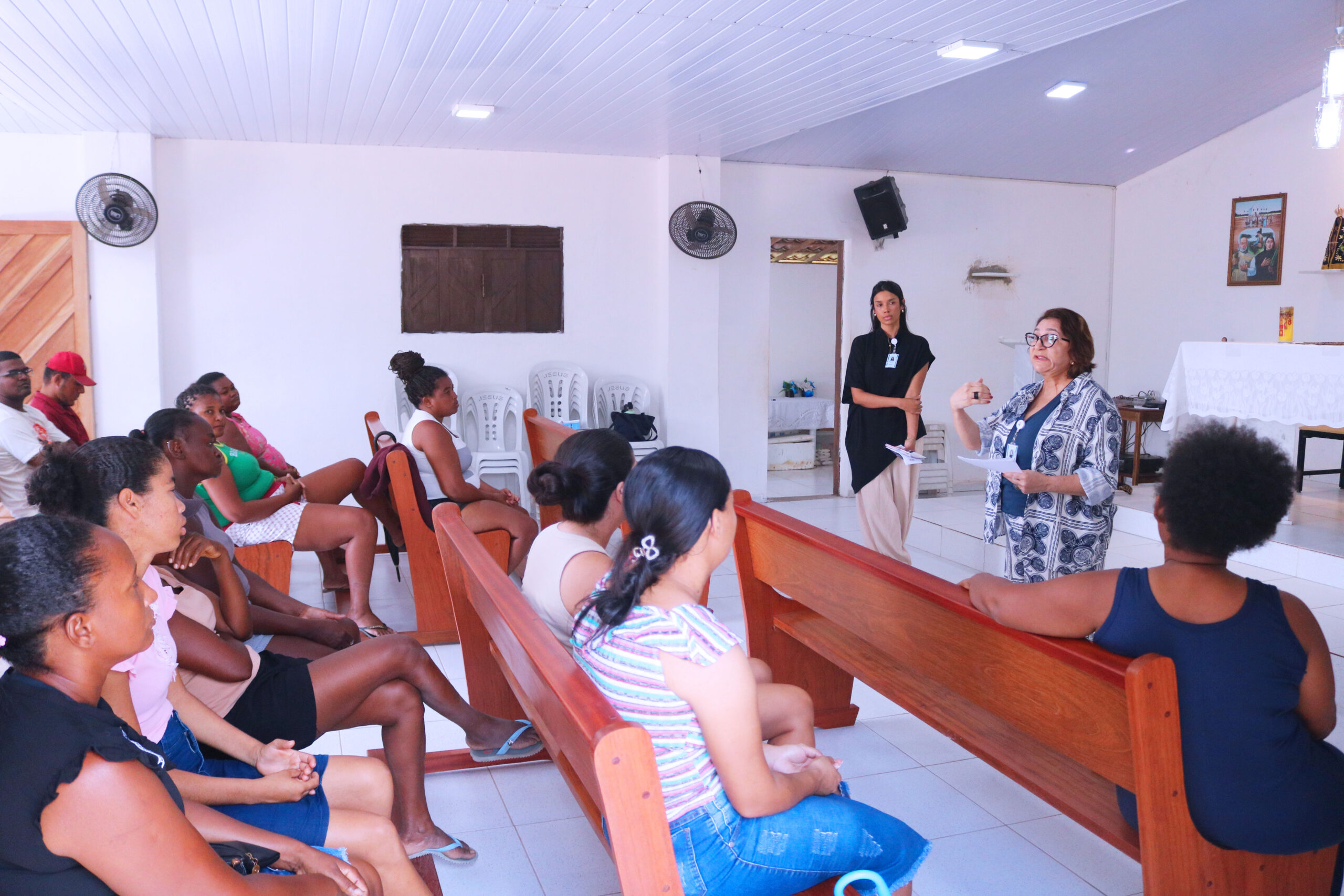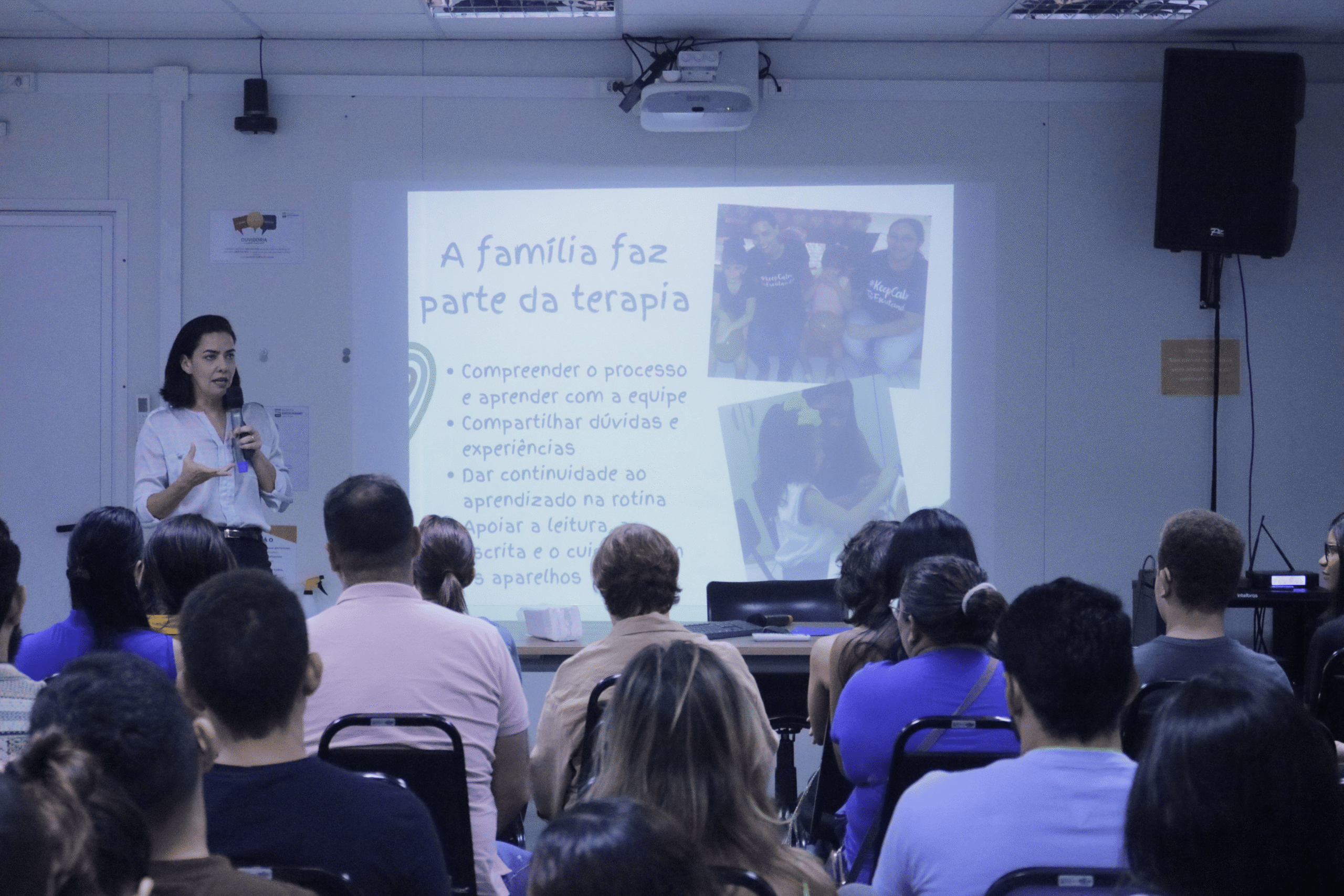


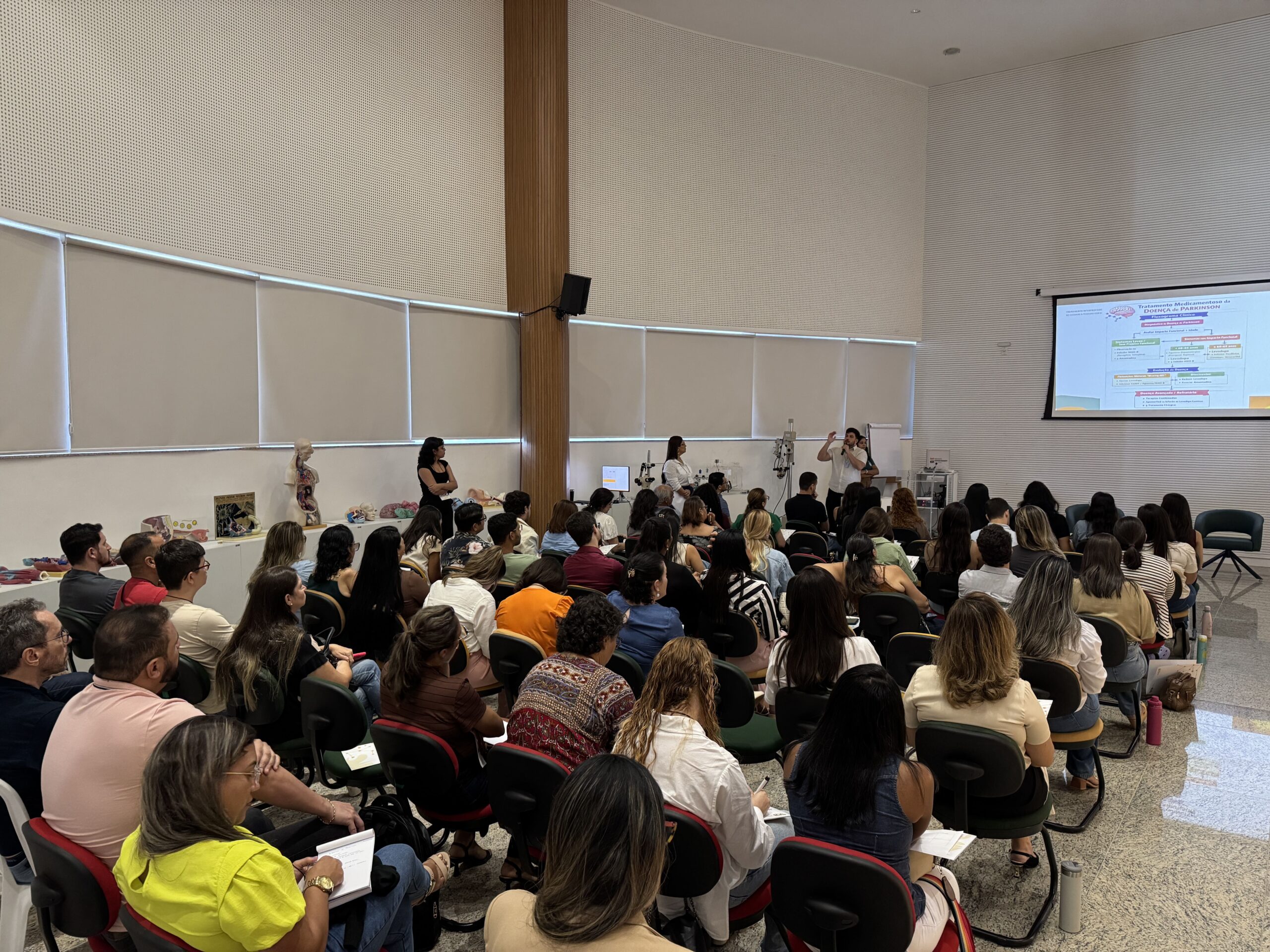
Professionals working in Primary Health Care (PHC) participated, this Monday (6), in a training conducted by the multidisciplinary team of the Parkinson's Disease care line of the Santos Dumont Institute (ISD). The health education activity aimed to discuss tools for early diagnosis and proper management of patients affected by the disease.
The training took place at the Edmond and Lily Safra International Institute of Neuroscience (IIN-ELS), an ISD unit in Macaíba that focuses on care and research related to Parkinson's disease. Approximately 80 primary healthcare professionals from the municipalities of Natal, Parnamirim, Extremoz, São Gonçalo do Amarante, and Macaíba participated in the event; these cities comprise the 7th Regional Health District of Rio Grande do Norte.
The program included lectures led by ISD specialists in neurology, neuropsychology, occupational therapy, speech therapy, and physiotherapy. "This diversity of approaches ensures a broader view of the multidisciplinary team's role in monitoring patients with Parkinson's disease," stated neuropsychologist preceptor Joísa Araújo, who works in the disease care line at the Institute.
The professional emphasized that the training is part of the activities for Parkinson's Disease Awareness Month. The choice of April refers to World Parkinson's Disease Day (April 11), the birthdate of James Parkinson, the British physician who published the first detailed description of the disorder, then called "shaking palsy".
Parkinson's disease is a chronic, progressive, and degenerative illness that affects vital functions such as movement and balance, resulting in slow mobility, tremors, decreased reflexes, and sleep disturbances. The disease compromises the central nervous system, hindering communication between nerve cells, which triggers motor and non-motor symptoms.
According to the medical preceptor and neurologist at ISD, Agábio Diógenes, understanding these different signs is crucial for identifying the disease in its early stages. “Many times Parkinson's is associated only with tremors, but the symptoms are varied and can include everything from muscle rigidity to subtle changes in handwriting or sense of smell. Therefore, healthcare professionals must be attentive to early diagnosis, since the sooner we identify it, the better we can preserve the patient's quality of life,” explained the doctor.
This keen eye on the point of care is what allows the treatment flow to be more effective. "Based on the exchanges made during the training, we were able to strengthen the Parkinson's Disease care pathway through greater integration with the Care Network for People with Disabilities," concluded Joísa Araújo.
About ISD
The Santos Dumont Institute (ISD) is a Social Organization of the Federal Executive Branch, supervised by the Ministry of Education, with the intervention of the Ministry of Sport. It encompasses the Edmond and Lily Safra International Institute of Neuroscience and the Anita Garibaldi Center for Education and Research in Health, both located in Macaíba. The ISD's mission is to promote education for life, forming citizens through integrated teaching, research, and outreach activities, as well as contributing to a more just and humane transformation of Brazilian social reality.