
#PorDentrodoISD: Where are you from and what do students of Medicine, Physiotherapy, Speech Therapy and Psychology learn in practice who do internships at Anita?

Posted in April 23, 2021
Image shows medical students with the infectious disease specialist and medical preceptor at Anita, Carolina Damásio: Teaching | Photo: Kamila Tuenia

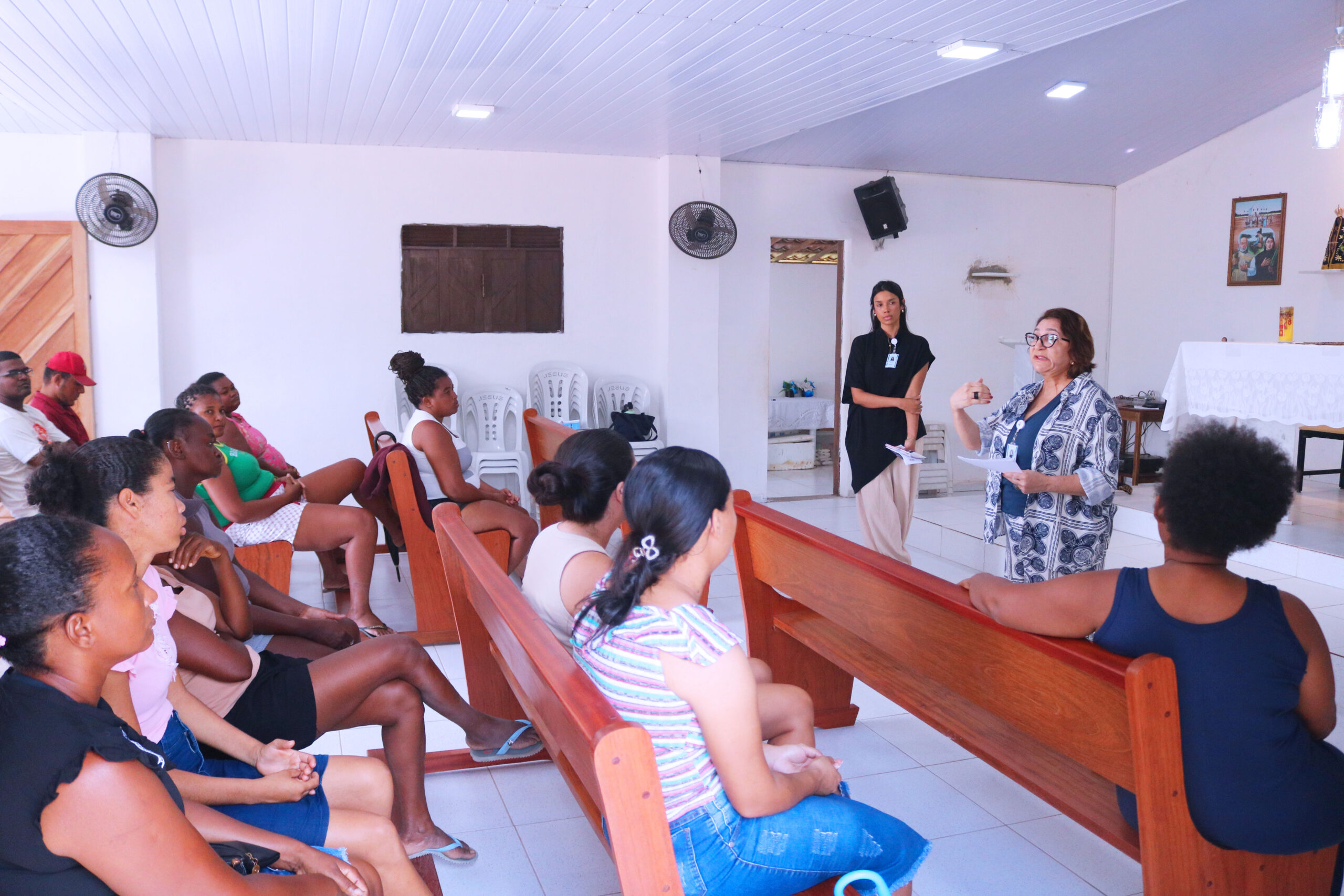
Assist patients, interview them and, when necessary, refer them to other specialties – under the close supervision of the preceptor. These and other activities are part of the routine of care for pregnant women, babies, children and adults in which undergraduate students embark on Mandatory Curricular Internship at the Anita Garibaldi Center for Education and Research in Health (Anita), of the Santos Dumont Institute (ISD), in Macaíba (RN).

The Center, which already received students before the pandemic, assumed this year the position of main field of practice in maternal and child health and people with disabilities for Medicine, Physiotherapy, Speech Therapy and Psychology students at the Federal University of Rio Grande do Norte (UFRN). 

This week alone, 18 students from Multicampi School of Medical Sciences and the University's Central Campus arrived at the clinics. Since January, there have been 186, from UFRN and the State University of RN, UERN, a battalion that already corresponds to more than half of the number registered throughout last year, when 244 interned at the Center. 

The number helps to compose the “Use of installed capacity for mandatory curricular internships for undergraduate students”, one of the Institute's 13 indicators for 2020 that will be analyzed by the Ministry of Education's (MEC) Management Contract Assessment and Monitoring Committee starting this month. 

The Institute's 2020 Annual Report with all indicators will be presented this Monday (26) to the Commission, during a video conference, by the ISD board. Click here to access the full report.

Data is at the heart of the series of reports #PorDentrodoISD, produced by the Institute's Communications Office. 

The series details the main results achieved in the areas of education, scientific production and training during the period. This is the second report. The first, published on April 13, shows how long it takes for graduates to graduate and where they go. Master's Degree in Neuroengineering from the Institute

Click HERE to read.

Goal exceeded, amid challenges

In the case of “Use of installed capacity for mandatory curricular internships for undergraduate students”, the Report shows that the target established for the year 2020 was exceeded, but that UFRN's decision to temporarily suspend the academic calendar due to the pandemic affected the indicator - since the University's students are the majority of those who do internships at the Institute and only the physiotherapy and medicine courses at the central campus returned to in-person practices during the period. 

The return was decided by the university's own course departments, following the necessary protocols to ensure that it occurred safely and within the Ministry of Health's standards, with restrictions on the number of undergraduates per practice scenario. 

“We had a target of 90% for the use of installed capacity for mandatory curricular internships for undergraduate students in 2020 and we carried out 90.7%, generating a range of 100.8%”, said Anita’s manager, Lilian Lisboa, in a meeting held in February this year to present the results to the ISD Board of Directors, the the Institute's highest decision-making body. 

Physiotherapy students are among those doing internships at Anita/ISD: Image shows practical activity at the Center with care for pregnant women | Photo: Renata Moura

The Internship in practice

Neuropsychologist and coordinator of ISD teaching activities, Samantha Maranhão, explains that Anita/ISD, which has always been an “open door” center for students in the health field to get their hands dirty, has consolidated itself as the main field of practice for undergraduate students at UFRN after a year of pandemic and also receives students from UERN. Students of Medicine, Physiotherapy, Speech Therapy and Psychology arrive at Anita every week, coming from different regions of Rio Grande do Norte. 

According to her, the pandemic has led to a shortage of practice areas for students in the health field and Anita has been meeting this demand. 

“During the pandemic, the only practical internship setting that opened was Anita, and we became the main training field for areas that focus on maternal and child health and rehabilitation. There are departments that knock on our door asking to receive students and we have been meeting these demands,” she says. 

In 2020, even in the face of the pandemic, which led to the suspension of activities in the first half of the year, the Institute managed to exceed the agreed target.

The ISD received students from six undergraduate courses throughout the year, five from UFRN and one from UERN. According to the ISD Annual Report, a document that shows the results obtained by the Institute each year, there were more than 9 thousand hours of practice completed by 244 undergraduate students tutored by doctors and the Institute's multidisciplinary team. 

The duration of the internship varies from 8 to 160 hours and is defined by the departments of each course according to their teaching-learning objectives. “We welcome students from health courses according to our main areas of activity and preceptorship. The length of stay varies according to the objective set; there is no exact rule to define this,” explains Samantha Maranhão.

Table shows ISD's installed capacity used by undergraduate students in 2020 for mandatory curricular internships

“We are recovering the rhythm of years before the pandemic”  

In 2021, the number of students who completed internships at Anita already corresponds to more than half of the number recorded last year. As of April 2021, 186 students have completed internships at the Center. 

For the coordinator of teaching activities, who organizes the routines and receives these students, the tendency is to recover the rhythm that the Institute recorded in this number before the pandemic. 

“It’s as if we were recovering the rhythm of the years before the pandemic, even though the pandemic is not over. We are learning in practice new ways of developing teaching activities following the protocols of the Ministry of Health and each department, including including telecare as part of the routine and creating a hybrid teaching-learning system”, explains Samantha. 

According to the 2019 Annual Report, that year the Institute received 381 students to complete mandatory internships. 

One example of this reconstitution of ways of working, teaching and learning is in the Psychology course at UFRN, Santa Cruz campus (Facisa), where students cannot expose themselves when doing in-person internships, according to the department's rules. In this sense, the multidisciplinary team at Anita/ISD has been working to meet this demand and welcome students for remote internships. 

Maternal and Child Health 

For medical students, the routine continues to be in-person.

Last Monday, the Institute received 18 students from the Multicampi School of Medical Sciences and the UFRN Central Campus, and should receive another 19 next Monday (26). 

High-risk prenatal care, infectious diseases during pregnancy, fetal medicine, and child and women's health are the main areas that undergraduates study during their internship at Anita. 

They are accompanied daily by medical preceptors and assist users under supervision, discuss the best paths that can be followed and analyze the cases later. 

For Thiago Bezerra, one of the medical students who make up this week's group, the ISD offers a welcoming and safe practice field, essential factors for activities in the face of a pandemic.

 “From the moment we arrive, we notice a difference in the way we are welcomed, not to mention that the internship provides us with a very rich preceptorship, we are able to see patients and then discuss case by case. It is a very beneficial environment, even for a short time, since I will only be here for a week”, says the student. 

According to the Neuropsychologist and preceptor at the Institute, Samantha Maranhão, at Anita/ISD students are able to fully understand clinical reasoning. 

“They are in the outpatient clinic with a doctor, learning how to do medicine, but they are also in contact with speech therapists, physiotherapists, psychologists, pediatricians and they understand why an infectious disease specialist, for example, refers patients to other specialties. The goal is precisely that, to present students with real-life scenarios so they can get a taste of what lies ahead when they graduate. So, there is a focus on maternal and child health, but they also explore rehabilitation, which characterizes the Center’s interdisciplinary approach,” said Samantha. 

ISD is a reference in areas such as maternal and child health, one of the areas that receives students for internships | Photo: Renata Moura

Rehabilitation 

With regard to physical, auditory and intellectual rehabilitation, the focus of Physiotherapy, Speech Therapy and Psychology students, students have the chance to put into practice the knowledge acquired during their undergraduate studies, also participating in care supervised by preceptors and even carrying out rehabilitation sessions with users. 

These are exercises, techniques, tips on how to perform movements at home, for example, which are part of their daily care in clinics such as the Spinal Cord Injury and Auditory Rehabilitation clinic, which are part of the Specialized Center for Physical, Auditory and Intellectual Rehabilitation (CER III) at Anita. 

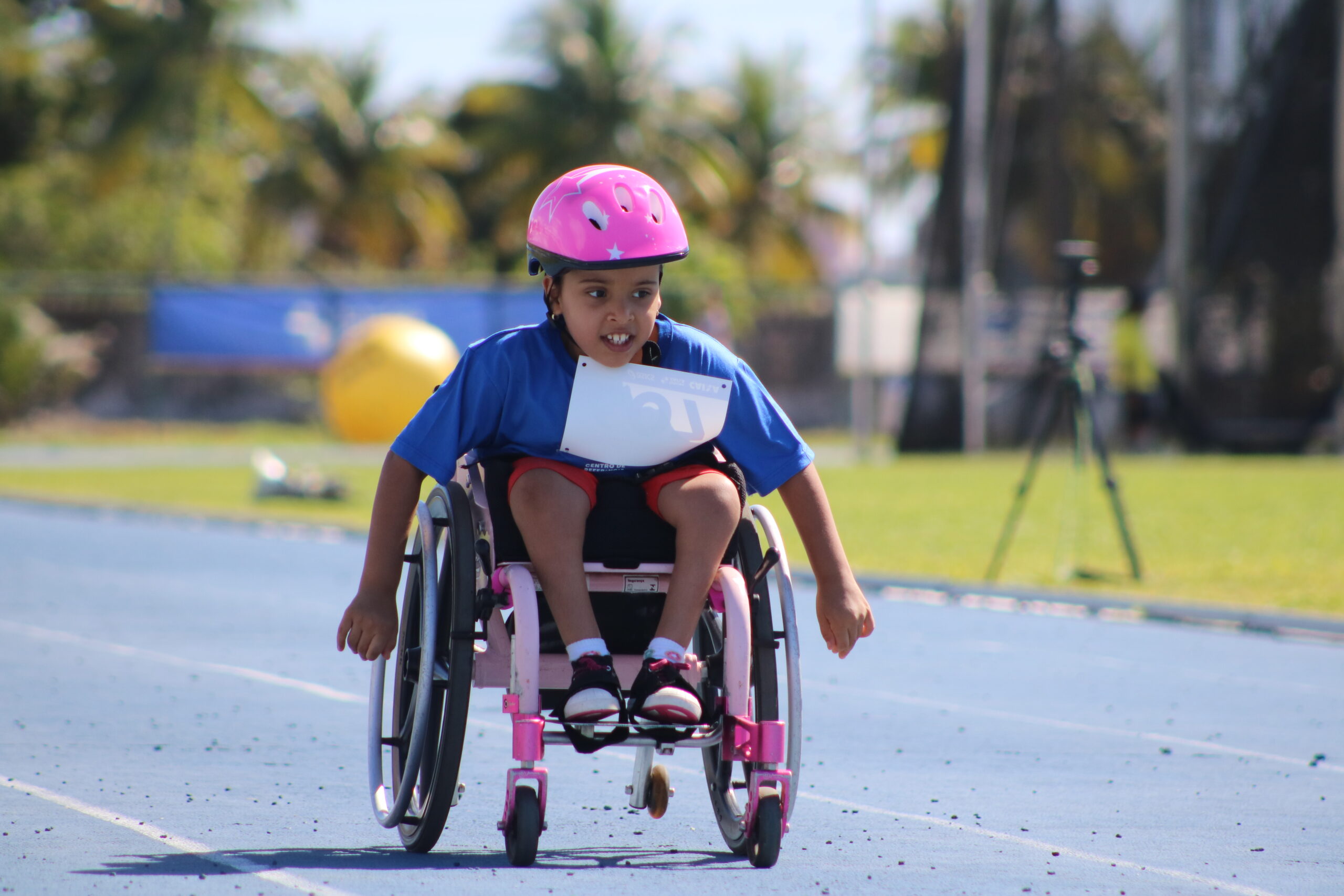
One of the activities aimed at discussing and improving practices in assisting people with disabilities carried out with undergraduates is a simulation, which takes place weekly on Thursdays, taught by Samantha. 

In this simulation, one of the students takes on the role of Dona Lúcia, a 39-year-old woman who is a victim of domestic violence and who, due to the abuse of her ex-husband and father of her first daughter, has acquired motor and hearing disabilities. Now separated and with a new partner, she dreams of having a second child and seeks medical advice. 

According to Samantha, the simulation was designed to meet the need for practical training in healthcare for people with disabilities during medical training. Was appropriate language used with Ms. Lúcia? Did the professional make eye contact with her at the same level as she was in the wheelchair? Did he ask about the best way to examine her? Did he pay attention to her disabilities? Did he address the issue of family planning? These are some of the analyses made based on the simulation of the care, in which other students interpreted the doctor who was treating her or made observations for later discussion. 

For the coordinator of teaching activities at ISD, Samantha Maranhão, who organizes the routines and welcomes students, the trend is to recover the rhythm that the Institute recorded in internships in the pre-pandemic period | Photo: Ariane Mondo

Indicators and results

The Santos Dumont Institute is a non-profit Social Organization financed by the Ministry of Education and every six months presents to the Ministry a report of results related to 13 performance indicators involving areas such as education, scientific production and management with goals set out in the contract with the MEC.

The Monitoring and Evaluation Committee of the Management Contract of the Ministry of Education that will analyze the document brings together specialists linked to universities and other Federal Government bodies qualified in the area of activity of Social Organizations and has, from the presentation of the ISD Annual Report, five days to evaluate and produce the monitoring report, in feedback on the results presented by the Institute. 

Expectations for the Institute's annual assessment are positive, according to ISD's administrative director, Jovan Gadioli. “Despite the pandemic, we were able to achieve success in most of the performance indicators, so expectations are positive because we were able to obtain good results even in the face of the pandemic. In the half-year period, there was little tendency to meet most of the goals, and in the second half of the year we were able to successfully reverse this scenario,” he says. 

The Monitoring and Evaluation Committee of the Ministry of Education Management Contract is composed of Ângela Maria Santana Carvalho, president of the committee and specialist in technology and innovation, Fábio César Braga, from the São Paulo State University (Unesp), Felipe Von Glehn, from the State University of Campinas (Unicamp), Lúcia Christina Iochida, from the MEC Higher Education Secretariat, Renato Evangelista de Araújo, from the Federal University of Pernambuco (UFPE) and Sylvia Helena Figueiredo, representative of the Ministry of Economy.  
Report: Kamila Tuenia – Journalism Intern / Ascom – ISD

Supervision and text editing: Renata Moura – Journalist / Ascom – ISD

Communication Office
comunicacao@isd.org.br
(84) 99416-1880

Santos Dumont Institute (ISD)

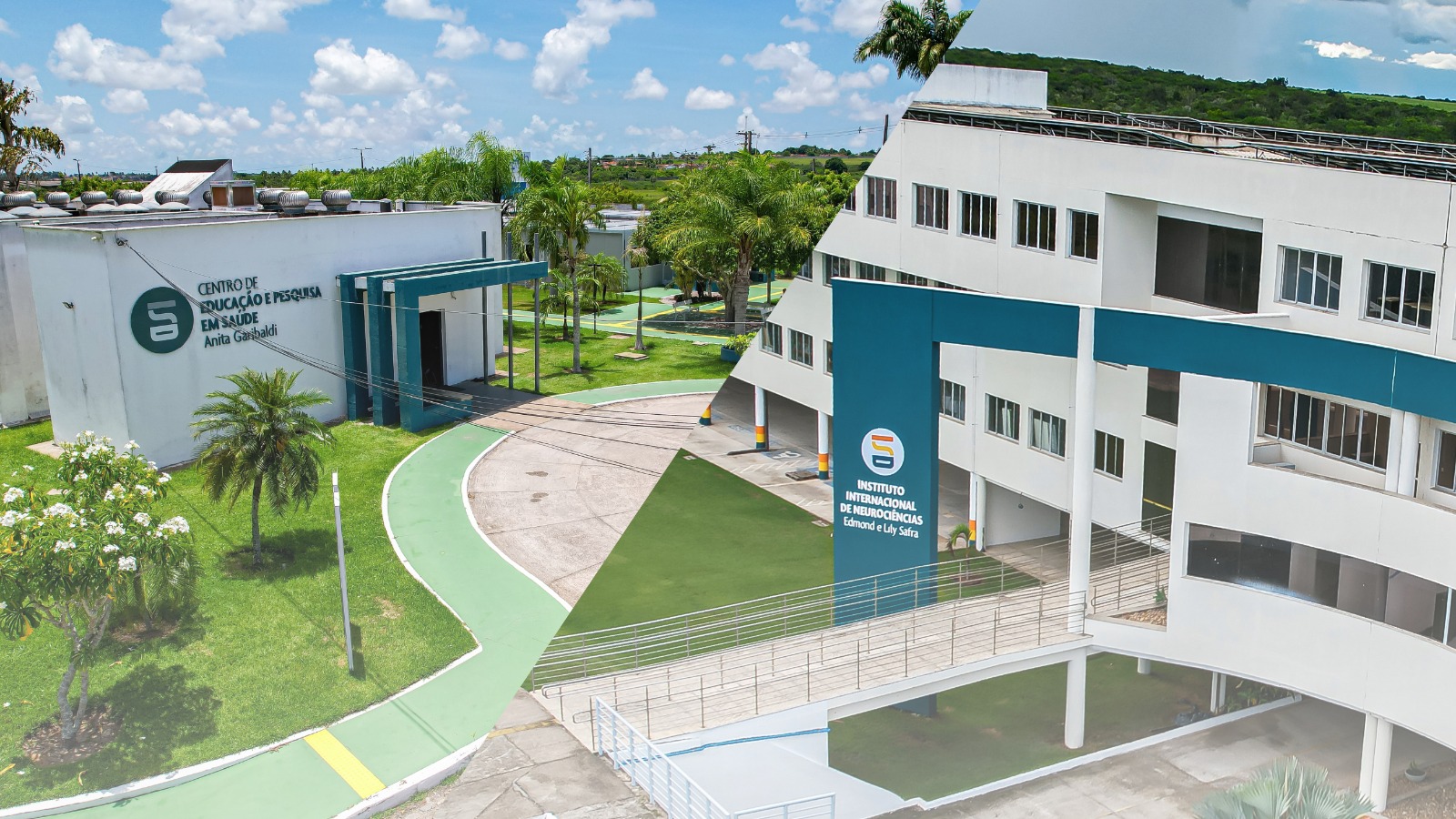
It is a Social Organization linked to the Ministry of Education (MEC) and includes the Edmond and Lily Safra International Institute of Neurosciences and the Anita Garibaldi Health Education and Research Center, both in Macaíba. ISD's mission is to promote education for life, forming citizens through integrated teaching, research and extension actions, in addition to contributing to a fairer and more humane transformation of Brazilian social reality.

Communication Office
comunicacao@isd.org.br
(84) 99416-1880

Share this news

Recommended

More news

#PorDentrodoISD: Where are you from and what do students of Medicine, Physiotherapy, Speech Therapy and Psychology learn in practice who do internships at Anita?

Image shows medical students with the infectious disease specialist and medical preceptor at Anita, Carolina Damásio: Teaching | Photo: Kamila Tuenia

Assist patients, interview them and, when necessary, refer them to other specialties – under the close supervision of the preceptor. These and other activities are part of the routine of care for pregnant women, babies, children and adults in which undergraduate students embark on Mandatory Curricular Internship at the Anita Garibaldi Center for Education and Research in Health (Anita), of the Santos Dumont Institute (ISD), in Macaíba (RN).

The Center, which already received students before the pandemic, assumed this year the position of main field of practice in maternal and child health and people with disabilities for Medicine, Physiotherapy, Speech Therapy and Psychology students at the Federal University of Rio Grande do Norte (UFRN). 

This week alone, 18 students from Multicampi School of Medical Sciences and the University's Central Campus arrived at the clinics. Since January, there have been 186, from UFRN and the State University of RN, UERN, a battalion that already corresponds to more than half of the number registered throughout last year, when 244 interned at the Center. 

The number helps to compose the “Use of installed capacity for mandatory curricular internships for undergraduate students”, one of the Institute's 13 indicators for 2020 that will be analyzed by the Ministry of Education's (MEC) Management Contract Assessment and Monitoring Committee starting this month. 

The Institute's 2020 Annual Report with all indicators will be presented this Monday (26) to the Commission, during a video conference, by the ISD board. Click here to access the full report.

Data is at the heart of the series of reports #PorDentrodoISD, produced by the Institute's Communications Office. 

The series details the main results achieved in the areas of education, scientific production and training during the period. This is the second report. The first, published on April 13, shows how long it takes for graduates to graduate and where they go. Master's Degree in Neuroengineering from the Institute

Click HERE to read.

Goal exceeded, amid challenges

In the case of “Use of installed capacity for mandatory curricular internships for undergraduate students”, the Report shows that the target established for the year 2020 was exceeded, but that UFRN's decision to temporarily suspend the academic calendar due to the pandemic affected the indicator - since the University's students are the majority of those who do internships at the Institute and only the physiotherapy and medicine courses at the central campus returned to in-person practices during the period. 

The return was decided by the university's own course departments, following the necessary protocols to ensure that it occurred safely and within the Ministry of Health's standards, with restrictions on the number of undergraduates per practice scenario. 

“We had a target of 90% for the use of installed capacity for mandatory curricular internships for undergraduate students in 2020 and we carried out 90.7%, generating a range of 100.8%”, said Anita’s manager, Lilian Lisboa, in a meeting held in February this year to present the results to the ISD Board of Directors, the the Institute's highest decision-making body. 

Physiotherapy students are among those doing internships at Anita/ISD: Image shows practical activity at the Center with care for pregnant women | Photo: Renata Moura

The Internship in practice

Neuropsychologist and coordinator of ISD teaching activities, Samantha Maranhão, explains that Anita/ISD, which has always been an “open door” center for students in the health field to get their hands dirty, has consolidated itself as the main field of practice for undergraduate students at UFRN after a year of pandemic and also receives students from UERN. Students of Medicine, Physiotherapy, Speech Therapy and Psychology arrive at Anita every week, coming from different regions of Rio Grande do Norte. 

According to her, the pandemic has led to a shortage of practice areas for students in the health field and Anita has been meeting this demand. 

“During the pandemic, the only practical internship setting that opened was Anita, and we became the main training field for areas that focus on maternal and child health and rehabilitation. There are departments that knock on our door asking to receive students and we have been meeting these demands,” she says. 

In 2020, even in the face of the pandemic, which led to the suspension of activities in the first half of the year, the Institute managed to exceed the agreed target.

The ISD received students from six undergraduate courses throughout the year, five from UFRN and one from UERN. According to the ISD Annual Report, a document that shows the results obtained by the Institute each year, there were more than 9 thousand hours of practice completed by 244 undergraduate students tutored by doctors and the Institute's multidisciplinary team. 

The duration of the internship varies from 8 to 160 hours and is defined by the departments of each course according to their teaching-learning objectives. “We welcome students from health courses according to our main areas of activity and preceptorship. The length of stay varies according to the objective set; there is no exact rule to define this,” explains Samantha Maranhão.

Table shows ISD's installed capacity used by undergraduate students in 2020 for mandatory curricular internships

“We are recovering the rhythm of years before the pandemic”  

In 2021, the number of students who completed internships at Anita already corresponds to more than half of the number recorded last year. As of April 2021, 186 students have completed internships at the Center. 

For the coordinator of teaching activities, who organizes the routines and receives these students, the tendency is to recover the rhythm that the Institute recorded in this number before the pandemic. 

“It’s as if we were recovering the rhythm of the years before the pandemic, even though the pandemic is not over. We are learning in practice new ways of developing teaching activities following the protocols of the Ministry of Health and each department, including including telecare as part of the routine and creating a hybrid teaching-learning system”, explains Samantha. 

According to the 2019 Annual Report, that year the Institute received 381 students to complete mandatory internships. 

One example of this reconstitution of ways of working, teaching and learning is in the Psychology course at UFRN, Santa Cruz campus (Facisa), where students cannot expose themselves when doing in-person internships, according to the department's rules. In this sense, the multidisciplinary team at Anita/ISD has been working to meet this demand and welcome students for remote internships. 

Maternal and Child Health 

For medical students, the routine continues to be in-person.

Last Monday, the Institute received 18 students from the Multicampi School of Medical Sciences and the UFRN Central Campus, and should receive another 19 next Monday (26). 

High-risk prenatal care, infectious diseases during pregnancy, fetal medicine, and child and women's health are the main areas that undergraduates study during their internship at Anita. 

They are accompanied daily by medical preceptors and assist users under supervision, discuss the best paths that can be followed and analyze the cases later. 

For Thiago Bezerra, one of the medical students who make up this week's group, the ISD offers a welcoming and safe practice field, essential factors for activities in the face of a pandemic.

 “From the moment we arrive, we notice a difference in the way we are welcomed, not to mention that the internship provides us with a very rich preceptorship, we are able to see patients and then discuss case by case. It is a very beneficial environment, even for a short time, since I will only be here for a week”, says the student. 

According to the Neuropsychologist and preceptor at the Institute, Samantha Maranhão, at Anita/ISD students are able to fully understand clinical reasoning. 

“They are in the outpatient clinic with a doctor, learning how to do medicine, but they are also in contact with speech therapists, physiotherapists, psychologists, pediatricians and they understand why an infectious disease specialist, for example, refers patients to other specialties. The goal is precisely that, to present students with real-life scenarios so they can get a taste of what lies ahead when they graduate. So, there is a focus on maternal and child health, but they also explore rehabilitation, which characterizes the Center’s interdisciplinary approach,” said Samantha. 

ISD is a reference in areas such as maternal and child health, one of the areas that receives students for internships | Photo: Renata Moura

Rehabilitation 

With regard to physical, auditory and intellectual rehabilitation, the focus of Physiotherapy, Speech Therapy and Psychology students, students have the chance to put into practice the knowledge acquired during their undergraduate studies, also participating in care supervised by preceptors and even carrying out rehabilitation sessions with users. 

These are exercises, techniques, tips on how to perform movements at home, for example, which are part of their daily care in clinics such as the Spinal Cord Injury and Auditory Rehabilitation clinic, which are part of the Specialized Center for Physical, Auditory and Intellectual Rehabilitation (CER III) at Anita. 

One of the activities aimed at discussing and improving practices in assisting people with disabilities carried out with undergraduates is a simulation, which takes place weekly on Thursdays, taught by Samantha. 

In this simulation, one of the students takes on the role of Dona Lúcia, a 39-year-old woman who is a victim of domestic violence and who, due to the abuse of her ex-husband and father of her first daughter, has acquired motor and hearing disabilities. Now separated and with a new partner, she dreams of having a second child and seeks medical advice. 

According to Samantha, the simulation was designed to meet the need for practical training in healthcare for people with disabilities during medical training. Was appropriate language used with Ms. Lúcia? Did the professional make eye contact with her at the same level as she was in the wheelchair? Did he ask about the best way to examine her? Did he pay attention to her disabilities? Did he address the issue of family planning? These are some of the analyses made based on the simulation of the care, in which other students interpreted the doctor who was treating her or made observations for later discussion. 

For the coordinator of teaching activities at ISD, Samantha Maranhão, who organizes the routines and welcomes students, the trend is to recover the rhythm that the Institute recorded in internships in the pre-pandemic period | Photo: Ariane Mondo

Indicators and results

The Santos Dumont Institute is a non-profit Social Organization financed by the Ministry of Education and every six months presents to the Ministry a report of results related to 13 performance indicators involving areas such as education, scientific production and management with goals set out in the contract with the MEC.

The Monitoring and Evaluation Committee of the Management Contract of the Ministry of Education that will analyze the document brings together specialists linked to universities and other Federal Government bodies qualified in the area of activity of Social Organizations and has, from the presentation of the ISD Annual Report, five days to evaluate and produce the monitoring report, in feedback on the results presented by the Institute. 

Expectations for the Institute's annual assessment are positive, according to ISD's administrative director, Jovan Gadioli. “Despite the pandemic, we were able to achieve success in most of the performance indicators, so expectations are positive because we were able to obtain good results even in the face of the pandemic. In the half-year period, there was little tendency to meet most of the goals, and in the second half of the year we were able to successfully reverse this scenario,” he says. 

The Monitoring and Evaluation Committee of the Ministry of Education Management Contract is composed of Ângela Maria Santana Carvalho, president of the committee and specialist in technology and innovation, Fábio César Braga, from the São Paulo State University (Unesp), Felipe Von Glehn, from the State University of Campinas (Unicamp), Lúcia Christina Iochida, from the MEC Higher Education Secretariat, Renato Evangelista de Araújo, from the Federal University of Pernambuco (UFPE) and Sylvia Helena Figueiredo, representative of the Ministry of Economy.  
Report: Kamila Tuenia – Journalism Intern / Ascom – ISD

Supervision and text editing: Renata Moura – Journalist / Ascom – ISD

Communication Office
comunicacao@isd.org.br
(84) 99416-1880

Santos Dumont Institute (ISD)

It is a Social Organization linked to the Ministry of Education (MEC) and includes the Edmond and Lily Safra International Institute of Neurosciences and the Anita Garibaldi Health Education and Research Center, both in Macaíba. ISD's mission is to promote education for life, forming citizens through integrated teaching, research and extension actions, in addition to contributing to a fairer and more humane transformation of Brazilian social reality.

Communication Office
comunicacao@isd.org.br
(84) 99416-1880

Share this news