

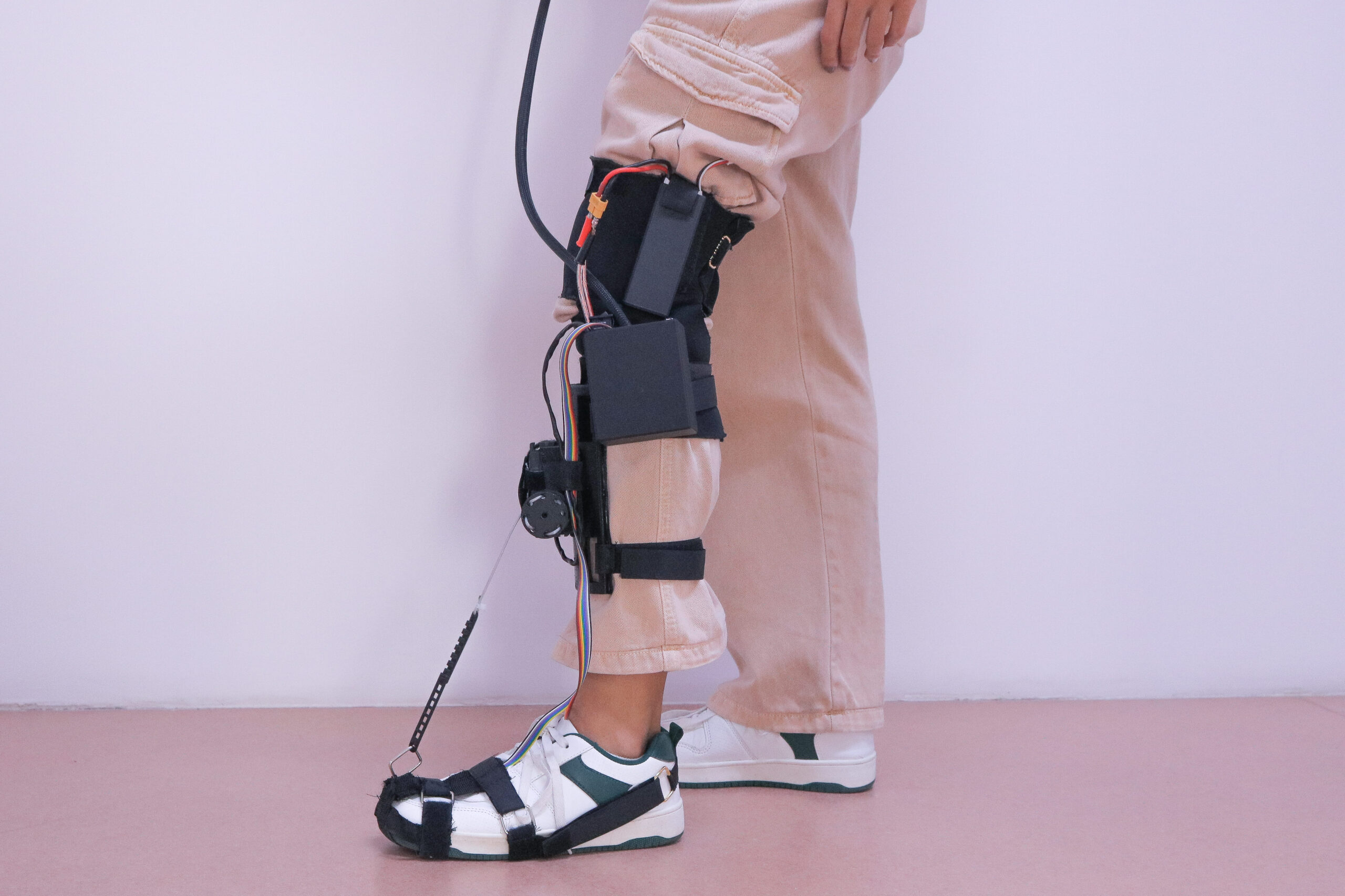
The Postgraduate Program in Neuroengineering (PPGN) at the Santos Dumont Institute (ISD) is accepting applications from volunteers who wish to participate in a research study on the use of lower limb exoskeletons. The study is specifically aimed at people living with Foot Drop Syndrome and seeks to understand how this technology can improve gait patterns and patient autonomy.
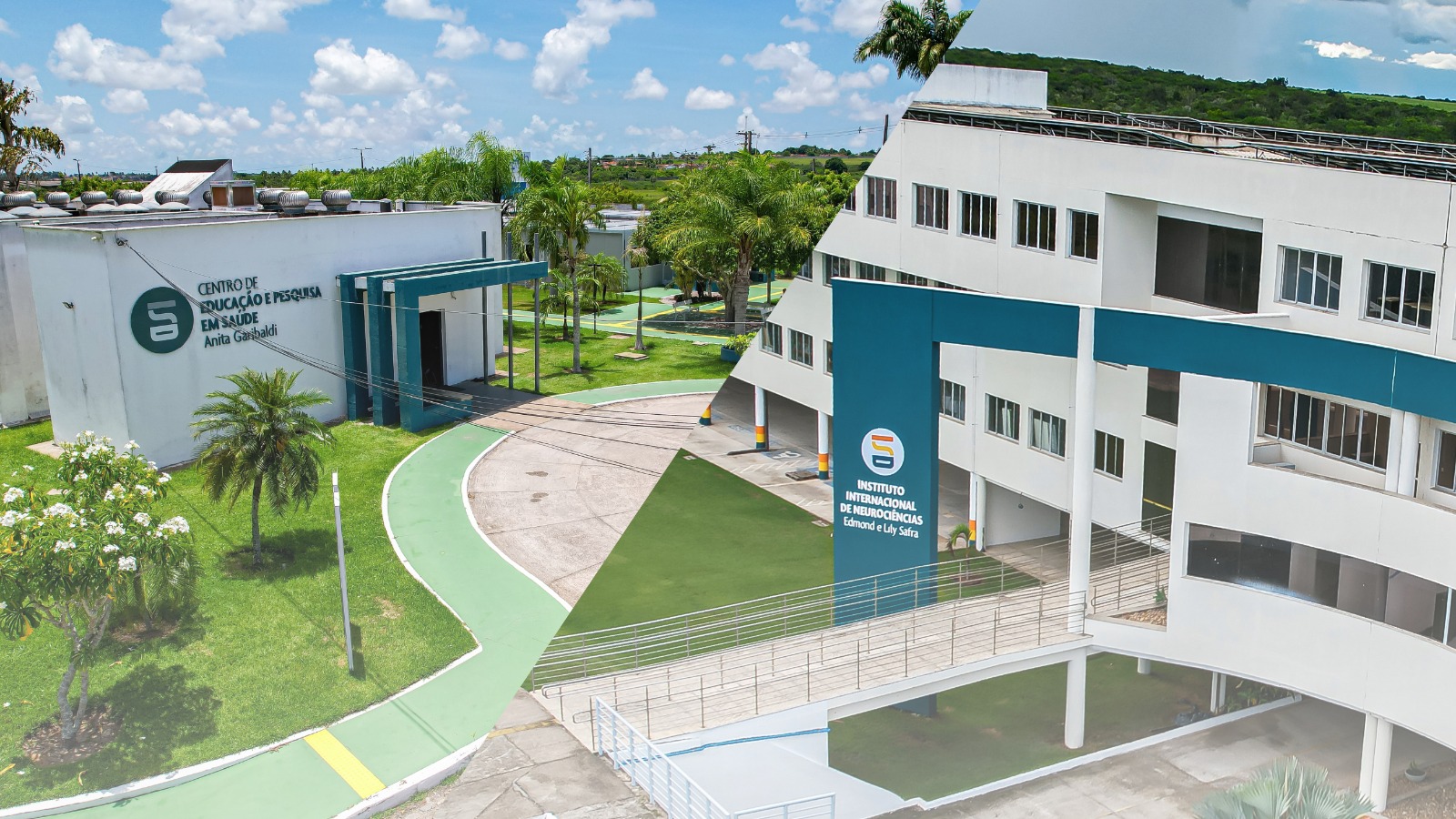
Individuals aged 18 to 65 who have been diagnosed with or show signs of Foot Drop Syndrome, a condition characterized by difficulty or inability to lift the front part of the foot, are eligible to participate in the research. In addition to the clinical criteria, participants must be available to attend in-person stages of the study at the facilities of the Edmond and Lily Safra International Institute of Neuroscience (IIN-ELS) in Macaíba, Rio Grande do Norte, Brazil.
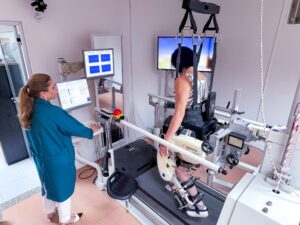
Participants will undergo detailed movement assessments using validated imaging systems and high-precision scales. The unique aspect of this research is the walking sessions conducted with the aid of an exoskeleton designed to support the lower limbs.
The main objective is to compare gait patterns before and after the technological intervention, verifying gains in walking quality and generating essential data for improving the equipment. The research is being conducted by master's student Ana Luiza Matos, under the guidance of professor-researcher Fabrício Brasil.
How to apply
To apply for the volunteer selection process, interested parties must complete the form. online form, available at the following address: bit.ly/4ceA7Xo.
Participation is entirely voluntary and for purely scientific purposes, and is not linked to the regular healthcare services provided by the ISD.
Foot Drop Syndrome
Foot drop syndrome is the inability or weakness to lift the front part of the foot (dorsiflexion). It is characterized by dragging the toes while walking, requiring compensatory movements such as excessively raising the knee (steppage gait) or hip (scissor gait). It usually results from injury to the peroneal nerve, herniated disc, stroke, or neuropathies.
About ISD
The Santos Dumont Institute (ISD) is a Social Organization of the Federal Executive Branch, supervised by the Ministry of Education, with the intervention of the Ministry of Sport. It encompasses the Edmond and Lily Safra International Institute of Neuroscience and the Anita Garibaldi Center for Education and Research in Health, both located in Macaíba. The ISD's mission is to promote education for life, forming citizens through integrated teaching, research, and outreach activities, as well as contributing to a more just and humane transformation of Brazilian social reality.