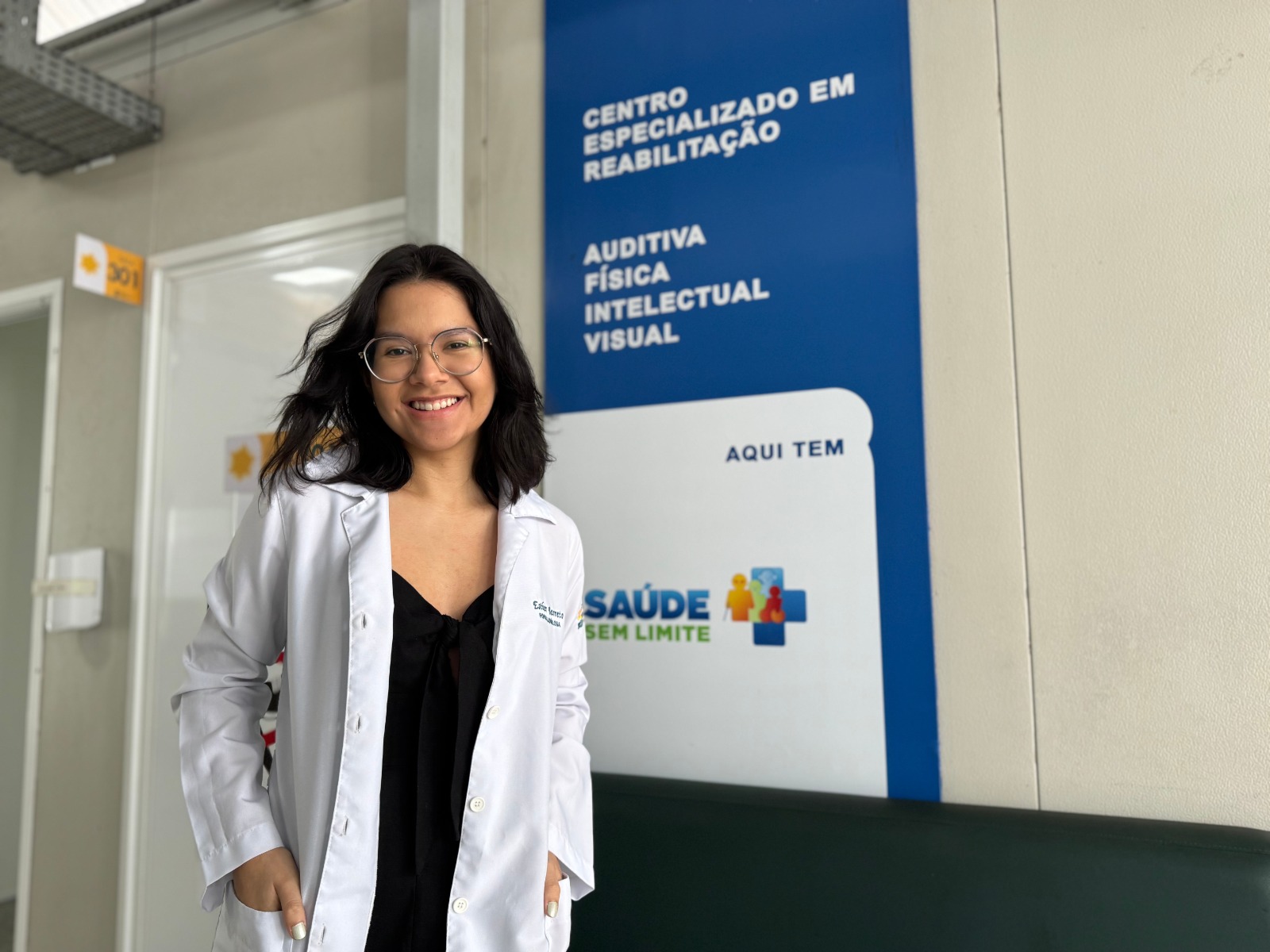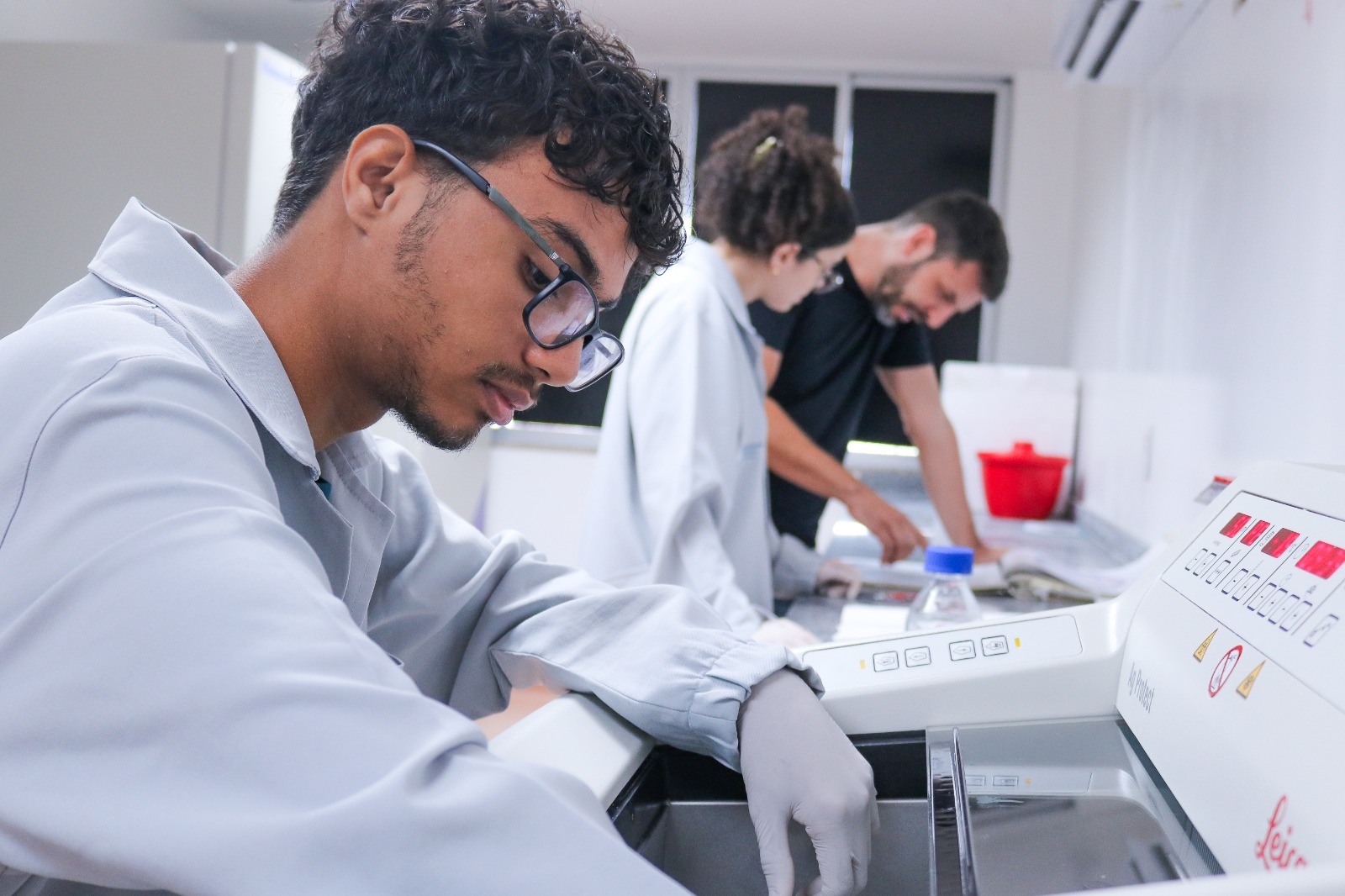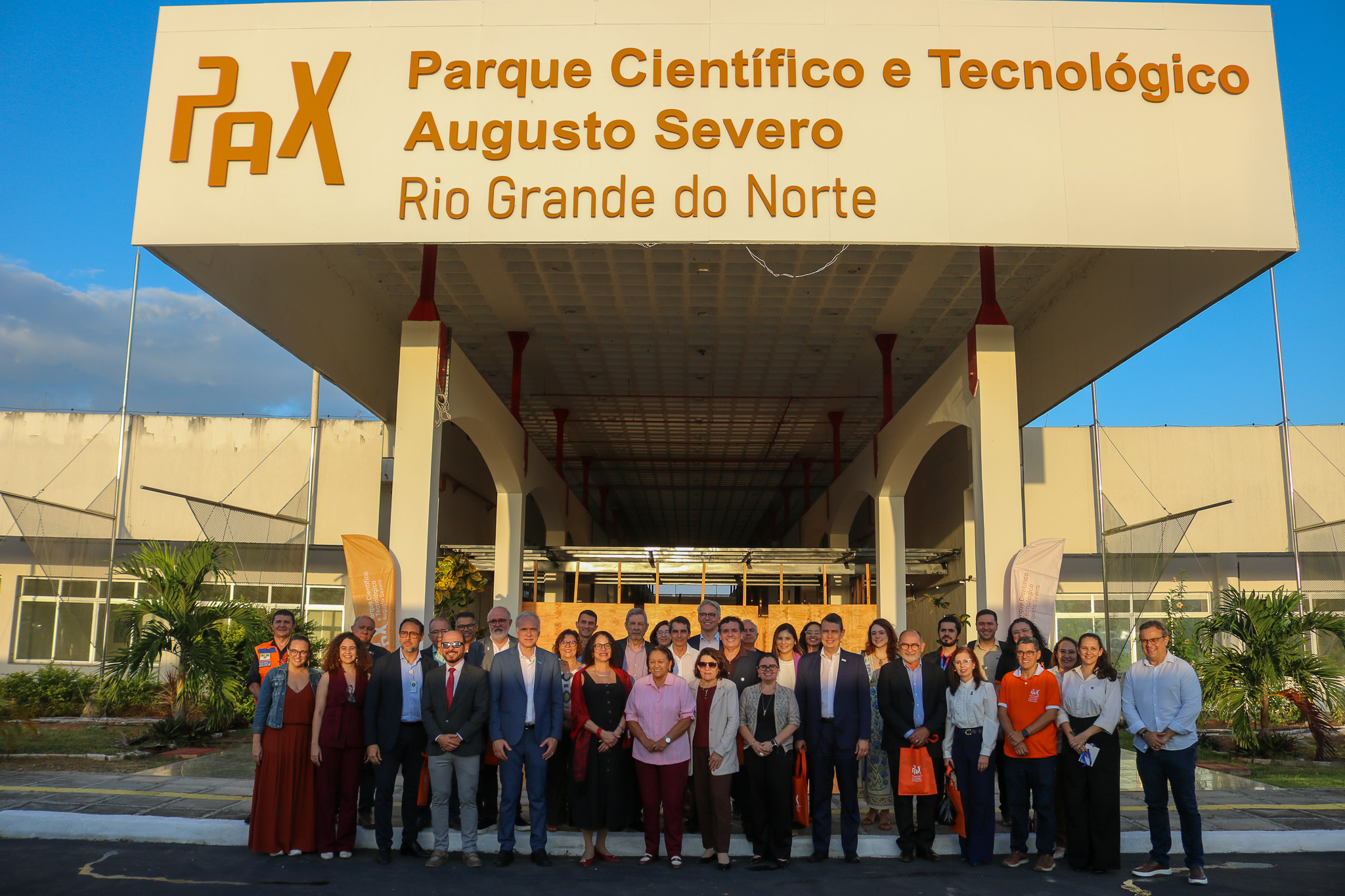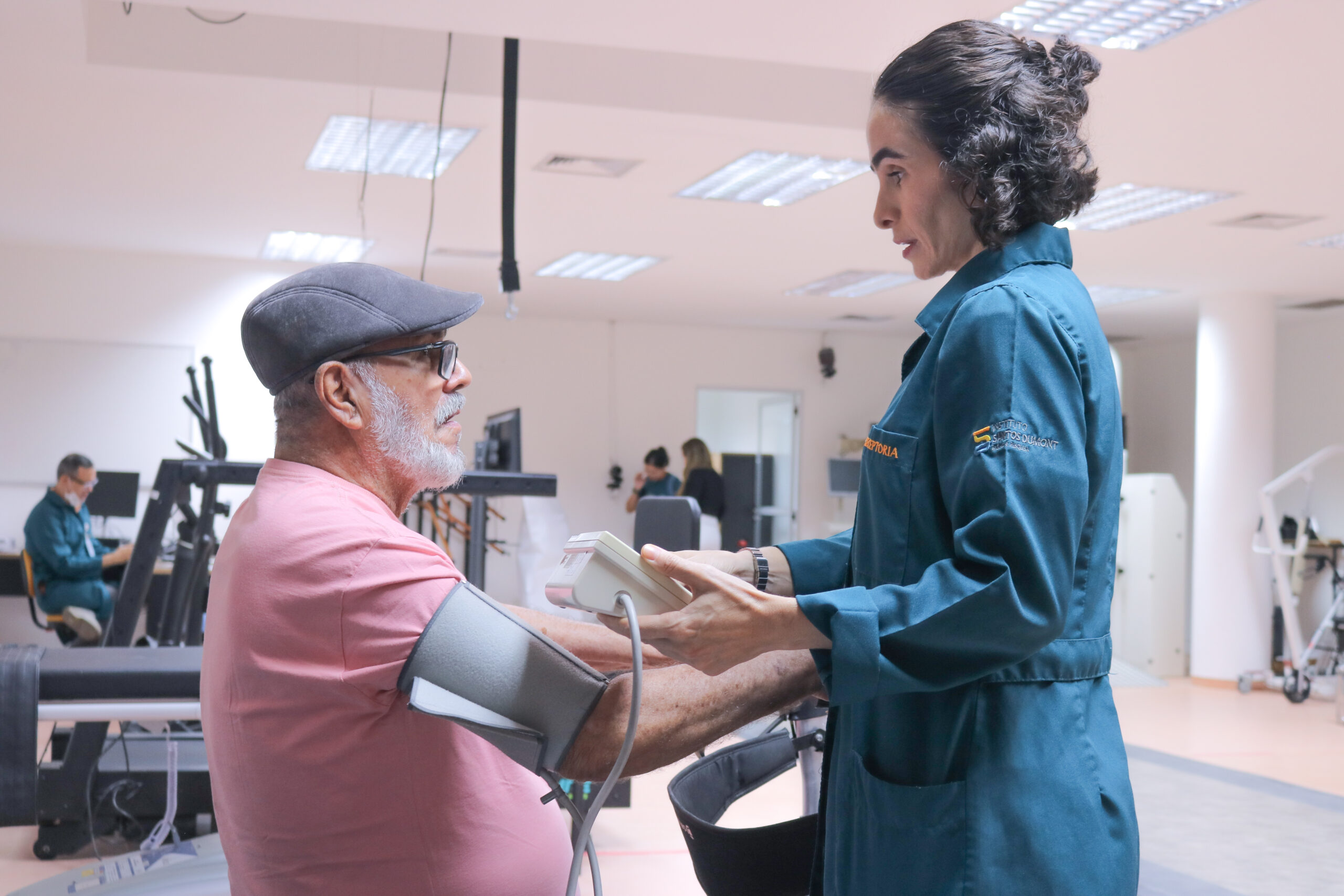


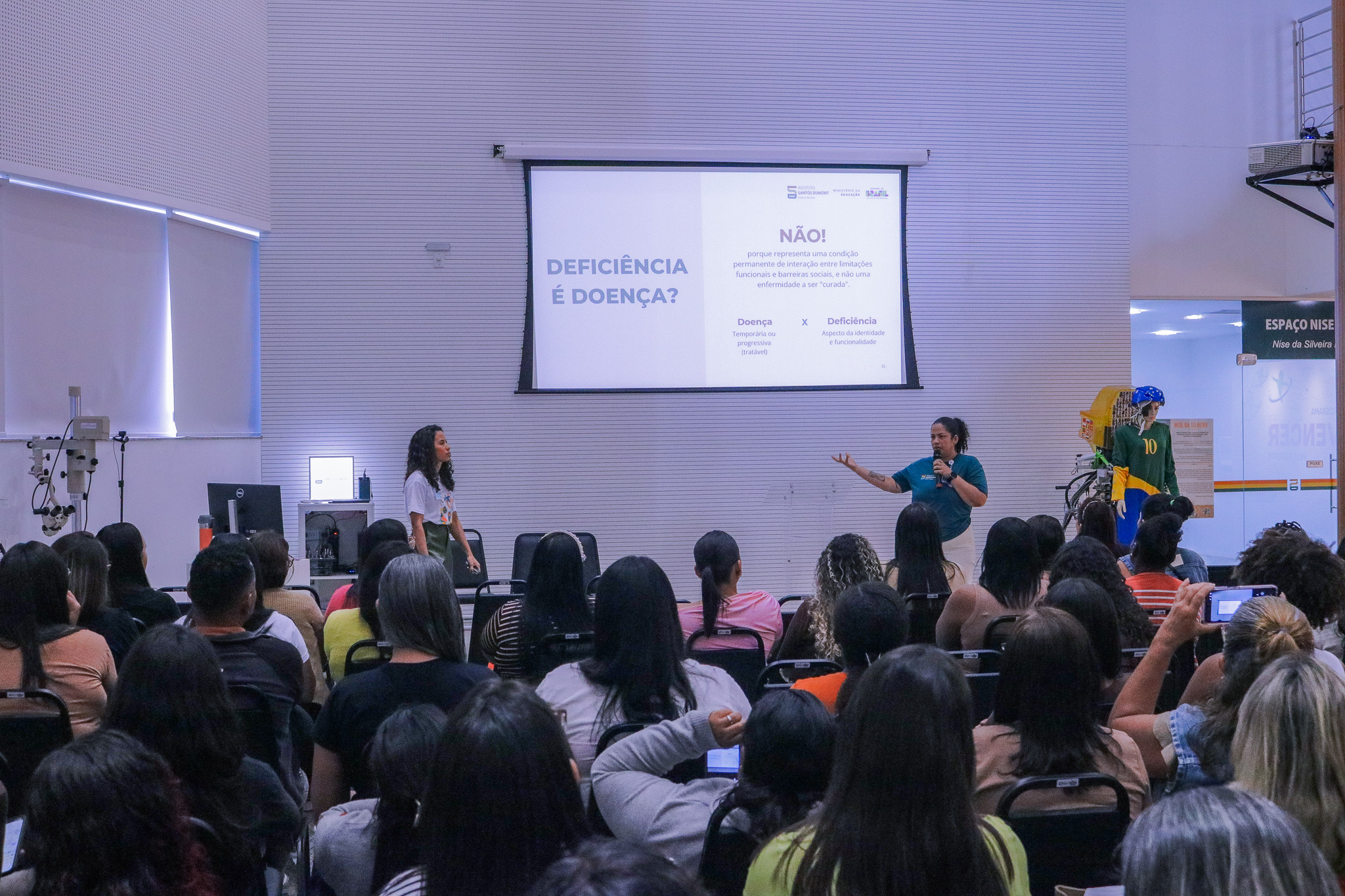
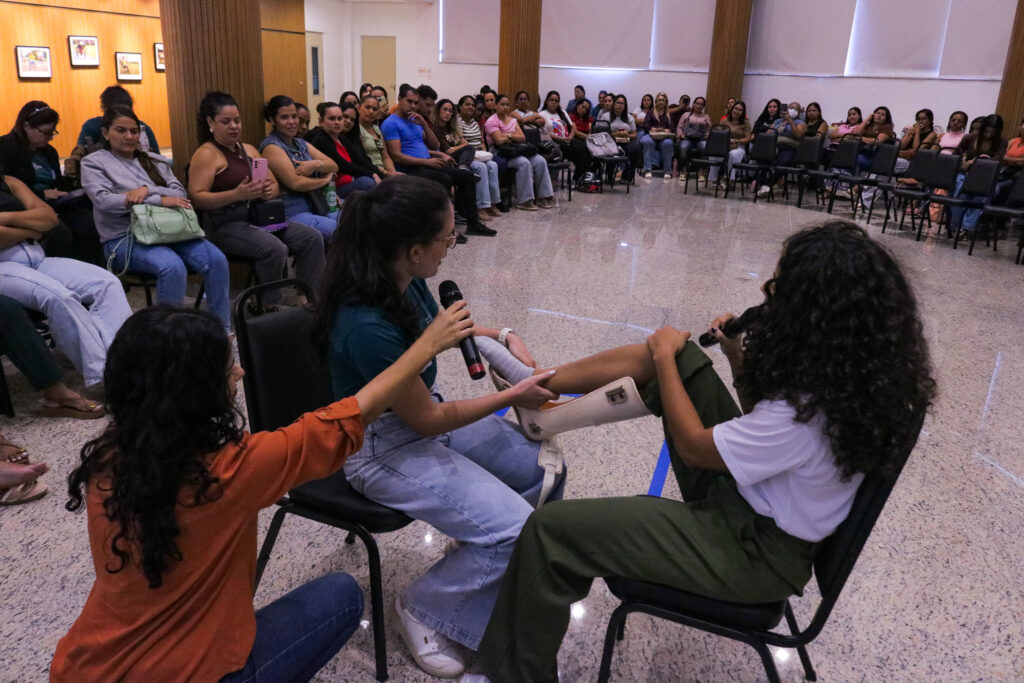
Classroom assistants working in the basic education network of Macaíba participated, this Wednesday (1st), in an intersectoral anti-ableist training promoted by the Santos Dumont Institute (ISD). The training was held at the Edmond and Lily Safra International Institute of Neuroscience (IIN-ELS) and conducted by preceptors from the Specialized Rehabilitation Center (CER) of the ISD.
Focusing on theoretical concepts and practical activities regarding the management of people with physical disabilities, the workshop aimed to prepare professionals to ensure an even more welcoming and inclusive school environment for students with disabilities. The initiative arose from a demand from the assistants themselves for tools to help them deal with the daily challenges of school inclusion, especially those related to physical disabilities. To meet this need, the ISD preceptor team prepared examples and simulations based on real-life experiences in schools.
The training brought together approximately 80 classroom assistants from different schools in the municipal public school system, divided into two shifts (morning and afternoon). Throughout the training, participants asked questions, engaged in practical exercises, exchanged experiences, and discussed strategies to improve accessibility in daily school life.
The meeting was made possible through a partnership between ISD and the Municipality of Macaíba. For Hudson Holanda, coordinator of Special Education in Macaíba, the impact of the action goes beyond the school walls: “This training is for life. We want professionals to apply this anti-ableist knowledge in the classroom, but also to take these concepts into their routines outside of school.”
According to the CER coordinator, Camila Simão, the activity reinforces the ISD's formative role, sharing technical knowledge with the community to generate real impact in promoting social participation. “This training was designed to meet a real demand in education, in the sense of supporting the school inclusion of children with disabilities in the municipality. Actions like this are extremely relevant for strengthening intersectoral collaboration. Health and education working together for real school inclusion and greater social participation,” she emphasized.
ISD provides a guide to anti-ableist etiquette.
As part of its awareness-raising efforts, the ISD (Instituto de Desenvolvimento Social - Social Development Institute) is making publicly available the "Basic Guide to Inclusive Etiquette." Developed by the Institute's Multiprofessional Residency Program in Healthcare for People with Disabilities (RESPCD), the material provides practical guidelines for coexistence and communication to combat ableism in everyday life.
The guide covers topics ranging from correct terminology and expressions to be avoided to the empowerment of people with disabilities and appropriate handling techniques. The material can be consulted or downloaded for free at [website address]. ISD website, by accessing the 'Teaching' tab > 'Continuing Education'.
About ISD
The Santos Dumont Institute (ISD) is a Social Organization of the Federal Executive Branch, supervised by the Ministry of Education, with the intervention of the Ministry of Sport. It encompasses the Edmond and Lily Safra International Institute of Neuroscience and the Anita Garibaldi Center for Education and Research in Health, both located in Macaíba. The ISD's mission is to promote education for life, forming citizens through integrated teaching, research, and outreach activities, as well as contributing to a more just and humane transformation of Brazilian social reality.