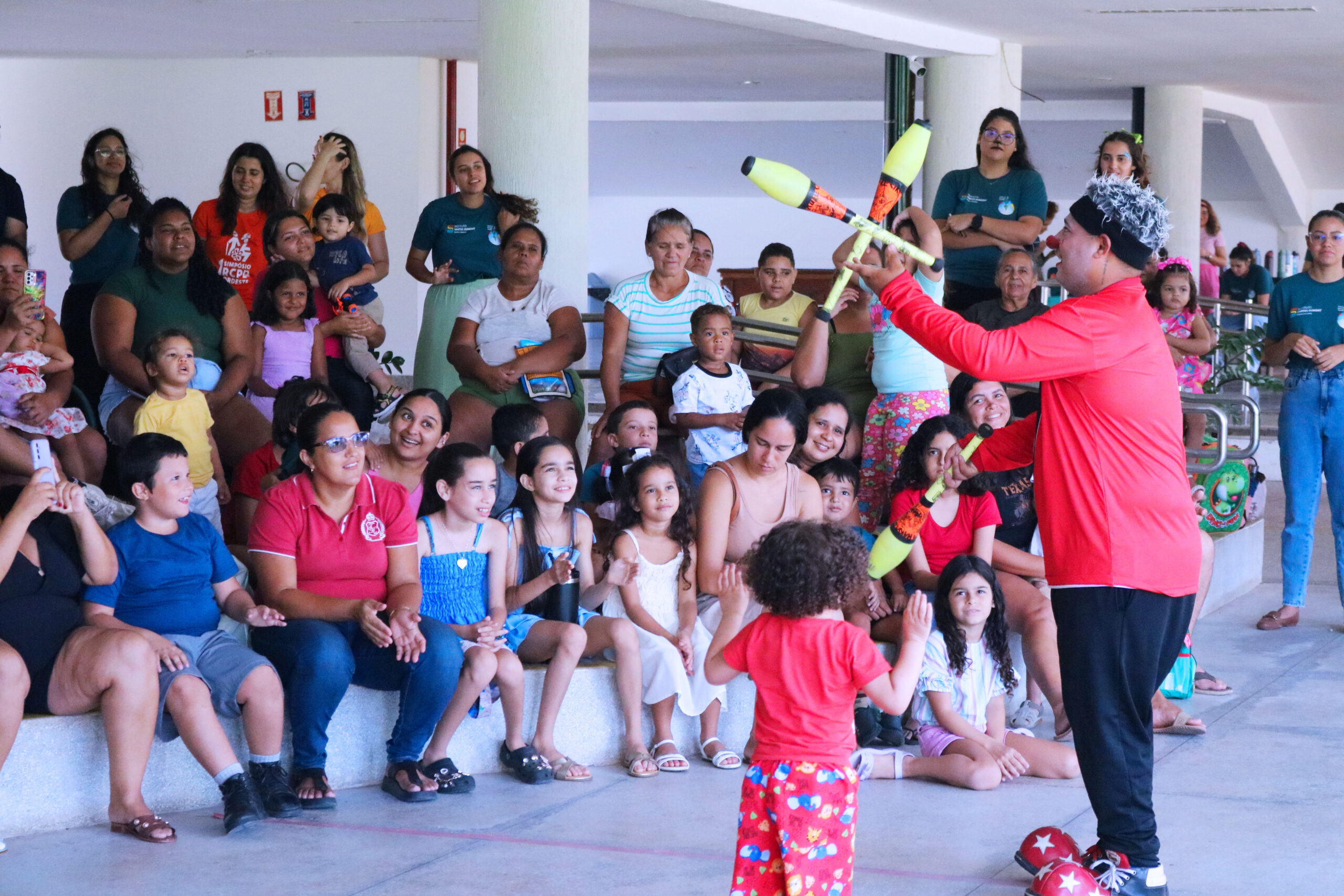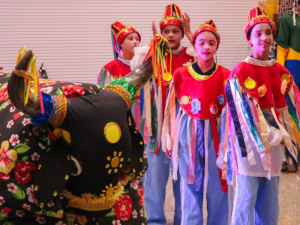


The tradition and cultural richness of Macaíba (RN) marked the first day of the Science Fair and Scientific Exhibitions of the Santos Dumont Institute (ISD), which took place on Monday (26) at the Edmond and Lily Safra International Institute of Neuroscience (IIN-ELS). The program included the presentation of the Boi de Reis, performed by the CERU em Cena group, formed by students from the Alfredo Mesquita Filho Rural Education Center (CERU), in the Traíras district. The group is led by master Charles Simplício de Sales, son of master Jove, one of the most important and missed. masters of Boi de Reis in the municipality.
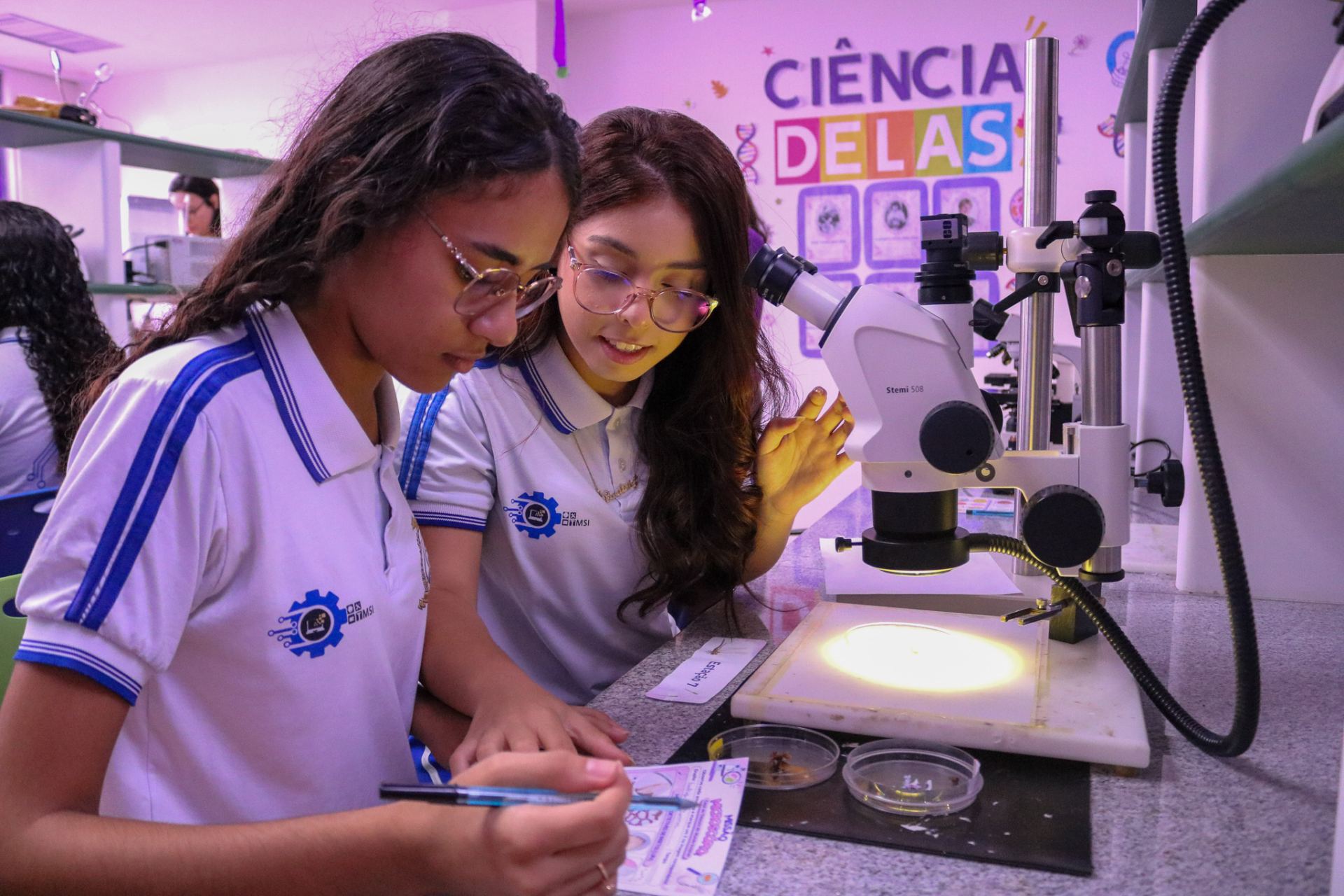
The cultural presentation was part of the event's program, which is part of the 23rd National Science and Technology Week (SNCT), coordinated by the Ministry of Science, Technology and Innovation (MCTI). This year's edition had the theme "Science for Women," encouraging female participation in scientific activities and workshops.
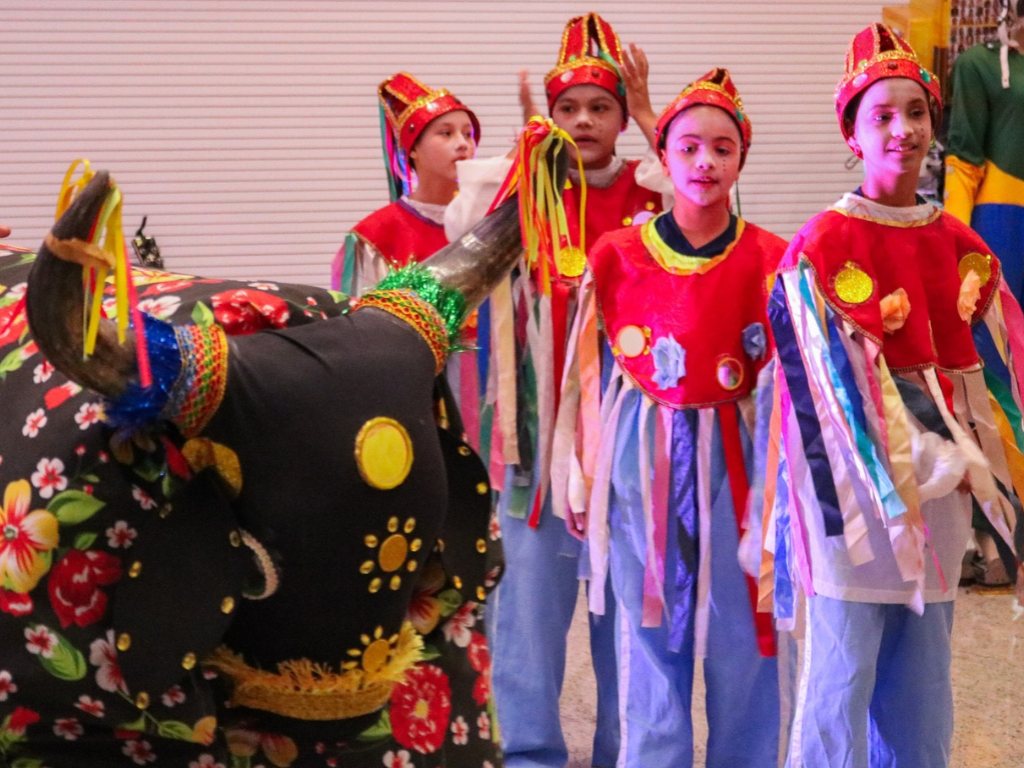
The Boi de Reis is a popular cultural expression that brings together music, dance, characters, and performances centered around the figure of the ox. Its presentation at the ISD also represented an opportunity to value the history and cultural identity of the municipality where the Santos Dumont Institute is located.
According to historical records attributed to Maria Terceira da Silva Pedroza, daughter of the founder of Macaíba, Fabrício Gomes Pedroza, the first manifestation of Boi de Reis in the municipality occurred on October 26, 1855. The presentation held at ISD, last Monday (26), therefore marked 171 years of this tradition, reinforcing the importance of initiatives that contribute to the preservation and manifestation of popular culture, taking it to new generations.
Tradition and memory in evidence.
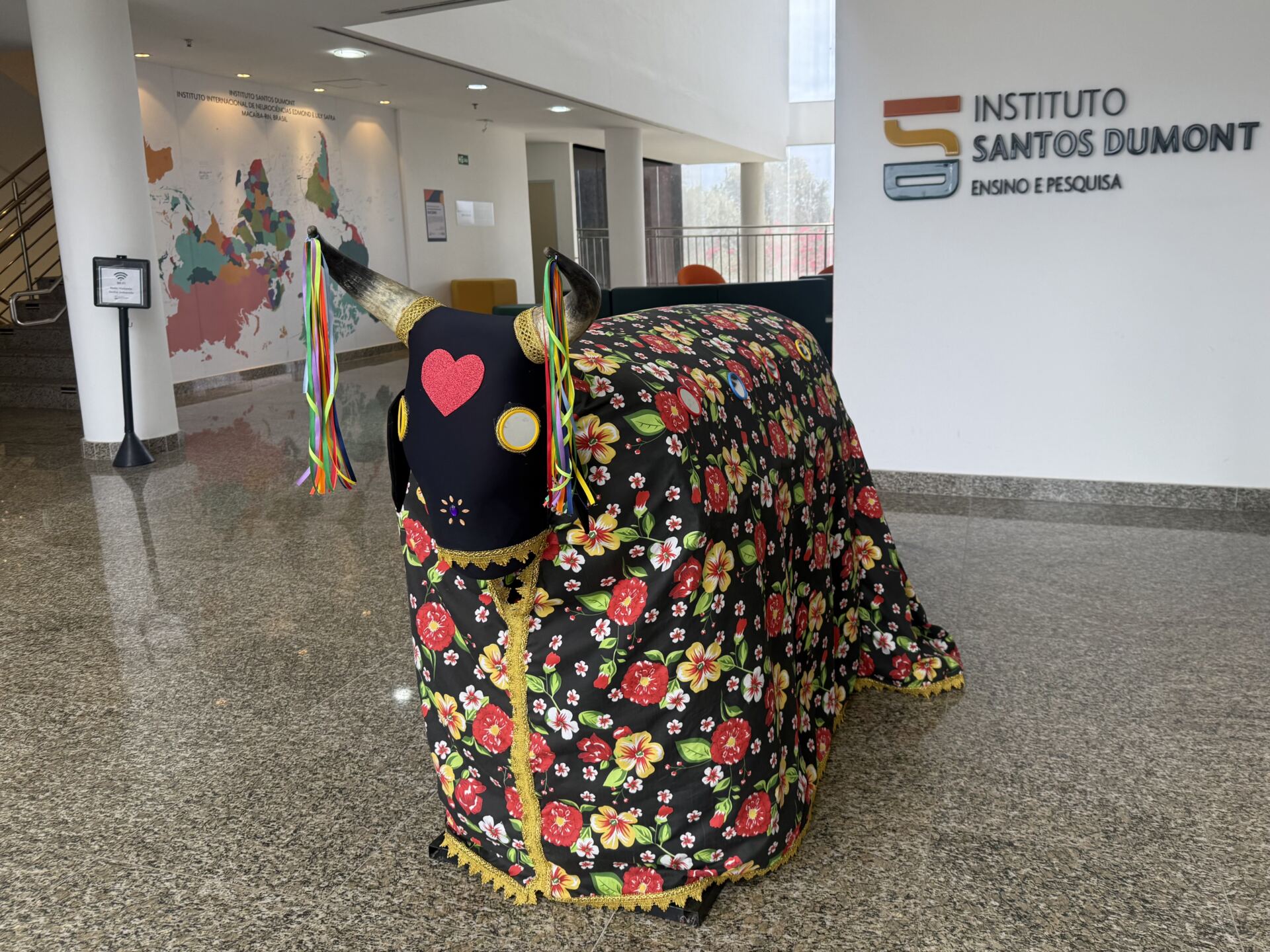
In addition to the cultural presentation, the Edmond and Lily Safra International Institute of Neuroscience (IIN-ELS), a unit of ISD, began displaying in its entrance hall a piece handcrafted by the master craftsman Charles Simplício de Sales himself.
Full of colors and ornaments, the piece expresses elements of the Boi de Reis tradition and symbolizes the memory, identity, and cultural richness of the people of Macaíba. The initiative broadens the public's contact with the artistic expression and keeps the presence of local culture alive in a space dedicated to teaching, research, innovation, and outreach.
By integrating the presentation of the Boi de Reis (a traditional Brazilian folk dance) into the scientific program, the ISD (Instituto de Desenvolvimento e Desenvolvimento - Institute of Development and Development) promotes the encounter between different forms of knowledge, recognizing that science and culture also complement each other in building a more just, humane society connected to its history.
Culture, science, technology and female participation
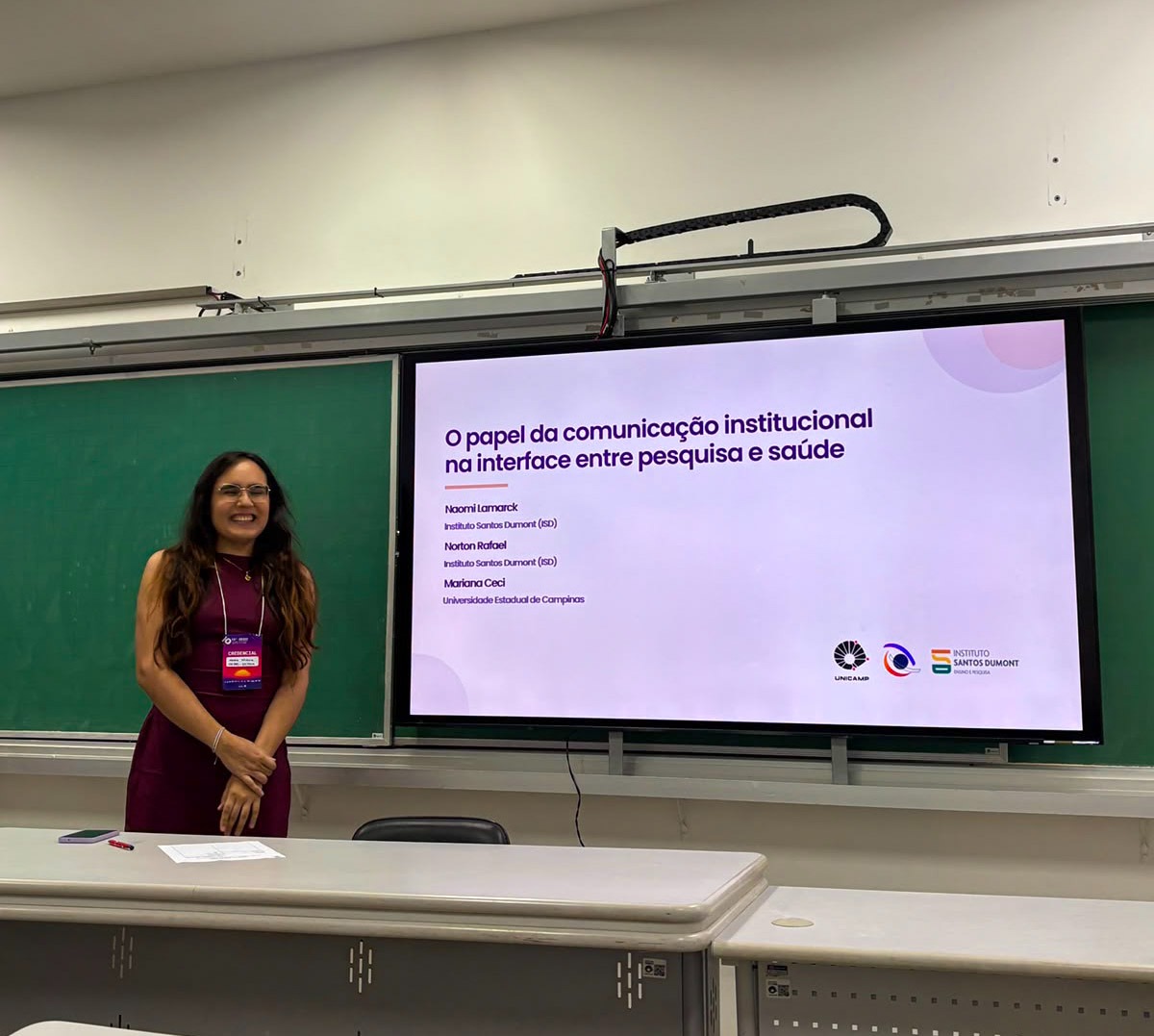
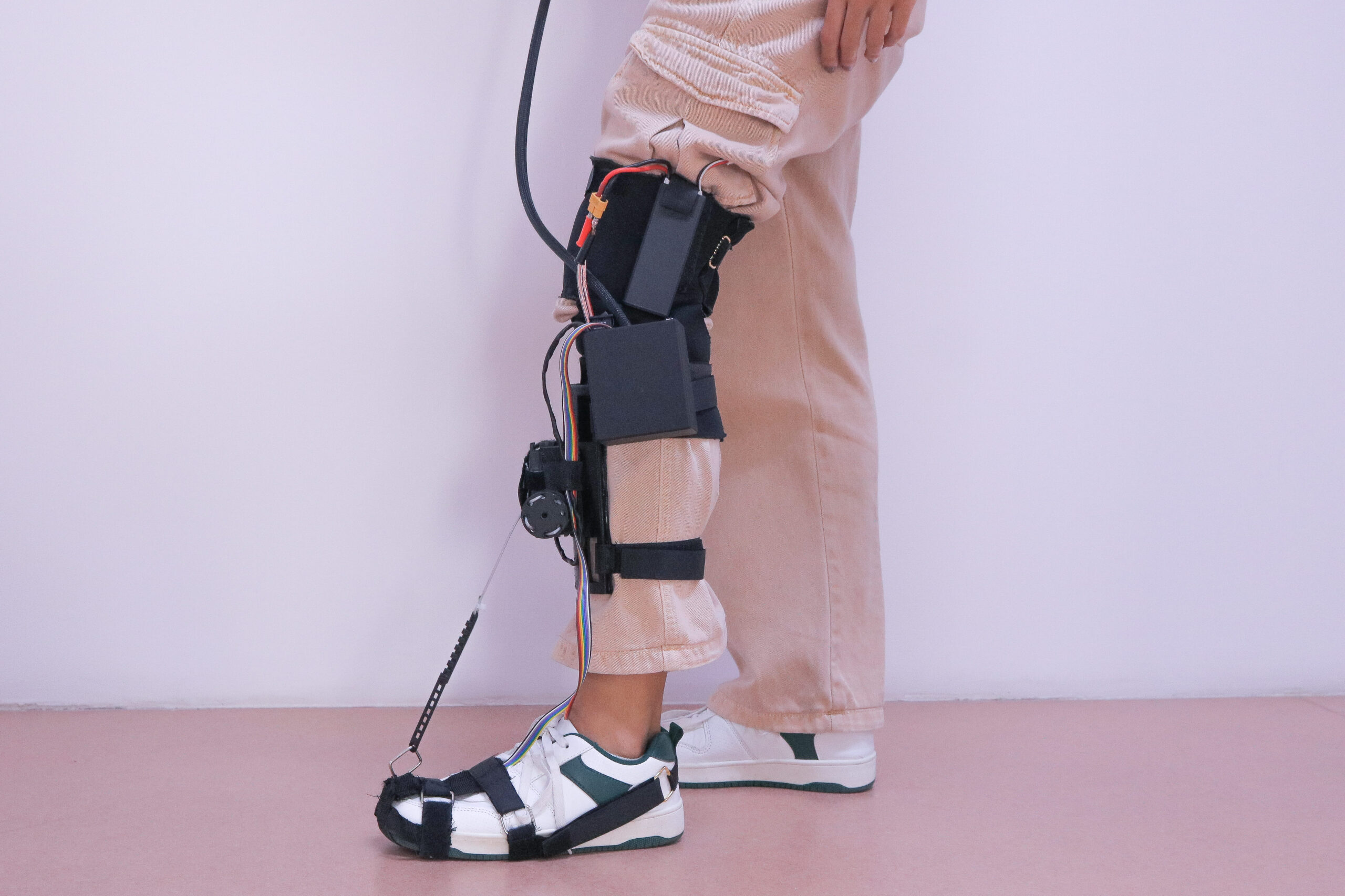
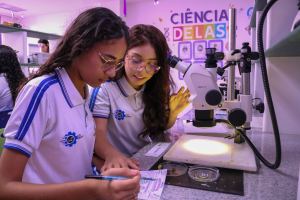
The first day of the ISD Science Fair and Scientific Exhibitions brought together approximately 150 students from public schools in nearby municipalities. Master's students and residents of the Institute participated in workshops and seminars focused on topics such as health, technology, neuroengineering, and programming.
The activities aimed to bring students closer to scientific production and the possibilities of working in these areas, in line with the proposal of the 23rd National Science and Technology Week and the theme "Science for Women," which highlights the participation of women in science and technology.
The program also highlighted the importance of bridging the gap between scientific knowledge and cultural expressions and community experiences. With the participation of the CERU em Cena group and the exhibition of a piece produced by master Charles, the Santos Dumont Institute reinforced its commitment to valuing local cultural expressions and promoting initiatives that connect science, culture, and society.
About ISD
The Santos Dumont Institute (ISD) is a Social Organization of the Federal Executive Branch, supervised by the Ministry of Education, with the intervention of the Ministry of Sport. It encompasses the Edmond and Lily Safra International Institute of Neuroscience and the Anita Garibaldi Center for Education and Research in Health, both located in Macaíba. The ISD's mission is to promote education for life, forming citizens through integrated teaching, research, and outreach activities, as well as contributing to a more just and humane transformation of Brazilian social reality.