

18/10/2016
Text: Ariane Mondo – Ascom ISD

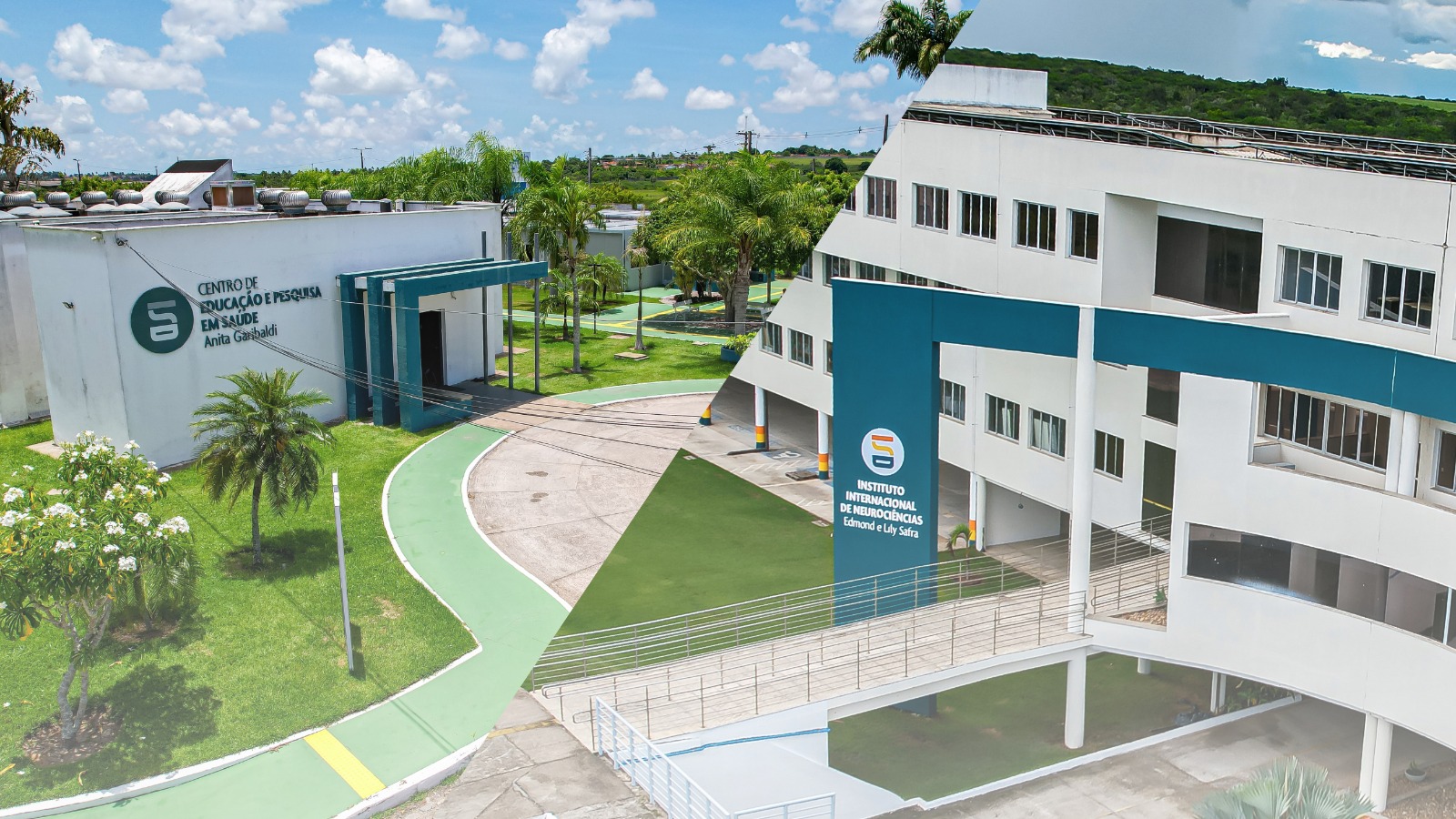
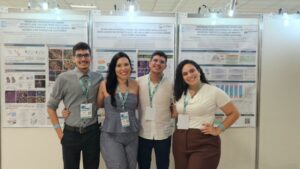
On October 17th, the first day of the participation of Santos Dumont Institute (ISD) in the National Science and Technology Week (SNCT) In 2016, several activities were brought to the public by its units, located in Natal (RN), Macaíba (RN) and Serrinha (BA). In Rio Grande do Norte, one of the highlights of the ISD program was the round table “Women in Science: Trajectories and Challenges”, organized by Edmond and Lily Safra International Institute of Neuroscience (IIN-ELS), one of the ISD units, located in Macaíba (RN).
Reginaldo Freitas Junior, director of teaching and research at ISD, welcomed everyone and ratified ISD's mission with actions that seek social transformation. He took the opportunity to reaffirm the institution's commitment to the pursuit of scientific innovation and said that the work of female scientists and the discussion proposed by the roundtable are of fundamental importance.

The IIN-EL researcher, Manuela Sales, mediated the event, which was attended by researchers Elisama Vieira (UFRN), Selma Maria Bezerra Jerome (UFRN), Fivia Lopes (UFRN) It is Anna Giselle Camara (Unifesp). Elisama is one of the winners of the 2016 edition of L'Oréal-UNESCO Prize for Women in Science.
The scientists spoke about their career choices and projects. Selma, who is a Full Professor of Biochemistry and Director of the Institute of Tropical Medicine of Rio Grande do Norte, acknowledged some challenges in doing science, such as the difficulty in obtaining certain types of inputs in Brazil, and stated: “For me, the main aspect is having people in science, women and men, with good infrastructure to work with.” She said that in a scientific career it is extremely important to have real inspirational figures for choosing and staying in the profession.
Anna Giselle, who is currently a postdoctoral student at the Paulista School of Medicine (UNIFESP) and UFRN, in the area of Medical Engineering with an emphasis on innovation for ophthalmology, spoke about the difficulties of being a woman in the field of engineering and commented that she is active in movements that encourage women in the area of computing. She said that she has always enjoyed her academic career. For her, scientific work must have some impact on society: “Scientists have to do something along the way that makes a difference in people’s lives and not just for citations in papers. The scientist’s duty is to try to delight people with science.”

Fívia, who is a professor in the Department of Physiology and coordinator of the Postgraduate Program in Psychobiology at UFRN, spoke about the behind-the-scenes of her CV, such as the reasons for some professional choices and the dilemmas encountered along the way. She stated: “We cannot only train scientists. We have to train people and inspire them. We have to leave a legacy that does not fit only on a CV.”
Elisama, who is a professor at the School of Science and Technology at UFRN, explained the project that won the L'Oréal-UNESCO Award for Women in Science, which was developed in partnership with the Universidad de Castilla La Mancha (Spain) and initially aimed to treat soil contaminated with pesticides and heavy metals using electrochemical technology. She spoke of the importance of doing science by observing reality and cited the alarming fact that Brazil is the world champion in the use of pesticides in agriculture.
At the end of all the speeches, the audience asked questions to the researchers, who unanimously agreed that the biggest challenge is to view science as a vast territory of experimentation and discoveries, regardless of gender.
Schedule of ISD activities at SNCT 2016 – RN: https://www.facebook.com/events/1119930121416639/.