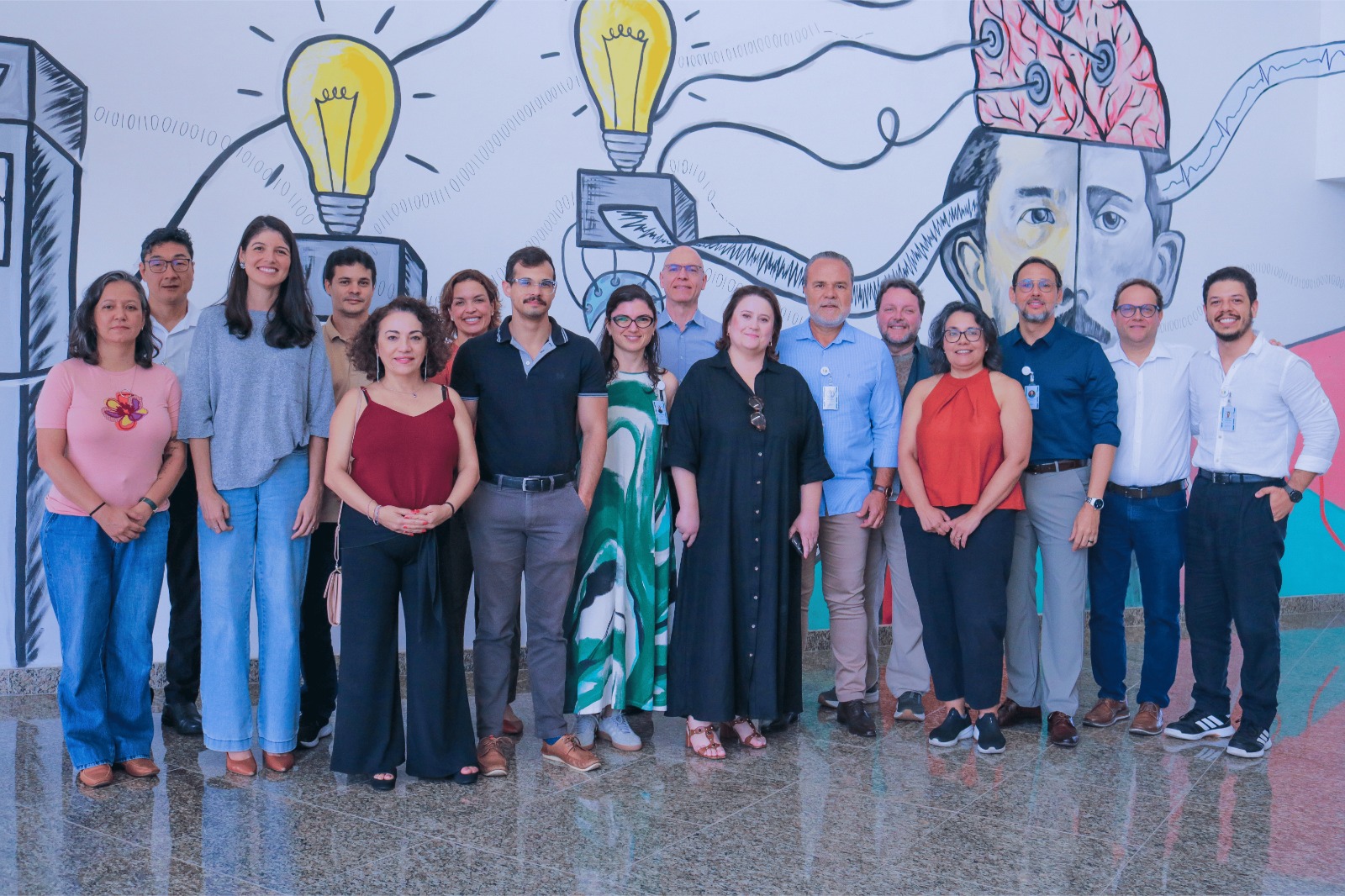


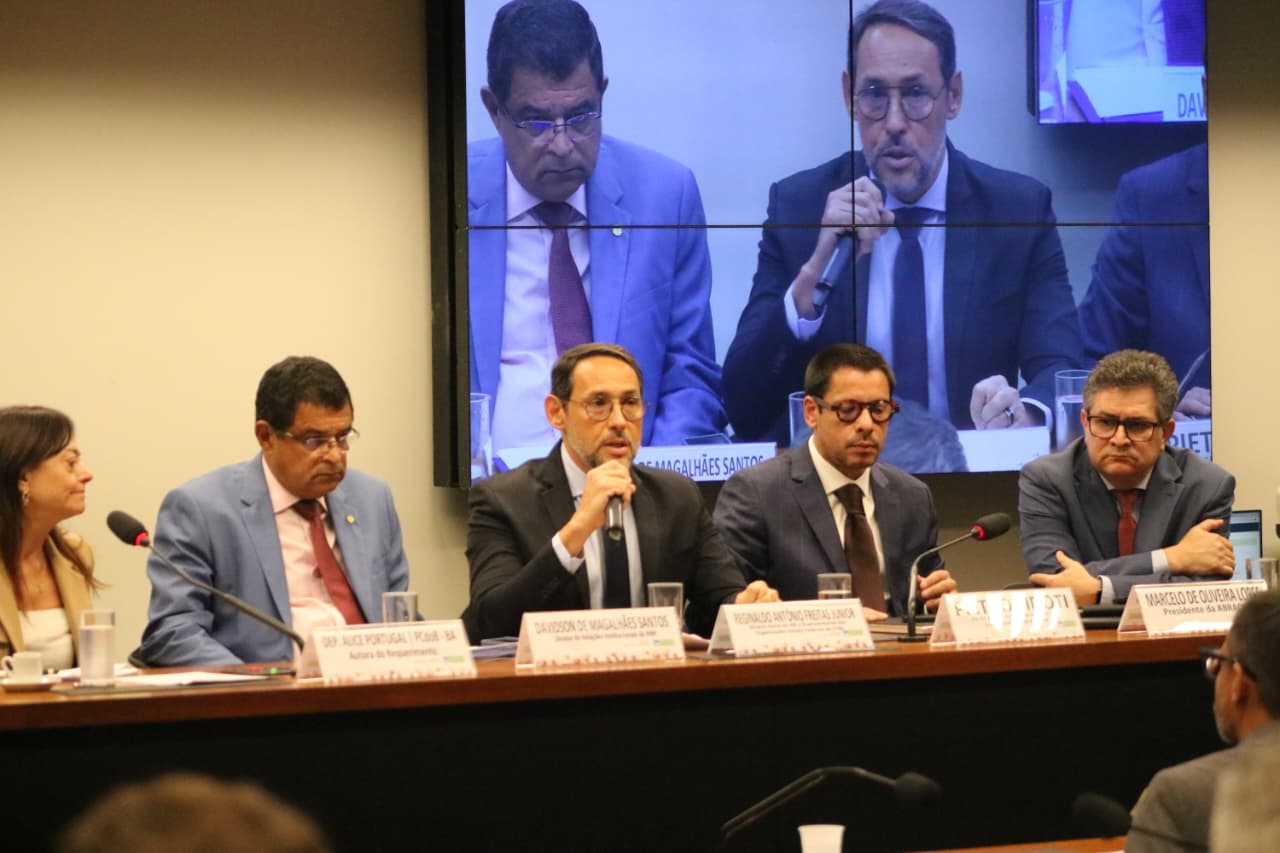
The General Director of the Santos Dumont Institute (ISD), Reginaldo Freitas Júnior, participated this Tuesday (28) in a Public Hearing promoted by the Administration and Public Service Commission (CASP), in the Chamber of Deputies. The meeting focused on the impacts of Bill 10.720/2018, which proposes a profound review of the Social Organizations (OS) model.
The bill in question proposes changes to Federal Law 9.637/1998, the legal framework governing Social Organizations (OS) in Brazil. During his statement, the Director General of ISD acknowledged that the original text, published almost 30 years ago, needs updating. However, he warned that the current CASP report could compromise the sustainability of the model. According to the manager, the entities operating at the forefront of public policy implementation need to have an active voice in the construction of this new legislation.
“I cannot conceive why, at this moment in the country's development, an exclusionary decision is necessary between applying the model to this or that area. There are 10 Social Organizations of Science, Technology and Innovation that have excellent results to prove that the model works. We have the leadership and legitimacy to qualify this debate and reach an understanding that guarantees a happy ending for all sides,” stated Reginaldo.
Results and Social Impact
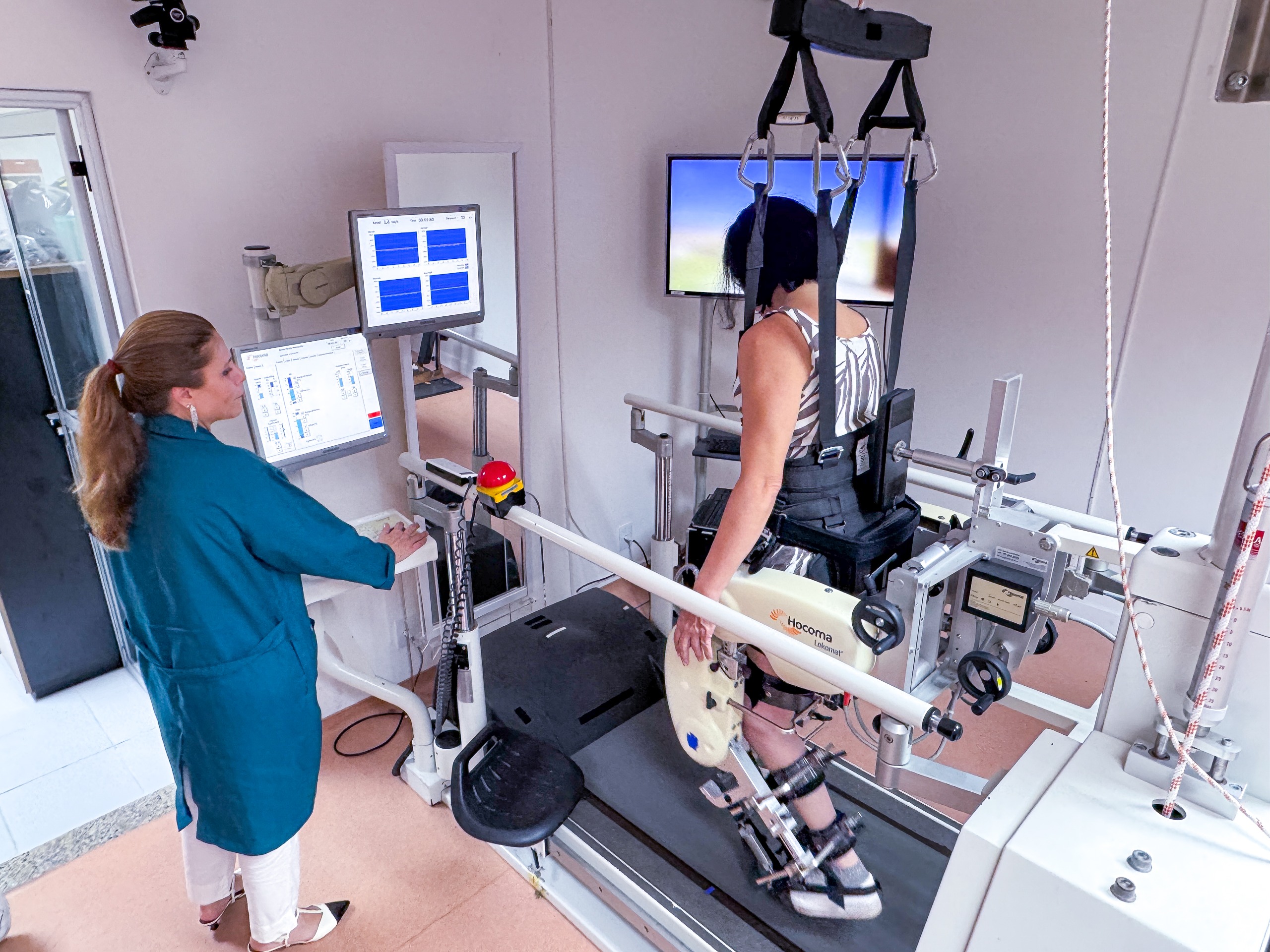
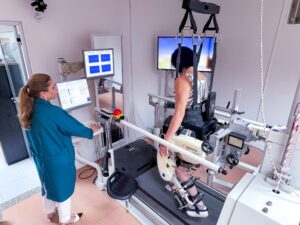
Representing the Forum of Federal Social Organizations, Reginaldo pointed out how the agility of the OSF model is crucial for promoting Science and Technology. He used the example of ISD itself to illustrate how the Institute aligns its work with strategic policies of the Federal Government, especially in areas such as neuroscience, neuroengineering, maternal and child health, and the health of people with disabilities.
The hearing was an initiative of federal deputy Alice Portugal (PCdoB/BA), who defended the need for the report to be re-discussed and go through other committees before going to a vote. "Our task will be to translate the diversity of experiences of the Federal Social Organizations to the rapporteur, so that the bill does not break the continuity of this historical series of victories, maintaining the efficiency of public-private partnerships in strategic areas," the congresswoman noted.
Federal Deputy Inácio Arruda (PCdoB/CE) also reinforced that Social Organizations of Science and Technology (OSFs) are fundamental arms of the Executive branch. Arruda served as Secretary of Science and Technology for Social Development at the Ministry of Science, Technology and Innovation (MCTI) between 2023 and 2026, gaining firsthand knowledge of the reality of Social Organizations of Science and Technology. “You don't solve one problem by creating another, harming institutions that function correctly and are successful in the country. These proposed changes cause significant impacts that cannot be accepted without broad discussion,” he warned.
Understanding Bill No. 10.720/2018
What do you propose?
The project revises the legal framework for Social Organizations (Law 9.637/1998). The objective is to update management and transparency standards, but the current text is questioned for creating bureaucratic barriers that may limit the operation of these entities.
Why is this a cause for concern?
Federal Social Organizations for Science, Technology and Innovation (CT&I) fear that the changes will affect administrative flexibility and agility — pillars that allow Brazil to promote actions in areas that are strategic for national sovereignty and development.
What is the position of the entities?
The institutions advocate for an improvement to the Law that is built upon dialogue and technical evidence, preserving management autonomy and recognizing the specificities of each area of activity (Health, Education, Science and Culture).
About ISD
The Santos Dumont Institute (ISD) is a Social Organization of the Federal Executive Branch, supervised by the Ministry of Education, with the intervention of the Ministry of Sport. It encompasses the Edmond and Lily Safra International Institute of Neuroscience and the Anita Garibaldi Center for Education and Research in Health, both located in Macaíba. The ISD's mission is to promote education for life, forming citizens through integrated teaching, research, and outreach activities, as well as contributing to a more just and humane transformation of Brazilian social reality.